Kampong Lorong Buangkok offers a rare look at village life in a city best known for high-rises. On this 1.5-hour walk, you explore its lanes and architecture, hear stories about the kampung’s place in Singapore, and visit the home of village head Miss Sng Mui Hong.
I like two things in particular: the chance to hear personal memories from someone who lives this heritage, and the simple games that let you do more than just listen. Chapteh and paper balls bring a lively, hands-on note to a tour built around history and community.
One consideration: the tour costs more than a basic neighborhood walk, and some stories may feel less tightly tied to the kampung than others. If you want a tightly scripted history lesson or a long list of landmarks, this may not be the best fit.
- Key points to know
- A village in modern Singapore
- Following the lanes and stories
- Meeting Miss Sng Mui Hong
- Trying Chapteh and paper balls
- What the 1.5 hours feel like
- Is the price worth it?
- Weather, access, and practical details
- Who should book this tour?
- FAQ
- How long is the Kampong Lorong Buangkok tour?
- Who leads the personal home visit?
- What language is the tour offered in?
- Can children attend?
- Does the tour run if it rains?
- Is the tour wheelchair-accessible or suitable for strollers?
- Is transport included?
- The Best Of Singapore!
- More Tours in Singapore
- More Tour Reviews in Singapore
- Not for you? Here's more nearby things to do in Singapore we have reviewed
Key points to know
 1 / 7
 2 / 7
 3 / 7
 4 / 7
 5 / 7
 6 / 7
 7 / 7
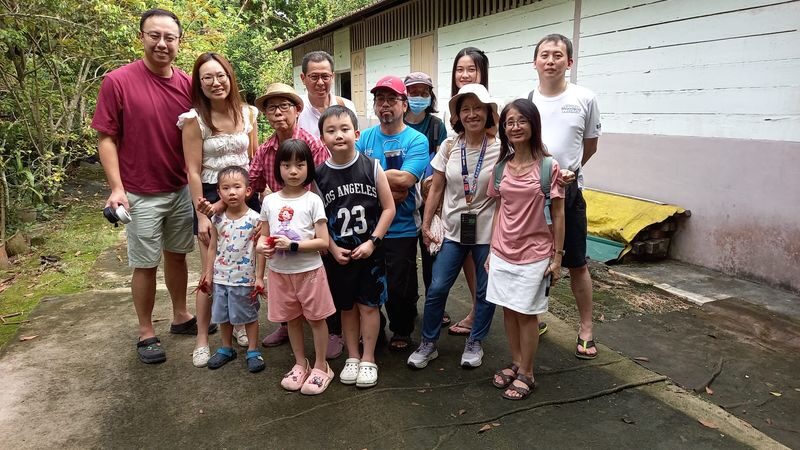
- Singapore’s last kampung: Walk the lanes and see the architecture of Kampong Lorong Buangkok, a surviving village within a modern city.
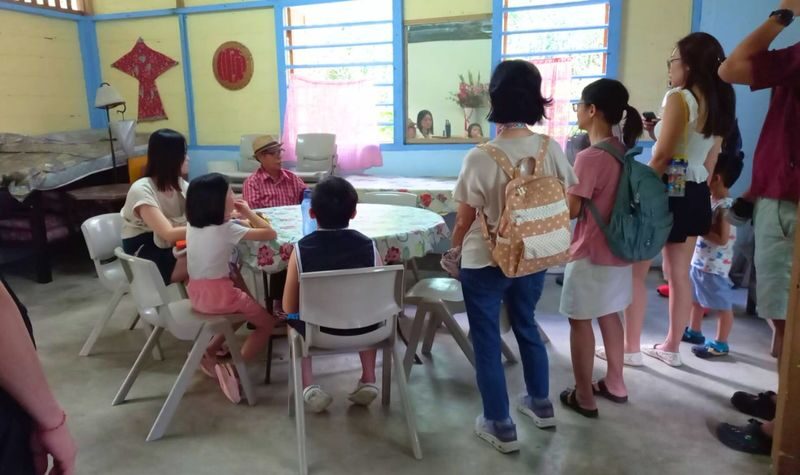
- A personal home visit: Village head Miss Sng Mui Hong shares stories and welcomes the group into her home for a guided visit.
- Games you can try: Chapteh and paper balls offer a small, active taste of traditional play.
- A short, focused tour: The guided experience lasts about 1.5 hours and is offered in English or Chinese.
- Best for heritage-minded visitors: You’ll get more from the walk if you’re curious about community life and how Singapore’s past connects to its present.
- Plan for the weather: The tour runs rain or shine. Bring water and a raincoat or poncho, and wear comfortable walking shoes.
👉 See our pick of the 25 Best Guided Tours In Singapore
A village in modern Singapore
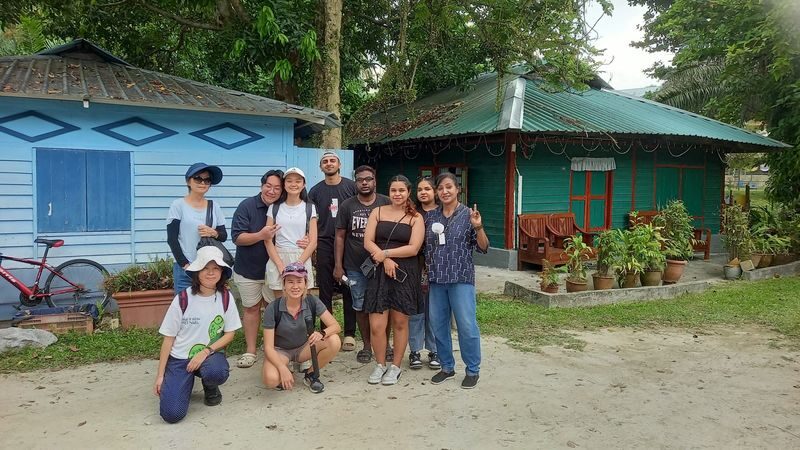
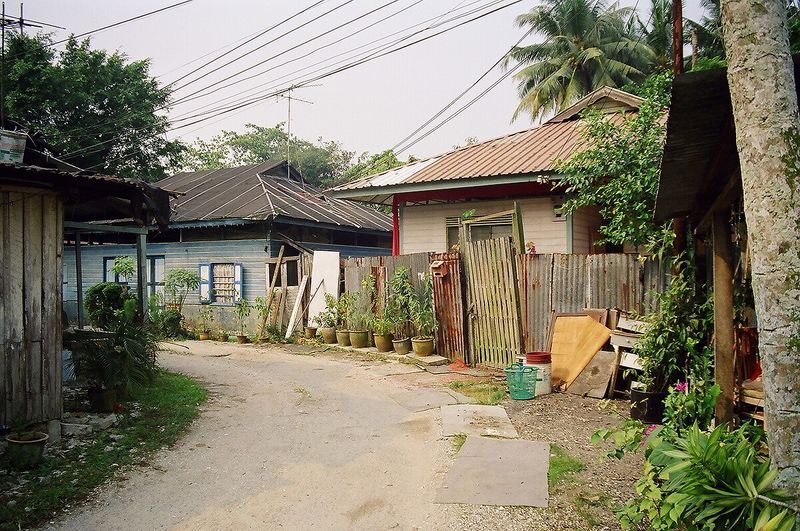
Kampong Lorong Buangkok is not a museum display or a reconstructed old street. It is Singapore’s last surviving kampung, and the tour uses its lanes, buildings, and resident stories to explain a way of life that has largely disappeared from the city.
That setting gives the walk its value. Instead of learning about village life only through exhibits, you see a living place and hear from people connected to it. The focus is on how neighbors knew one another, how the village worked as a community, and why that experience matters to Singapore’s national identity.
The tour is still a guided visit, not an invitation to wander freely through private spaces. Follow the guide’s lead, particularly during the home visit, and be considerate of residents who are going about their day. The village is a neighborhood first and a heritage stop second.
You can also read our reviews of more tours and experiences in Singapore.



Following the lanes and stories
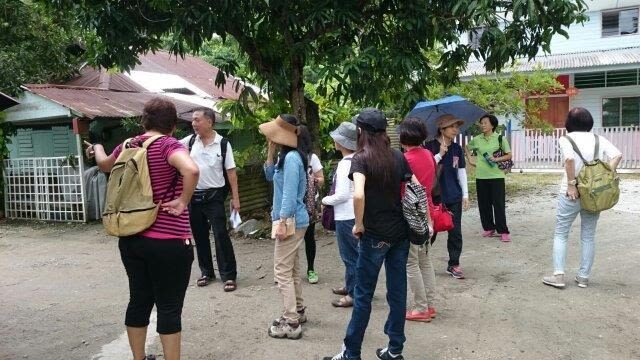
The walk takes you through the kampung’s lanes and past its architecture. The details are meant to help you picture the rhythms of earlier Singapore, when daily life was organized around close community ties rather than the high-rise urban pattern familiar today.
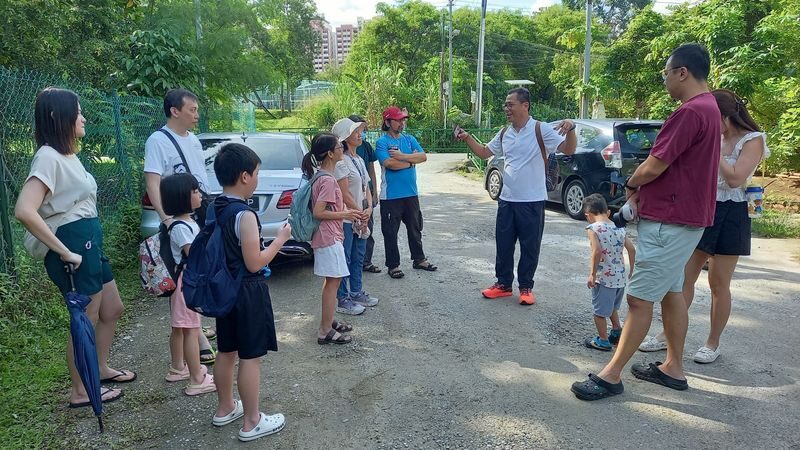
The guide supplies the context that a casual walk might miss. Buildings and lanes can be interesting to look at, but their meaning comes from the stories attached to them: how people lived, how neighbors related to one another, and how that village life fits into the country’s wider story.
You should not expect a fixed succession of major sights or a long list of architectural stops. The emphasis is on the village as a whole and on interpreting what you see. If you enjoy asking questions and making connections between place and memory, this approach can work well. If you prefer a formal architectural tour with detailed building-by-building commentary, the format may feel light.
A useful measure of the guide’s success is how clearly each story relates to Kampong Lorong Buangkok. The strongest explanations link village customs and residents’ experiences to Singapore today. Broader cultural context can add perspective, but a detour that feels only loosely connected may slow the pace. Keep that in mind if you value a tightly focused itinerary.
Meeting Miss Sng Mui Hong
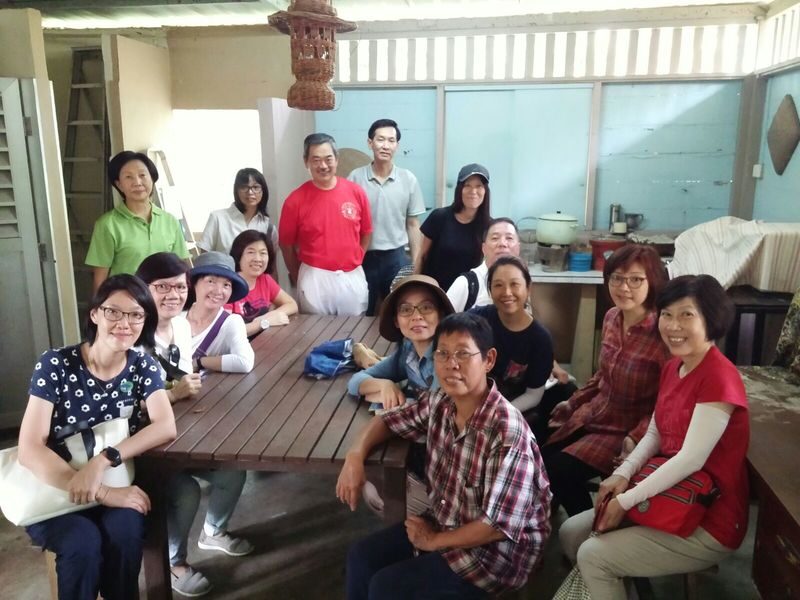
The home visit is the most personal part of the experience. Miss Sng Mui Hong, the village head, shares her own stories and opens her home for a guided visit. That changes the tour from a general account of kampung life into a conversation grounded in one person’s experience.
The personal element matters because heritage is more than architecture. A lane can show you how a place is arranged, but a resident’s memories can explain what community meant in practice. Miss Sng’s stories have been described as engaging, and the opportunity to speak with a resident is a meaningful part of the visit.
Approach this stop with curiosity rather than expecting a polished performance. The tour is built around personal stories, and those stories may range across different aspects of Singaporean life. If you find a connection unclear, you can ask how it relates to the kampung. That keeps the discussion useful without treating a resident’s home like a standard attraction.
The visit is also a good reason to keep your group small in spirit, even if the actual group size is not specified. Listen, give the speaker room, and remember that you are being welcomed into someone’s home. The opportunity is unusual precisely because it is personal.
Trying Chapteh and paper balls
Traditional games give the tour a welcome change of pace. You can take part in Chapteh and paper-ball activities rather than simply hearing that children once played them. These are simple activities, but that is the point: they offer a hands-on glimpse of everyday culture.
This part is especially useful for families and anyone who learns better by doing. It can also give children a way into a heritage tour that might otherwise feel abstract. The activities are primarily designed for ticket holders, though children aged 12 and under can attend free with a paying adult and observe or enjoy alongside.
The games are not a substitute for a full workshop, and you should not book expecting an extended lesson in traditional play. They are part of a compact, 1.5-hour journey. Their value is in adding a brief, shared activity to the walk and giving you something concrete to remember.
What the 1.5 hours feel like
The tour combines a guided walk, heritage stories, a home visit, and traditional games. That variety helps a short experience feel more complete than a simple pass through the village. You move between looking, listening, talking, and trying something yourself.
The exact order and timing of each part are not specified, so it is best not to expect a minute-by-minute schedule. The experience is described as an engaging journey through the lanes, architecture, and stories of the kampung. The guide will shape the session around those elements.
At 90 minutes, the tour is manageable alongside other Singapore plans. It is long enough to provide context and a personal encounter, but short enough that you do not need to build your whole day around it. Allow extra time for getting to Kampong Lorong Buangkok, since transport is not included and the meeting point is the kampung itself.
The experience is available with an English- or Chinese-speaking guide. Choose the language that lets you follow personal stories comfortably, since those stories are central to the tour rather than a minor add-on.



Is the price worth it?
The listed starting price is $41.35, while the package information also gives a starting figure of US$37.59. Confirm the currency and final amount at checkout before booking, since the two displayed figures differ. The tour is also eligible for SG Culture Pass credits, and the activity information says you can use your $100 credits for it.
For that price, you are paying for more than a walk through a neighborhood. The guided context, the home visit with Miss Sng, and the chance to try traditional games make this a personal heritage experience. If meeting a resident and hearing first-hand stories matters to you, the cost may feel fair.
If you mainly want to see the village from the outside, the value is less clear. The walk lasts 1.5 hours, transport is extra, and the tour’s appeal depends on the quality and focus of its storytelling. There is no refund for cancellations, so be sure the date works before you book.
Weather, access, and practical details
The tour runs rain or shine. If rain affects the plan, the itinerary will be adjusted for safety while still aiming to provide a meaningful visit. Bring a raincoat or poncho and a water bottle, and wear comfortable clothing and walking shoes.
The activity is not wheelchair-accessible and is not suitable for strollers. If anyone in your party has mobility needs, consider this limitation before booking rather than assuming the lanes or home visit will be accessible.
Children aged 12 and under are free when accompanied by a paying adult. The activities and guidance primarily focus on ticket holders, while younger children are welcome to observe and enjoy alongside them. That distinction is worth considering if you are booking mainly for a child.
You will receive reporting details, venue information, and preparation reminders by email at least three days before the activity. The meeting point is Kampong Lorong Buangkok. Bring a mobile, printed, or Klook app voucher, and remember that it is valid only on the date and time specified.
Who should book this tour?
I’d choose this walk if you want to understand a side of Singapore that is hard to encounter in its modern commercial districts. It suits people interested in local heritage, community life, and personal storytelling, especially if they are happy to learn through conversation rather than a long sequence of formal exhibits.
It can also work well for families with children old enough to take part in a guided walk. The games help make the subject tangible, while the short duration limits the risk of young participants losing interest. Keep in mind that the tour is organized primarily around ticket holders, and the home visit calls for considerate behavior.
I would think twice if your priority is architectural detail, a fully accessible route, or a low-cost sightseeing stop. The experience’s strongest asset is its human scale: the chance to hear Miss Sng’s stories and connect a living village to Singapore’s broader story. Book if that is what you want. Skip it if you need a tightly defined itinerary or a purely visual visit.
Kampong Lorong Buangkok: Singapore Last Kampong
“the guide was very informative and provided lots of stories and how it relates to the current situation in Singapore.”
FAQ
How long is the Kampong Lorong Buangkok tour?
The guided tour lasts about 1.5 hours.
Who leads the personal home visit?
Village head Miss Sng Mui Hong shares personal stories and opens her home for a guided visit.
What language is the tour offered in?
The guide speaks English or Chinese.
Can children attend?
Children aged 12 and under can attend free when accompanied by a paying adult. The activities and guidance focus primarily on ticket holders, while younger children may observe and enjoy alongside them.
Does the tour run if it rains?
Yes. It runs rain or shine. If it rains, the itinerary may be adjusted for safety.
Is the tour wheelchair-accessible or suitable for strollers?
No. The activity is not wheelchair-accessible and is not stroller-accessible.
Is transport included?
No. Transport and personal expenses are not included. The meeting point is Kampong Lorong Buangkok.