The Musée d’Orsay puts a world-class collection of Impressionist and Post-Impressionist art inside a grand old railway station. I love two things here: the chance to see works by Monet, Degas, Renoir and Van Gogh in person, and the building itself, especially the clock windows framing views over the Seine.
You can visit at your own pace, with access to the permanent collection and temporary exhibitions. The main caution is the ticketing: the supplied barcode and any selected time may not provide the timed, faster entry you expect, so check the final ticket details before you go.
- At a glance
- Inside a railway station made for art
- Start with the building, then find your route
- The paintings: famous names, real looking
- Find the clock windows
- What the ticket includes, and what it does not
- Choosing a time and getting there
- Who should choose this visit?
- Should you book it?
- FAQ
- How long should I allow for Musée d’Orsay?
- What does the entry ticket include?
- Is a guide included?
- Which artists can I expect to see?
- What are the museum’s opening hours?
- Is Musée d’Orsay open on Mondays?
- How do I get to the museum by Metro?
- How do I enter with this ticket?
- Can I leave the museum and return later?
- Can I cancel or change my booking?
- The Best Of Paris!
- More Tickets in Paris
- More Tours in Paris
- More Tour Reviews in Paris
- Not for you? Here's more nearby things to do in Paris we have reviewed
At a glance
 1 / 5
 2 / 5
 3 / 5
 4 / 5
 5 / 5
- Art in a former station: The museum’s setting is part of the visit, not just a place to hang the paintings.
- Famous names, close up: Look for works by Monet, Renoir, Degas, Cézanne and Van Gogh among the permanent collection.
- More than paintings: Galleries include sculpture, decorative arts and early photography.
- A view worth finding: The iconic clock windows look out over the Seine and Paris.
- A flexible visit: There is no guide or fixed route, and you can explore for about two to three hours.
- Ticket terms need attention: Entry is for the date selected, and there is no cancellation or refund.

👉 See our pick of the 25 Best Shopping Tours In Paris
Inside a railway station made for art
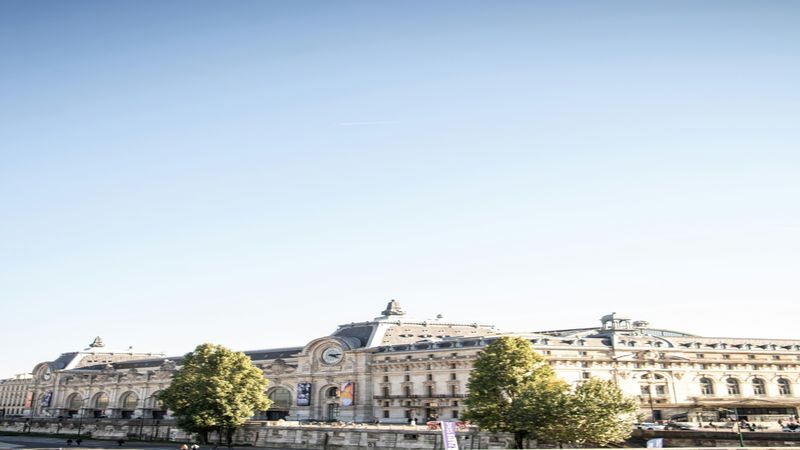
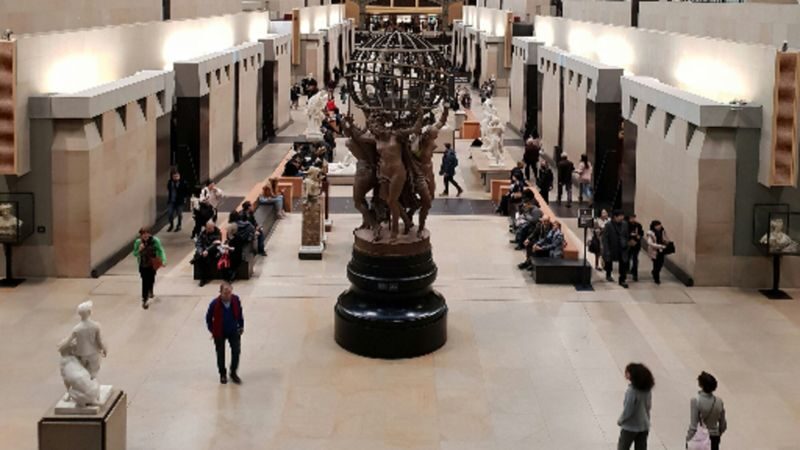
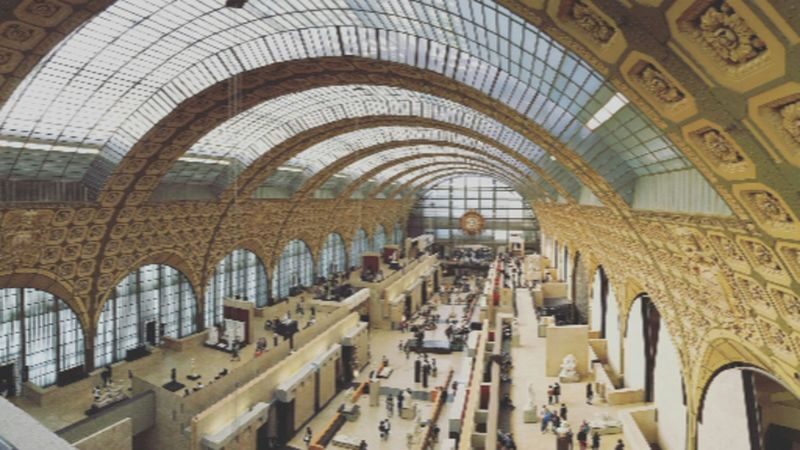
Musée d’Orsay occupies a former railway station at 1 Rue de la Légion d’Honneur, on the Left Bank. That history gives the visit a different feel from a conventional museum: the building’s generous scale and distinctive architecture are part of what you came to see.
The collection focuses on art from the 19th and early 20th centuries, with particular strength in Impressionism and Post-Impressionism. If names such as Monet, Renoir, Degas, Cézanne and Van Gogh are on your Paris list, this is a chance to meet their work in person rather than through reproductions.
It is also a useful museum for a first introduction to this period. You do not need an art-history degree or a guide to enjoy it. Take the time to look carefully, notice how works differ, and follow whichever rooms catch your eye. The ticket does not provide a guided tour, so you set the pace and choose the order.
You can also read our reviews of more tours and experiences in Paris



Start with the building, then find your route
Allow two to three hours for a substantial visit, though you may want longer if you like to read labels, take breaks or see a temporary exhibition. There is no listed fixed itinerary. That freedom is handy, but it also means you will need to make your own plan rather than follow a guide from room to room.
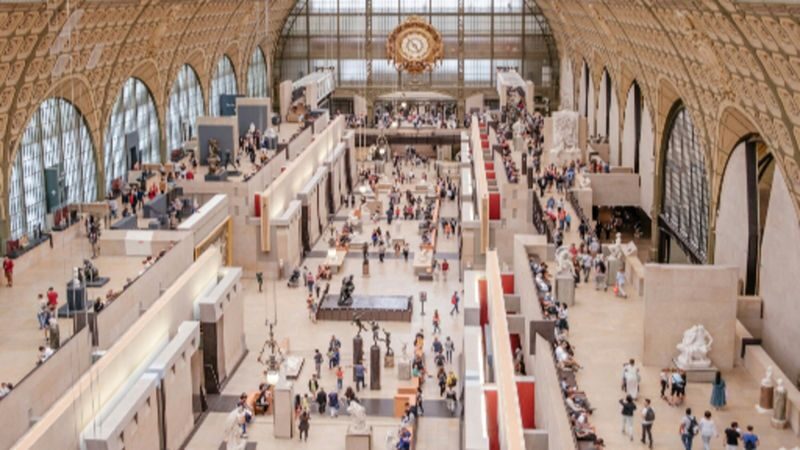
Begin by getting your bearings inside the station’s large interior. The architecture provides a strong sense of place before you even settle into the galleries. Then work through the collection at a pace that suits you. You can pause over familiar paintings, move on when a room is crowded, or spend extra time with sculpture and decorative arts.
The permanent collection is the main draw, but your admission also covers temporary exhibitions. Their subjects change, so check what is showing around your visit if you want to give them time. A temporary exhibition can add a different perspective, but it may also make a two-hour visit feel rushed if you try to see every room.
One practical point: admission does not mean you can leave and come back later. Re-entry is not allowed, so plan any meal or longer break before you exit. There is a café inside, but it can be busy, particularly in the afternoon. If you hope to sit down there, build in flexibility rather than relying on a quick, empty table.
The paintings: famous names, real looking
The concentration of Impressionist and Post-Impressionist work is the museum’s central appeal. You can see works by Monet, Renoir, Degas, Van Gogh and Cézanne, among others. For many people, getting close to paintings they have known from books or screens is the most memorable part of the visit.
Try not to turn the collection into a checklist. Choose a few artists or works you most want to see, then leave room to be surprised by something less familiar. A self-paced visit lets you linger, and that matters: you can look at a painting for more than the few seconds it takes to photograph it.
The collection also reaches beyond painting. Sculpture, decorative arts and early photography add variety and help make the visit worthwhile even if you are not focused on one artist. If you have limited time, prioritize the painters you care most about, then explore another section if your energy holds.
Crowds can change the mood of a gallery. Afternoon visits may feel busy, and a café can be packed at the same time. If a work is surrounded, you can move to another room and return later. The ticket offers a self-paced visit, not an empty museum, so some patience is part of the bargain.
Find the clock windows
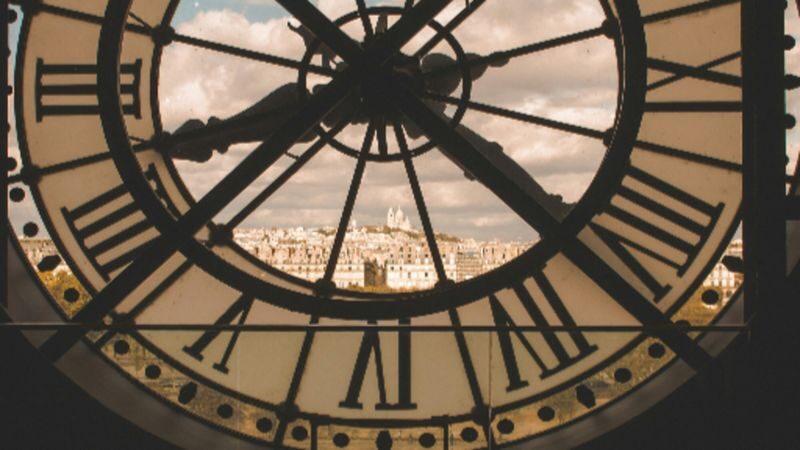
Do not leave without seeking out the museum’s iconic clock windows. They frame views over the Seine and give you a striking perspective on Paris. The windows are a visual pause between galleries, and they make the building’s railway-station past especially clear.
They are also a practical point to build into your route. If you are moving briskly from one famous painting to the next, it is easy to miss a detail that is not on your art checklist. Take a moment to look out, then return to the collection.
The view is a bonus, not a separate attraction with its own admission. It is included in the museum visit, and it works best as a short break rather than the whole reason to buy a ticket.
What the ticket includes, and what it does not
The entry ticket includes admission to Musée d’Orsay and access to its galleries and exhibitions. It is a self-guided visit: there is no guide named or included, and you will need to plan your own route. You also arrange your own transport and meals.
The listed starting price is from $45.05, but the value depends on what kind of entry you actually receive. The museum itself can easily fill two or three hours, and the combination of major artworks, additional collections and architecture gives you plenty to see. However, the price alone does not tell you whether this ticket is a better buy than booking directly.
There is a significant uncertainty around the booking and entry terms. The booking process may let you select a time, but that does not necessarily mean you will receive access to a timed-entry line. Some buyers have encountered open-entry tickets instead, as well as barcode problems, tickets that did not work and, in one case, fewer tickets than ordered. Others have found the mobile barcode convenient and entered without buying a ticket on site.
That contrast matters. Do not treat fast-track or timed entry as guaranteed unless your final barcode and ticket terms clearly confirm it. The instructions say a separate barcode will be sent by email, so check both your inbox and spam folder before setting out. Make sure the number of tickets is correct and that the barcode is actually present.
The listed rating is 3.6 out of 5 from 12 ratings, a modest score for a world-famous museum ticket. The museum’s collection is not the source of the concern; the risk is the third-party ticket delivery and whether the access offered matches what you thought you booked. If the price is substantially above the museum’s own option, compare carefully before paying.


Choosing a time and getting there
The museum is at 1 Rue de la Légion d’Honneur, 75007 Paris. The location details also give Esplanade Valéry Giscard d’Estaing as the address for the venue. For the Metro, take Line 12 to Solférino, use the Rue de Bellechasse exit and walk about five to seven minutes.
Several buses stop near Quai Anatole-France: routes 63, 68, 69, 73, 83, 84, 87 and 94. Check the route that best fits your starting point, as the listing does not give journey times.
The stated hours are Tuesday through Sunday, 9:30 a.m. to 6 p.m., with last admission at 5 p.m. On Thursday, the museum stays open until 9:35 p.m., with last admission listed at 9 p.m. It is closed Mondays, May 1 and December 25. Hours and closure dates can change, so check the museum’s official website before your visit.
The ticket is valid only for the date selected, even though some buyers have described receiving open-time tickets. That is another reason to read the barcode and entry instructions closely. Late arrivals and no-shows are not refunded, and the booking is non-cancellable and non-refundable.
Who should choose this visit?
This is a strong fit if you want to see Impressionist and Post-Impressionist art without joining a guided group. It suits first-time visitors who want a manageable introduction to 19th- and early 20th-century art, as well as returning museum-goers who already know which artists or exhibitions they want to focus on.
You may also like it if architecture is part of your idea of a museum visit. The former station and the clock windows give you more than a sequence of gallery rooms, and the self-paced format lets you take those details in without keeping up with a group.
It is less suitable if you expect a guide, a guaranteed fast lane or a tightly scheduled tour. It may also be a poor choice if a booking problem would seriously disrupt a packed Paris itinerary. The group size is listed as one to 15, but this is an admission ticket, not a guided group experience.
The venue is wheelchair- and stroller-accessible. Participants must be at least four years old; child seats are not available. Pets are not allowed, except service animals with valid identification. Infants must not sit on laps.
Should you book it?
Book Musée d’Orsay for the art and the building. The collection, the chance to see major works by Monet, Renoir, Degas and Van Gogh, and the clock-window views make it one of Paris’s most rewarding museum visits. Give yourself at least two to three hours and arrive with a short list of priorities, but leave space to wander.
Be more cautious about this particular ticket. If you choose it, verify the separate barcode, ticket quantity and entry conditions before leaving for the museum. Do not assume that a selected time guarantees timed access or that the ticket will provide a faster line. If those points are unclear, compare the museum’s official booking option before committing, especially because this ticket cannot be cancelled or refunded.
Musee d’Orsay ticket
“If you only have time for one art museum in Paris, make it the Musée d'Orsay. world's finest collection of Impressionist and Post-Impressionist mas…”
FAQ
How long should I allow for Musée d’Orsay?
Plan about two to three hours. You may want longer if you intend to see the temporary exhibitions or spend extra time in the galleries.
What does the entry ticket include?
It includes admission to Musée d’Orsay and access to its galleries and exhibitions.
Is a guide included?
No guide is listed. This is a self-paced entry ticket.
Which artists can I expect to see?
The collection includes works by Monet, Renoir, Degas, Cézanne and Van Gogh, among other artists.
What are the museum’s opening hours?
The stated hours are Tuesday through Sunday, 9:30 a.m. to 6 p.m. On Thursday, it is open until 9:35 p.m. Last admission is listed as 5 p.m. on regular days and 9 p.m. on Thursday. Check the official website for updates.
Is Musée d’Orsay open on Mondays?
No. It is listed as closed on Mondays, as well as May 1 and December 25.
How do I get to the museum by Metro?
Take Metro Line 12 to Solférino, exit at Rue de Bellechasse and walk about five to seven minutes.
How do I enter with this ticket?
Present the mobile barcode sent separately by email. Check your inbox and spam folder for it before your visit.
Can I leave the museum and return later?
No. Re-entry is not allowed after you leave the venue.
Can I cancel or change my booking?
The ticket is non-refundable and cannot be cancelled. To change booking details, the stated policy is to cancel the original booking and make a new one, though no refund is available for cancellations.