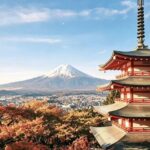
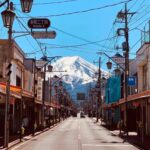
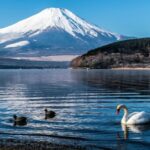
Mount Fuji is the star, but this tour’s appeal is the variety of ways you frame it: above a five-story pagoda, at the end of a town street, behind a convenience-store sign, or reflected in a spring. It is a full day of familiar postcard views, with several stops that are easy to reach from Tokyo only if you have your own wheels.
I like the small group of 4 to 9 and the mix of natural scenery and everyday Japanese street scenes. I also like that you get time on your own at the stops, rather than being led around every corner with a flag and a whistle.
The trade-off is a long day with a tight schedule and traffic-sensitive timing. Fuji can also hide behind clouds, and the trip may change its order or shorten stops to keep within Japan’s vehicle-time rules.
- The best parts at a glance
- A Tokyo start and a long Fuji day
- Arakurayama Sengen Park and the 397 steps
- McDonald’s with Fuji in the background
- Oshino Hakkai’s clear spring pools
- Oishi Park or the maple corridor
- Lawson and the final Fuji photo
- What the price covers, and what it does not
- Practical details before you book
- Who should book this Fuji photo tour?
- FAQ
- Where does the tour depart from?
- What time does the tour return to Tokyo?
- How many people are in the group?
- Which stops are included?
- Is food included?
- Is Mount Fuji guaranteed to be visible?
- Can I bring luggage?
- What is included in the price?
- The Best Of Fujiyoshida!
- More Tours in Fujiyoshida
- More Tour Reviews in Fujiyoshida
- Not for you? Here's more nearby things to do in Fujiyoshida we have reviewed
The best parts at a glance
 1 / 10
 2 / 10
 3 / 10
 4 / 10
 5 / 10
 6 / 10
 7 / 10
 8 / 10
 9 / 10
 10 / 10
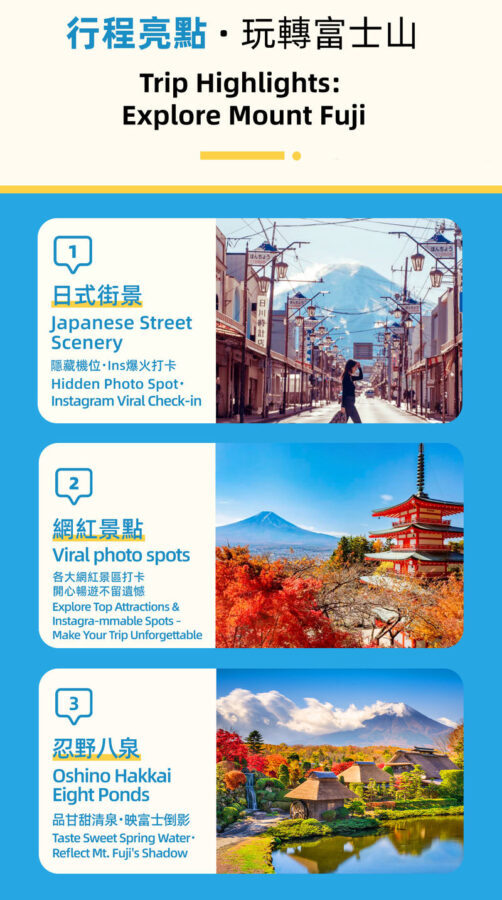
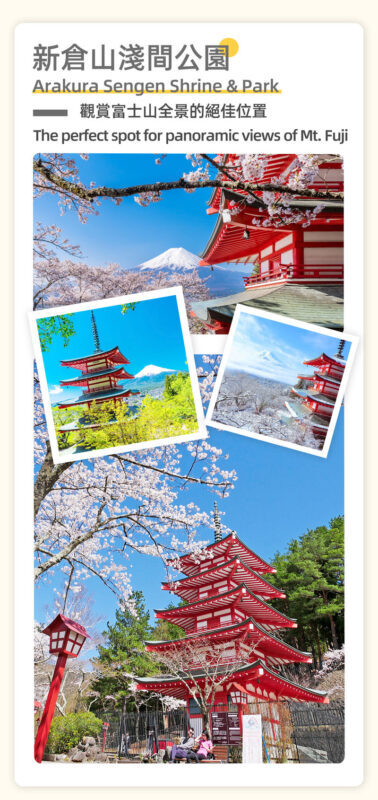
- Arakurayama Sengen Park: Climb 397 steps for the classic pagoda, town and Fuji view, weather permitting.
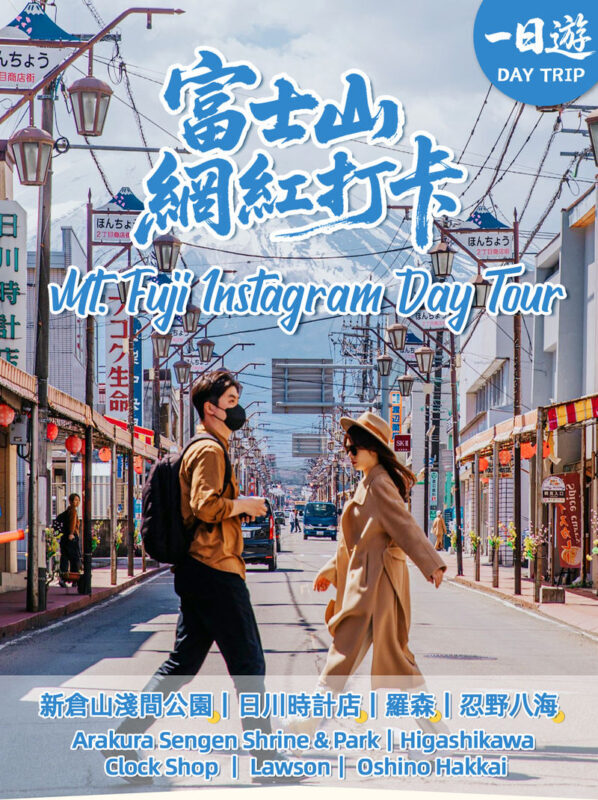
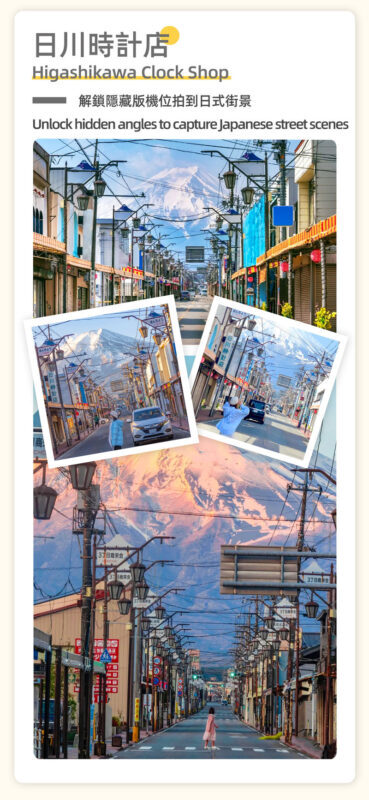
- Hikawa Clock Shop street: A straight road points toward the mountain, making an ordinary town street an unusually good photo setup.
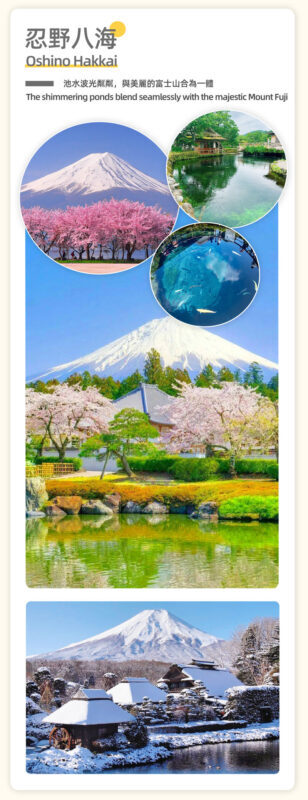
- Oshino Hakkai: See clear spring pools formed by Fuji snowmelt, with time for snacks nearby.
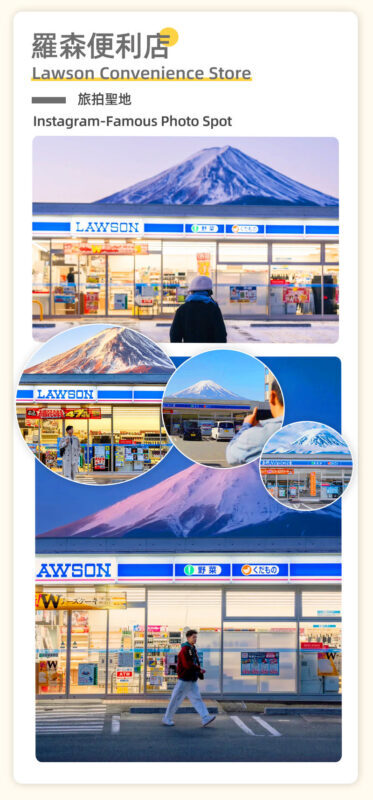
- McDonald’s and Lawson: Two everyday stops become photo subjects when Fuji sits behind the golden arches or convenience-store sign.
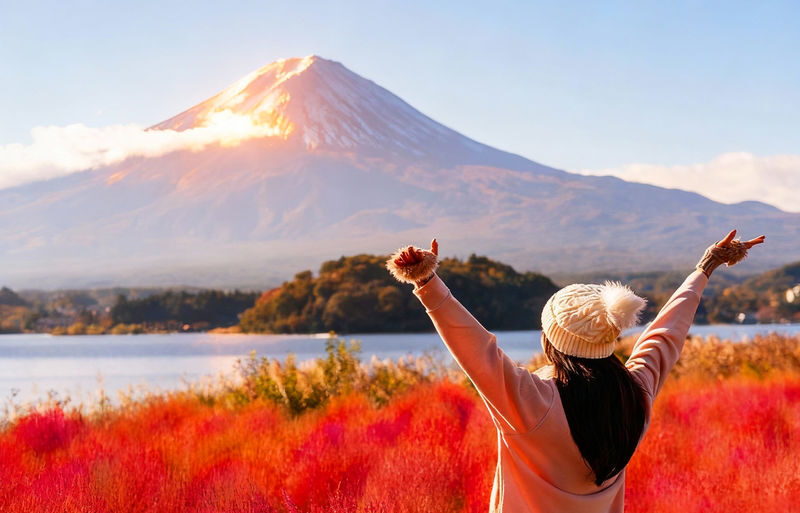
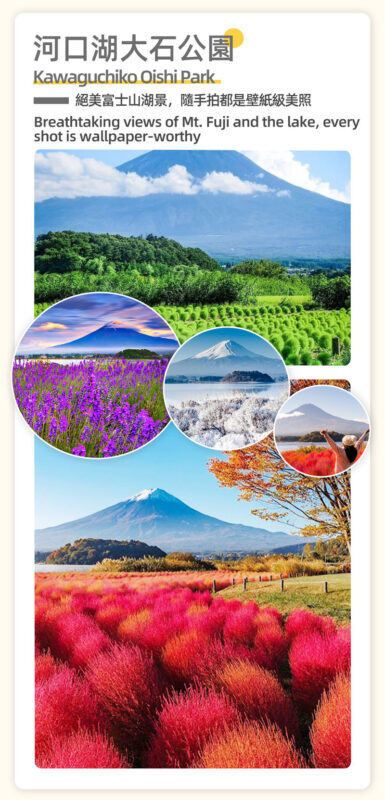
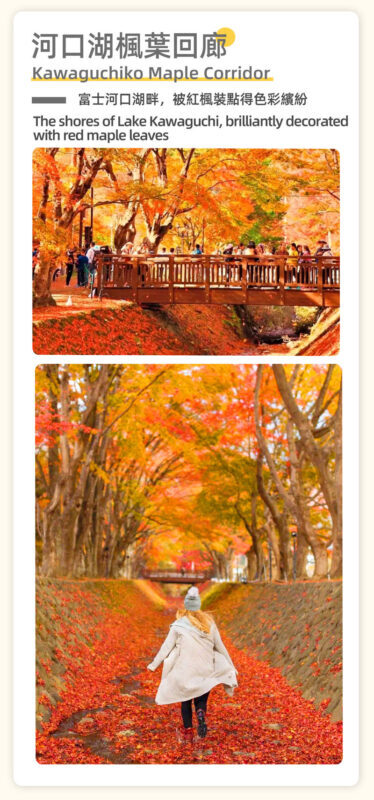
- Kawaguchiko’s seasonal colors: Oishi Park brings lavender in summer and red kochia in autumn; a maple corridor may replace it in fall.
- Tokyo round-trip transport: Toll, parking and fuel costs are included, so you can cover several spread-out stops without arranging a rental car.

👉 See our pick of the 3 Best Tours In Fujiyoshida
A Tokyo start and a long Fuji day
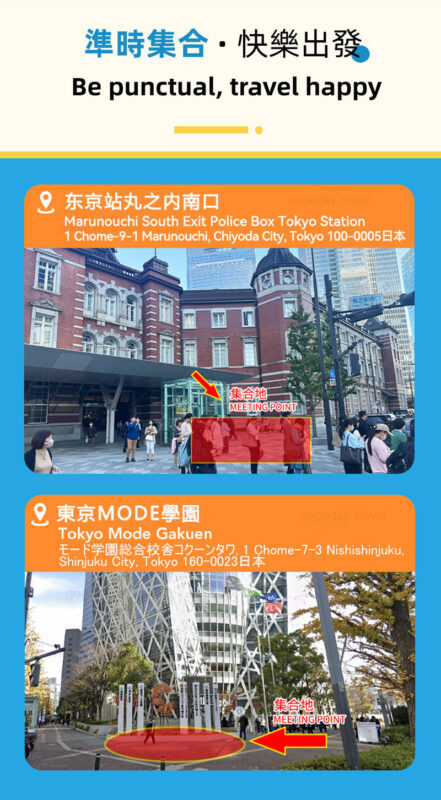
The tour leaves from Tokyo Station’s Marunouchi South Entrance at 8:00 a.m. Arrive at least 10 minutes early. This is a shared ride, and late arrivals or no-shows are not refunded, so do not cut the timing close.
The drive to the Fuji area is a substantial part of the day. The schedule puts the first stop at about 10:40 a.m., but traffic can alter both arrival and return times. The stated return is around 6:00 p.m. at Tokyo Station’s Marunouchi South Exit; the return journey is expected to begin at 4:00 p.m., and the actual arrival may vary.
A driver-guide is included, with English- and Chinese-speaking guide options. The tour information also describes trilingual support in Chinese, English and Japanese. Guide assignments can change. Guides named in past trip feedback include Liu, Hou Jing and Ron, but you should not book on the assumption that a particular person will lead your departure.
At its best, a small group gives you a little more room to ask for a photo angle or clarify the next meeting point. One practical concern is that a past departure had a serious wait for the vehicle and guide. Check the detailed email sent the evening before, including the vehicle information, meeting point and any revised start time. The email may land in your spam folder.
You can also read our reviews of more tours and experiences in Fujiyoshida.


Arakurayama Sengen Park and the 397 steps
Arakurayama Sengen Park is the signature stop for many people: the familiar view of Mount Fuji above a five-story pagoda, with the town below. The schedule allows about 1 hour and 10 minutes for this stop, and it is self-guided, so you can choose your pace and make your own way to the viewpoint.
The catch is the stair climb. The route is described as 397 steps, which can feel like a lot when you are trying to reach a view, take photos and still return on time. Wear shoes you can comfortably walk and climb in, and leave enough time to get back to the vehicle. The park is not recommended for people with certain serious medical conditions or mobility limitations.
Fuji visibility is never guaranteed. A clear day can make the pagoda-and-mountain composition memorable; cloud or poor weather can obscure the peak. The tour runs as scheduled even if seasonal flowers or other ideal viewing conditions are not at their best.
The route information also describes Hikawa Clock Shop, known as the Stairway Town photo spot, as an alternative or related stop near Arakurayama. The road in front of the shop points toward Fuji, creating a more everyday street scene than the pagoda view. The order and exact combination of these stops may depend on the day’s schedule, so check the final itinerary rather than assuming you will have unlimited time at both.
McDonald’s with Fuji in the background
The route includes a 20-minute stop at McDonald’s on National Route 139 in Fujiyoshida. The idea is simple and knowingly playful: frame a burger or the golden arches with Mount Fuji behind it. If Fuji is visible, the contrast between a familiar fast-food sign and Japan’s most recognizable mountain makes for a distinctive photo.
This is a brief stop, not a meal break. Food and drinks are not included, and 20 minutes is not much time to order, eat and take pictures. Treat it as a quick photo opportunity, and do not count on it as your main lunch.
The tour’s stops at McDonald’s and Lawson are part of its social-media angle, but you do not need to be chasing likes to enjoy them. They show how the mountain appears in ordinary town life, not just in formal parks and scenic overlooks.
Oshino Hakkai’s clear spring pools
Oshino Hakkai is the tour’s strongest change of pace after the roadside photo stops. Its eight spring pools are fed by snowmelt from Mount Fuji, and the water is known for its clarity. The schedule gives you about 1 hour and 10 minutes to walk around on your own.
This is a place to slow down, look closely at the water and enjoy the village setting. Snacks are available nearby, though meals are not part of the tour price. If you want a proper lunch, plan ahead and ask what food options fit the schedule; do not assume a meal is included.
The route description suggests wearing a kimono for photos, but that is an idea, not an included activity or rental. With limited time, you may prefer to focus on the pools, take a few pictures and leave room to browse for a snack.
Oishi Park or the maple corridor
At around 2:30 p.m., the schedule allows about 40 minutes at the Kawaguchiko-area seasonal stop. Most of the year, that means Oishi Park, where summer lavender and autumn kochia provide color with Fuji and Lake Kawaguchiko in view.
In the fall, the tour may instead visit a maple corridor. The information gives two different date ranges for this seasonal switch, so do not rely on a fixed calendar window. The day’s route and the condition of the foliage can affect which location is used. The maple corridor is not visited in addition to Oishi Park.
This is a short stop, especially if you want to walk around, take pictures and wait for a clear view of Fuji. The park is worth seeing for its seasonal plants, but it is not a long lakeside outing. Flowering and foliage depend on weather, and the tour still departs even if the colors are early, late or less striking than hoped.


Lawson and the final Fuji photo
The final scheduled photo stop is Lawson Kawaguchiko Station, with about 20 minutes to take pictures. From across the street, you can line up the store sign and Mount Fuji so the peak appears to rise just above the roof. It is a popular composition, though you will be sharing a public area and should be thoughtful about traffic and other people.
The stop is quick and the familiar convenience-store setting is part of the joke. You are not visiting a traditional shrine or quiet viewpoint here; you are making a playful image from a daily Japanese scene. If you have already taken several Fuji photos, this gives you a different, less formal final frame.
What the price covers, and what it does not
The meeting-point option starts at US$70.95. Hotel pickup starts at US$82.79. The lower fare includes round-trip transport from Tokyo, tolls, parking and fuel, plus a professional driver-guide. For a day that covers several locations spread across the Fuji area, that can be good value compared with arranging transport independently.
Meals, drinks and personal purchases are extra. The McDonald’s stop is short, and Oshino Hakkai has snack options, but no meal is included in the standard package details. A past trip raised concerns about a separate lunch add-on and what its allowance covered. If you are offered any extra meal package, confirm exactly what is included and the yen amount before paying.
The shared ride is also a compromise. You get a planned route and transport, but not the freedom to linger wherever the mountain looks best. The operator can adjust stop order or shorten the itinerary because of traffic, weather, or the legal limit on vehicle operating time. It says adjustments are made without removing attractions where possible, but the day’s conditions matter.
Practical details before you book
The day-before email is important. It is sent in the evening, usually between 6:00 and 10:00 p.m., with guide and vehicle details. During busy periods it may arrive later. Check your inbox and spam folder, and use the most recent message if more than one arrives.
You may bring one standard-sized piece of luggage, but you must note it in the booking’s special requests. If you show up with luggage that was not reported in advance, you could be refused boarding, with no refund. Children count as passengers and pay the adult rate; anyone aged 17 or younger must be accompanied by a paying adult.
The activity is not recommended for pregnant people or those with high blood pressure, epilepsy, heart disease, asthma, other serious medical conditions, or disabilities. Severe weather can change operating hours or cancel activities, and staff may ask you to stop outdoor activity for safety. The stated cancellation terms allow a full refund if you cancel at least 24 hours before the activity date, in local time.
Who should book this Fuji photo tour?
I would choose this trip if you have one day in Tokyo to see several Fuji-area highlights and want transport handled for you. It suits photographers, first-time visitors and anyone who likes a mix of mountain views, village scenery and slightly silly convenience-store pictures. The small group size is a useful middle ground between a large coach outing and the cost of a private tour.
I would look elsewhere if you want a slow day, a long lunch, or plenty of time at one particular viewpoint. Fuji’s weather is beyond anyone’s control, and this itinerary packs in many stops. Book it for the range of settings and the convenience, not for a guarantee of perfect skies or leisurely visits.
Mount Fuji’s Top 5 Instagram-Worthy Spots: Exclusive Small Group Tour (4-9 People)
“Ron is a great driver and guide. He took care of all our needs during the trip. Please extend our thanks and appreciation to him.”
FAQ
Where does the tour depart from?
The meeting-point package departs from Tokyo Station’s Marunouchi South Entrance at 8:00 a.m. Arrive 10 minutes early. The hotel-pickup package has a different pickup arrangement, with the specific time sent by email.
What time does the tour return to Tokyo?
The stated return is around 6:00 p.m. at Tokyo Station’s Marunouchi South Exit. Traffic and the day’s progress can change the actual timing.
How many people are in the group?
The tour is advertised for small groups of 4 to 9 people.
Which stops are included?
The planned stops include Arakurayama Sengen Park or the Hikawa Clock Shop street, McDonald’s on National Route 139, Oshino Hakkai, Oishi Park or the seasonal maple corridor, and Lawson Kawaguchiko Station. The order or timing can change.
Is food included?
No. Meals and drinks are not included. Oshino Hakkai has snacks nearby, and the itinerary includes brief stops at McDonald’s and Lawson.
Is Mount Fuji guaranteed to be visible?
No. Visibility depends on weather, and the tour runs even if the mountain, flowers or autumn foliage are not at their best.
Can I bring luggage?
You may bring one standard-sized piece of luggage. You need to declare it in the special requests section when booking.
What is included in the price?
The package includes round-trip transfers from the selected pickup point, tolls, parking, fuel and a professional driver-guide. Personal expenses, meals and drinks are extra.