Mount Fuji is the star, but this 10-hour trip gives you several ways to meet it: from the 5th Station in warmer months, from Arakurayama Sengen Park in winter and early spring, and across Lake Kawaguchi’s flower-lined shore. I like the mix of mountain views and hands-on fruit picking, and the short sightseeing-train ride adds a change of pace between bus stops.
I also like that the route changes with the season instead of pretending Fuji looks the same all year. The trade-off is a full schedule with fixed stop times, and the mountain can vanish behind cloud just when you arrive. Check which seasonal route and fruit-picking package you are booking before you pay.
- The useful details at a glance
- A Fuji day built around changing seasons
- Your first Fuji view: 5th Station or Arakurayama
- A brief ride on the Fujisan sightseeing train
- Lunch: optional, but allow for a set stop
- Oishi Park and the flower-lined shore
- Fruit picking: seasonal, hands-on, and variable
- What the .29 starting price buys
- Timing, group size, and useful planning
- Who should book this day trip?
- FAQ
- Does the tour visit Mount Fuji’s 5th Station all year?
- Is fruit picking included in the starting price?
- What fruit can I pick?
- Is lunch included?
- How long is the sightseeing-train ride?
- Where does the tour meet and return?
- What happens if the weather or traffic changes the schedule?
- More 1-Day Tours in Fuji
- More Tours in Fuji
- More Tour Reviews in Fuji
- Not for you? Here's more nearby things to do in Fuji we have reviewed
The useful details at a glance
 1 / 10
 2 / 10
 3 / 10
 4 / 10
 5 / 10
 6 / 10
 7 / 10
 8 / 10
 9 / 10
 10 / 10
- The mountain stop changes by season: From April 26 to November 30, the tour goes to Fuji Subaru Line 5th Station. From December 1 to April 25, it visits Arakurayama Sengen Park instead.
- The train ride is short: The included Fujisan sightseeing-train ticket covers a brief ride, not a long rail excursion.
- Oishi Park is the flower-and-Fuji photo stop: Seasonal blooms frame Mount Fuji across Lake Kawaguchi, when the weather cooperates.
- Fruit depends on the calendar: Strawberries, cherries, peaches, and grapes are scheduled at different times of year.
- The starting price may not cover fruit picking: Check the package details. The basic option excludes the fruit-picking ticket.
- The day is tightly timed: Traffic, weather, and crowds can change the schedule, and the operator may adjust or shorten stops.
A Fuji day built around changing seasons
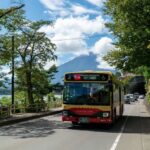
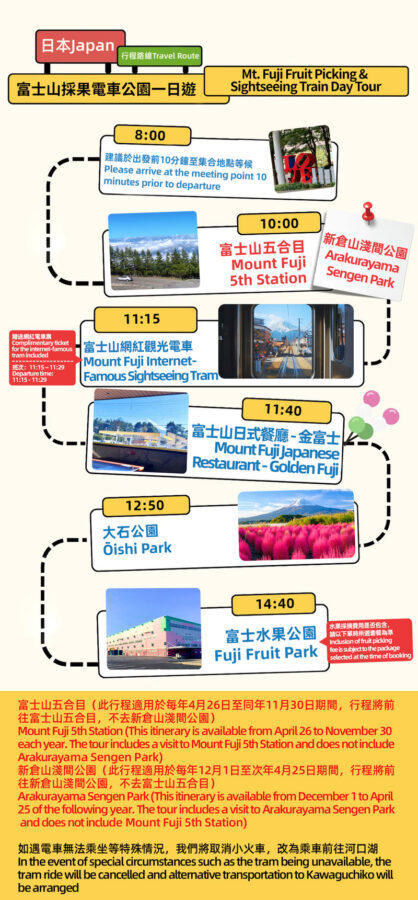
This outing strings together five distinct experiences in the Fuji Five Lakes area: a mountain viewpoint, a scenic train, lunch, Oishi Park, and a fruit farm. It departs from Tokyo at 8:00 a.m. and is scheduled to return around 6:00 p.m. The appeal is variety. You get a high viewpoint, lakeside scenery, flowers, and a taste of Yamanashi’s farming culture in one day without arranging separate buses and tickets yourself.
That convenience comes with a familiar group-tour bargain: you trade control over the pace for a simpler route. The group can range from 4 to 49 people, with smaller parties typically served by a driver-guide and larger groups by a driver and a guide. The actual vehicle depends on group size, from a van to a bus.
The guide can make a real difference. Sherry, Xiao Wu, Zhan Jie, and Liu are among the guides praised for clear explanations, kind assistance, and help with family photos or practical problems. But guide assignment varies, and the service should not be treated as a private guide guaranteed to deliver detailed commentary at every stop. Some outings work more like transport between attractions, with a time and meeting place for you to remember.
You can also read our reviews of more tours and experiences in Fuji


Your first Fuji view: 5th Station or Arakurayama
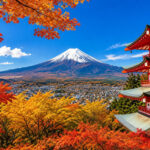
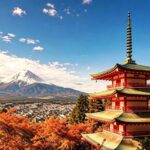
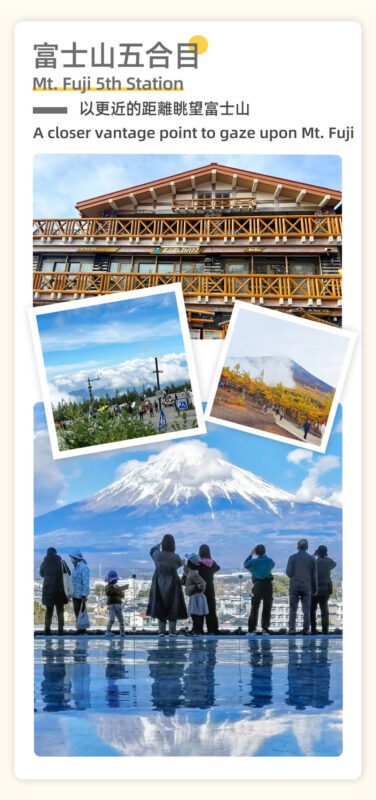
From April 26 through November 30, the tour heads to Fuji Subaru Line 5th Station, at about 2,305 meters above sea level. It is a striking place to see the mountain close up, and on a clear day you may also look over the surrounding area and Lake Kawaguchi. The altitude gives this stop a different feel from the lakeside views later in the day.
The advertised visit is about an hour, but the actual time can be shorter if traffic or crowds disrupt the schedule. Some outings have allowed only around 25 to 40 minutes, enough for a quick look, photos, and perhaps a browse in the shops, but not necessarily all three at a leisurely pace. Keep your priorities simple: decide whether the view, a shrine visit, or shopping matters most, then head back to the meeting point on time.
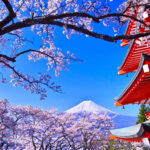
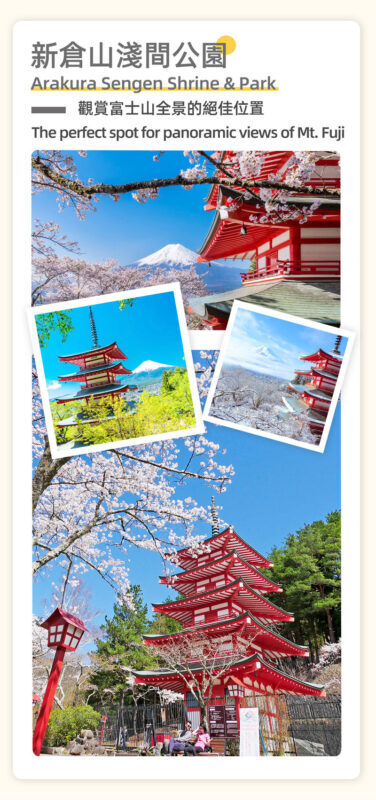
From December 1 through April 25, Arakurayama Sengen Park replaces the 5th Station. The signature view frames Mount Fuji with the town below, and the park changes character with the season. Reaching the well-known viewpoint involves climbing 397 steps, so it is worth considering your comfort with stairs before booking. The route is not recommended for people with impaired mobility, pregnant women, or people with certain health conditions.
Neither stop guarantees a clear view. Fuji can be hidden by cloud or rain, and a mountain outing does not come with a weather switch. If the summit is obscured, the day still includes flowers, the train, and fruit, but the central attraction may be less dramatic than you hoped.
A brief ride on the Fujisan sightseeing train
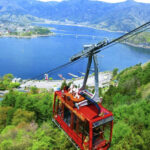
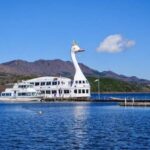
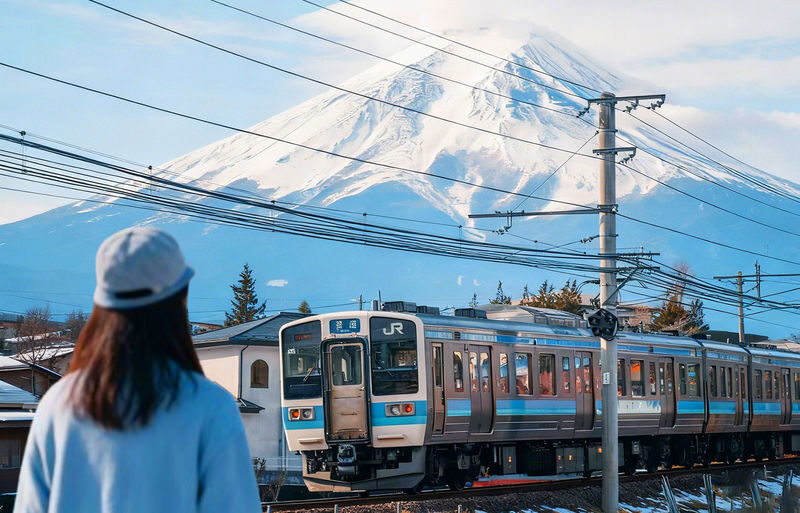
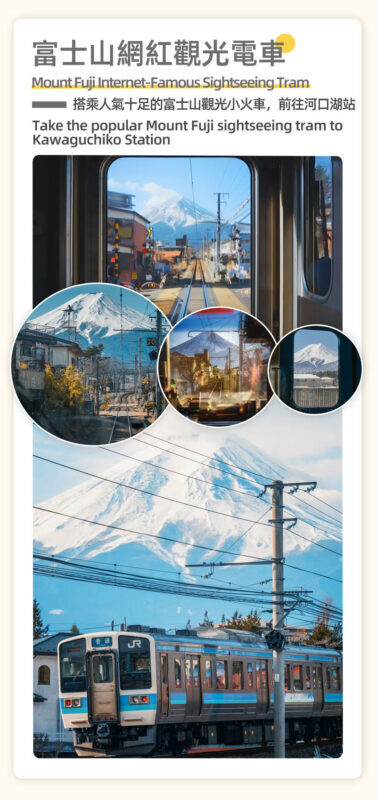
The train connects Shimoyoshida Station with the Kawaguchiko area, giving you a short stretch of local rail travel between bus visits. The itinerary describes a ride of roughly six minutes between Shimoyoshida and Fujisan Station, while the broader tour description refers to a longer ride toward Kawaguchiko. Treat it as a brief scenic interlude rather than a major rail journey; the exact segment may depend on the day’s arrangements.
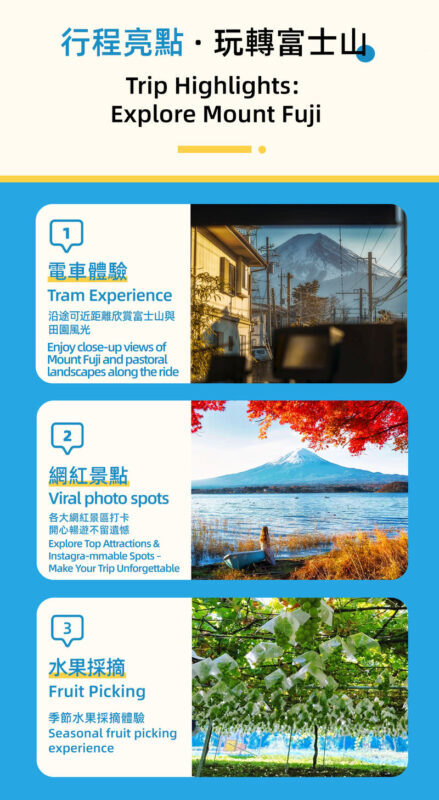
The attraction is the shift in viewpoint. Instead of watching Mount Fuji through a coach window, you get a little time on a train with rural scenery and, if conditions are clear, views of the mountain. The included ticket saves you from arranging that piece yourself, though the ride is too short to carry the day on its own.
The train stop is self-guided, so follow the guide’s instructions closely and be ready to board and get off promptly. Don’t expect a long introduction or an extended ride. The value is in adding a local transport experience to a day otherwise shaped by road transfers.
Lunch: optional, but allow for a set stop
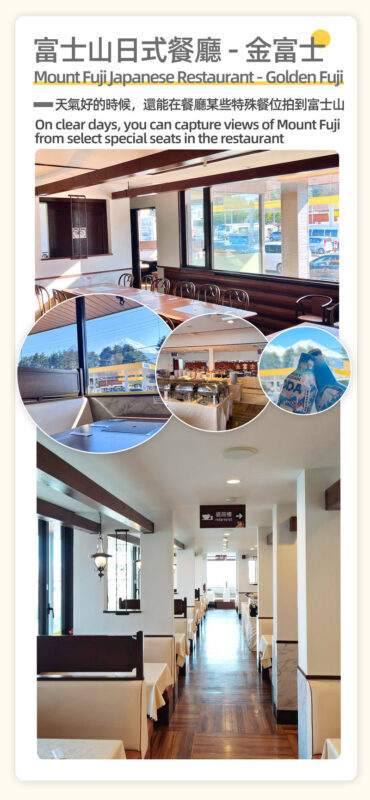
Lunch is not included. The schedule allows about 50 minutes, and the tour information says you may choose a meal or buy food at a nearby convenience store. A Japanese set meal is suggested at a restaurant where some seats may offer a Mount Fuji view in clear weather.
There is a practical wrinkle: the lunch stop may feel more structured than the word optional suggests. Some outings have used a designated restaurant and included time in a souvenir shop, which can limit the sense of choosing any nearby place you like. You are not required to buy lunch, but it is sensible to arrive with modest expectations about how much freedom the stop allows.
Bring a little extra time and patience for this part of the day. If you are particular about food, or want to avoid a rushed meal, consider the convenience-store option. Meals and drinks are personal expenses, and the timing may shift with traffic.
Oishi Park and the flower-lined shore
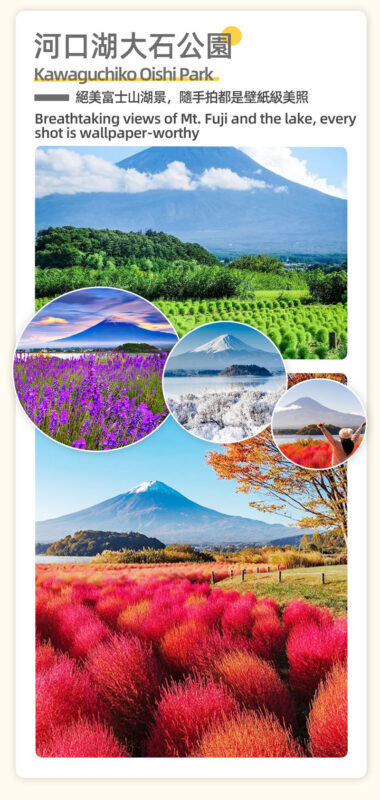
Oishi Park sits beside Lake Kawaguchi and is known for its Flower Street, where seasonal blooms make a foreground for Mount Fuji. Lavender and tulips are among the flowers named for the route, though the exact display depends on the time of year and the growing season. On a clear day, this is the classic postcard composition: flowers in front, lake nearby, Fuji beyond.
The tour allows about an hour here, a welcome pause after the bus and train. You can walk, take photos, and enjoy the lake view without needing a separate activity ticket. If photography is your priority, use the time well and take your Fuji shots early; clouds can roll in or shift while you are there.
Flower timing is never exact. A warm or cool season can bring blooms forward or delay them, so a visit during a named flower period is not a promise of peak color. The park is still worthwhile for its lakeside setting, but book for the full day rather than for one particular flower display.


Fruit picking: seasonal, hands-on, and variable
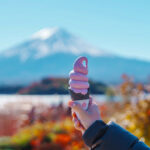
The final major stop is Yamanashi Fuji Fruit Park, with about an hour scheduled for the visit. The fruit changes through the year: strawberries from late December to early May, cherries in June, peaches in July, and grapes from August through late November. Apples or oranges may also be available depending on the season.
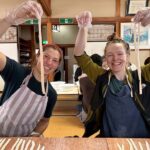
Picking fruit by hand is a pleasant change from sightseeing. It gives children a simple activity and lets you sample produce associated with Yamanashi, rather than just seeing orchards from the road. Grapes, peaches, and strawberries have all featured in successful outings, but fruit quality and the exact activity can vary with the crop and farm conditions.
Read the package carefully. The basic option excludes the fruit-picking ticket, while another option includes it. The listed starting price of $49.29 is therefore not a safe assumption for the full fruit-picking experience. The farm’s admission or picking charge is otherwise not included, and the available package details should tell you what you are paying for.
Also keep expectations realistic about how much fruit you can pick or eat. Peach outings in particular have sometimes involved a limited number of fruit to pick, and the fruit available for tasting may not all be perfectly ripe. Ask what the selected package includes if fruit picking is the main reason you are booking.
What the $49.29 starting price buys
The base fare includes round-trip transport from the meeting point, tolls, parking, fuel, an English- or Chinese-speaking guide, and the sightseeing-train ticket. For a day with several distant stops, having the transport joined up is the main value. You avoid working out separate connections between the mountain, stations, lake, and fruit farm, and you can rest on the return drive.
The low advertised starting price is not the whole cost if you want fruit picking or lunch. Add the appropriate fruit package, meals, drinks, and personal spending when comparing it with other tours. Prices can also change, so use the amount shown for your date and package rather than treating $49.29 as a fixed all-in fare.
Value depends on what you want from the day. If you want a sampler of Fuji-area highlights with transport handled, the mix can make good sense. If you prefer a long visit at each place, flexible lunch choices, or an in-depth guided walk, the fixed timetable may feel like too much bus and too little time on the ground.
Timing, group size, and useful planning
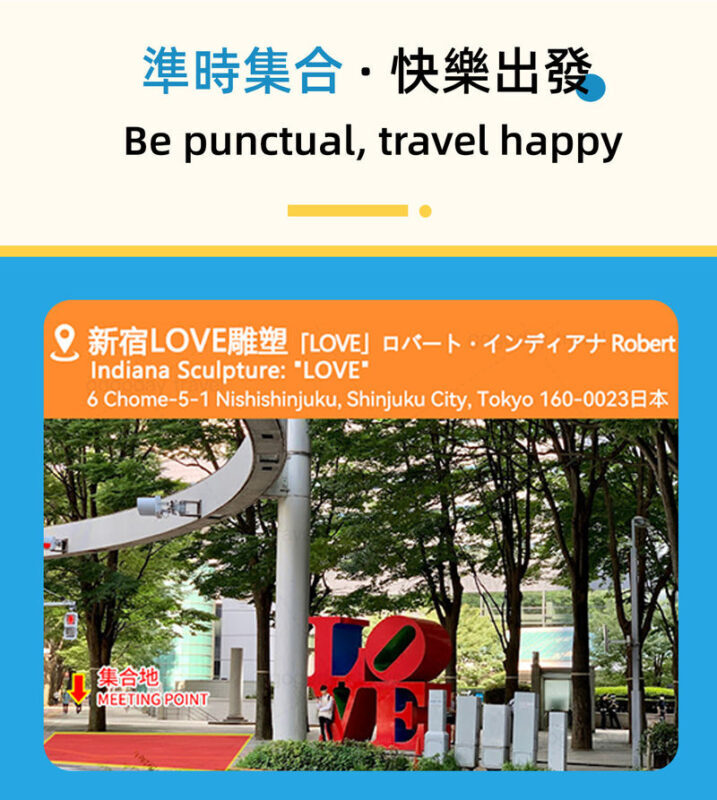
The tour meets at 8:00 a.m. and is scheduled to return to the Shinjuku LOVE Sculpture around 6:00 p.m. Check the meeting point details carefully before departure; the supplier sends guide and vehicle information the evening before, and the latest message should be treated as the current one. Arrive 10 minutes early. The tour leaves on time, and late arrivals or no-shows are not refunded.
Wear comfortable shoes, especially for Arakurayama’s stairs, and bring weather-appropriate clothing. The route includes outdoor stops, and conditions at the high-altitude 5th Station may differ from Tokyo. A small amount of luggage is allowed: one piece per person is free, while extra pieces cost 2,000 yen each and should be declared in advance.
Build no tight evening plans around the scheduled return. The drive back takes about two hours on the itinerary, but traffic and weather can delay the arrival. The operator may adjust or shorten the day’s stops because of road conditions, crowds, or weather. Free cancellation is available with 24 hours’ notice, and changes are allowed until 24 hours before departure, subject to the stated booking restrictions.
Who should book this day trip?
I’d consider this trip if you have one day for Fuji, want a broad sample of the area, and prefer a driver to manage the connections. It suits families and first-time visitors who value variety: mountain views, a short train ride, a lakeside stroll, and seasonal fruit in one outing. The tour can also be a welcome break from Tokyo’s urban pace.
It is less suitable if your main goal is to spend a long time at the 5th Station or Oishi Park, or if a specific fruit harvest is essential to your plans. The weather can hide Fuji, crop timing can change, and stop lengths are not guaranteed. If those limits sound acceptable, choose the package carefully, check the season’s route, and arrive ready for a brisk day.
Mount Fuji, Lake Kawaguchi sightseeing train, fruit picking, and Oishi Park day trip
“The itinerary was great, the tour guide was wonderful, and even though there were only three of us, the service was fantastic!”
FAQ
Does the tour visit Mount Fuji’s 5th Station all year?
No. From April 26 through November 30, the route goes to Fuji Subaru Line 5th Station. From December 1 through April 25, it visits Arakurayama Sengen Park instead.
Is fruit picking included in the starting price?
Not necessarily. The basic package excludes fruit-picking tickets, and an option that includes them is also offered. Check the package you select before booking.
What fruit can I pick?
The seasonal schedule lists strawberries from late December to early May, cherries in June, peaches in July, and grapes from August through late November. Apples or oranges may also be available depending on the season.
Is lunch included?
No. Meals and beverages are not included. The tour suggests a Japanese restaurant, and you may also buy food at a nearby convenience store.
How long is the sightseeing-train ride?
It is a short ride. The itinerary describes about six minutes between Shimoyoshida and Fujisan Station, while the broader description gives a longer segment toward Kawaguchiko. The exact segment may vary.
Where does the tour meet and return?
The return point is listed as the Shinjuku LOVE Sculpture, with arrival scheduled around 6:00 p.m. Confirm the meeting point and vehicle details in the supplier’s message sent the evening before departure.
What happens if the weather or traffic changes the schedule?
Arrival times may change, and the guide may adjust or shorten the itinerary because of traffic, weather, holidays, or crowds. The return may be delayed, so avoid arranging another activity for that evening.