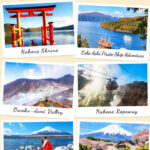
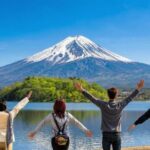
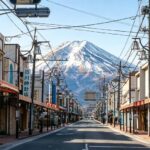
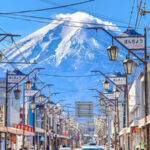
Mount Fuji is the star, but this day trip gives you several different ways to see it: above Fujiyoshida, beside clear springs, across a lake, and beyond the thatched roofs of a recreated village. I like the variety of views and the chance to cover widely spaced sights without planning a complicated route yourself. The trade-off is a tight schedule, with long drives and limited time at each stop.
I also like that the tour pairs famous photo spots with quieter countryside scenes, and that guides such as Sia and Kazi have been praised for clear instructions and helping with photos. But Mount Fuji can disappear behind clouds, and the detailed schedule does not include the Hikawa Clock Shop, despite its appearance in the tour name. Confirm what is planned for your date before booking if that stop matters to you.
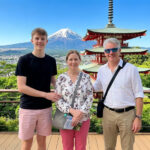
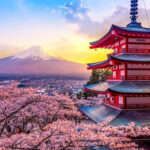
- Arakurayama’s famous viewpoint means a steep climb of 397 steps for the pagoda, Fujiyoshida, and Mount Fuji panorama.
- Oshino Hakkai’s eight springs are fed by snowmelt filtered through Mount Fuji’s natural layers.
- Lake Kawaguchi changes with the season: Oishi Park is the usual stop, while the Maple Corridor is planned for November.
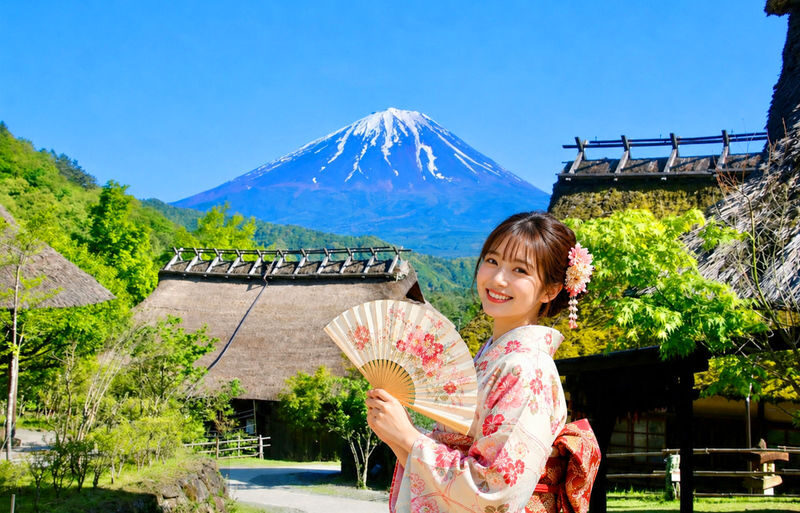
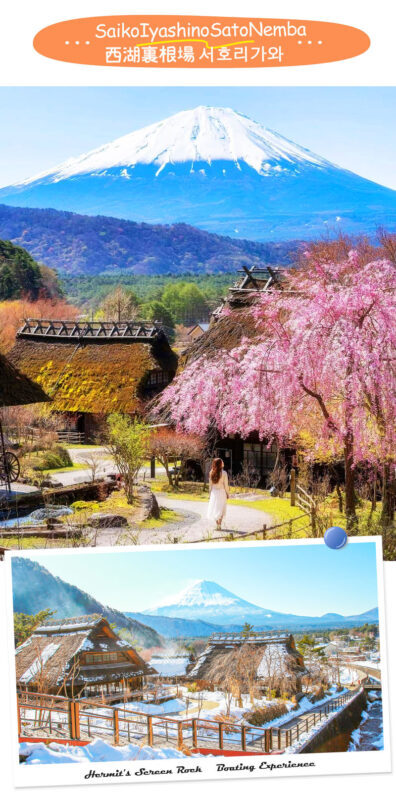
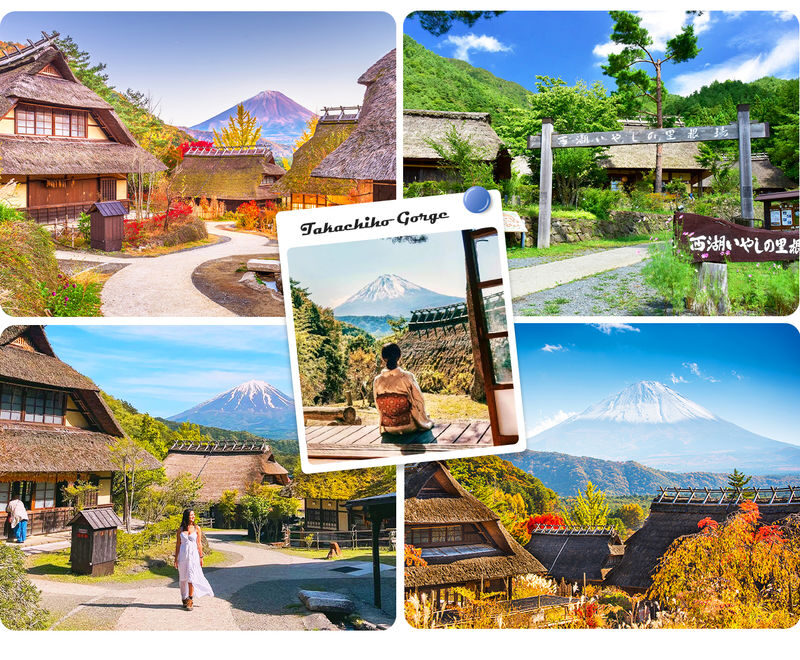
- Saiko Iyashi-no-Sato Nenba recreates a traditional thatched-roof village, with Mount Fuji and Aokigahara Forest in view.
- The day is efficient, not leisurely: each stop has a set time, and traffic can shorten your visits.
- The tour starts in Tokyo and costs from $49.25, with round-trip transport and admission to the traditional village included.
- Four Fuji viewpoints, one long day
- Saiko Iyashi-no-Sato Nenba: thatched roofs and open views
- Oishi Park or the Maple Corridor: choose the season
- Arakurayama Sengen Park: the pagoda view takes effort
- Oshino Hakkai: clear water at Mount Fuji’s foot
- Tokyo pickup, group transport, and the real value
- What can change, and what to check before you go
- Who should book this Mount Fuji day trip?
- FAQ
- How long is the tour?
- Where can I meet the tour?
- Which stops are included?
- Is Mount Fuji guaranteed to be visible?
- Are food and drinks included?
- What is included in the price?
- The Best Of Fujiyoshida!
- More 1-Day Tours in Fujiyoshida
- More Tours in Fujiyoshida
- More Tour Reviews in Fujiyoshida
- Not for you? Here's more nearby things to do in Fujiyoshida we have reviewed
Four Fuji viewpoints, one long day
 1 / 8
 2 / 8
 3 / 8
 4 / 8
 5 / 8
 6 / 8
 7 / 8
 8 / 8
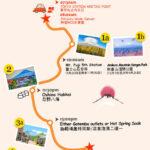
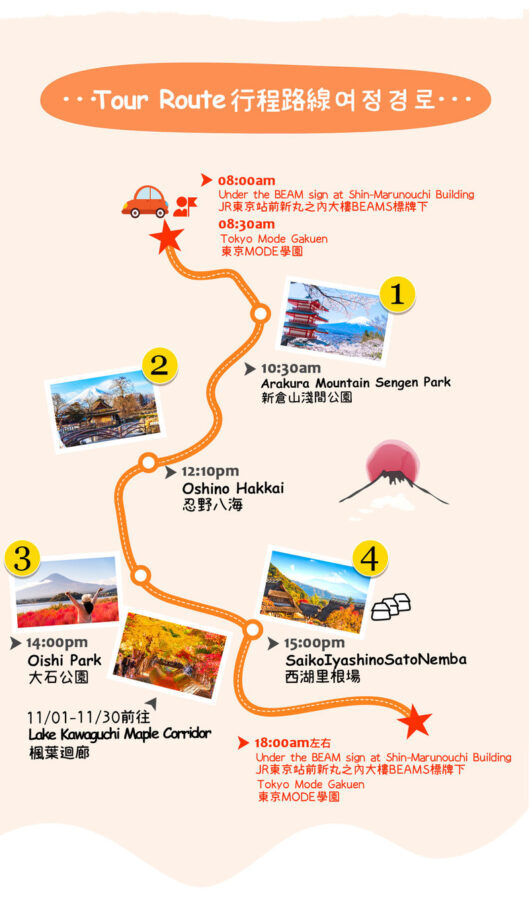
This is a sightseeing sampler rather than a slow country escape. You leave Tokyo in the morning, travel into Yamanashi Prefecture, and make a circuit of stops around the Fuji Five Lakes area before returning to Tokyo. The advertised duration is 9.5 hours, though the return is estimated between 17:30 and 18:30, and traffic can push it later.
The appeal is simple: you do not need to work out bus connections or string together several separate excursions. The driver handles the distance, while you get out for a series of scenic visits. At each stop, you explore on your own, with the guide arranging timing and providing explanations. That suits you if you want an overview and strong photo opportunities in one day.
The compromise is the pace. Even when the day runs smoothly, the stop times are brief for places where you may want to stroll, shop, eat, and photograph the view. Treat the schedule as a set of highlights, not an invitation to linger.

👉 See our pick of the 3 Best Tours In Fujiyoshida
Saiko Iyashi-no-Sato Nenba: thatched roofs and open views
The first listed sightseeing stop is Saiko Iyashi-no-Sato Nenba, a reconstructed traditional village beside Lake Saiko. Its thatched houses and rural setting offer a welcome change from the bus and the more crowded photo stops. The village faces Mount Fuji and the Aokigahara Forest, so it gives the day a quieter, more cultural start.
You have about an hour to explore independently, and admission is included. That is useful here: you can take your time looking around the village rather than paying at the entrance and then rushing to make the next stop. The experience is still self-guided, so do not expect a long, structured tour of each building.
There is one practical caveat. The village can be affected by operating changes, and a past itinerary disruption involved the site being closed on arrival. If it is a must-see for you, check the latest arrangements before departure and be ready for a possible substitute if conditions change. A replacement attraction may be interesting, but it will not necessarily offer the same atmosphere.
You can also read our reviews of more tours and experiences in Fujiyoshida
Oishi Park or the Maple Corridor: choose the season
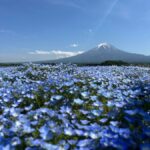
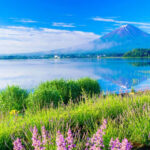
At Lake Kawaguchi, the tour’s planned stop varies by season. Outside the autumn period, you visit Oishi Park. In summer, the park is known for lavender, with the flower beds and Mount Fuji making a classic lake-region view. In autumn, red kochia plants add a different splash of color.
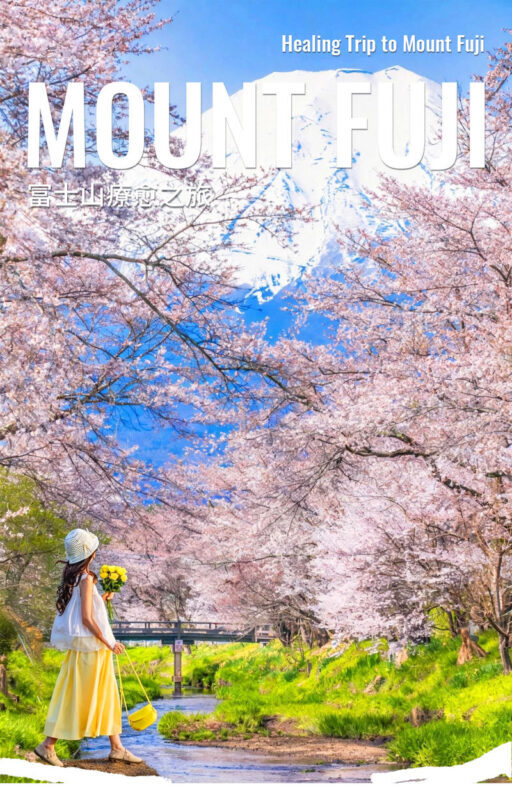
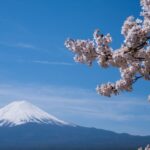
For November 1 to 30, the plan switches to the Kawaguchiko Maple Corridor. This seasonal walk is known for its red maple leaves, with Mount Fuji’s snow-covered summit as a possible backdrop. In spring, the area is also associated with the Fuji Kawaguchiko Cherry Blossom Festival, when the lake, blossoms, and mountain can share the frame. Flower and leaf timing depends on weather, so the date alone cannot guarantee peak color.
The stop is scheduled for about 40 minutes. That is enough for a walk and a few photographs, but not a long lakeside visit. The operator may also adjust or skip attractions because of capacity or weather, so keep your expectations flexible. Fuji visibility is often lower in summer, when clouds can hide the summit.
Arakurayama Sengen Park: the pagoda view takes effort
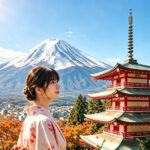
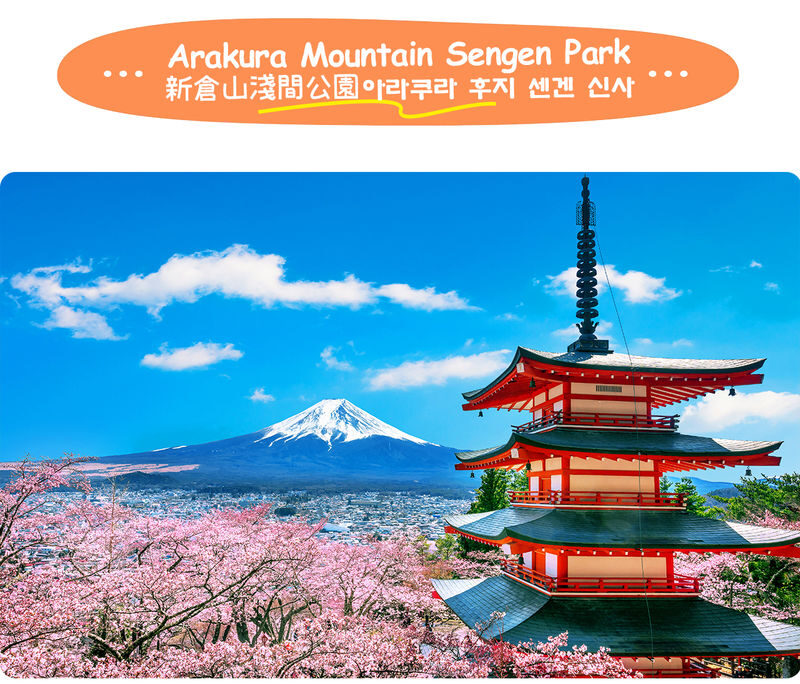
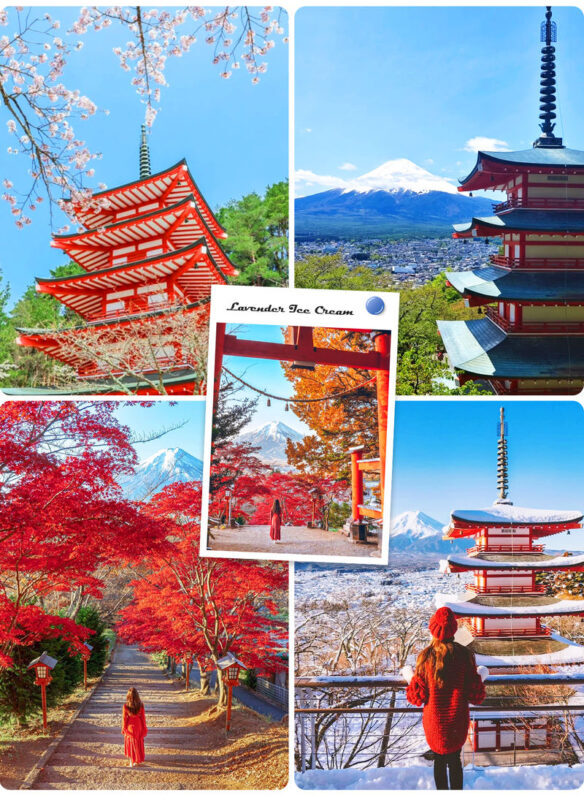
Arakurayama Sengen Park is the image many people picture when they think of a Mount Fuji day trip: a red five-storied pagoda, Fujiyoshida’s rooftops, and the mountain rising behind them. In spring, cherry blossoms add another layer; in other seasons, the view shifts to greenery, autumn color, or snow.
The climb is part of the experience. There are 397 steps near the main hall to reach the celebrated panorama, so wear shoes you can manage on stairs and leave time for the ascent and descent. The tour allows about 1 hour and 10 minutes here. That sounds generous compared with some stops, but the climb, photo queues, and return to the meeting point all use that window.
I would not count on a long rest at the top. This is a popular place, and the best-known angle can be crowded. If you are comfortable with stairs, it is one of the day’s strongest views. If you have limited mobility, or would rather avoid a climb, consider carefully whether this stop fits your needs. Child seats are not available on the tour vehicle.
Oshino Hakkai: clear water at Mount Fuji’s foot
Oshino Hakkai is a village of eight spring-fed ponds. The water comes from Mount Fuji’s snowmelt, filtered through layers of volcanic rock before emerging at the surface. The ponds are known for their clarity, and on a clear day, the surrounding greenery and mountain views make this a restful contrast to the high viewpoint at Arakurayama.
You have about 50 minutes to explore. That gives you time to see some of the ponds, take photographs, and look around, but it can feel short if you want to visit all eight at an unhurried pace. The area is a popular stop, so walk with an eye on the return time. The guide may set a firm departure time, and the group does not wait for late arrivals.
A few tour details can shape the visit. Some people use this stop to buy snacks or souvenirs, but you should not assume it replaces a proper lunch. Food is not included, and the meal arrangement can vary. Bring cash and consider packing something to eat, especially if you are selective about food or want to keep the day moving.
Tokyo pickup, group transport, and the real value
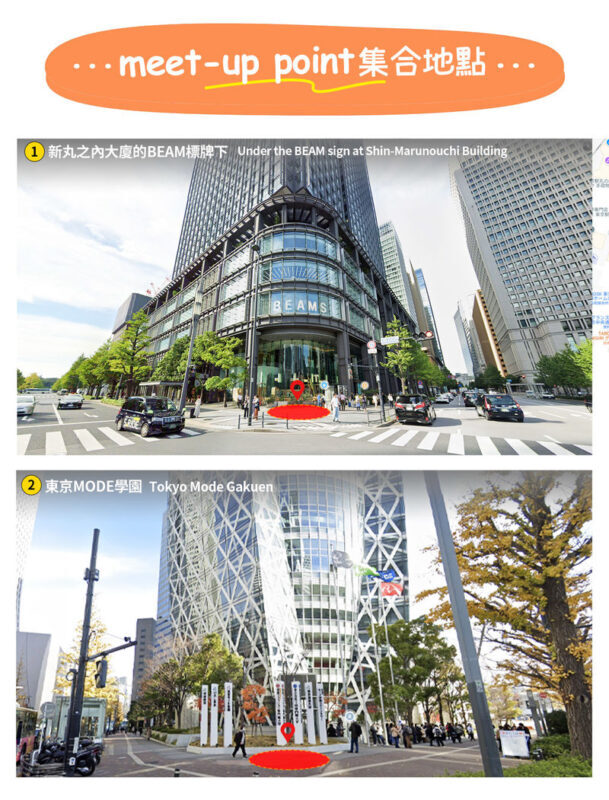
You can choose an 08:00 meeting at the Shin-Marunouchi Building by Tokyo Station or an 08:30 meeting at Tokyo Mode Gakuen in Shinjuku. Arrive at least 10 minutes early. Both places can have several tours meeting nearby, so read the operator’s message the night before, check the meeting details, and look for the GOGODAY flag. The guide and vehicle information is sent by email, sometimes as late as peak-season conditions allow; check your spam folder too.
The tour is a shared ride, and the vehicle depends on the number of people booked. A smaller group may mean a smaller vehicle, with less room than a full-size bus. One tour participant noted limited legroom in the middle rows, particularly for taller people, so the journey may be less comfortable than the scenic stops. Seating requests can be made, but seats are generally assigned on a first-come basis and cannot be guaranteed.
From $49.25, the price can be good value if you want transport to several widely spaced places and do not want to manage the connections yourself. Round-trip transfers and admission to Saiko Iyashi-no-Sato Nenba are included. Meals, drinks, and personal spending are not. The tour description also mentions free Japanese kusa mochi, but this item is not listed among the included services, so I would confirm it rather than build your plans around it.
The tour offers English- and Mandarin-speaking guide options. Because it is shared, people speaking other languages may also be in the vehicle. Guides can make a real difference to a tightly timed day. Sia, Kazi, and Wan Ting are among the guides who have been named positively for clear explanations, helpful directions, and taking group photos, but you cannot request or count on a particular person.


What can change, and what to check before you go
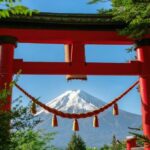
The mountain is the biggest variable. Fuji visibility depends heavily on weather and is often poorer in summer. Even with a clear forecast, clouds can move in or lift during the day. I would book this for the mix of countryside sights, not as a guarantee of a perfect Fuji photograph.
Traffic is the other wildcard. The drive from Tokyo is long, and the actual stop order or time at each place can change with traffic and weather. The vehicle cannot be used for more than 10 hours under Japanese law, so the guide may adjust the day to stay within that limit. Do not schedule a timed activity in Tokyo after the tour; the stated return is an estimate, not a promise.
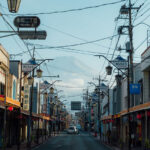
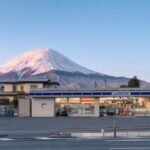
Hikawa Clock Shop needs special attention. It appears in the tour’s broader name and promotional material, but the detailed timetable does not list it as a stop. A stop can be skipped or adjusted, and one past tour did skip it. If you are booking specifically for that shop or the street scene around it, ask the operator whether it is included on your date.
The rules are strict because the group has to keep moving. Late arrivals at the meeting point or at a stop can be left behind without a refund. Each person may bring one piece of luggage only if it is noted when booking, and large suitcases are not suitable for small-group vehicles. Infants aged 0 to 2 ride free only if they do not need a separate seat; children aged 3 and over pay the adult rate. Children must be included in the passenger count.
Who should book this Mount Fuji day trip?
I would book this if you have one day, want a broad introduction to the Fuji area, and value convenient transport over a relaxed pace. It is especially useful if you want several different photo settings: the pagoda view, spring ponds, a lake park, and a traditional village. The range of stops makes the day feel more varied than a single viewpoint excursion.
I would look for a slower or more focused outing if you want a long walk, a full meal stop, or time to explore every site in depth. This tour packs a lot into one day, and the weather may hide the mountain. Its value lies in covering ground efficiently, not in guaranteeing ideal conditions or generous free time.
For the best chance of a satisfying day, check the forecast, wear comfortable shoes, bring water and a snack, and keep your Tokyo evening open. If you can accept a little uncertainty and a firm timetable, the combination of rural Japan and multiple Fuji viewpoints makes this a practical choice.
Mount Fuji Exploration Tour | Arakurayama Sengen Park, Hikawa Clock Shop, Oshino Hakkai, Lake Kawaguchi Oishi Park, and Saiko Iyashi no Sato Nenba Day Trip
“our guide Kylin was amazing 👍 he is very fluent in english, polite, passion and he driving safely.. very recommended tour”
FAQ
How long is the tour?
The advertised duration is 9.5 hours. It departs from Tokyo in the morning, with an estimated return between 17:30 and 18:30. Traffic and weather can affect the arrival time.
Where can I meet the tour?
You can meet at 08:00 under the BEAMS sign at the Shin-Marunouchi Building near Tokyo Station, or at 08:30 at Tokyo Mode Gakuen in Shinjuku. Arrive at least 10 minutes early and check the email sent the night before for guide and vehicle details.
Which stops are included?
The detailed schedule lists Saiko Iyashi-no-Sato Nenba, Oishi Park or the Maple Corridor depending on the season, Arakurayama Sengen Park, and Oshino Hakkai. Hikawa Clock Shop appears in the tour’s broader name but not in the detailed schedule, so confirm its status if it matters to you.
Is Mount Fuji guaranteed to be visible?
No. Visibility depends on the weather and is often lower in summer. Clouds may obscure the mountain, even when the other stops go ahead.
Are food and drinks included?
No. Meals, drinks, and personal expenses are not included. Bring cash and consider carrying a snack, since meal arrangements are not specified as part of the package.
What is included in the price?
The package includes round-trip transfers from the selected Tokyo meeting point, a Chinese- or Japanese-speaking guide as stated in the included services, and admission to Saiko Iyashi-no-Sato Nenba. English- and Mandarin-speaking guide options are listed.