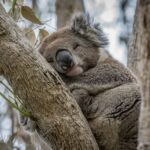
Moonlit Sanctuary puts Australian wildlife within a few steps of you. Kangaroos and wallabies may come close enough to feed, while keeper talks introduce animals that are harder to spot, including reptiles, dingoes and endangered species.
I like two things here: the chance to see more than 70 Australian species in one visit, and the daily talks that add context beyond a quick photo. The open bush setting also makes this a gentler, more spacious outing than a tightly packed animal exhibit.
The main catch is that this is a wildlife park, not a guarantee of constant animal action. Heat, rain and the time of day can leave animals resting or out of view, and food and close-up encounters are extra. Arrive early if you can.
- At a glance
- What a visit to Moonlit Sanctuary feels like
- Getting close to kangaroos and wallabies
- Keeper talks, birds and less familiar animals
- Picking your time and preparing for the weather
- Choosing admission or a Melbourne day tour
- Is the ticket good value?
- Who should book this experience?
- FAQ
- Where is Moonlit Sanctuary?
- What are the sanctuary’s opening hours?
- How long should I allow for a visit?
- What is included with general admission?
- Can I feed kangaroos and wallabies?
- Does the sanctuary offer keeper talks?
- What do the day-tour options include?
- The Best Of Melbourne!
- More Tickets in Melbourne
- More Tours in Melbourne
- More Tour Reviews in Melbourne
- Not for you? Here's more nearby things to do in Melbourne we have reviewed
At a glance
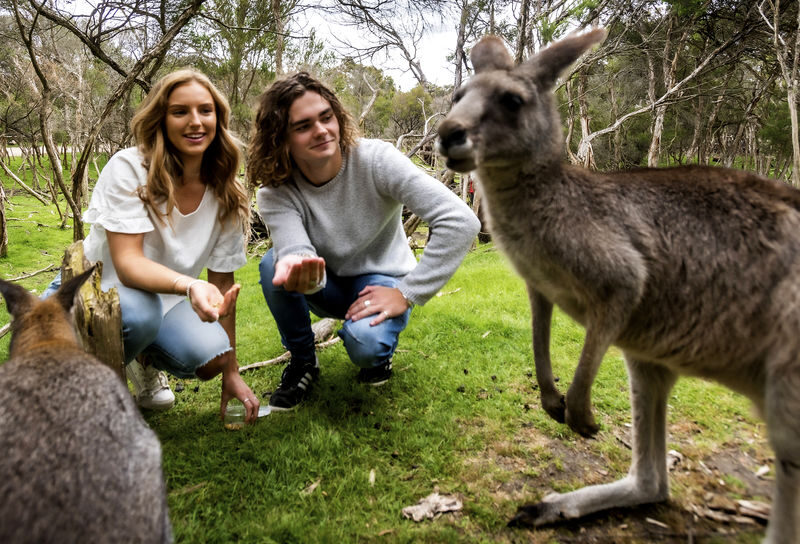
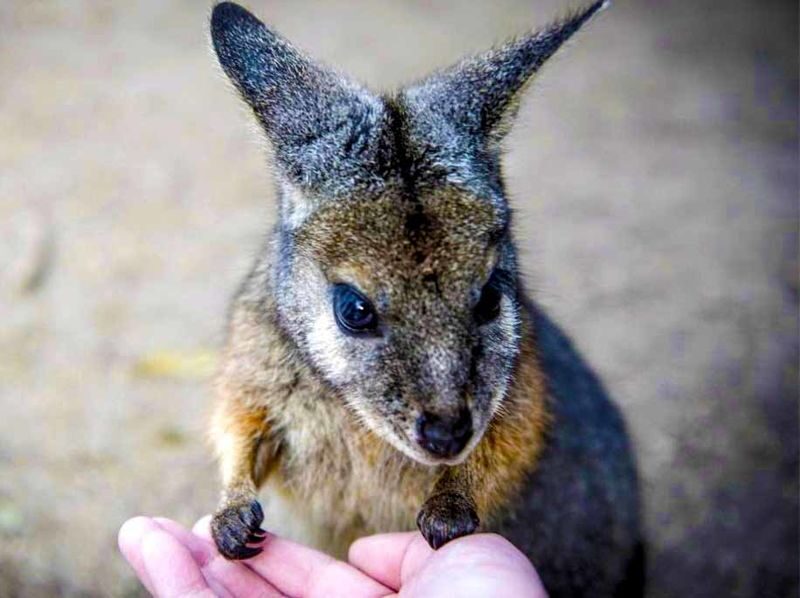
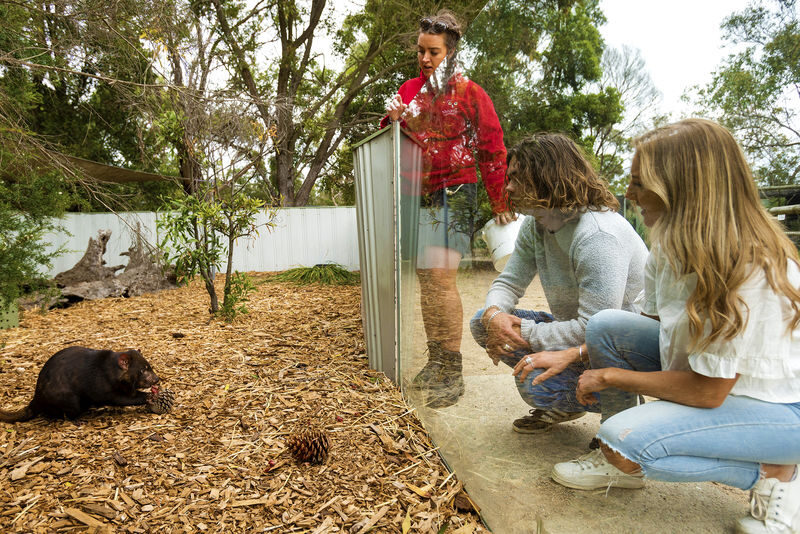
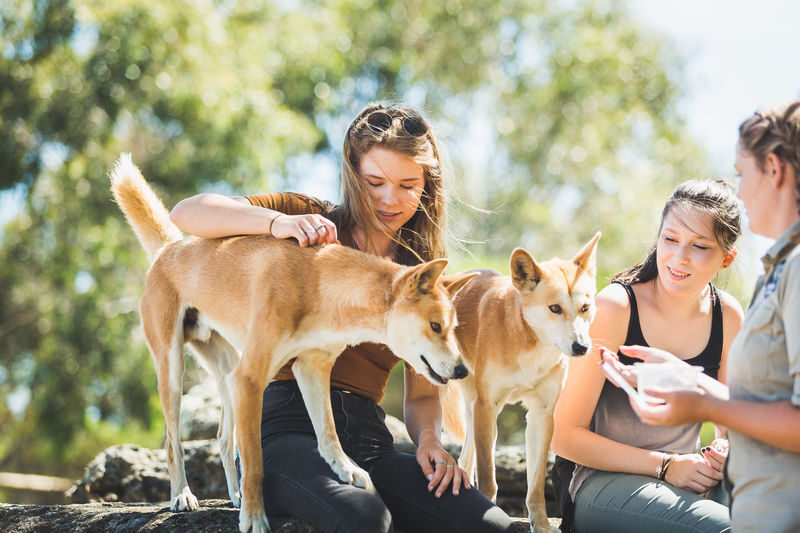

- Feed kangaroos and wallabies: Buy animal food separately, then see whether the animals are interested in a snack.
- Look for native species: The sanctuary is home to more than 70 Australian species, including koalas, dingoes, reptiles and colourful birds.
- Plan around animal activity: Animals may be quieter in the heat or later in the day, so an early visit gives you a better chance of seeing them active.
- Add a keeper talk: Daily talks offer useful context about wildlife and conservation, and are included in the sanctuary visit.
- Choose a day-tour pairing: Packages combine the sanctuary with Brighton Beach’s bathing boxes or Phillip Island’s Penguin Parade.
- Budget for extras: General admission does not include animal food or close-up wildlife encounters.

👉 See our pick of the 13 Best Workshops And Classes In Melbourne
What a visit to Moonlit Sanctuary feels like
Moonlit Sanctuary is in Pearcedale, about an hour from Melbourne’s CBD according to one account, so it takes more planning than a quick city attraction. The trade-off is a chance to spend time among Australian animals in a bushland setting, rather than squeezing in a short wildlife stop between city sights.
The park is described as compact by some and a good size by others. That difference is useful to keep in mind: this is not a sprawling zoo that requires a full day to cross, but you can still spend around three hours exploring, especially if you pause for a talk, buy food or take part in an encounter.
More than 70 Australian species live at the sanctuary. You may see kangaroos and wallabies, koalas, dingoes, reptiles, birds and other native animals, including endangered species. Specific sightings and interactions can vary, so come ready to look and listen rather than expecting every animal to be on display at once.
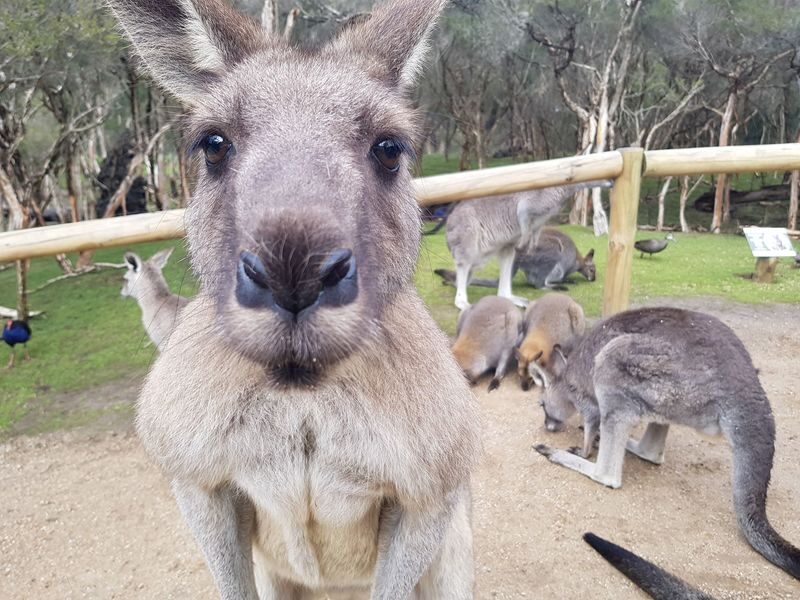
The broad appeal is proximity. The sanctuary offers opportunities to see animals up close, and kangaroos or wallabies may be within feeding distance. Some enclosures and encounters are more controlled, however. You may find animals resting in a habitat or farther away, rather than freely wandering right up to you.
You can also read our reviews of more tours and experiences in Melbourne


Getting close to kangaroos and wallabies
For many people, feeding a kangaroo is the visit’s most memorable moment. You can buy animal food at the sanctuary and offer it to kangaroos and wallabies, a simple activity that works particularly well for families and first-time visitors to Australia’s wildlife.
Do not assume every animal will take food. Some kangaroos may be deep in an enclosure, resting or simply uninterested. A hot day can make animals sluggish, and rain may send them to shelter. The food is an extra purchase, so it is sensible to watch the animals first and decide whether you want to buy some.
The same goes for close-up encounters. General admission gets you into the sanctuary, but special wildlife encounters and animal food are not included in the ticket price. Some encounters need advance booking, and their times can vary. If meeting a particular animal is central to your plans, check the sanctuary’s official information before you go rather than relying on a walk-up spot.
The sanctuary offers koala contact and photo opportunities, but do not treat these as part of basic admission. Plan for the additional cost and confirm the arrangements. For an affordable visit, you can still enjoy the animals from their habitats and take part in the general feeding experience without adding a paid encounter.
Keeper talks, birds and less familiar animals
Daily keeper and conservation talks are one of the best reasons to slow down. They give you a chance to hear about the animals and the sanctuary’s conservation work, rather than leaving with only a camera roll. Check the day’s schedule when you arrive, since the exact talk times are not provided in advance here.
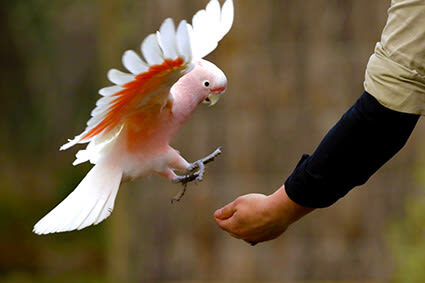
Keep an eye out for birds as well as the headline mammals. The sanctuary is home to lorikeets, parrots and cockatoos, among other species. Reptiles include snakes, lizards and turtles. These animals can be easier to miss if you focus only on kangaroos, so take time to look around the habitats and listen during talks.
Dingoes and endangered species add another layer to the visit. Moonlit Sanctuary’s conservation work includes awareness, breeding and rehabilitation efforts, according to the activity information. A keeper talk is a good place to learn more about how that work relates to the animals you see.
You may also encounter animals such as wombats, Tasmanian devils, ducks, sheep or alpacas. What is available to see or do can differ, and a particular animal or activity should not be treated as guaranteed. The sanctuary’s range is one of its strengths, but the experience is better when you let the day unfold instead of following a must-see checklist.
Picking your time and preparing for the weather
The sanctuary is open daily from 9:30 a.m. to 4 p.m., with last entry at 3 p.m. That final entry time leaves little room for a relaxed visit, so aim to arrive earlier, especially if you want to catch a talk, explore several habitats and consider a paid encounter.
Morning is a practical choice. Animals can rest more during the heat of the day, and afternoon arrivals have sometimes found many of them napping. That does not mean a later visit will be empty of life, but you should set expectations: wildlife does not follow a visitor’s preferred timetable.
Weather matters, too. In rain, animals may hide, and the paths or open areas can feel less inviting. Bring a poncho or other rain protection if the forecast looks unsettled. In warm weather, water and a little patience will help. The sanctuary’s open spaces are pleasant, but they also mean you are exposed to the day’s conditions.
A visit usually takes one to three hours. Give yourself the longer end of that range if you want to take your time, watch a talk and seek out different species. If you have a tight schedule, decide in advance whether feeding or an encounter is worth prioritizing.
Choosing admission or a Melbourne day tour
The standard Moonlit Sanctuary ticket includes admission to the attractions. It is the simplest choice if you have your own transport or are already travelling around the area. At the listed starting price of $28.59, it can be a reasonable-value outing, particularly if you enjoy wildlife and make time for the talks. Remember that food and close-up encounters add to the cost.
If you do not want to arrange transport yourself, the day-tour packages bundle the sanctuary with another stop. One option combines Moonlit Sanctuary with Brighton Beach’s colourful bathing boxes. Another pairs it with Phillip Island and general viewing at the Penguin Parade. Those packages make a longer day of the outing, so compare the extra sights and transport convenience with the additional time involved.
The Brighton Beach tour has been offered with guides including Fred, Gary and Sarah. Visitors have described guides sharing information about the animals and Melbourne, and Sarah was praised for engaging children. Guide names and operators can vary, so do not book on the assumption that you will have a particular person.
The Phillip Island option combines the sanctuary with the Penguin Parade. It can be a strong choice if you want to see more than one major attraction in a single outing, but expect a long day and a late return. The package described here includes general viewing, not a higher-tier Penguin Parade ticket. If a closer or better viewing position matters to you, check the available ticket options before booking.
Day tours save you the work of arranging the route, but they leave less freedom to set your own pace. A self-guided ticket suits you better if you want to linger at the sanctuary or choose the time of your visit. A tour makes more sense if transport and a second destination are part of the appeal.


Is the ticket good value?
Value depends on what you want from the day. If you are hoping for a large zoo with nonstop activity, a single ticket may feel expensive for a compact park, especially if many animals are resting. If you value close access to native wildlife, a calm setting and keeper talks, the admission price has more to offer.
Be clear about what the base price covers. Entry is included, but animal food and close-up encounters are separate. Some visitors find the kangaroo feed a worthwhile small extra, while others have bought food only to find the animals uninterested. You can reduce the risk of disappointment by watching first, then deciding whether to pay.
The starting price is $28.59, but prices can change, and day-tour packages are a different product. Compare the final price for your selected date and package. If you are weighing a tour against a ticket, include the value of transport and the additional stop, not just the sanctuary entry.
The overall experience is most rewarding when you treat it as a relaxed wildlife visit, not a guaranteed series of animal encounters. Your best moments may be feeding a wallaby, seeing a koala at close range or learning about a species during a keeper talk. But nature keeps its own schedule.
Who should book this experience?
Families are a natural fit. Children can see Australian animals at close range, and feeding kangaroos or wallabies can make the visit more engaging. The park’s manageable scale also helps if you want a wildlife outing without committing the whole day to a large attraction.
It also suits visitors who want an introduction to Australian fauna, or who are already travelling toward Phillip Island and want to add a sanctuary stop. Bird enthusiasts and people curious about reptiles may find more to enjoy than the familiar kangaroo-and-koala pairing suggests.
You may want to skip it if the trip from central Melbourne feels too long for a small wildlife park, or if you need guaranteed contact with a specific animal. Paid encounters can help, but they cost extra and need planning. If you choose to go, arrive early, check encounter details ahead of time, and leave enough space in your schedule to enjoy the animals at their own pace.
Moonlit Sanctuary Ticket or Bus Tour
“Don't arrive too late, otherwise the animals will all be sleeping.”
FAQ
Where is Moonlit Sanctuary?
Moonlit Sanctuary is at 550 Tyabb-Tooradin Road, Pearcedale, Victoria 3912, Australia.
What are the sanctuary’s opening hours?
It is open every day from 9:30 a.m. to 4 p.m. Last entry is at 3 p.m.
How long should I allow for a visit?
The listed duration is one to three hours. Allow more time if you want to attend talks, explore at an easy pace or take part in an encounter.
What is included with general admission?
The ticket includes admission to the attractions. Animal food and close-up wildlife encounters are additional purchases.
Can I feed kangaroos and wallabies?
You can buy food at the sanctuary and feed kangaroos and wallabies. The animals may not always be close by or interested in eating.
Does the sanctuary offer keeper talks?
Yes. Keeper and conservation expert talks run daily. Check the schedule at the sanctuary for the day’s timings.
What do the day-tour options include?
One package combines Moonlit Sanctuary with Brighton Beach’s bathing boxes. Another includes the sanctuary and Phillip Island’s Penguin Parade general viewing.