Ourika Valley’s appeal is the change of pace: leave Marrakech’s streets behind and follow the river and red-clay villages toward the Atlas Mountains. I like the mix of a guided waterfall walk and a visit to a women’s argan oil cooperative, where you can see how the oil is made and buy local products if you wish.
I also like that the day brings you into a Berber home, not just to a scenic viewpoint. The main consideration is that Setti Fatma is popular. The path can be crowded and uneven, and the day may run longer than the stated seven to eight hours, especially with a full bus or a slow lunch stop.
- Watch argan oil being made at a women’s cooperative, with time to learn about its traditional production and shop.
- Get a look at mountain life during a short visit to a Berber home in Tamzenndirt.
- Walk to the Setti Fatma waterfalls with a local guide, on trails that can be rocky, steep and busy.
- Pause beside the Ourika River for lunch, with a meal available as an add-on rather than included in every price.
- Make the most of the drive with Atlas foothill views, village stops and time for photos.
- Plan for a full day out with hotel pickup, an air-conditioned vehicle and a return drive to Marrakech.
- Leaving Marrakech for the Atlas foothills
- Seeing the argan oil cooperative
- A brief visit inside a Berber home
- Following the Ourika Valley toward Setti Fatma
- Lunch beside the Ourika River
- The ride back and what the day costs
- Who will enjoy this day most
- Should you book the Ourika Valley trip?
- FAQ
- How long does the Ourika Valley trip take?
- Is pickup from my Marrakech hotel included?
- Is lunch included in the price?
- What languages can the guide speak?
- How difficult is the walk to the Setti Fatma waterfalls?
- Will I definitely be able to reach the waterfalls?
- Can I cancel the booking?
- More Lunch Experiences in Marrakesh
- More Tours in Marrakesh
- More Tour Reviews in Marrakesh
- Not for you? Here's more nearby things to do in Marrakesh we have reviewed
Leaving Marrakech for the Atlas foothills
 1 / 8
 2 / 8
 3 / 8
 4 / 8
 5 / 8
 6 / 8
 7 / 8
 8 / 8
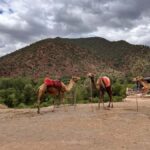
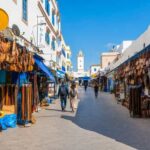
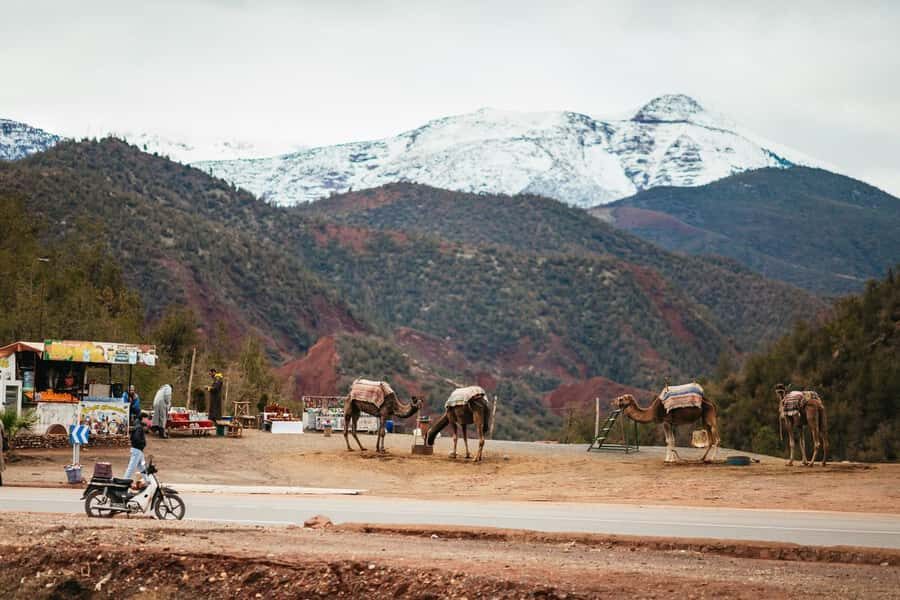
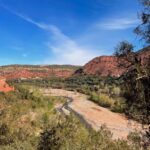
The drive is part of the experience, not just the transfer. In roughly 50 minutes, the city gives way to the foothills, with changing views of mountain slopes, river channels, terraced fields and red-clay villages. There are photo stops along the route, so keep your camera somewhere you can reach it.
Pickup is offered from Marrakech hotels, with the exact meeting point confirmed the night before. You’ll need to provide your hotel name, and the pickup point can vary by booking option. The vehicle is air-conditioned, a welcome detail for a day that includes both driving and walking.
The trip is listed as seven to eight hours, but allow room in your plans. The sequence includes several stops, a waterfall walk, lunch and a long return drive. One visitor’s day lasted ten hours, with much of that time on the road, so don’t book a tight evening appointment after the tour.
You can check availability for your dates here:Seeing the argan oil cooperative
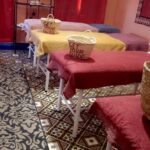
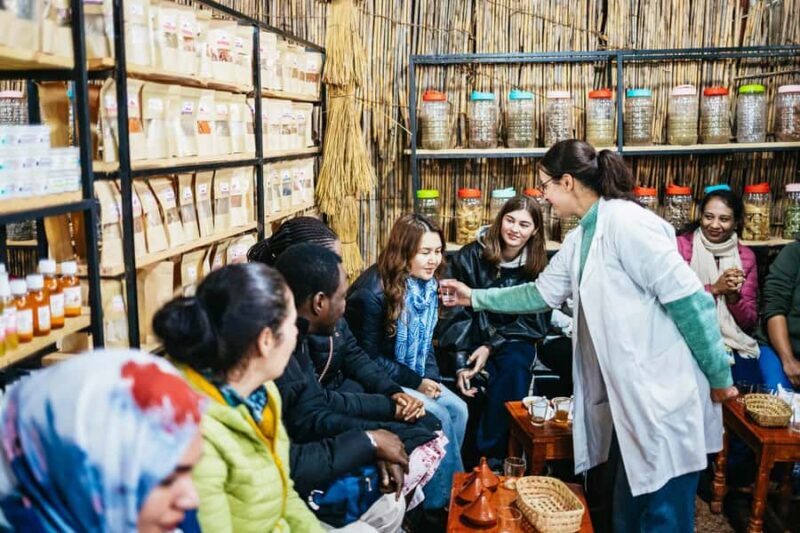
A visit to a women’s argan oil cooperative is an early cultural stop, usually lasting about 30 minutes. You can see how local Berber women extract argan oil using traditional methods and hear about the oils, cosmetics and food products made from it.
The cooperative matters for more than shopping. These groups provide rural women with income and help keep local skills in use. The visit includes time to browse and buy, but you are not obliged to purchase. The products have been described as good quality and reasonably priced, and the experience is more informative than a quick roadside sales stop.
Still, keep expectations sensible. This is a short introduction, not a long workshop. If you want to bring home argan oil, it’s a useful chance to ask questions and compare products, but consider what you actually want before you arrive.
You can also read our reviews of more tours and experiences in Marrakesh
A brief visit inside a Berber home
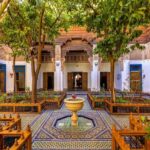
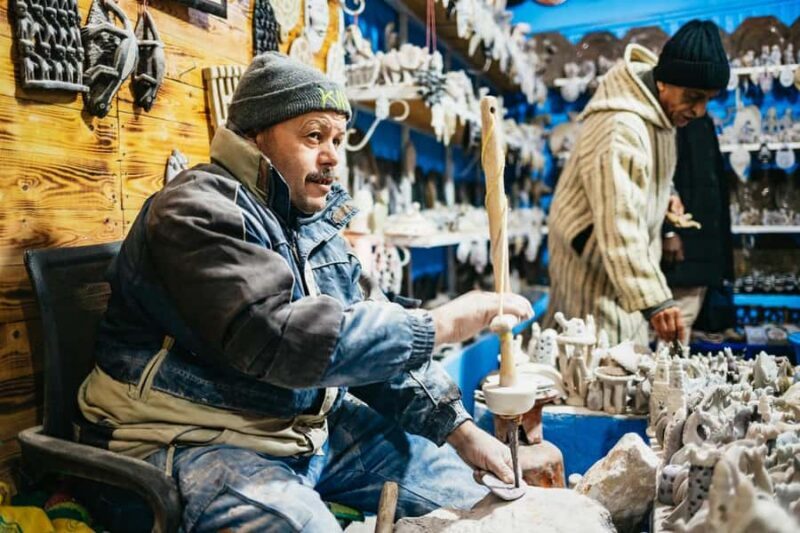
The stop at a Berber house in Tamzenndirt offers a small window onto everyday mountain life. You’ll have about 15 minutes to look around, hear from a guide and sample local snacks. Mint tea is part of the expected welcome.
The visit is short, so treat it as an introduction rather than an in-depth cultural exchange. Its value lies in seeing a home in context, after the drive through villages and fields. It also adds a human dimension to the scenery: these are lived-in communities, not just attractive backdrops for photographs.
There may be time to shop here as well. Keep a little flexibility in your schedule, since the exact pace of the stops depends on the group and the day.
Following the Ourika Valley toward Setti Fatma
As the route continues into Ourika Valley, the view shifts to river streams, terraced plots and mountain villages. A short stop here gives you a chance to take photos, stretch your legs and enjoy the setting before the main walk.
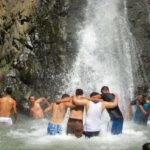
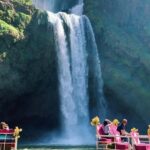
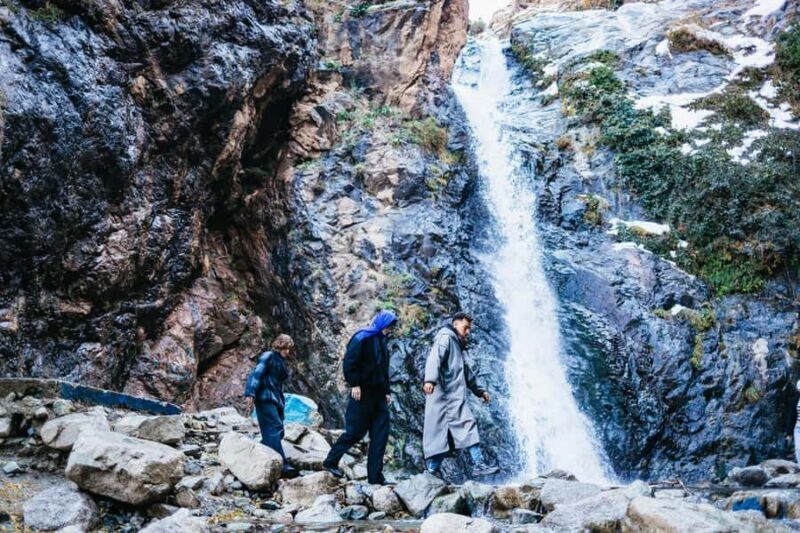
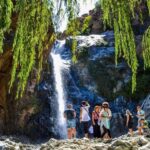
Setti Fatma is the day’s physical highlight. A local guide leads the walk toward the waterfalls, taking you along shaded paths and rocky sections. The walking portion is listed at about 80 minutes, though pace and conditions can change the timing. One visitor described the route as roughly two kilometres, with uneven ground and queues in busy spots.
This is not a polished boardwalk stroll. Wear trainers or hiking shoes with a secure grip, and leave sandals or flip-flops behind. You may need a hand negotiating steeper or rougher sections. The guides have been praised for helping people through challenging parts of the climb, but you should still be comfortable walking on irregular terrain.
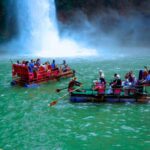
The falls themselves are a rewarding sight, with water dropping over rugged cliffs and the sound of the river close by. But this is a well-known stop, not a quiet wilderness walk. On busy days, tour groups bunch up on the path and you may need to wait your turn. In winter, snow can also affect access: one group could not reach the waterfall because of snowy conditions.
Lunch beside the Ourika River
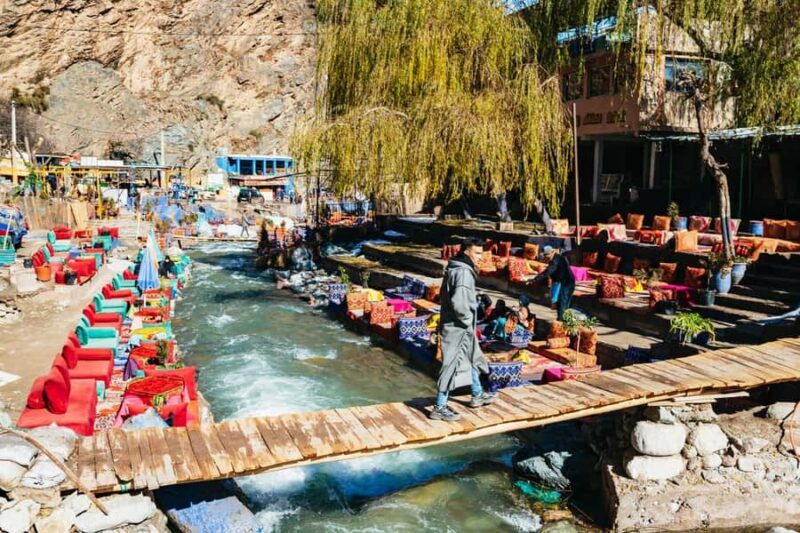
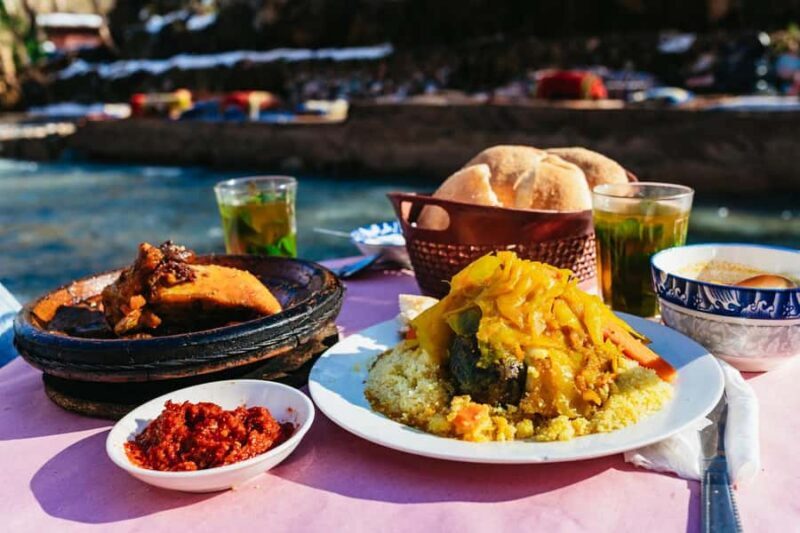
After the walk, the plan is to settle beside the Ourika River for a meal and a rest. The riverside setting is one of the day’s pleasures: colourful seating, moving water and mountain views make a welcome change from the uphill path and the van.
Lunch may include Moroccan tagines, couscous, fresh salads and dessert. But check the option you select before booking. The tour information gives lunch as not included in the basic price, while a paid option includes a meal with a main course and dessert. Drinks are not included.
The meal is often a three-course experience, but food and service can be simple rather than elaborate. One visitor found the meal basic, while others particularly enjoyed eating beside the river. If you’re fussy about lunch or want to control your spending, check what is included in your chosen option and be prepared for a wait while the group eats. The return journey begins after the meal, so a longer lunch can extend the day.
The ride back and what the day costs
The return drive takes about 75 minutes on the itinerary, though traffic and the group’s timing can stretch the journey. By late afternoon, you’ll be heading back toward Marrakech after a day that combines several stops with a proper outdoor walk.
At $11 per person, the starting price is strikingly low for hotel pickup, an air-conditioned vehicle, a local guide and visits to the cooperative, Berber home and waterfall area. The key question is what your selected option covers. Lunch is explicitly listed as excluded in one part of the tour details, while a meal is available in another option. Drinks are extra, so check the final price and inclusions rather than assuming the headline fare buys the full day.
Value also depends on what you want from the outing. You get more than a drive to a viewpoint: there’s a local guide for the walk, a cultural stop and time in the valley. On the other hand, this is a shared group trip, and the bus can fill up. That helps keep the fare low but means you’ll follow the group’s pace and schedule.
Guides and drivers vary. Names associated with the trip include Mustafa, Youssef, Mohamed, Amaris and Zack, but you should not expect a particular person to lead your departure. The strongest experiences depend on the person guiding your group, especially on the mountain path, where a local guide can help with both the route and context about Berber life.


Who will enjoy this day most
This outing suits you if you want a manageable escape from Marrakech that combines mountain scenery with a little local culture. Families have enjoyed it, though parents should consider the uneven walking route and crowded sections before bringing younger children. It also works well for a short stay in the city, when you want to see the Atlas foothills without arranging transport and guides separately.
It is less suitable if you want a remote, solitary hike or a carefully paced cultural visit. Setti Fatma draws plenty of people, and a full bus can mean waiting at stops or on the return. If your main goal is strenuous hiking, this short guided walk may not be enough. If your priority is a broad taste of the valley, with transport and several distinct stops arranged for you, the mix makes sense.
Bring sturdy shoes, water for the walk, sun protection and a light layer if the mountain weather calls for it. Keep a small amount of flexibility in your schedule, since the day can stretch beyond the advertised duration. And if the waterfalls are your must-see, remember that weather and conditions can affect access.
Should you book the Ourika Valley trip?
Book it if you want a good-value day outside Marrakech, appreciate having transport arranged and are happy to share the route with a group. The combination of the argan cooperative, Berber home, guided waterfall walk and riverside meal gives the day more substance than a simple scenic drive.
Think twice if crowds, uneven paths or a long day in a vehicle would spoil the outing for you. Before paying, confirm whether your selected option includes lunch, and set aside extra time after the return. If those details suit your plans, Ourika is a rewarding way to see the Atlas foothills and meet some of the people who call them home.
Marrakesh :Atlas mountains, Ourika, berber villages & Lunch
FAQ
How long does the Ourika Valley trip take?
The stated duration is seven to eight hours. Allow extra time, since one trip ran to ten hours and the schedule includes several stops, a hike, lunch and the return drive.
Is pickup from my Marrakech hotel included?
Yes. Pickup and drop-off at Marrakech hotels are included. You’ll need to provide your hotel name, and the exact pickup point may vary according to the option you book.
Is lunch included in the $11 price?
Not necessarily. Lunch is listed as excluded from the basic tour, with a meal available as an option. Check your chosen booking option for the exact inclusions. Drinks are not included.
What languages can the guide speak?
The tour is offered with a live guide in English, Arabic or French.
How difficult is the walk to the Setti Fatma waterfalls?
The guided walk is listed at about 80 minutes. The path can be uneven and crowded, with some challenging sections, so wear trainers or hiking shoes rather than sandals or flip-flops.
Will I definitely be able to reach the waterfalls?
Access can depend on conditions. Snow prevented one group from reaching the falls, so the walk and waterfall visit may change with the weather.
Can I cancel the booking?
You can cancel up to 24 hours in advance for a full refund. The tour also offers a reserve-now, pay-later option.
You can check availability for your dates here: