Marrakech’s old center makes more sense when someone explains what you’re looking at. On this guided walking tour, you get an introduction to the Koutoubia Mosque, the royal Saadian Tombs, Bahia Palace and the souks, with a guide to connect the buildings and streets to the city’s past.
I like that the route combines major landmarks with everyday craft life in the souks, and that guides such as Iqbal have explained details as specific as palace colors, tiles and arches. I also like the practical help guides can offer, from restaurant suggestions to advice on where to shop.
The main consideration is the walking itself: the Medina can be crowded, some stretches have little shade, and afternoon heat can make the pace feel brisk. Admission fees are not included, so bring cash as well as comfortable shoes and water.
- What to know before you go
- A short walk with a useful introduction to Marrakech
- Koutoubia Mosque: start with the city’s landmark
- Saadian Tombs: ornate work, with crowding as a factor
- Bahia Palace: color, craft and royal ambition
- The souks: a working maze, not a quiet museum
- What the guides add to the route
- Walking conditions, clothing and what to carry
- Is the price good value?
- Who should book this Marrakech walk?
- FAQ
- Where does the tour meet?
- What departure times can I choose?
- Are attraction admission fees included?
- What should I bring?
- What does the tour include?
- Can children join the tour?
- The Best Of Marrakech!
- More Historical Tours in Marrakech
- More Tours in Marrakech
- More Tour Reviews in Marrakech
- Not for you? Here's more nearby things to do in Marrakech we have reviewed
What to know before you go
- Meet at Café de France: Find your guide in front of this landmark on Jemaa el-Fna, and arrive 10 minutes before your selected departure.
- Expect a walking tour: The route passes through busy streets and souks, not a vehicle-based city circuit.
- Plan for extra admission costs: Attractions are not included in the price. One participant reported paying 100 MAD in entrance fees at some stops.
- The guide shapes the experience: Guides including Iqbal, Ahmed and Mo have been praised for clear explanations, cultural context and useful local recommendations.
- The route can shift: Weather, traffic and crowd levels may affect the schedule or which sites you visit.
- Bring sun protection: Water, sunscreen, sunglasses and comfortable walking shoes are sensible choices, especially for an afternoon departure.

👉 See our pick of the 25 Best Workshops And Classes In Marrakech
A short walk with a useful introduction to Marrakech
This tour is best understood as a guided orientation, not a grand city circuit. It focuses on a handful of significant places in and around the historic center, then leaves you with a better sense of what to notice when you return on your own.
The scheduled departure choices are 10:00 and 14:00, with return times listed as 13:00 and 17:00, depending on the option you book. That points to a roughly three-hour outing, though the actual time and order can vary. One participant reported finishing after about two hours, so keep your plans flexible rather than treating the return time as a guarantee.
I would choose the morning if heat is a concern. The afternoon option can fit neatly around a morning arrival or another activity, but the streets may feel hot and exposed. As the route passes through crowded lanes, a guide’s pace and timing matter; one guide reportedly adjusted the order of stops to suit the weather.
You’ll meet in front of Hôtel Restaurant Café de France, an easy-to-recognize landmark on Jemaa el-Fna. The meeting point is listed at J2G7+G2G, Rue des Banques. Look for the guide with a Klook sign, and give yourself a few minutes to find the right spot in the square.
The return information names both Café de France and Riad Jemaa El Fna boutique hotel & spa. Since the exact return details are confirmed after booking, check your voucher for the end point rather than assuming the walk finishes precisely where it began.
You can also read our reviews of more historical tours in Marrakech


Koutoubia Mosque: start with the city’s landmark
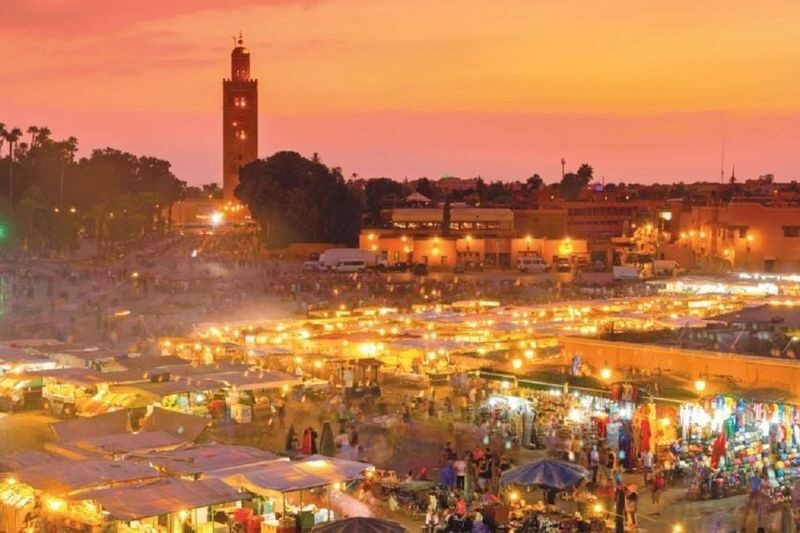
The Koutoubia Mosque is one of the tour’s key stops. Its massive minaret is the largest in Marrakech, and your guide explains the building’s history as you take in its scale and place in the city.
That context is useful even if the stop is brief. The mosque is a landmark you’re likely to see again as you explore, and a guide can help you understand why it matters beyond its striking outline. The supplied details describe a look at the mosque and its minaret, not entry inside, so think of this as an exterior visit and history lesson rather than an interior tour.
This is also where the guide’s ability to explain clearly can make a difference. One participant singled out a guide who spoke at a measured pace and offered direct, practical advice. Another found that a guide’s account of Islam helped make the architecture easier to understand. You’re not just ticking off a monument; you’re getting a framework for the places and customs you’ll encounter elsewhere in Marrakech.
Saadian Tombs: ornate work, with crowding as a factor
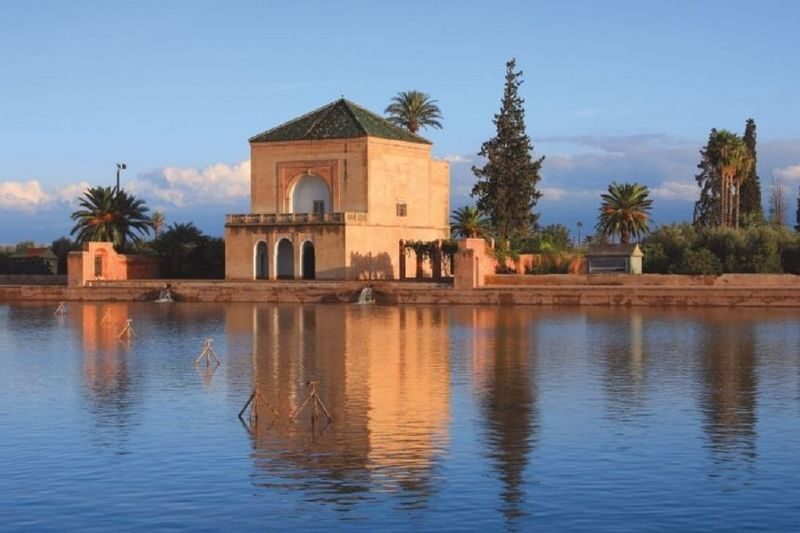
The Saadian Tombs offer a close look at the resting place of a 16th-century royal family. Their carved decoration follows a Hispano-Moorish style, framing the crypts with the kind of intricate detail that rewards a slower look.
The tombs were sealed for centuries and rediscovered in 1917, a striking story that gives this stop an added sense of place. If you enjoy architecture, ask your guide to point out the carvings and explain what you’re seeing. The group format can make it harder to linger when space is tight, however.
Crowds may also change the plan. One group skipped the tombs because the site was too busy, which is a useful reminder that the advertised route is not a firm promise that every stop will happen in the same order. If visiting the tombs is your top priority, ask your guide early whether the stop is possible that day, while understanding that crowd conditions may still decide the matter.
Admission is extra at attractions. One participant reported paying 100 MAD in entrance fees at some of the places visited, but that figure should not be treated as a guaranteed total for every tour or date. Bring cash and ask which sites require payment before you set off.
Bahia Palace: color, craft and royal ambition
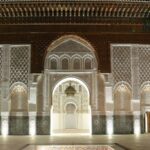
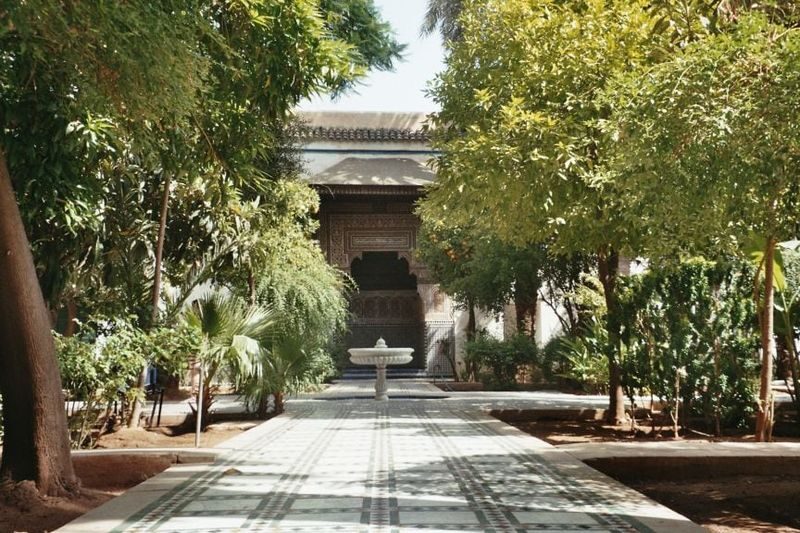
Bahia Palace was built in the 19th century as a royal residence intended to be the most splendid palace of its time. Its painted ceilings and manicured gardens give you a vivid change of scene from the tight lanes outside.
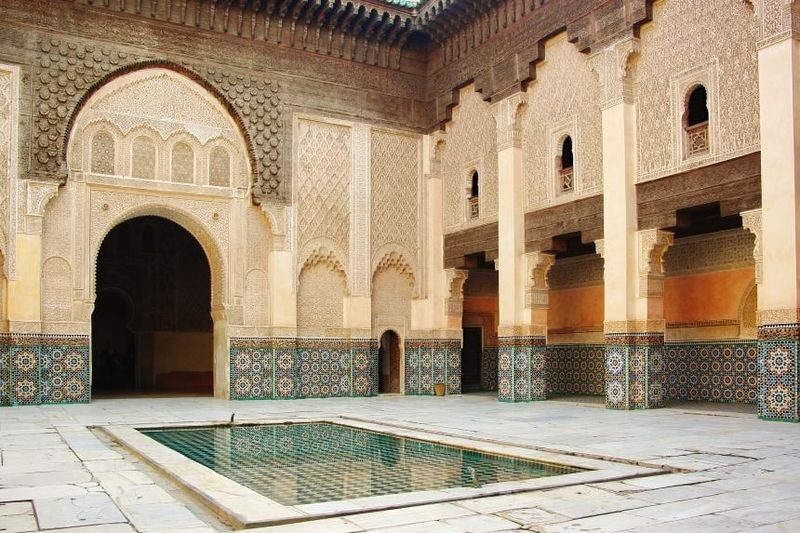
A guide can help you notice more than the broad impression. One participant described hearing explanations of the colors, tiles and shapes of the palace’s arches. That sort of detail turns an attractive room into a lesson in design and craftsmanship, and makes the visit more rewarding if you like to understand how a building was put together.
The palace is also a good place to pause and look carefully. With several ornate features competing for attention, you may find it useful to let the guide set the scene before exploring the details yourself. The tour includes admission costs separately, so factor that into your budget along with any other paid stops.
The souks: a working maze, not a quiet museum
The souks bring the tour into the living, working side of the Medina. You’ll pass local artisans and craftspeople, with a wide range of goods on display. The point is not only to shop; it’s to see how trade and craft shape the rhythm of the old center.
This is where the guide can be especially helpful. Guides have offered suggestions on spices, food and shopping, and one participant appreciated being steered toward useful purchases. Treat that advice as a starting point, not a requirement to buy. The souks are busy, and you’ll have more time to browse independently if you return after the tour.
There is a trade-off: movement through crowded lanes may feel brisk. One person wanted more explanation between sites and felt the walk became a fast passage through busy streets. If you value continuous commentary, tell your guide that you’d like more context while walking. The pace and amount of explanation can vary, particularly when the group needs to keep moving.
You can also read our reviews of more tours and experiences in Marrakech


What the guides add to the route
The guide is the core value here. The stops are well-known places, but a good explanation can help you connect architectural details, royal history and local life in a short visit. Guides named Iqbal, Ahmed and Mo have been praised for being engaging, clear and helpful, though you should not assume you’ll have a particular person on your departure.
The strongest reports emphasize clear explanations and a comfortable manner. One participant valued a guide who spoke good English without rushing, while another found the guide’s overview of Islam accessible and thoughtful. The tour can suit a solo visitor as well as a couple or small group; one solo participant described feeling comfortable thanks to a guide who used humor to put the group at ease.
Practical recommendations are another plus. You may get suggestions for food, spices or shops, as well as straightforward advice on what to do or avoid. That is useful in a city where it helps to understand the setting before deciding where to spend your time and money.
Walking conditions, clothing and what to carry
Wear comfortable walking shoes. The route goes through busy Medina streets, and the ground and crowds make flip-flops a poor choice. Bring a water bottle, sunscreen and sunglasses, particularly for the 14:00 departure, when shade may be limited.
The tour information advises against flip-flops, shorts, tank tops and sleeveless shirts for smooth entry. Dress for the day’s weather while keeping those entry guidelines in mind. Carry cash for admission fees and personal spending, and bring a valid ID or passport as specified in the tour information.
The activity is listed as stroller- and wheelchair-accessible. Still, the route runs through crowded streets, and site conditions or crowds can affect how easy it is to move around. If access is a priority for you, confirm the practical details for your chosen date and route before booking.
Is the price good value?
The price information gives a headline starting price of US$18.40, while the join-in small-group option is shown from US$16.00. A private tour without hotel pick-up starts from US$31.00, and a private tour with hotel pick-up starts from US$75.00. The actual price depends on the package and booking details.
For the join-in option, the value comes from having a guide explain several major sites and help you make sense of the Medina in a few hours. That can be a good deal if you’re new to Marrakech and want orientation before exploring on your own. It is less compelling if you expect transport between stops, entry tickets, meals or a long, unhurried visit at each site; those are not included.
Remember to budget for admissions. A participant reported paying 100 MAD at some attractions, but the precise charges may depend on which sites are visited. Meals, drinks, personal expenses and tips are also extra. The private options cost more, but give you a choice between a private walk without hotel pick-up and one that includes pick-up. The details provided do not specify how much extra time or site access those packages offer, so compare the package terms before paying more.
The tour has a rating of 4.5 out of 5 from 13 ratings, and the provider’s overall good-review rate is 83 percent across 18 reviews. Those figures are encouraging, but they don’t erase the practical limits: crowds can alter the route, the walking can feel rushed, and the heat is real. Book for the guide and orientation, not as a promise of a fixed sequence or a leisurely visit to every landmark.
Who should book this Marrakech walk?
I’d recommend it most to first-time visitors who want a compact introduction to the city’s landmarks and everyday craft scene. It’s also a sensible choice if you’re travelling solo and would rather begin the Medina with a local guide than try to decode every turn by yourself.
It may not suit you as well if you dislike walking in crowds, need frequent pauses, or want to spend a long time inside each attraction. If you have a short window in Marrakech, the tour gives you a useful selection of major sights, but a brisk pace and possible changes mean you should not plan the rest of your day too tightly.
For a more personal pace, consider one of the private options and check exactly what it includes. For the best balance of cost and orientation, the small-group tour is the straightforward choice. Arrive early, dress for walking, carry cash and water, and treat the route as a first chapter in exploring Marrakech rather than the whole story.
Marrakech Historical and Cultural Half-day Tour
“Our Tour Guide is very informativ and engaging. he took us to many interesting places and explained very will what we need to know. He also planned…”
FAQ
Where does the tour meet?
Meet your guide in front of Hôtel Restaurant Café de France on Jemaa el-Fna. Look for the guide with a Klook sign and arrive 10 minutes before departure.
What departure times can I choose?
The listed departure times are 10:00 and 14:00. The return time depends on the departure and itinerary, with 13:00 and 17:00 listed as options.
Are attraction admission fees included?
No. Admission to attractions is not included. Bring cash for any entrance fees; one participant reported paying 100 MAD at some of the sites.
What should I bring?
Bring water, sunscreen, sunglasses, cash and valid ID or a passport. Comfortable walking shoes are important.
What does the tour include?
The tour includes a professional guide. Meals, beverages, attraction admission, tips and other personal expenses are not included.
Can children join the tour?
Yes. Infants and children must be included in the passenger headcount. Children aged 15 and older are charged the same rate as adults.