A beach walk becomes a lot more interesting when you’re looking for shore life with a marine educator, then cleaning up the coast and examining a squid up close. This camp is built around hands-on learning, not a long talk: you’ll handle real materials, ask questions and see why clean shores matter to the creatures living there.
I like two things in particular: the mix of squid dissection and an intertidal walk gives kids both a close-up lesson and a chance to explore outdoors, and the beach clean-up turns conservation into something practical. One consideration: you’ll be outside in heat, rain or insect country, and the camp is not wheelchair- or stroller-accessible.
- At a glance: what you’re signing up for
- Learning about the sea with your hands
- How the four-hour camp unfolds
- Changi, Pasir Ris and other possible shore settings
- Is the price good value?
- Who is likely to enjoy this camp?
- What to bring and how to prepare
- Booking details worth checking
- Should you book the Marine Scientist Day Camp?
- FAQ
- How long is the Marine Scientist Day Camp?
- What activities are included?
- Where does the camp take place?
- What is the minimum age?
- Do participants need previous experience?
- What should I bring?
- Are food and transport included?
- Is the activity wheelchair- and stroller-accessible?
- Can I cancel or change my booking?
- The Best Of Singapore!
- More Tours in Singapore
- More Tour Reviews in Singapore
- Not for you? Here's more nearby things to do in Singapore we have reviewed
At a glance: what you’re signing up for
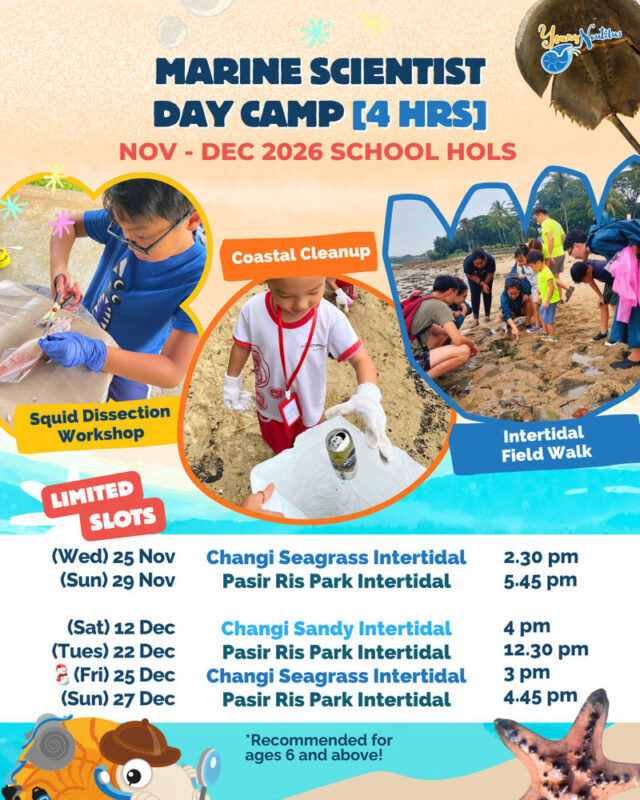
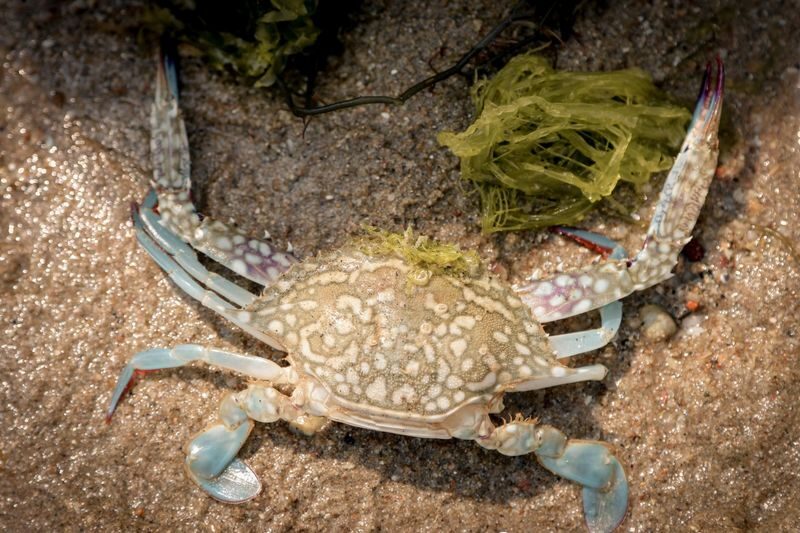
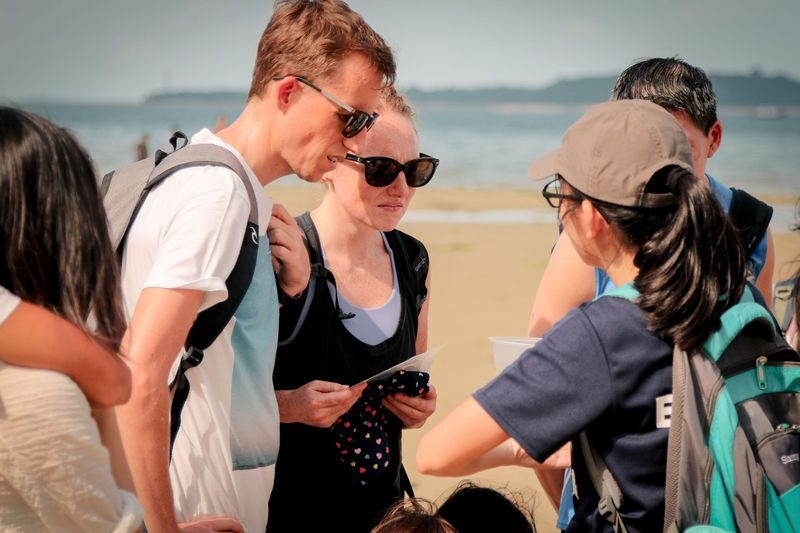
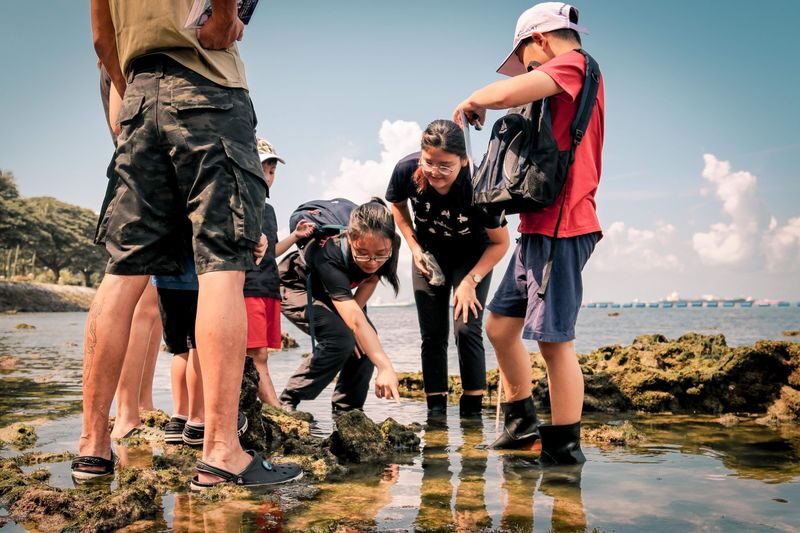
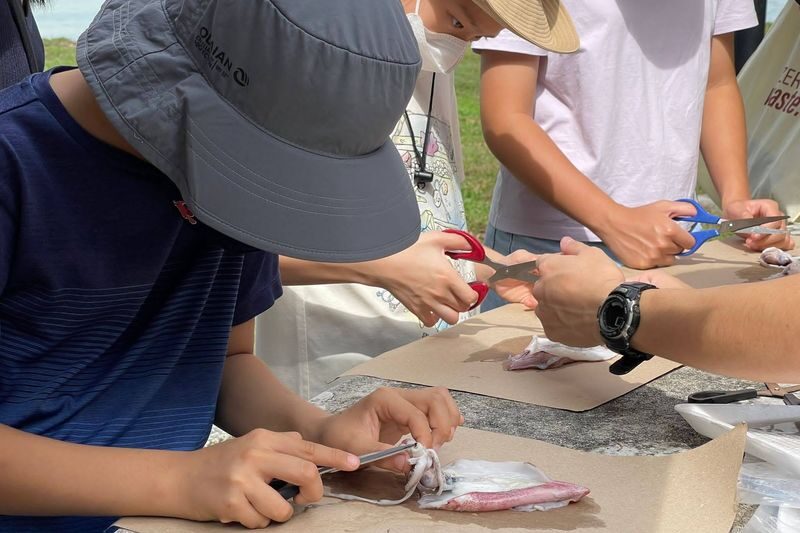
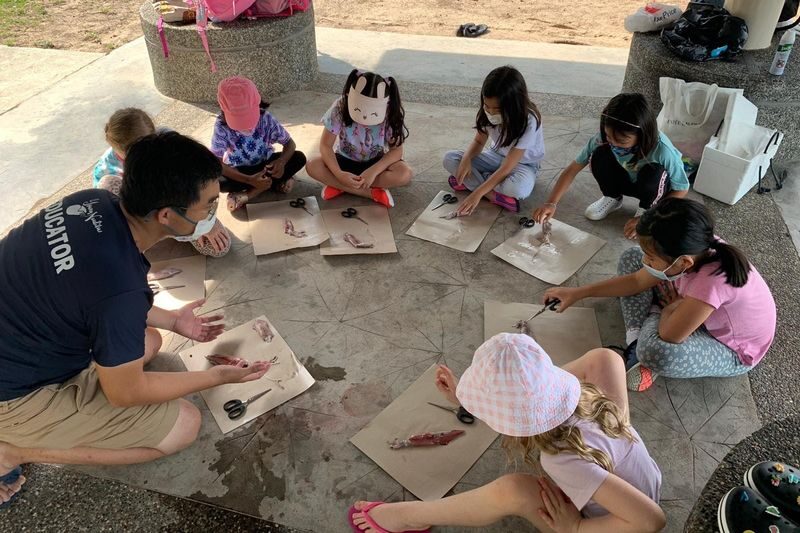
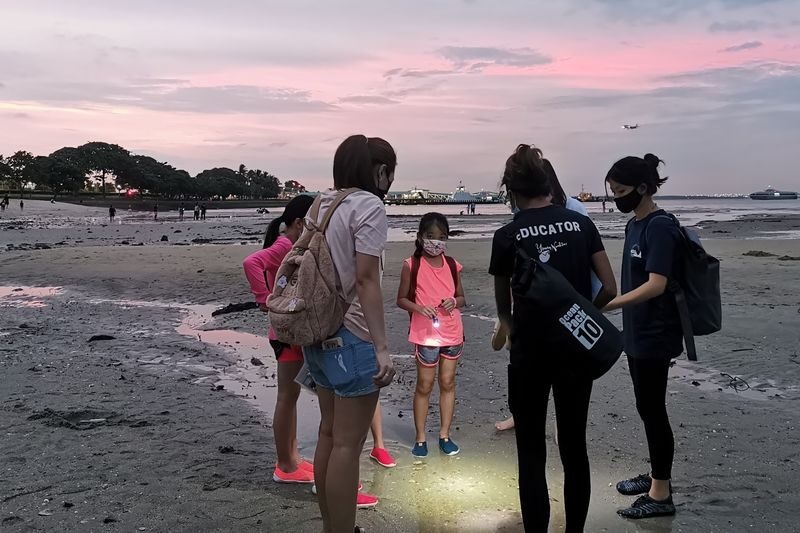
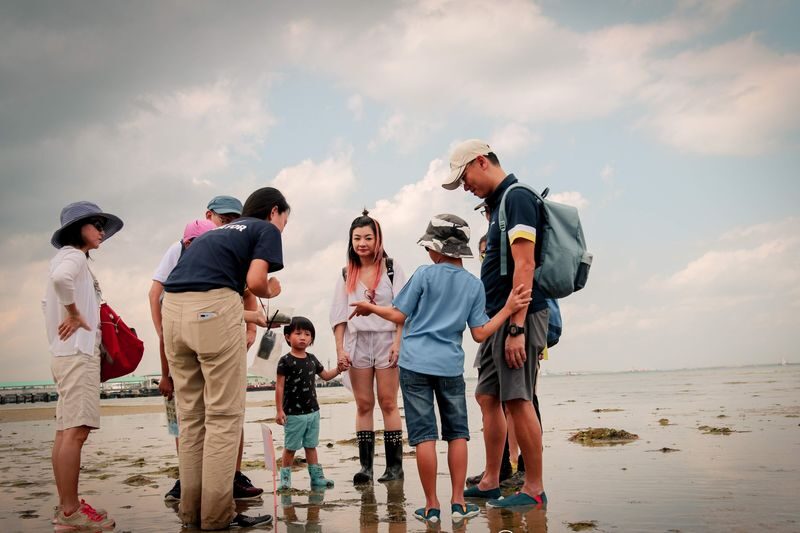
- Three kinds of learning: a squid dissection, a coastal clean-up and a guided intertidal walk.
- A small group: groups are limited to 1 to 10 participants, with a marine educator.
- Four hours on the shore: bring a snack for the break, plus sun and rain protection.
- A choice of coastal settings: sessions may take place at Changi, Sungei Buloh, Coney Island, Pasir Ris or Punggol.
- For ages 6 and up: children must be included in the passenger headcount; participants aged 12 and older pay the adult rate.
- Plan around tides and weather: the schedule and walk location can change for safety and low tide.

👉 See our pick of the 25 Best Guided Tours In Singapore
Learning about the sea with your hands
This is a family activity with a clear purpose: to help you notice Singapore’s natural habitats and understand how people can care for them. Rather than spending the whole session listening, you move between a hands-on science activity, a clean-up and a guided walk.
The squid dissection is the camp’s most unusual element. With a facilitator leading the activity, you’ll get your hands dirty and examine a squid directly. That can make anatomy and marine life easier to remember than a picture in a book, though it may not suit every child. If your child is squeamish, explain the activity before booking.
The coastal clean-up adds a useful practical lesson. You’re not just told that litter can harm shore habitats; you help remove it. The activity is also a good chance to talk with children about how small actions affect the places they enjoy exploring.
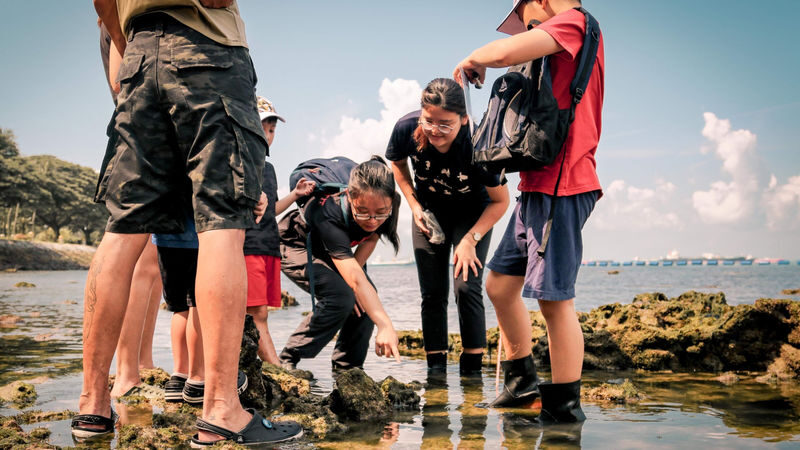
Then comes the intertidal walk, a guided outing across a shore habitat. The location may be Changi, Sungei Buloh, Coney Island, Pasir Ris or Punggol, depending on the session. The shore itself is the classroom, so conditions matter: low tide and wet weather can change both the route and the timing.
You can also read our reviews of more tours and experiences in Singapore.



How the four-hour camp unfolds
The programme begins with a 15-minute introduction and safety briefing. This is when the educator sets expectations for the day and explains how to behave around the shore and its wildlife. Pay attention here: participants are asked not to feed wild or marine animals or do anything that could damage the ecosystem.
Next is an hour of squid dissection. It’s a substantial block of time, not a quick demonstration, and gives children room to look closely and ask questions. A friendly, experienced facilitator is part of the session, and no prior experience is needed.
A 15-minute break follows. Food and drinks are not included, so bring a snack and water for your family. The information asks participants to bring food for snack time, and there’s no luggage storage at the venue, so travel light and keep your belongings manageable.
The next hour is set aside for the coastal clean-up. Expect to be active rather than simply watching. It’s a useful contrast with the dissection: one part focuses on understanding an animal, while the other asks you to help protect the habitat.
The final major activity is a 90-minute intertidal walk. The selected shore varies by session, and the walk can be adjusted around low tide and wet weather. The guide helps you explore the area, but this is a natural habitat, not a guaranteed wildlife show. You should arrive ready to observe carefully and follow the educator’s instructions.
A 15-minute conclusion and souvenir hand-out closes the session. The listed blocks add up to four hours and 15 minutes, while the camp is described as a four-hour activity. Treat the time as an approximate programme, and confirm the exact session details before you go.
Changi, Pasir Ris and other possible shore settings
Changi is prominent in the meeting details, which give Changi Beach Car Park 6 on Changi Coast Road as the departure and return point. But the programme also names several other possible intertidal locations, including Pasir Ris Park. The session schedule varies, so don’t assume every booking starts at Changi or follows the same route.
The available session examples include both Changi seagrass and sandy intertidal settings, as well as Pasir Ris Park. That variety matters: a seagrass shore and a sandy shore are different environments, and the camp’s focus is partly on helping you notice the habitat around you. The exact site is worth checking when you reserve.
There is a timing mismatch in the supplied details: the meeting-point section lists an 8 a.m. departure and noon return at Changi Beach Car Park 6, while the camp schedule gives afternoon and evening start times for several sessions. Because meeting time and site may differ by date, confirm the actual arrival point and start time for your chosen booking. Arrive 15 minutes early once those details are confirmed.
Is the price good value?
The package price is shown as starting at US$69.69, while the summary price is listed as US$76.69. Since those figures differ, check the final price at checkout rather than budgeting around the lower amount.
For a four-hour activity, the value comes from getting several different experiences in one booking: guided learning, a squid dissection, a clean-up and a coastal walk. The English-speaking guide and necessary accessories are included. You’ll need to arrange your own transport and bring food and drinks, so factor those costs into your plans.
This is best value for families who want an activity that is both outdoorsy and educational. If you only want a casual beach outing, the structured programme may feel like more than you need. If your children are curious about sea life, the combination of practical work and exploration gives the time more purpose than a simple walk.
Who is likely to enjoy this camp?
The stated minimum age is 6. Children must be included in the passenger headcount, and those aged 12 and older are charged the adult rate. The age wording also says children aged 0 to 6 must be accompanied by a paying adult, which is not fully clear alongside the minimum-age rule. Confirm eligibility directly with the operator if you’re booking for a six-year-old.
The format can suit children who enjoy asking questions, getting outdoors and trying new activities. A family account describes children aged 11 and 13 enjoying the session as a new way to learn about sea life. That age range makes sense: older children may be especially ready to engage with the dissection and the conservation side of the day, though the stated minimum age is lower.
You don’t need previous marine or science experience. The group size is limited to 10 participants, and you may be grouped with other families, with one marine educator leading the group. Group limits at some National Parks Board locations may vary.
This is not the right pick for every family. The activity is not stroller- or wheelchair-accessible, and the shore environment can mean uneven ground, insects, sand and weather exposure. If anyone in your group has mobility concerns or is uncomfortable around animals, ask the operator about the specific location and activity before paying.


What to bring and how to prepare
Dress for an active outdoor session. Comfortable clothes are recommended, with long sleeves and long pants suggested if you’re prone to mosquito or sand fly bites. Covered shoes are on the packing list, along with additional footwear, which is sensible for a camp that combines a walk with shore activity.
Bring sunscreen, insect repellent, a raincoat or poncho, and trail food. The short snack break is your chance to refuel, but meals and beverages are not included. There is no luggage storage, so avoid bringing bags you don’t want to carry.
Singapore’s weather can affect the plan. The operator may postpone or adjust the walk in wet weather or other conditions that compromise safety or feasibility. The intertidal portion also depends on low tide, so a change in timing or sequence is possible. Keep your day flexible and follow any updated instructions from the operator.
Respect for wildlife is part of the experience. Don’t feed animals or damage the habitat, and follow the guide’s directions during the walk. That care is not an optional extra: it is central to making a shore visit worthwhile without disturbing the place you came to learn about.
Booking details worth checking
After payment, contact Young Nautilus at [email protected] to reserve your preferred timeslot. If it is full, staff may suggest another time. Confirmation is expected within 24 hours; if it doesn’t arrive, contact customer support.
Changes are free if requested at least 14 days before the activity. Changes within 14 days are not allowed, and the stated terms say personal emergencies do not guarantee a replacement date. The activity is non-refundable. In extreme weather or other unforeseen circumstances, the operator may cancel or postpone it, with rescheduling offered if the operator cancels.
The voucher is valid for 180 days from booking confirmation and can be used any day of the week, subject to availability and advance reservation. The listed session dates may not reflect current availability, so verify the date, start time and meeting point before making plans. Transport, accommodation, meals, beverages and personal expenses are not included.
The operator may take photographs or recordings during the activity. If you don’t want to be photographed, tell staff before the tour begins.
Should you book the Marine Scientist Day Camp?
Book it if your family wants a participatory nature outing rather than a passive attraction. The strongest reasons to go are the squid dissection, the chance to help clean the shore and the guided walk through a real intertidal habitat. For curious children, especially those interested in sea life, it offers a memorable way to connect science with the outdoors.
Think twice if you need a fully accessible activity, prefer a predictable indoor schedule or don’t want to manage heat, rain, insects and a snack break. Before paying, confirm the current price, session location, start time and age rules. If those details fit your family, this is a worthwhile half-day built around learning by doing.
Marine Scientist Day Camp in Singapore
“It was a new and fun learning experience for my children of 11 and 13 year old. They recommend it to anyone who likes to learn about sea life.”
FAQ
How long is the Marine Scientist Day Camp?
It is described as a four-hour camp. The listed activity blocks total four hours and 15 minutes, so confirm the expected timing for your session.
What activities are included?
The programme includes an introduction and safety briefing, squid dissection, a snack break, a coastal clean-up, a guided intertidal walk and a conclusion with souvenirs.
Where does the camp take place?
Possible walk locations include Changi, Sungei Buloh, Coney Island, Pasir Ris and Punggol. The meeting details name Changi Beach Car Park 6, but confirm the meeting point for your chosen session.
What is the minimum age?
Participants must be aged 6 or older. The age information also says children aged 0 to 6 must be accompanied by a paying adult, so check directly with the operator if you’re booking for a six-year-old.
Do participants need previous experience?
No. The activity is described as suitable for beginners, and no prior experience is needed.
What should I bring?
Bring sunscreen, a raincoat or poncho, insect repellent, trail food, covered shoes and additional footwear. Comfortable clothing is recommended, with long sleeves and pants suggested for those prone to insect bites.
Are food and transport included?
No. Transport, meals and beverages are not included. Bring food for the snack break and arrange your own transport.
Is the activity wheelchair- and stroller-accessible?
No. The activity is not wheelchair- or stroller-accessible.
Can I cancel or change my booking?
The activity is non-refundable. Changes are free if requested at least 14 days in advance; changes requested within 14 days are not allowed.