Manchester’s story is written into a short walk from Piccadilly to St Peter’s Square: industrial-era railways and canals sit alongside a creative Northern Quarter and the modern city centre. I like this tour for its Mandarin commentary and its brisk route through several defining parts of town without needing to plan every turn yourself.
I also like that the walk links big historical themes, from the Industrial Revolution to immigration and wartime Manchester, with familiar streets and buildings. The main trade-off is time: two hours is tight for 20 landmarks, and explanations on busy streets may be hard to hear if headphones are not provided.
- A 1 pm start at Piccadilly Gardens: Meet by the Queen Victoria Statue at 12:45, then set off promptly.
- A route from old railways to modern culture: The walk connects the Northern Quarter, Victoria Station, historic libraries, the canal district and civic Manchester.
- Mandarin-speaking guidance: RobinGo Tours has operated in Manchester for seven years and developed this route with the Manchester tourism organization.
- Landmarks are viewed from outside: Admission is not included, so think of this as a guided orientation walk, not a series of interior visits.
- A compact city overview: The route is designed to cover 20 landmarks in two hours, which means you will keep moving and may not linger long.
- A small-group minimum applies: Group tours need at least four participants and have a maximum of 20. If the minimum is not met, you can choose another date or request a refund.
- A fast introduction to Manchester’s many firsts
- Piccadilly Gardens sets the starting point
- Northern Quarter streets bring the modern city into view
- Victoria Station, Chetham’s Library and the Cathedral
- The Royal Exchange and John Rylands Library add civic grandeur
- Railways, canals and the Industrial Revolution
- Free Trade Hall, the Midland Hotel and St Peter’s Square
- What the two-hour pace means for you
- Price, group size and who gets the best value
- Should you book the Manchester walk?
- FAQ
- Where does the tour begin and end?
- What time should I arrive?
- Is the tour conducted in Mandarin?
- Are attraction admission fees included?
- How many people can join a group tour?
- Is the walk suitable for children?
- The Best Of Manchester!
- More Walking Tours in Manchester
- More Tours in Manchester
- More Tour Reviews in Manchester
- Not for you? Here's more nearby things to do in Manchester we have reviewed
A fast introduction to Manchester’s many firsts
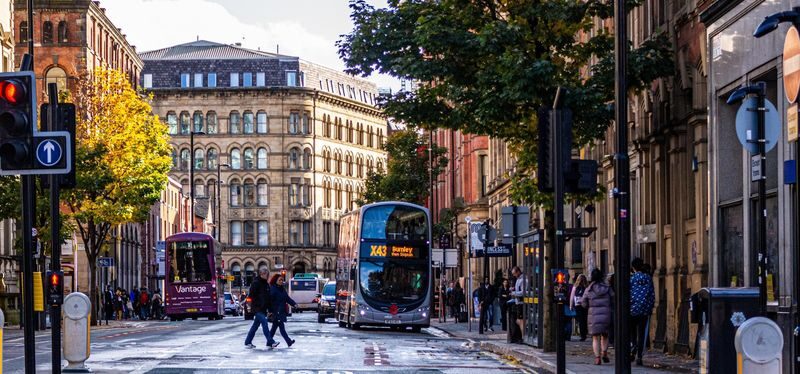
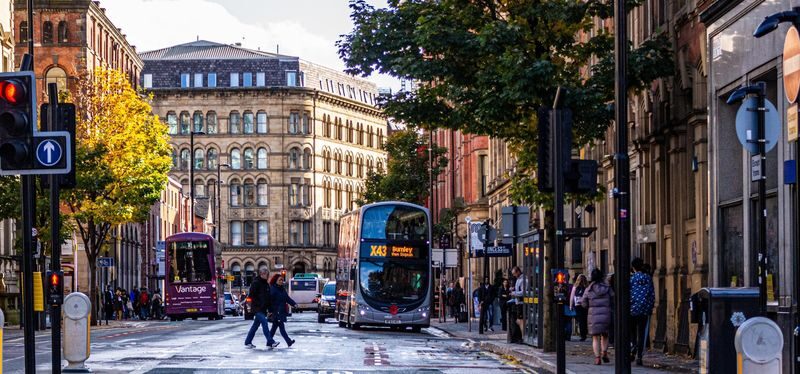
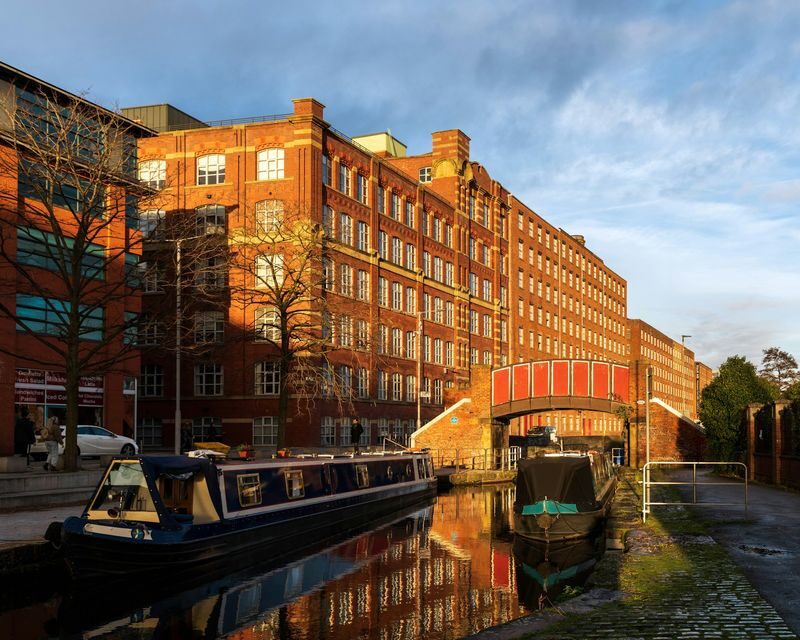
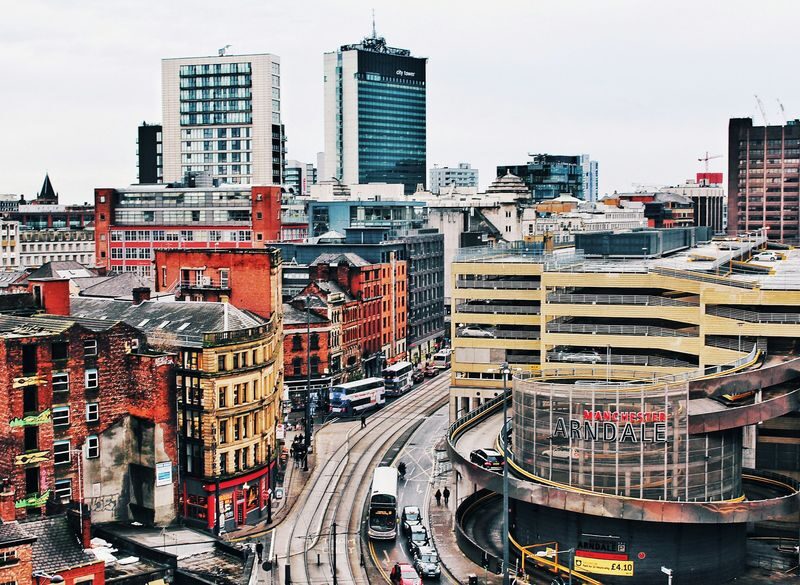
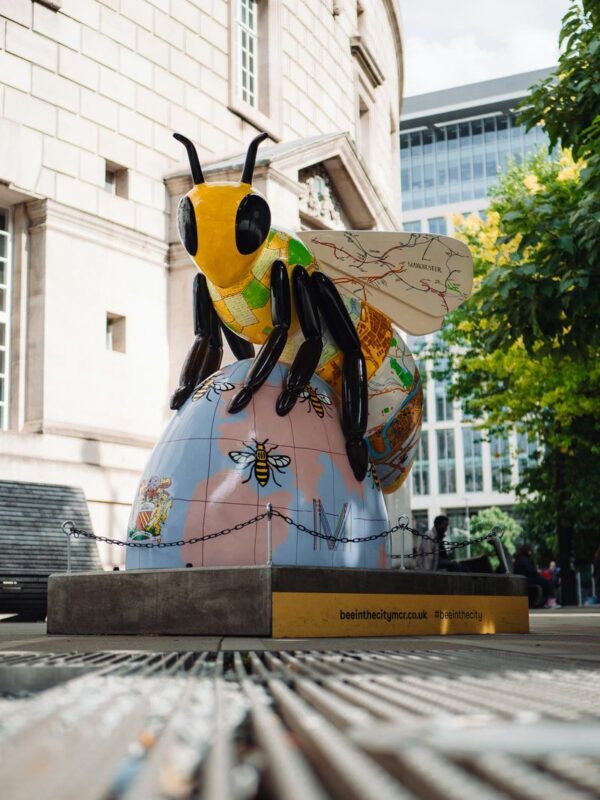
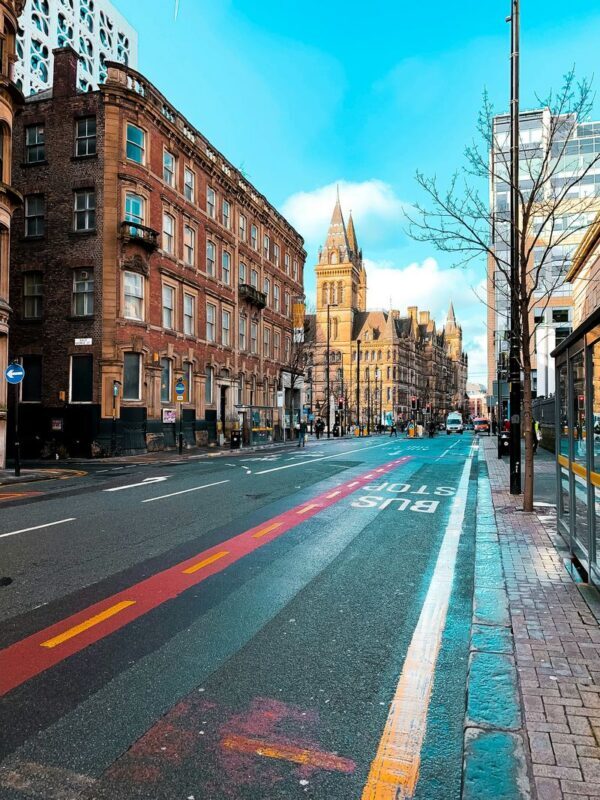
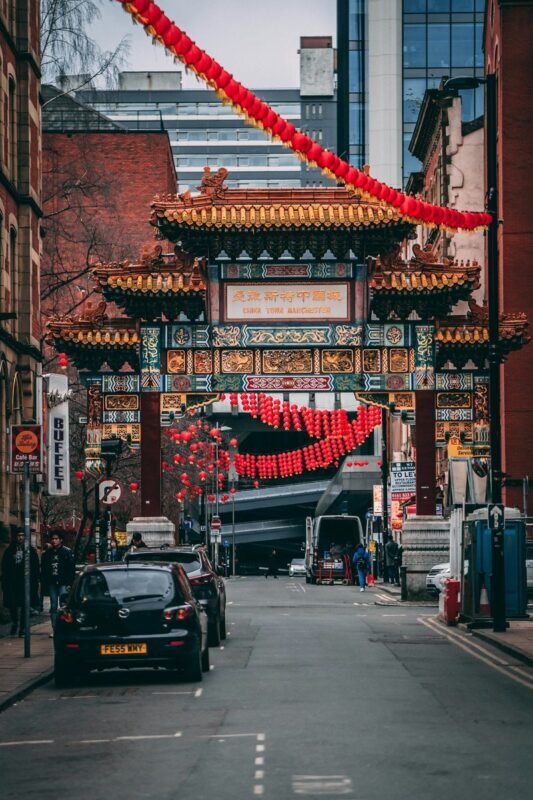
Manchester makes a good walking-tour city because its history is not tucked away in one museum district. Its industrial past, transport networks, cultural life and present-day creative scene appear in different parts of the centre, and this route tries to connect them on foot.
The city is associated with major developments ranging from factory production and steam rail to the first professional football league, the electronic computer and graphene. A two-hour walk cannot explain every claim in detail, but a guide can help you see how Manchester’s history extends well beyond cotton mills and football.
The tour also moves through several chapters of the city’s past: its origins, the Industrial Revolution, the two world wars and waves of immigration. That broad sweep is useful if you have just arrived and want a framework for exploring on your own. It is less suited to anyone hoping for a slow, specialist tour of one subject.

👉 See our pick of the 2 Best Workshops And Classes In Manchester
Piccadilly Gardens sets the starting point
The meeting point is the Queen Victoria Statue in Piccadilly Gardens. Arrive by 12:45 for the 1 pm departure. The tour ends at St Peter’s Square at about 3 pm, so you finish in a different part of the centre rather than returning to the start.
Piccadilly Gardens is a practical place to begin, near the city’s main Piccadilly area and a useful reference point for getting oriented. From there, the walk heads toward the Northern Quarter, where the route introduces Manchester’s contemporary creative side before turning toward older civic and industrial landmarks.
You should be ready to walk for the full two hours. Transport is not included, and the schedule may change with weather or traffic conditions. The route is not recommended for people with impaired mobility, pregnant participants or those with certain medical conditions.
You can also read our reviews of more walking tours in Manchester


Northern Quarter streets bring the modern city into view
The Northern Quarter is presented as a creative community, giving the walk a present-day counterpoint to its industrial and Victorian-era stops. This shift matters: Manchester is not simply a collection of preserved old buildings. The tour aims to show how its identity continues to change.
The route also passes through the Canal Street area, another chance to see the city’s current character alongside its historic centre. The supplied route outline includes the canal district, though the exact order and amount of time at each stop can vary at the guide’s discretion.
Expect a walking overview rather than a long pause at each address. With 20 landmarks to cover, the guide has to keep a steady pace. If you want to browse shops, take photographs at length or stop for a drink, save that for after the tour.
Victoria Station, Chetham’s Library and the Cathedral
From the modern quarter, the route reaches Victoria Station, Chetham’s Library and Manchester Cathedral. Together, they bring the tour into the older centre and offer a useful contrast between transport, learning and religious life.
Chetham’s Library is one of the named highlights, but the tour views attractions from the outside. Do not assume you will go inside the library or cathedral as part of the paid walk. If you want to visit any ticketed attraction, you will need to arrange admission separately; the guide’s explanation takes place outdoors.
This is where a guide can add value beyond a map. A building’s facade alone rarely explains why it matters, while a short account can connect it to the city’s broader development. Still, street noise is a practical concern. One tour participant reported that headphones were not supplied and that it was difficult to hear explanations on busy streets. I would ask in advance whether audio equipment will be available, and stand close to the guide when the group gathers.
The Royal Exchange and John Rylands Library add civic grandeur
The route includes the Royal Exchange Theatre and John Rylands Library, two prominent stops that help show how Manchester’s wealth and public life took architectural form. They are among the buildings that can make a city walk feel like more than a history lecture: you can look at the places where those stories are rooted.
Again, these are exterior visits. The two-hour format does not include time for a full interior tour, and admission fees are not part of the package. If the John Rylands Library is high on your list, plan a separate visit rather than counting on this walk to take you through its rooms.
That distinction is important when weighing the price. You are paying for a Mandarin-speaking guide and a structured route, not entrance to Manchester’s major sites. For a first afternoon in town, that can be a worthwhile exchange. For a deep visit to one or two buildings, independent entry and more time may suit you better.
Railways, canals and the Industrial Revolution
Manchester’s transport history gets a substantial place on the route. The reference itinerary includes the 1830 Railway Station, Science and Industry Museum, Roman fort remains and Bridgewater Canal, followed by Great Northern Warehouse. The exact order may change, but the sequence gives the walk a clear theme: how movement of people and goods helped reshape the city.
The tour frames Manchester as a birthplace of the British Industrial Revolution, a period when new production methods and transport links changed both the city and the wider world. The canal and railway stops help make that story visible on the ground. Instead of hearing about industrial growth in the abstract, you see the places connected to it.
The Science and Industry Museum is listed as an exterior stop, not an included museum visit. That is a useful distinction for planning. If you want to explore exhibits, allow separate time and check the museum’s own arrangements. The tour can point out why the site belongs in Manchester’s story, but it cannot substitute for an indoor visit.
You can also read our reviews of more guided tours in Manchester


Free Trade Hall, the Midland Hotel and St Peter’s Square
The final stretch includes the Free Trade Hall site and Midland Hotel before ending at St Peter’s Square. This brings the walk into Manchester’s civic centre, where public buildings and city spaces offer a closing view of its more formal architectural character.
The Free Trade Hall is listed as a site stop, while the Midland Hotel is a named landmark. Both help round out the route beyond the better-known cathedral and library. At St Peter’s Square, the guide dismisses the group, leaving you well placed to continue exploring the city centre.
Because the walk finishes away from Piccadilly Gardens, consider what you want to do next before setting off. The end point is part of the plan, not a return transfer. If you need to get back to your starting area, you will need to arrange your own transport or walk.
What the two-hour pace means for you
The tour advertises a route covering 20 landmarks and buildings, while the reference itinerary names a selection of stops. That is a lot to fit into two hours. Think of it as a city-wide sampler: you gain a sense of Manchester’s geography and a string of stories, but you should not expect to study every site at length.
A four-star rating appears in the available feedback, but the sample is very small, so it offers limited evidence about how the tour runs on a typical day. The useful practical point is the reported mismatch between the broad itinerary and the time available. The same participant found the brisk overview worthwhile, while noting that it felt rushed.
Sound can affect the experience as much as walking speed. Headphones were reportedly absent on one outing, making it harder to hear on busy streets. They are not listed among the inclusions, so do not count on receiving them. You can improve your chances of hearing by staying near the guide and gathering promptly at each stop.
Price, group size and who gets the best value
The group tour is advertised from roughly US$27 to US$31, depending on the displayed price. Treat that as a starting figure and check the amount shown for your chosen date before booking. A private option is also listed, with pricing calculated per group and an extra £5 for each additional person; the maximum group size is 20.
For the group price, the strongest value is the guided structure and Mandarin commentary. You cover a useful cross-section of Manchester without spending your first hours trying to connect its districts yourself. The trade-off is that admission, food, drinks, transport, tips and personal expenses are extra.
Children aged three to five can join free, while children aged six and older pay the adult rate. The minimum age is three. Group departures need at least four people, and groups can include up to 20. If a group does not reach the minimum, you can request a full refund or select another date.
The tour is a good fit if you speak Mandarin, want an efficient introduction and are comfortable with outdoor explanations. It is less suitable if you have limited mobility, need frequent pauses or want to enter several attractions during the walk. The guide can give you the context; you will need separate visits for the interiors.
Should you book the Manchester walk?
Book this if you want a guided, Mandarin-language overview of Manchester’s industrial roots and modern centre, and you are happy to keep moving. The route’s mix of railway, canal, library, cathedral and creative-quarter stops gives you a useful first map of the city.
Skip it if your priority is extended time inside museums and historic buildings, or if you prefer an unhurried stroll with long stops. Before booking, check the current price, confirm that the group departure is running, and ask whether headphones will be available. Those small checks can make a short tour much easier to enjoy.
Manchester City Walk: 2-Hour Immersive Tour with Chinese Guide
“Two hours was a bit rushed for the scope of the itinerary, but it was still very worthwhile to quickly gain a good understanding of the city's past…”
FAQ
Where does the tour begin and end?
It begins at the Queen Victoria Statue in Piccadilly Gardens and ends at St Peter’s Square. The walk does not return to the starting point.
What time should I arrive?
Meet at 12:45 for a prompt 1 pm start. You are asked to arrive 15 minutes early.
Is the tour conducted in Mandarin?
Yes. A Chinese-speaking guide leads the walking tour.
Are attraction admission fees included?
No. The attractions are viewed from outside, and admission to places requiring paid entry is not included.
How many people can join a group tour?
Group tours require at least four participants and allow a maximum of 20. The private tour option also has a maximum of 20 people.
Is the walk suitable for children?
Participants must be at least three years old. Children aged three to five join free, while children aged six and older pay the same rate as adults.