Makgeolli is more than a milky drink poured beside a plate of Korean pancakes. At Baekusaeng Makgeolli, you learn how rice, water, nuruk, and fermentation come together, then make a batch of your own at a working brewery. The hands-on part gives you a better feel for the craft than a tasting alone can.
I like two things here: you sample seasonal makgeolli, so the lesson connects flavor to the time of year, and you make roughly 1.5 liters to keep fermenting at home. Instructors Joe and Isaac have both led classes, with a relaxed teaching style that makes the steps approachable.
One point to plan around: your bottle is still fermenting after class, so timing matters. Take the class early in your Seoul trip if you can, and check the current price before booking: the supplied prices differ, with one showing $80.15 and another $88.15.
- What makes this makgeolli class worth your time
- Start with the drink, then understand the craft
- What happens during the class
- Why the seasonal tasting matters
- Making your own batch is the best souvenir
- The instructors and teaching style
- Location and practical planning in Mapo-gu
- Who will enjoy the class most
- Should you book Baekusaeng’s makgeolli class?
- FAQ
- Where does the makgeolli class take place?
- How old do I have to be to participate?
- How much makgeolli will I make?
- Can I take my homemade makgeolli home?
- When should I take the class during my trip?
- What is included in the class?
- What is the starting price?
- The Best Of Seoul!
- More Drinking Tours in Seoul
- More Tours in Seoul
- More Tour Reviews in Seoul
- Not for you? Here's more nearby things to do in Seoul we have reviewed
What makes this makgeolli class worth your time
 1 / 9
 2 / 9
 3 / 9
 4 / 9
 5 / 9
 6 / 9
 7 / 9
 8 / 9
 9 / 9
- Taste seasonal brews: Sample Baekusaeng’s makgeolli and learn how changing ingredients and conditions affect flavor.
- Make a batch from scratch: Work through the brewing process, including ingredients, fermentation, filtering, and conditioning.
- Learn the role of nuruk: See how rice, water, nuruk, and fermentation work together to make Korean rice wine.
- Take home about 1.5 liters: Your batch needs more time to ferment, and the class includes guidance for caring for it on the journey home.
- Meet the craft at a working brewery: Baekusaeng Makgeolli is both the class venue and the brewery making the drink you taste.
- Plan for an adult-only activity: Participants must be at least 20 years old.
👉 See our pick of the 25 Best Guided Tours In Seoul
Start with the drink, then understand the craft
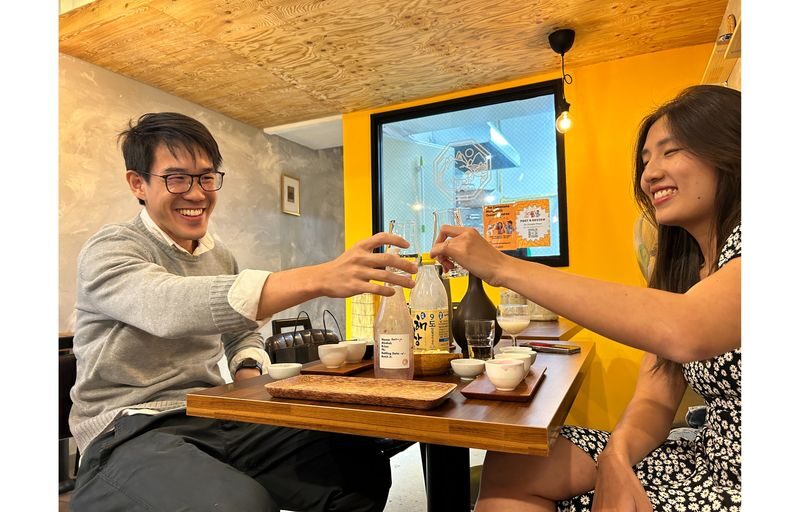
Makgeolli is Korean rice wine, traditionally associated with a cloudy appearance and a gentle, tangy character. The class at Baekusaeng gives you a way to look beyond the glass: you learn what goes into the brew and how fermentation changes it.
That context is useful even if you have already tried makgeolli at a restaurant. A drink that looks simple can vary with its ingredients and the way it is brewed. Sampling seasonal versions lets you compare those differences while the instructor explains the process.
The brewery setting also suits the subject. This is not just a drink-making activity staged for visitors; Baekusaeng is a working brewery, and the class connects its teaching to the product made there. You get a closer look at how a local producer thinks about the drink, without needing prior brewing experience.
You can also read our reviews of more drinking tours in Seoul



What happens during the class
Expect a one-day class that covers the makgeolli process from ingredients through tasting. The information provided does not give a minute-by-minute schedule, so the exact order and length of each part may vary. The core is clear, though: you learn about the ingredients, take part in brewing, taste makgeolli, and leave with a batch of your own.
The lesson begins with the basics: rice, water, nuruk, and fermentation. Nuruk is central to traditional Korean brewing, and understanding its role helps explain why makgeolli is not simply rice mixed with water. You learn how these ingredients work together to produce the drink.
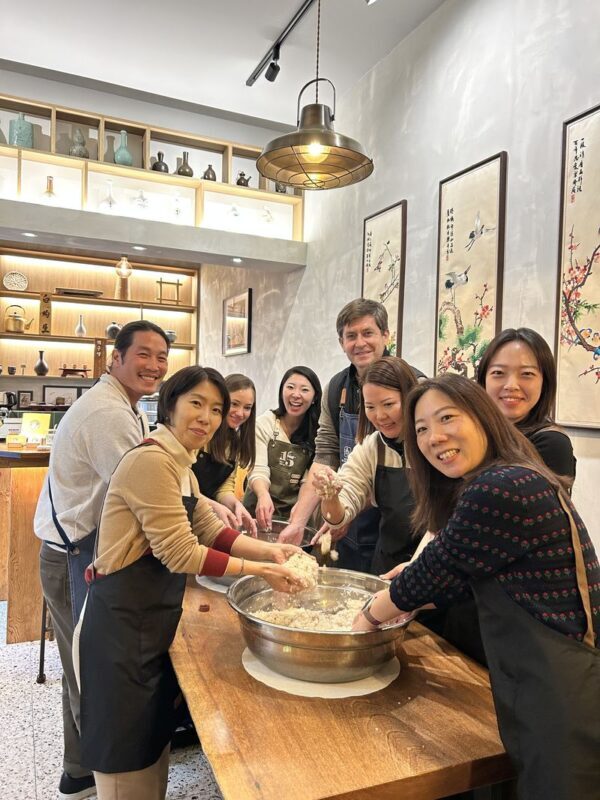
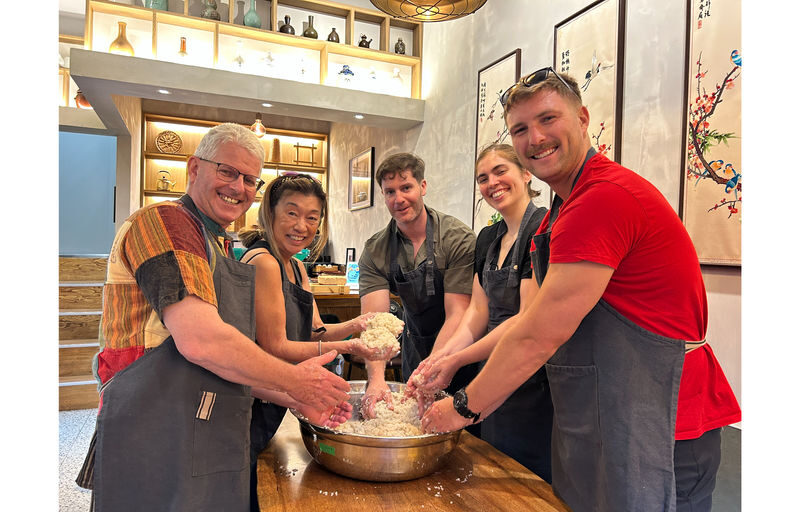
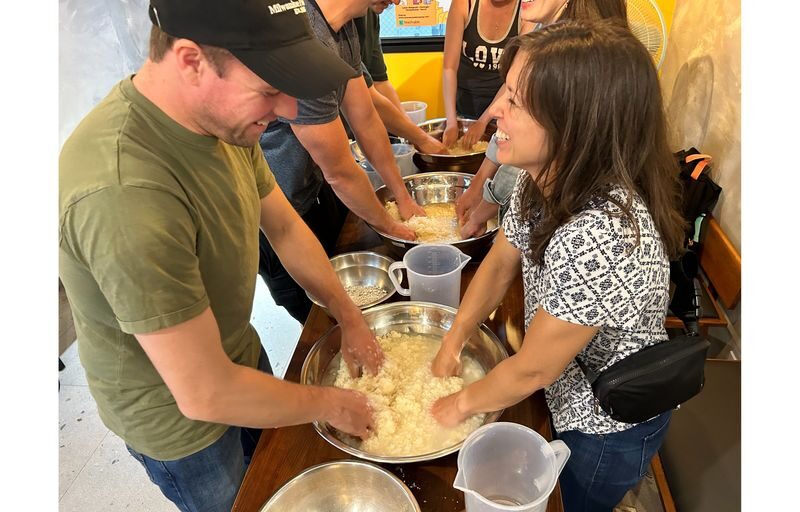
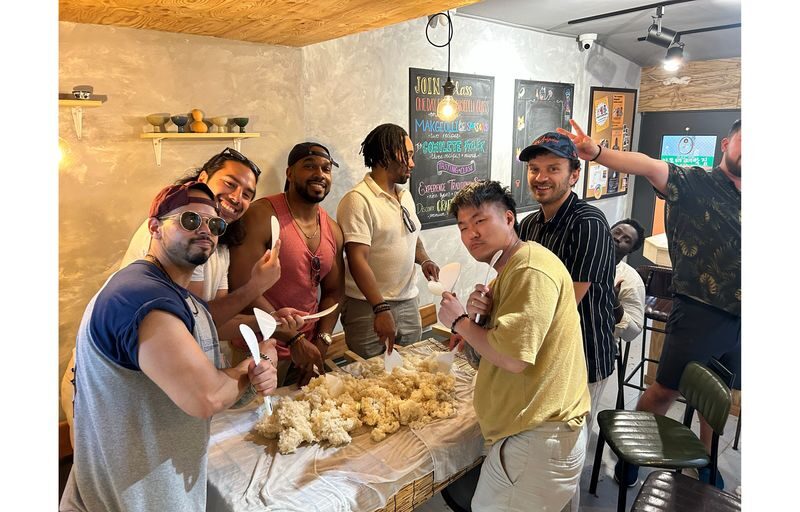
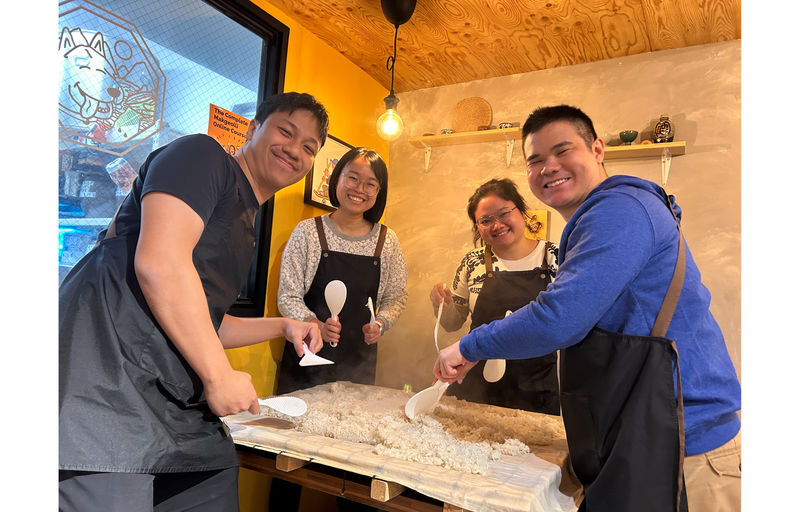
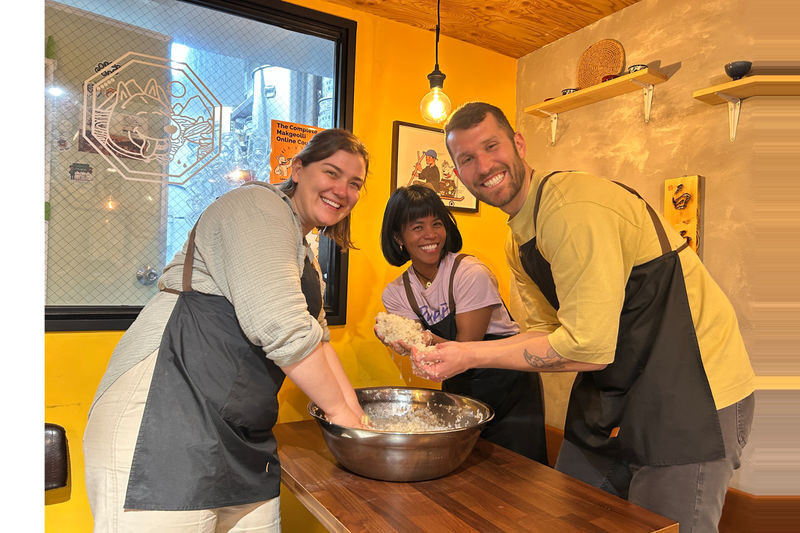
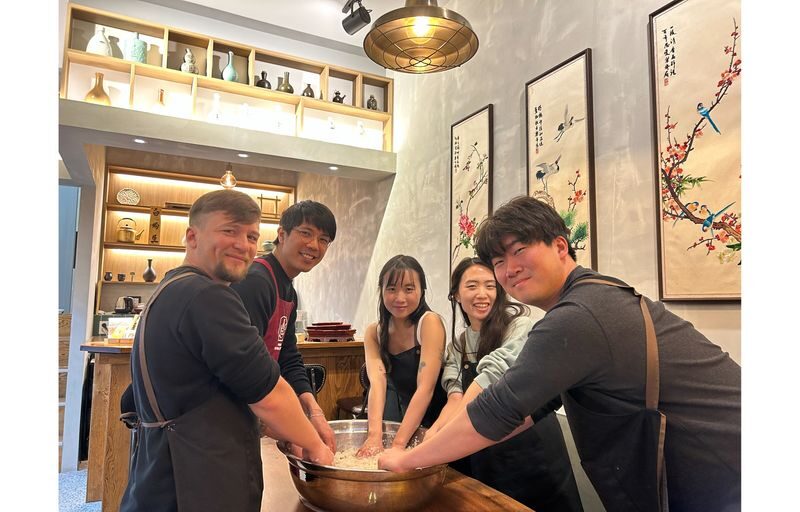
From there, the class moves into the practical work. You take part in making makgeolli from scratch, with instruction covering fermentation, filtering, and conditioning as well as ingredient selection. That makes the experience more useful than a demonstration: you are involved in the method and can connect each stage to the finished drink.
Tasting gives the lesson a good reality check. You sample fresh seasonal makgeolli brewed at Baekusaeng and learn how flavor changes over the year. That matters because brewing is not a fixed recipe with a single result. The ingredients and fermentation process shape what ends up in the cup.
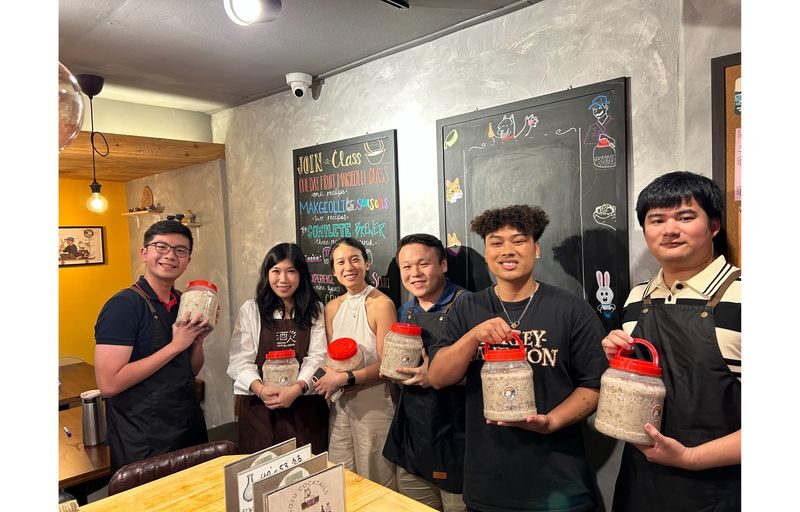
Finally, you make and bottle roughly 1.5 liters of makgeolli. It continues fermenting after class, so the bottle you leave with is part of an ongoing process rather than a finished souvenir. You also get advice on how to transport and care for it while traveling.
Snacks are included. Other personal expenses are not, so bring what you need for anything beyond the class and its included refreshments.
Why the seasonal tasting matters
A tasting is easy to treat as a pleasant extra, but here it serves a practical purpose. Once you have learned about rice, water, nuruk, and fermentation, trying Baekusaeng’s seasonal brews gives you a chance to notice how those elements affect the final drink.
You do not need a trained palate to get something from this. The point is not to identify obscure tasting notes. It is to connect what you learn about the brewing process with the differences you can taste, and to understand that makgeolli changes with the season.
This part also helps you judge what you like. If you have only had one type of makgeolli before, sampling the brewery’s seasonal versions offers a broader sense of the drink. It may make you more confident ordering it later in Seoul, or choosing a bottle to take home.
Making your own batch is the best souvenir
The class’s most tangible result is your own makgeolli, about 1.5 liters of it. That is a more personal keepsake than a bottle bought off a shelf, because you have taken part in the brewing and learned what happens after you leave.
The key is to think of the batch as a living project. It needs time to ferment, and the class gives you guidance on transport and care. If you are flying home, you will need to follow those instructions rather than assume the bottle is ready to drink the moment the class ends.
For the best chance of having it ready before you leave Korea, book the class early in your trip. That gives your batch more time to ferment. If you are near the end of your visit, you can still take part, but you may need to continue caring for it after you return home.
You do have another option. One participant chose to leave their batch with Joe and buy already-made bottles to take home instead. That is a useful possibility to ask about, but do not assume it is included or available on every date. The class information confirms that you can make your own and receive transport advice; it does not promise storage or a separate bottle purchase.
The instructors and teaching style
Joe and Isaac have both been named as instructors in accounts of the class. Joe was praised for making the lesson easy to follow and for sharing his enthusiasm for makgeolli. Isaac was described as relaxed and generous with information about the brewing process and Korean drinking culture.
That kind of teaching matters in a class involving several stages and unfamiliar terms. You want an instructor who can explain the process without turning it into a technical lecture. The experience is presented as suitable for a range of participants, and past classes have been described as approachable as well as informative.
Still, the instructor on your date is not specified in the activity details. If meeting a particular teacher is important to you, contact the provider before booking rather than assuming Joe or Isaac will lead your session.
You can also read our reviews of more tours and experiences in Seoul




Location and practical planning in Mapo-gu
The meeting point is Baekusaeng Makgeolli, at 60, Gullebang-ro 9-gil, Mapo-gu, Seoul. Use the full address when planning your route, since the supplied details do not specify a nearby station, walking time, or transport arrangement.
The voucher is valid only for the date and time you book, and participants must be 20 or older. Confirmation is expected within 24 hours; if it does not arrive, contact customer support. The class includes snacks, but personal expenses outside the activity are not covered.
The supplied pricing needs a quick check before you pay. The package information says the one-day class starts at US$80.15, while the summary gives a starting price of US$88.15. Prices can change, so use the current checkout total as the final figure and check what is included.
At either quoted price, value depends on what you want from your Seoul plans. This is not just a short tasting: you get instruction, hands-on brewing, seasonal samples, snacks, and a batch to continue fermenting. If you are curious about Korean food and drink culture, that combination makes the fee easier to justify than a simple drink purchase.
Who will enjoy the class most
This is a strong fit if you like understanding how food and drink are made, rather than only sampling the finished product. It also suits visitors who want a local activity with a clear takeaway and a story attached to it. You will leave with a better grasp of makgeolli and, if you take your batch with you, a project that continues after class.
It is particularly appealing to anyone who has tasted makgeolli and wants to know what makes one version different from another. The seasonal tasting, brewing lesson, and practical work all support that curiosity. You do not need to arrive as a brewer, but you should be happy to listen, participate, and handle the process.
It may be less suited to someone seeking a quick activity with no follow-up. Your homemade batch requires care and more fermentation time, and the exact class duration is not provided. If your schedule is tight or you do not want to transport a fermenting bottle, ask whether leaving your batch behind or buying finished bottles is possible before you commit.
Should you book Baekusaeng’s makgeolli class?
I would book this if you want a hands-on taste of Korean brewing culture and have room in your itinerary for your batch to ferment. The strongest reasons are the combination of seasonal tasting, practical brewing, and clear instruction from people who know the drink. It offers more than a tasting flight, while still being accessible if this is your first time learning about makgeolli.
Book early in your Seoul stay if you hope to bring your own bottle home. If that is not practical, contact Baekusaeng about the options before class. And confirm the final price, since the supplied starting figures do not match. For curious food and drink fans, those small planning steps can turn a pleasant class into one of the more memorable, hands-on stops in Seoul.
Learn To Brew Makgeolli at a Working Brewery
“it was super fun, and we highly recommend it!”
FAQ
Where does the makgeolli class take place?
It meets at Baekusaeng Makgeolli, 60, Gullebang-ro 9-gil, Mapo-gu, Seoul, Republic of Korea.
How old do I have to be to participate?
Participants must be at least 20 years old.
How much makgeolli will I make?
You will make and bottle approximately 1.5 liters to continue fermenting after class.
Can I take my homemade makgeolli home?
Yes. The class provides guidance on transporting and caring for your makgeolli during your travels, including for international flights.
When should I take the class during my trip?
Early in your trip is recommended, so your batch has more time to ferment before you leave Korea.
What is included in the class?
The package includes the one-day class experience and snacks. Other personal expenses are not included.
What is the starting price?
The supplied package details show a starting price of US$80.15, while the summary lists US$88.15. Check the current booking total before paying.