Wazuka gives this udon class its main appeal: you leave Kyoto’s city streets for a rural town known for tea, then make thick noodles by hand. I like the chance to work the dough yourself, and the simple finish of udon with Wazuka matcha and chadango, a sweet skewered dumpling.
One thing to weigh is the gap between the class description and what you may actually do. The experience is advertised as including broth preparation, but some participants only made the noodles; the host speaks limited English, too, which can make questions and ingredient explanations harder.
- What to know before you book
- A country outing built around one Japanese staple
- From flour to hand-cut udon
- The bowl, the matcha, and the possible extra charge
- Wazuka is part of the value, but getting there takes time
- Language, dietary needs, and who will enjoy it
- Is the class worth the price?
- Should you book this Wazuka udon class?
- FAQ
- How long is the udon-making experience?
- Where does the class meet?
- How do I get to Wazuka from Kyoto Station?
- What do I make and eat?
- Is broth-making included?
- Does the host speak English?
- Can children take part?
- Can I attend with a buckwheat allergy or a vegetarian diet?
- The Best Of Kyoto!
- More 1-Hour Experiences in Kyoto
- More Tours in Kyoto
- More Tour Reviews in Kyoto
- Not for you? Here's more nearby things to do in Kyoto we have reviewed
What to know before you book
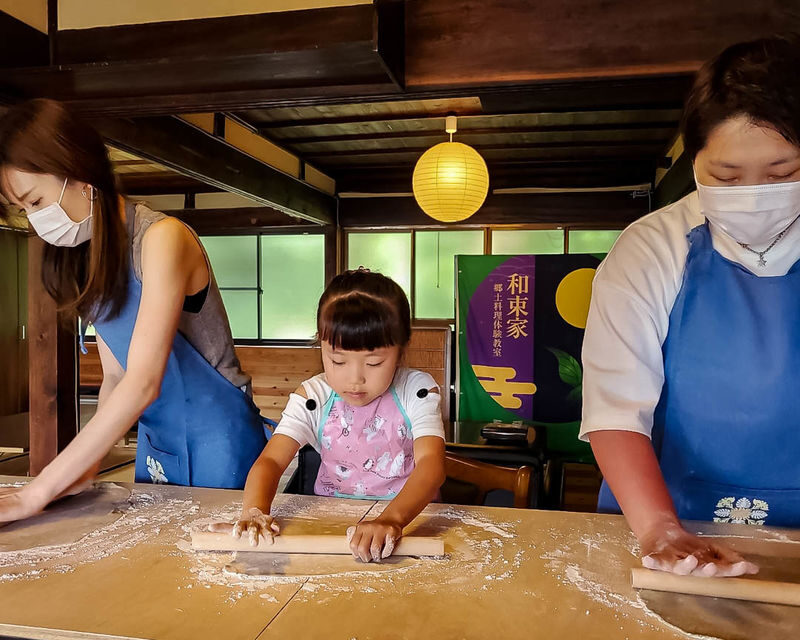
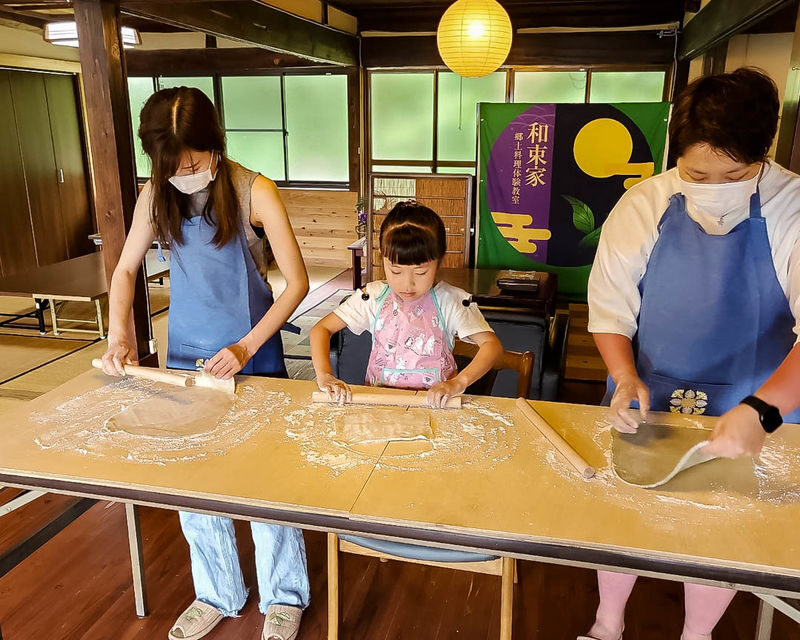
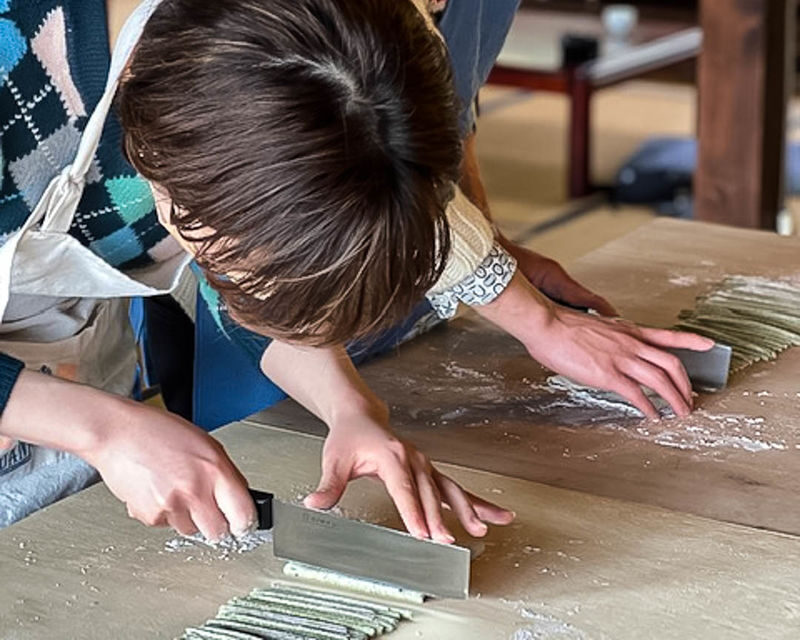
- The hands-on part centers on noodles: Mix flour and water, knead the dough, flatten it, and cut it into udon.
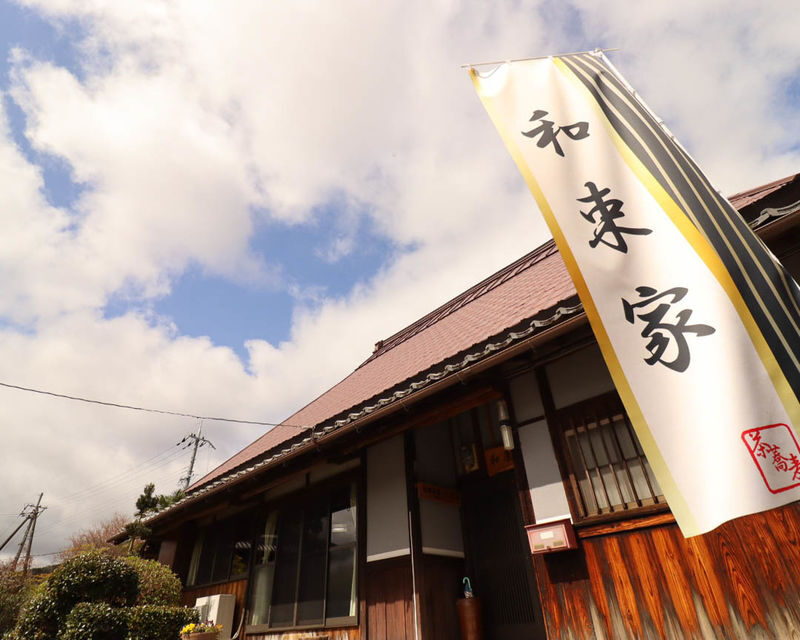
- The setting is rural Wazuka: The meeting point is in Ishitera, Wazuka, Soraku District, outside central Kyoto.
- Your meal includes local touches: The listed package includes a bowl of udon, Wazuka matcha, and chadango.
- Broth and toppings need a reality check: The description promises broth preparation, while reports from participants say the practical activity focused on noodles. Ask what is included, and confirm whether toppings cost extra.
- Getting there takes planning: The trip from Kyoto Station is described as about an hour by car and roughly 1 to 1.5 hours by public transport.
- The timing details conflict: The class is presented as one hour, but another duration field says eight minutes. Confirm the actual schedule before making plans around it.
👉 See our pick of the 25 Best Workshops And Classes In Kyoto
A country outing built around one Japanese staple
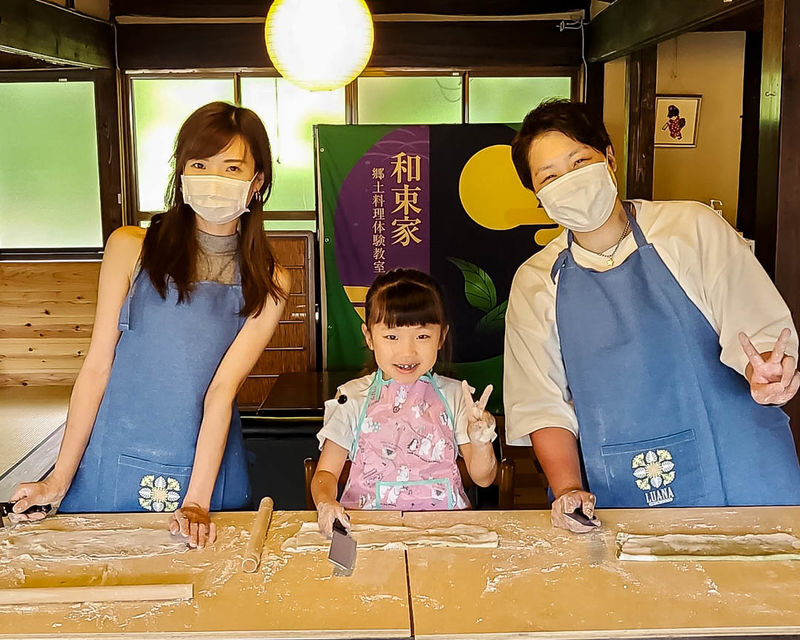
Udon is a familiar comfort food across Japan, but making the noodles by hand offers a more tactile introduction than simply ordering a bowl. In this class, you work through the basic stages: combine flour and water, knead the dough, flatten it, then cut it into thick noodles.
That straightforward process is the clearest reason to book. You are not just watching a cook at work; you take part in turning basic ingredients into something you can eat. If you like practical food activities, the satisfaction is in seeing the dough change under your hands and then tasting the result.
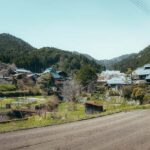
The setting adds a second layer. Wazuka is a quiet rural town in Kyoto Prefecture, and this meeting point is well away from Kyoto Station. The outing can suit you if you want a countryside stop as part of your trip, rather than another cooking class in the city.
There is an important distinction between what the class description suggests and what the experience may deliver. It describes making a rich broth with bonito flakes, seaweed, and local toppings, and says local hosts will explain the ingredients. Yet participants have described a session focused on making the noodles, with the bowl served afterward. Go in expecting to learn noodle-making first, and treat the broth lesson as something to confirm rather than a sure thing.
You can also read our reviews of more tours and experiences in Kyoto


From flour to hand-cut udon
The central activity is a basic, hands-on noodle lesson. You mix water with flour, knead the dough, flatten it, and cut it into strips. The available details do not specify how long each stage lasts or whether the host demonstrates a particular cutting technique, so it is best not to expect a long culinary workshop with a detailed lesson plan.
Even a simple process can be rewarding if you want to try a Japanese kitchen skill yourself. Udon dough is a different kind of project from assembling toppings or preparing a ready-made noodle dish: you take part in making the noodle from its earliest stage. That makes this a better fit for curious beginners than for cooks looking for advanced instruction.
The limitation is the narrow scope. One participant, who had attended a more extensive ramen workshop the day before, found this class less involved and said it covered only noodle-making. That comparison is useful: this experience appears to be a short introduction, not a full meal-preparation course where you control every part of the dish.
If you want the class to include broth work, ask before paying. The description names bonito flakes and seaweed, but that does not guarantee you will prepare those ingredients yourself. The difference matters if your main reason for booking is to learn how Japanese soup stock is made.
The bowl, the matcha, and the possible extra charge
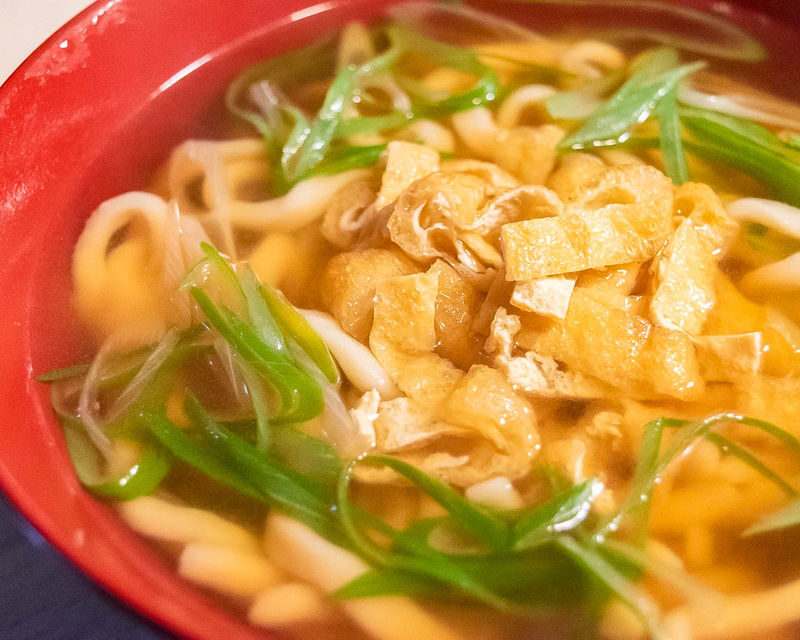
The listed Udon Making Class includes a bowl of udon, Wazuka matcha, and sweet chadango. That gives the class a pleasant ending: after working with the dough, you sit down to eat and enjoy tea associated with the region. The udon itself has drawn praise for its taste, which is a worthwhile payoff after the hands-on work.
Still, read the meal description carefully. The class description mentions broth and local toppings, while participants have described the meal as just the udon they made. One person also misunderstood a menu as a way to choose a topping, then found that the selected item cost extra.
That does not establish that toppings always carry a charge, but it is a good reason to ask before ordering. If the host hands you a menu, check whether it lists included choices or paid add-ons. With limited spoken English, a translation app or a short written question may help you avoid an awkward surprise.
The Udon Making Class with Gift option starts at $50.95, compared with $44.19 for the basic class. The included gift is not described in the available details, so consider the higher price only if you can confirm what the gift is and value it. The basic package already lists the meal, matcha, and chadango.
Wazuka is part of the value, but getting there takes time
The address is Hatsuohira-21 Ishitera, Wazuka, Soraku District, Kyoto 619-1221. The experience is not in central Kyoto, and transport is not included. That changes the value calculation: the class price is only one part of the outing, because you also need to allow for the journey to and from Wazuka.
The transport estimates do not line up perfectly. One note says about an hour from Kyoto Station by car and about 1.5 hours by public transport. Another describes taking a train for around an hour to JR Kamo Station, then a bus from the west exit to Wazukatakahashi, with the bus ride taking about eight minutes. Waiting time and other parts of the trip may affect the total, so plan for the longer estimate and use the precise directions on your voucher.
This trip makes more sense if you want to see rural Kyoto, or have a reason to spend time outside the city. If you are squeezing in a class between major sights in central Kyoto, the journey may feel like a lot for a one-hour activity. The countryside setting is part of the appeal, but it also asks for more of your day.
Arrive on time. If you are more than 15 minutes late, you will not be able to take part, and you are asked to notify the host if you are running behind. Leave room for a missed connection or a bus wait rather than aiming for a tight arrival.
Language, dietary needs, and who will enjoy it
The host speaks limited English and may use a translation machine. A friendly welcome is possible, but you should not count on a detailed spoken explanation of every step or ingredient. If you are keen to learn the names of ingredients or ask about the cooking method, prepare a few short questions in advance and be ready to use translation software.
Vegetarian diets can be accommodated, but the experience cannot accept anyone with a buckwheat allergy. The class is described as an udon activity, yet the allergy restriction is explicit, so check with the host in advance if you have dietary concerns or restrictions. Do not assume that a request not specifically mentioned can be met.
Families can attend, with a few conditions. Children aged 1 to 4 are free, but infants and children still need to be included in the passenger headcount. Children aged 1 to 12 must be with a paying adult, and those aged 13 or older pay the adult rate.
The activity is not wheelchair-accessible or stroller-accessible. That is worth checking before booking if anyone in your group needs step-free access or space for a stroller.
I would recommend this most to you if you enjoy simple cooking activities, want to make noodles by hand, and welcome a rural outing as part of your Kyoto visit. It is less suited to you if you expect a full cooking lesson covering broth, toppings, and several stages of meal preparation, or if the long journey feels out of proportion to a short class.


Is the class worth the price?
At $44.19, the basic class includes ingredients and cooking utensils, a bowl of udon, Wazuka matcha, and chadango. That is a reasonable set of inclusions for a hands-on activity, especially if you value the chance to make noodles yourself and try a local tea. But the fare does not include transport, and the time and cost of reaching Wazuka can be a bigger part of your day than the class fee suggests.
The value depends on what you expect to learn. If your goal is to knead and cut udon, eat the result, and visit a quieter part of Kyoto Prefecture, the price may make sense. If you are choosing between this and a more involved cooking class, first check how much of the broth and topping preparation you will actually do.
The experience has an overall rating of 2.5 out of 5 from two ratings, a very small sample, so it should not be treated as a firm verdict. The most positive points are the setting, the pleasant staff, and tasty udon. The main cautions are limited English, a lesson that may focus narrowly on noodles, and uncertainty about what accompanies the bowl.
One scheduling detail deserves special attention: the experience is titled as a one-hour class, while a separate duration field says eight minutes. The description also says that eating time can vary by about twenty minutes depending on the group. Confirm the intended start and finish times before you arrange transport or other plans.
Should you book this Wazuka udon class?
Book it if you want a modest, hands-on noodle activity in the countryside and will enjoy the outing even if the lesson stays focused on the dough. The Wazuka tea and chadango give the meal a local touch, and the finished udon has been praised for its taste.
I would pause if you are booking mainly for a detailed lesson on broth, toppings, or Japanese cooking terms. Before committing, ask what you will prepare beyond the noodles, whether any toppings cost extra, and how long the session actually lasts. With those points clear, you can decide whether the countryside trip and simple cooking lesson are worth your time.
Kyoto Countryside Udon Making from Scratch (1 Hour)
FAQ
How long is the udon-making experience?
It is presented as a one-hour class, but a separate duration field says eight minutes. Eating time can vary by about twenty minutes depending on the group, so confirm the schedule before booking.
Where does the class meet?
The meeting point is Hatsuohira-21 Ishitera, Wazuka, Soraku District, Kyoto 619-1221, Japan. The venue name provided is 蕎麦打ち体験教室 和束家.
How do I get to Wazuka from Kyoto Station?
The information gives estimates of about one hour by car and roughly 1 to 1.5 hours by public transport. One route is to take a train to JR Kamo Station, then a bus from the west exit to Wazukatakahashi. Check your voucher for detailed directions.
What do I make and eat?
You make udon dough by mixing water and flour, kneading it, flattening it, and cutting it. The included meal is a bowl of udon, Wazuka matcha, and chadango.
Is broth-making included?
The class description says you will prepare broth with bonito flakes, seaweed, and local toppings. However, the practical activity may focus on making the noodles, so ask the host what you will prepare before booking.
Does the host speak English?
The host has limited English and may use a translation machine. You may want to prepare short questions in advance if you hope to ask about ingredients or techniques.
Can children take part?
Children aged 1 to 4 are free, but they must be included in the passenger headcount. Children aged 1 to 12 must be accompanied by a paying adult, and children aged 13 or older pay the adult rate.
Can I attend with a buckwheat allergy or a vegetarian diet?
Vegetarian diets can be accommodated. People with buckwheat allergies cannot participate, and you should inform the host in advance about dietary needs.