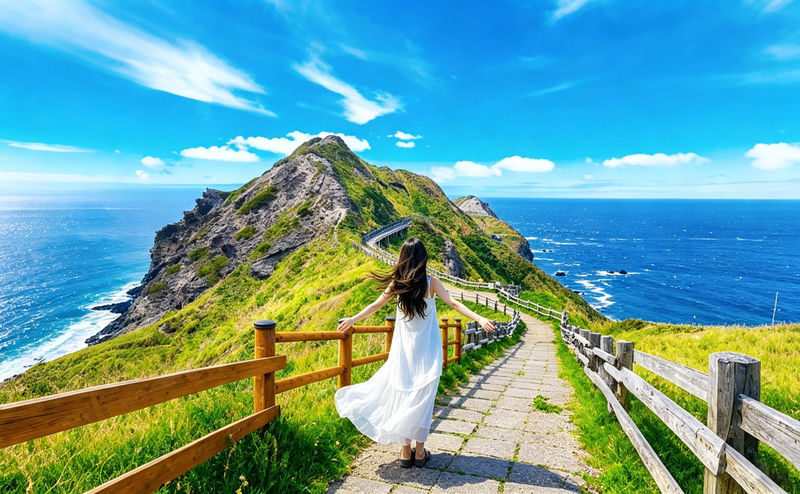
Cape Kamui’s ridge walk is the big draw: a narrow trail leads toward a lighthouse above the Sea of Japan, with wide views on both sides. This Sapporo day trip pairs that brisk hike with Otaru’s canal district, Yoichi whisky and two more coastal stops.
I like the mix of dramatic coast and small-town culture, and the fact that round-trip transport makes these scattered sights practical in one day. I also like that the Yoichi stop offers a look at a rare coal-fired whisky-making method, not just a photo stop.
The trade-off is time. Cape Kamui gets about an hour, and the hike to the lighthouse can take nearly all of it; bad weather, traffic or a slow group can also shorten stops or remove attractions. This suits you best if you can keep a steady pace.
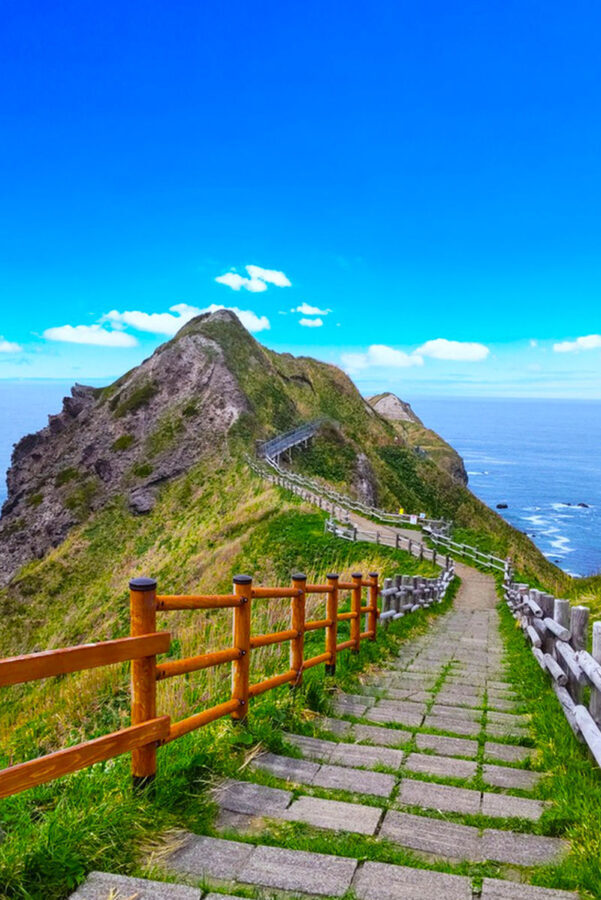
- Cape Kamui’s Charenka Trail runs about 770 meters along a ridge toward a black-and-white lighthouse, with cliffs and sea views on both sides.
- Yoichi Distillery is known for direct coal-fired distillation, a labor-intensive method that calls for careful control by the person tending the fire.
- Otaru gets two hours, enough for a canal-side stroll and a taste of the town’s glass and music-box shops, but not an exhaustive visit.
- Shimamui Coast and Cape Kogane add two distinct coastal views, though their 20- and 40-minute stops are short.
- Guide arrangements depend on group size: groups of 12 or fewer may have a driver only, while larger groups are assigned a driver and guide.
- Check your final meeting details carefully. The supplied information gives different Sapporo Station times, so rely on the operator’s message the day before.
- One day from Otaru to the Shakotan coast
- Otaru Canal, glass and music boxes
- Yoichi Distillery’s coal-fired whisky
- Cape Kamui and its exposed ridge trail
- Shimamui Coast, a short pause by the sea
- Cape Kogane and the late-afternoon light
- How the pace and transport affect the day
- What the price buys
- Who should choose this trip
- Should you book it?
- FAQ
- Where does the tour depart from?
- What time does the tour return to Sapporo?
- Which places does the tour visit?
- Is a guide included?
- How long is the walk at Cape Kamui?
- Are meals included?
- Can children join the tour?
- Is travel insurance included?
- The Best Of Hokkaido!
- More Tours in Hokkaido
- More Tour Reviews in Hokkaido
- Not for you? Here's more nearby things to do in Hokkaido we have reviewed
One day from Otaru to the Shakotan coast

This is a long loop from Sapporo, designed to cover places that are awkward to connect by public transport in a single day. The route moves from Otaru to Yoichi, then out along the Shakotan Peninsula before returning to Sapporo in the evening.
That arrangement makes the tour useful if you have limited time, or would rather not plan separate buses and transfers. In exchange, you accept a fixed schedule and short visits. You will need to be ready when the guide calls the group back.
The main schedule lists departure in the morning and a return to Sapporo Station at about 18:30. The detailed meeting information also lists an 08:10 Sapporo Station North Exit pickup and an 08:00 option at Datong Park Subway Station, while another section gives an 08:40 assembly time and 08:50 departure. These details do not line up, so check your confirmation and the message sent the day before for the correct location and time.

👉 See our pick of the 4 Best Guided Tours In Hokkaido
Otaru Canal, glass and music boxes
Otaru is the gentler start to a day that grows more rugged as it goes. You have about two hours here, with the canal and its red-brick warehouses as the natural first stop. The water and old buildings make a good introduction to the port town, and the area is associated with the film Love Letter.
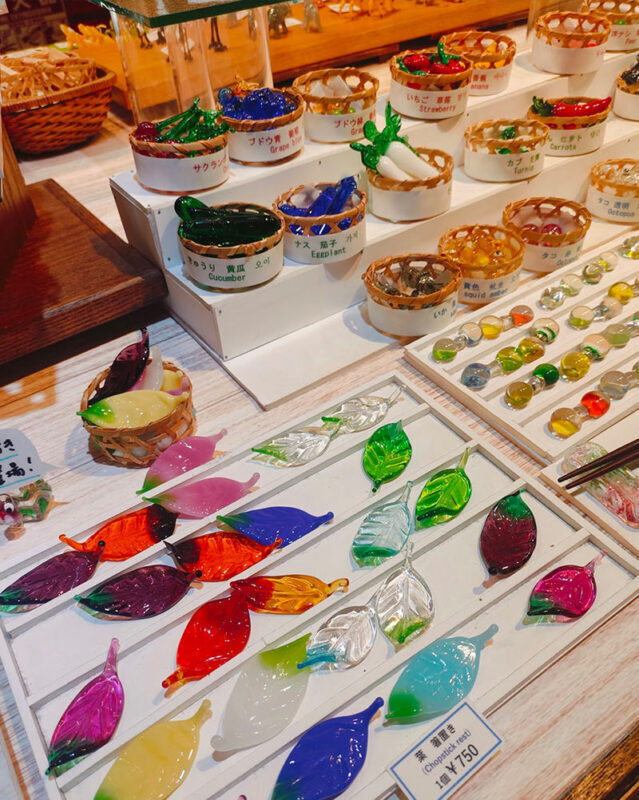
There is more to Otaru than the canal. Glasswork and music boxes are among the town’s best-known crafts, and you can browse for a while or simply wander the streets. Two hours gives you room to choose a few stops, but it is not enough to see every shop or attraction at leisure.
The schedule notes that some Otaru attractions may be skipped because of capacity or weather. I would treat the time as a chance to get a feel for the town rather than a promise of a full sightseeing circuit. If a particular shop or museum matters to you, ask the guide whether it fits once you arrive.
You can also read our reviews of more tours and experiences in Hokkaido.


Yoichi Distillery’s coal-fired whisky
At around 12:30, the tour reaches Nikka Whisky Yoichi Distillery for a 45-minute visit. Masataka Taketsuru founded it in 1934, drawing on the Scottish whisky-making traditions he admired. Its stone buildings with red roofs are among the site’s defining features.
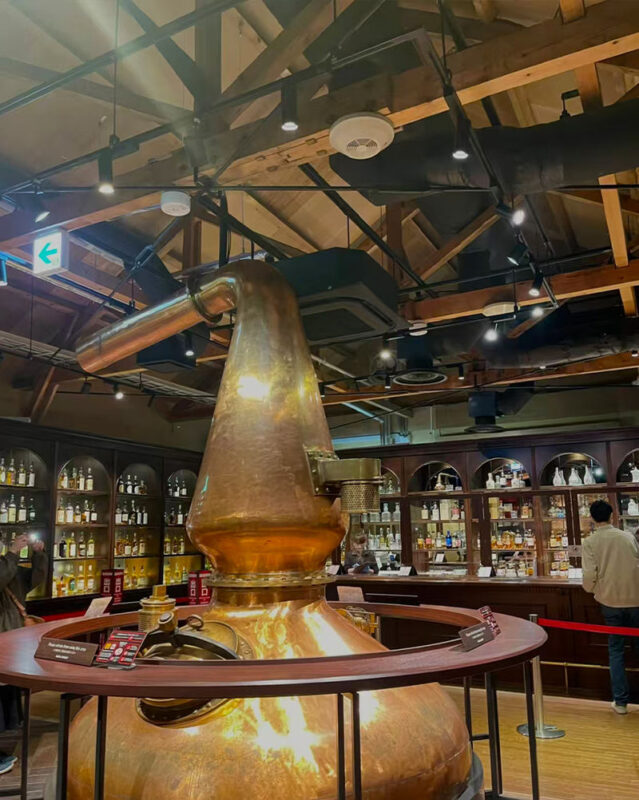
The most unusual detail is the use of direct coal-fired distillation, a method the distillery is described as the only one in the world still using. It is harder to control than more automated heating, relying on the skill of the person tending the coal. Yoichi whisky is associated with a firm, smoky character, and the distillery also uses new oak barrels, known as virgin casks, for maturation.
Forty-five minutes is enough for a focused look, not a slow visit. Whisky fans will likely value the stop more than anyone simply hoping to sample a range of drinks; meals and beverages are not included, and the tour does not specify a tasting. Take the buildings and production story as the main draw.
Cape Kamui and its exposed ridge trail
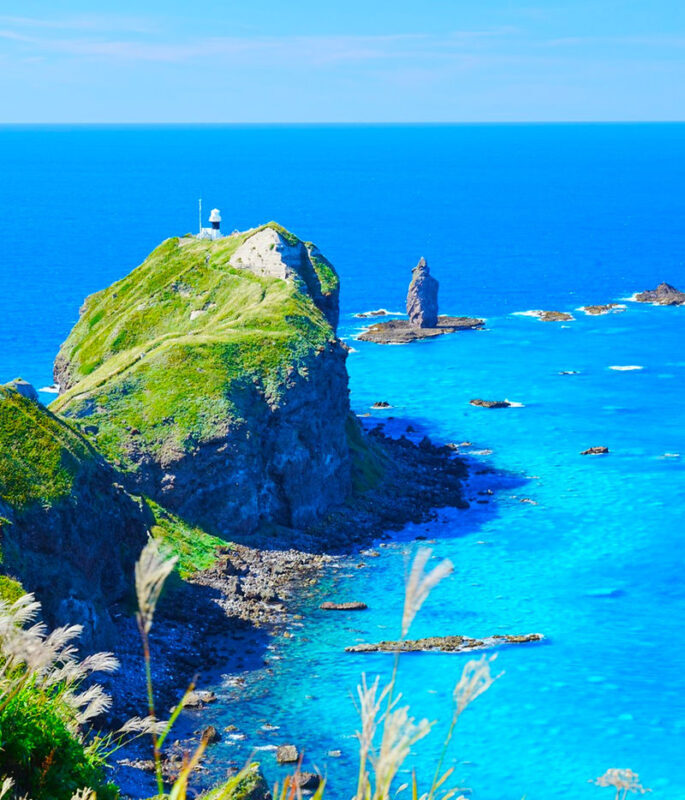
Cape Kamui is the day’s most memorable stretch of walking, and also the stop where timing matters most. The Charenka Trail runs about 770 meters along a ridge toward a black-and-white lighthouse. With cliffs on both sides, the path opens to broad views over the Sea of Japan and the blue water below.
The tour allows around an hour here. That may sound generous until you factor in the walk to and from the lighthouse, time for photos and the need to return to the bus promptly. One visitor’s experience was that the hike from the bus to the lighthouse took almost the full hour. If the sea views are your priority, head straight onto the trail and save lingering for the return walk.
The cape’s name is given as meaning Cape of the Gods in Ainu. Local legend tells of a maiden who sacrificed herself to the sea, and the site’s history includes a former prohibition on women entering the area. The old gate remains, a reminder of that past, though today the route is a popular walking stop.
The trail is exposed and can be challenging in poor weather. Wear shoes you can walk in, and do not assume the path will be comfortable in rain or strong wind. The activity information excludes people with conditions such as heart disease, high blood pressure, asthma, epilepsy or acrophobia, and it advises against participation during pregnancy. If any of these apply, check with the operator before booking.
Shimamui Coast, a short pause by the sea
After Cape Kamui, the schedule allows about 20 minutes at Shimamui Coast in Irika. The name is said to mean rocky bay in Ainu, and the coast is listed among Japan’s 100 best beaches. It is a quick stop for a sea view and photographs rather than a beach day.
That short window has a practical consequence: you will have little time to wander far or wait for ideal light. Follow the guide’s instructions and keep your return time in mind. If conditions are poor, the view may not match the clear-water images used to represent the coast.
Cape Kogane and the late-afternoon light
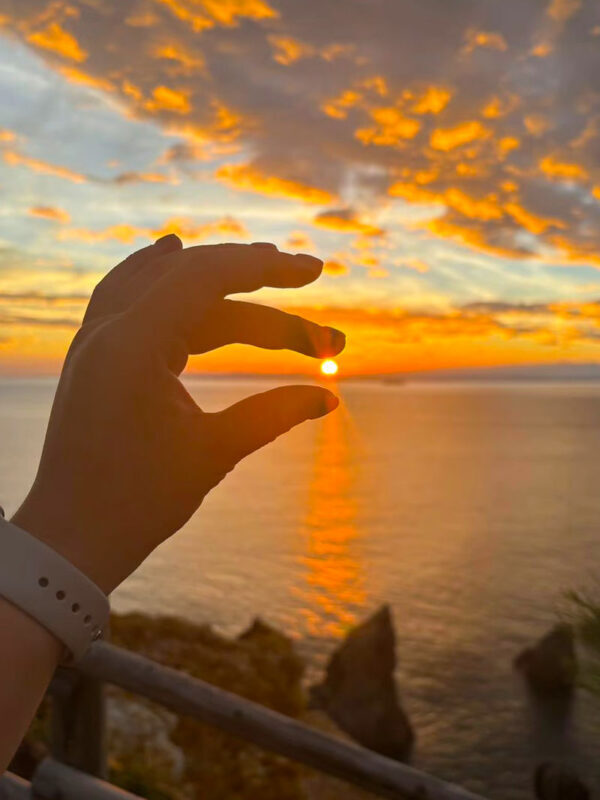
The final coastal stop is Cape Kogane, with about 40 minutes to walk along a seaside wooden boardwalk and take in the cliffs and water. The name, meaning Golden Cape, is linked to herring scales catching the sunset light during the fishing season. The area is also described as one of Japan’s 100 best sunset-viewing spots.
The tour reaches Cape Kogane at about 16:20, but the actual light depends on the season and weather. The stop offers a chance to slow down after Cape Kamui’s more demanding walk, though you should not count on a sunset spectacle at every time of year. Summer brings another local draw, freshly opened sea urchin, but food is not included and availability is not guaranteed.


How the pace and transport affect the day
A vehicle is the key convenience here. Otaru, Yoichi and the Shakotan capes cover a broad area, and travelling between them independently would require more planning than a single-day visitor may want to take on. The tour includes round-trip transfers, tolls, parking and fuel, so the advertised price covers more than a seat on the bus.
This is a shared ride, and vehicle size depends on the number of people. With fewer than 12 participants, the operator may use a vehicle with fewer than 14 seats and provide a driver without a separate guide. For larger groups, the plan is one driver and one guide. English and Chinese support is offered, but do not assume a separate guide will be present on every departure.
Guides named by people who have taken the tour include Rick, Pony, Grace and Leo. Their reports describe helpful explanations, friendly service and practical tips, but guide assignments vary. One account also described a guide who rushed ahead, so stay alert to the pace and speak up if you need a moment to catch up.
The schedule is fixed, and the group is expected to return to the vehicle on time. The stated wait after a stop is only five minutes; if you miss the group, you may have to make your own way to the next stop. That is a strong reason to keep your phone charged, listen for instructions and avoid wandering beyond the marked meeting area.
Traffic and weather can disrupt the day. The order of stops may change, time at attractions may be cut, or some stops may be removed. The operator also warns that holiday congestion can cause major delays, so keep your evening plans flexible rather than booking a tight dinner or onward connection.
What the price buys
The stated price starts at $44.19, while package options are also shown from $63.09 and $67.59. Prices depend on the selected option, so check the amount at checkout rather than assuming the lowest advertised figure applies to your chosen departure.
For a day that includes transport across several towns and coastal viewpoints, tolls, parking and fuel, the value can be good. You are paying for access and coordination as much as for the stops themselves. The value drops if you want long visits at each place, a guaranteed guide or an unhurried hike; this is a sampler, not a private tour.
Meals, drinks, personal expenses, tips and insurance are not included. There may be time to eat during the day, and the guide may suggest local dishes, but you will need to pay for lunch yourself. The bus rules prohibit eating and drinking inside, though sealed light snacks and unopened beverages may be carried aboard.
Who should choose this trip
I would consider this tour if you want to see the Shakotan coast but do not have a car, and you are comfortable trading long visits for a broad range of sights. It is especially appealing if Cape Kamui’s ridge views and Yoichi’s whisky-making story are both on your list.
It is less suitable if you need a slow pace, have trouble walking on a ridge trail, or want to choose how long to stay at each stop. Families should note that children aged two and older pay the adult rate. Children under two may travel free only if they do not need a seat, but participation is not recommended; tell the operator in advance if bringing one.
People aged 65 and over are asked to be fit for the trip and accompanied by someone aged 22 or older. Travel and personal accident insurance are not included. The tour information advises you to arrange your own cover and assess whether the outdoor stops suit your health and ability.
Should you book it?
Book this trip if you want one efficient day of Otaru, whisky heritage and rugged coastal scenery, and can keep up with a firm schedule. Cape Kamui is the strongest reason to go, while Yoichi adds a distinctive stop that makes the route more than a string of viewpoints.
Skip it if you want a relaxed, in-depth visit to Otaru or a long hike with time to linger. Before paying, confirm your package price, meeting point and departure time, then leave your evening free in case traffic delays the return.
Otaru, Cape Kamui, Yoichi Distillery & Scenic Coast Day Tour
“This tour made transportation convenient and comfortable, and the attractions were as beautiful as described. The tour guide (Pony) was professiona…”
FAQ
Where does the tour depart from?
The tour departs from Sapporo, with the North Exit of Sapporo Station listed as a meeting point. Another option listed is Datong Park Subway Station Exit 31. The supplied meeting times differ, so confirm the final location and time in the operator’s message.
What time does the tour return to Sapporo?
The schedule gives an expected return to Sapporo Station at about 18:30. Traffic, weather and other delays can change the return time.
Which places does the tour visit?
The planned stops are Otaru, Nikka Whisky Yoichi Distillery, Cape Kamui, Shimamui Coast and Cape Kogane. The order may change, and weather or capacity may affect which attractions are visited.
Is a guide included?
English- or Chinese-speaking guide service is listed. For groups of fewer than 12, the operator may provide a driver without a separate guide. Larger groups are assigned a driver and a guide.
How long is the walk at Cape Kamui?
The Cape Kamui stop is about one hour, and the Charenka Trail is about 770 meters long. The walk to the lighthouse and back can take nearly the full stop, so plan to keep moving and follow the guide’s return instructions.
Are meals included?
No. Meals and beverages are not included. The guide may recommend local food, but you pay for your own meals and drinks.
Can children join the tour?
Children aged two and older pay the same rate as adults. Children under two may travel free if they do not occupy a separate seat, but participation is not recommended, and the operator asks you to notify them in advance.
Is travel insurance included?
No. Travel insurance and personal accident insurance are not included. You can arrange your own coverage if needed.