Atagawa Tropical & Alligator Garden brings together a remarkable number of alligators and some less expected neighbors: red pandas, giant tortoises, flamingos and Chinese giant salamanders. It is a compact animal park in concept, but the grounds are larger than they may first appear, with a botanical garden and banana collection to explore too.
I like two things here: the unusual mix of animals, which makes this more than a crocodile stop, and the 20 varieties of bananas, some of which you can taste at the Fruit Parlor. One thing to plan for: the grounds have many stairs, and rain can reach covered paths when the wind blows.
- At a glance
- An unusual stop on the Izu Peninsula
- Start with the alligators, then look beyond them
- Make room for the tropical garden and bananas
- Allow time for stairs and changing weather
- A simple rail arrival, with a phone-dependent ticket
- Who will enjoy this visit most
- Should you book Atagawa Tropical & Alligator Garden?
- FAQ
- How long should I plan to spend at the garden?
- How do I get to Atagawa Tropical & Alligator Garden?
- What animals can I see there?
- Is the park suitable for a rainy day?
- What do I need to show to enter with a Klook voucher?
- Are children and pets allowed?
- More Tours in Kamo County
- More Tour Reviews in Kamo County
- Not for you? Here's more nearby things to do in Kamo County we have reviewed
At a glance
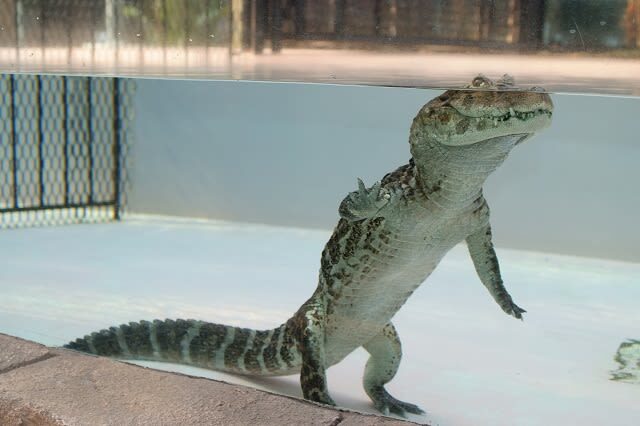

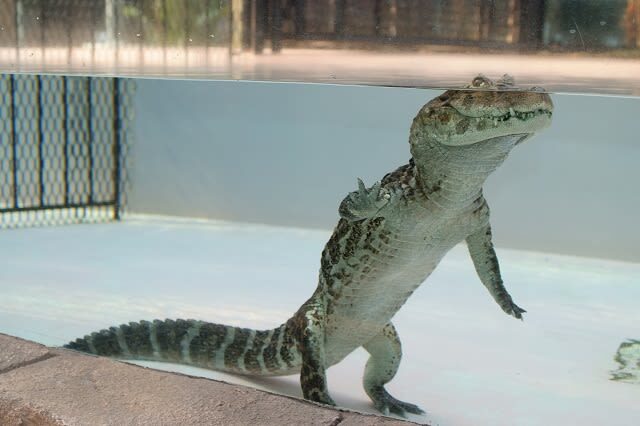
- A large alligator collection: The park is known for having the largest number of alligators in the world.
- Red pandas to see in the morning: Feeding time is a good reason to arrive early.
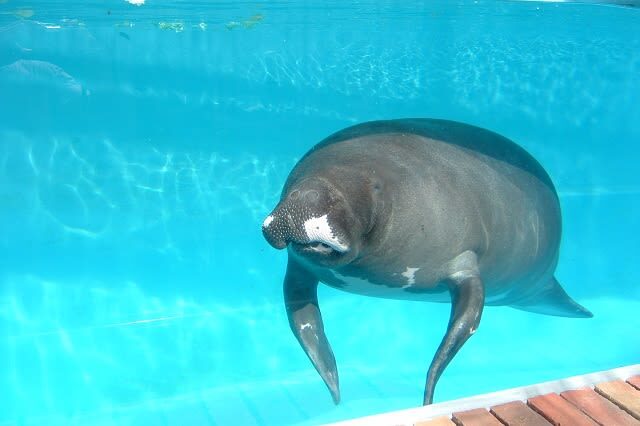
- More than reptiles: Look for giant tortoises, flamingos, manatees, axolotls and Chinese giant salamanders.
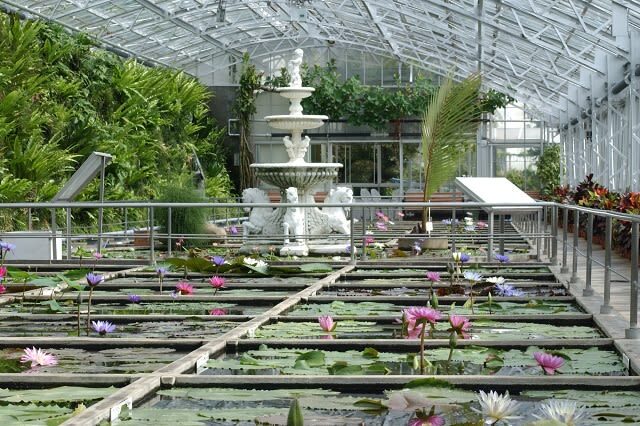
- A botanical bonus: The garden grows 20 types of bananas, with fresh fruit available at the Fruit Parlor.
- Easy rail access: It is a one-minute walk from Izu-Atagawa Station on the Izukyu Line.
- Bring a working phone connection: You need to show the online voucher on a mobile phone with internet access.
An unusual stop on the Izu Peninsula
Atagawa Tropical & Alligator Garden is in Higashiizu, in Shizuoka Prefecture, and feels quite different from a standard zoo visit. The main draw is its alligator collection, but you are not limited to watching reptiles. The park also has mammals, birds, amphibians and a tropical botanical garden.
That mix makes the visit useful for families and for anyone who likes animal parks but wants something a little unusual. You can spend time looking at the alligators, then shift to red pandas or plants without needing a separate attraction. The variety also helps if one part of the collection does not hold everyone’s attention.
The name points to the park’s best-known residents, though the animal collection is broader than alligators alone. The available information also identifies crocodiles, manatees, red pandas, turtles, axolotls, giant tortoises, flamingos and Chinese giant salamanders. It is worth keeping expectations sensible: this is a small-scale attraction in the sense that it can fit into a one-to-two-hour visit, but the grounds themselves may take more walking than you expect.
You can also read our reviews of more tours and experiences in Kamo County.


Start with the alligators, then look beyond them
The alligators are the obvious first stop. The park is described as having the world’s largest number of alligators, so the appeal is seeing many of them in one place rather than making a quick stop at a single enclosure. If reptiles interest you, that concentration is the reason to come.
The variety matters for families and mixed-interest groups. A young child who is wary of crocodilians may prefer the botanical garden or the red panda area, while older children and adults can spend longer observing the reptiles. Some children may find the alligators unsettling, so it is helpful to know that there are other parts of the park to turn to.
After the reptile exhibits, make time for the mammals and other animals. Red pandas are a particular draw, and the park describes itself as the only place in Japan where you can see Western red pandas. If that is high on your list, aim for the morning, when feeding time offers a useful reason to arrive early. Exact feeding hours are not given, so check with the facility before planning your timing around them.
The other animals add welcome variety. You may see giant tortoises, flamingos, manatees, axolotls and Chinese giant salamanders. They make the visit feel more like a small zoo than a single-subject reptile park. The range is especially helpful if you are visiting with children of different ages or with someone who is more interested in mammals and amphibians than alligators.
Make room for the tropical garden and bananas
The botanical garden gives the visit a different pace from the animal areas. It is one reason the park can work even when you are not focused solely on reptiles. The grounds include tropical plants and 20 different types of bananas, an unusual collection that gives the garden a strong local identity.
If you like trying regional food, stop at the Fruit Parlor for fresh bananas grown at the park. The information provided does not specify which varieties are available to taste on a particular day, so treat it as a pleasant possibility rather than a guaranteed tasting flight. Still, the idea of sampling fruit grown among the garden’s banana collection is a good fit for the setting.
The garden also gives families a change of scene. A child who has had enough of the alligators can look at the plants, while adults can enjoy a calmer stretch of the visit. Do not expect the botanical section to replace a dedicated garden visit, but it adds real value to an attraction whose headline subject could otherwise feel narrow.
Allow time for stairs and changing weather
The visit is often described as taking one to two hours, but your pace and interests will shape that. If you move quickly through the alligator areas and make only a brief stop for the other animals, you may be closer to the shorter end. If you want to see the red pandas, explore the botanical garden and pause at the Fruit Parlor, give yourself more time.
The park is larger than some visitors expect, and there are many stairs. That is worth thinking about if you are visiting with young children, anyone who tires easily, or a stroller. The available details do not confirm step-free routes or stroller access, so contact the facility if those points matter to your group.
Rain does not necessarily rule out a visit. About two-thirds of the area is covered, making the park a workable option in wet weather. But around one-third is uncovered, and wind can blow rain beneath roofs. Bring an umbrella or raincoat if the forecast looks unsettled, and do not assume that every sheltered path will keep you dry.
Weather and seasonal conditions can also affect opening hours. Exact hours are not included here, and the final admission is 30 minutes before closing. Check the official site before setting out, especially if you are visiting near closing time or during changeable weather.
A simple rail arrival, with a phone-dependent ticket
The address is 1253-10 Naramoto, Higashiizu, Kamo District, Shizuoka 413-0302. From Izu-Atagawa Station on the Izukyu Line, the garden is about a one-minute walk away. That makes it an easy stop to add to a rail-based trip around the Izu area, although transport to the station is not part of the admission ticket.
The Klook ticket is an admission voucher, not a transport package. Meals, drinks and personal expenses are also extra. The listed starting price is $11.35, which can be good value if you want a focused outing with several kinds of animals and a garden in one place. The value depends on your interests: animal fans and families who enjoy zoos will get more from the admission than someone looking for a full-day attraction.
Plan carefully for the digital voucher. You must open it through the Klook app or website and show it to staff on a mobile phone with internet access. A tablet may not be able to open the URL certificate, and if you cannot display the voucher, you cannot enter. Do not try to activate or operate the ticket yourself. Staff must handle it, and once it shows as used, it is no longer valid.
The voucher is valid for 90 days from the booking confirmation date and cannot be cancelled or refunded. It does not provide fast entry, so you still need to queue and follow staff instructions. Children aged 0 to 3 enter free; the child rate applies from age 4 to 12, and adults are age 13 and up. Pets are not allowed, except service animals with valid identification. Storage areas are available, with rates provided by staff on site.
Who will enjoy this visit most
I would put this park on the list for families, animal enthusiasts and anyone looking for a distinctive stop near Izu-Atagawa Station. Children who enjoy reptiles may be especially taken with the alligator collection, while the red pandas and garden give the rest of the group other reasons to stay engaged. The range of animals makes it easier to please a mixed-age group than a reptile-only attraction might.
It can also be a practical choice on a rainy day, provided you dress for wet and windy conditions. With much of the area covered, you can still see a good portion of the park, but rain protection is sensible. The stairs are the other key factor: this is not the best choice if your group needs an easy, level route throughout.
If you are short on time, prioritize the alligators and red pandas, then see how much time remains for the garden and other animals. For a more relaxed visit, set aside close to two hours and arrive in the morning. That gives you a better chance of catching red panda feeding time, though the exact schedule should be confirmed locally.
Should you book Atagawa Tropical & Alligator Garden?
Book it if you like animal parks, want to see an unusual range of species, or need a convenient stop close to a train station. The combination of a large alligator collection, Western red pandas, tropical plants and bananas gives the visit more variety than its name suggests. At the listed starting price, admission can be a solid-value outing, particularly for families who plan to see several areas rather than make a quick stop.
Think twice if stairs are a concern, if you expect a fully sheltered visit in rain, or if a phone without reliable internet is all you have for the voucher. For the best chance of seeing the red pandas at feeding time, go in the morning and check the day’s opening information before you leave.
Atagawa Tropical & Alligator Garden Ticket in Higashiizu
“About 2/3 of the area is covered, so it's a rare spot that can be enjoyed even in rainy weather. However, 1/3 of the area is uncovered, and if the…”
FAQ
How long should I plan to spend at the garden?
Plan on one to two hours. Your visit may take longer if you spend time with the animals, explore the botanical garden and stop at the Fruit Parlor.
How do I get to Atagawa Tropical & Alligator Garden?
The garden is a one-minute walk from Izu-Atagawa Station on the Izukyu Line. The address is 1253-10 Naramoto, Higashiizu, Kamo District, Shizuoka 413-0302.
What animals can I see there?
The collection includes alligators, red pandas, giant tortoises, flamingos and Chinese giant salamanders. Manatees, turtles and axolotls are also among the animals identified at the park.
Is the park suitable for a rainy day?
About two-thirds of the area is covered, so you can still visit in rain. Some areas are uncovered, and wind can blow rain under roofs, so bring an umbrella or raincoat.
What do I need to show to enter with a Klook voucher?
Open the voucher in the Klook app or website and show it to staff on a mobile phone with internet access. Staff must operate the ticket, so do not try to mark it as used yourself.
Are children and pets allowed?
Children aged 0 to 3 can enter free. The child category is ages 4 to 12, and adults are age 13 or older. Pets are not allowed, except service animals with valid identification.