Arashiyama’s bamboo grove is famous, but it is only one part of this half-day walk. With local guide Yusuke, you continue to quieter temple grounds and Osawa Pond, where the route offers a calmer look at Kyoto’s western outskirts and their imperial past.
I like two things in particular: the route goes beyond the bamboo path, and Yusuke makes room for explanations and photos rather than hurrying you along. You can also choose a Tale of Genji version for extra literary context at many of the stops.
The trade-off is the walking itself. The tour covers several hours on foot, includes stairs, and has extra admission charges at two temples and the pond, so it takes more stamina and spending money than the starting price alone suggests.
- What makes this Arashiyama walk different
- A bamboo forest walk with a longer view of Arashiyama
- From Nonomiya Shrine to the bamboo trail
- Seiryoji’s temple halls and Buddhist art
- Daikakuji and Osawa Pond’s imperial setting
- Choosing the Tale of Genji option
- What the price includes, and what it does not
- Walking, timing and who should book
- Should you book this Arashiyama tour?
- FAQ
- How long is the tour?
- Where does the tour start and finish?
- Are temple and pond admission fees included?
- What is different about the Tale of Genji option?
- Is the tour suitable for children?
- How much walking is involved, and is the route accessible?
- The Best Of Kyoto!
- More Walking Tours in Kyoto
- More Tours in Kyoto
- More Tour Reviews in Kyoto
- Not for you? Here's more nearby things to do in Kyoto we have reviewed
What makes this Arashiyama walk different
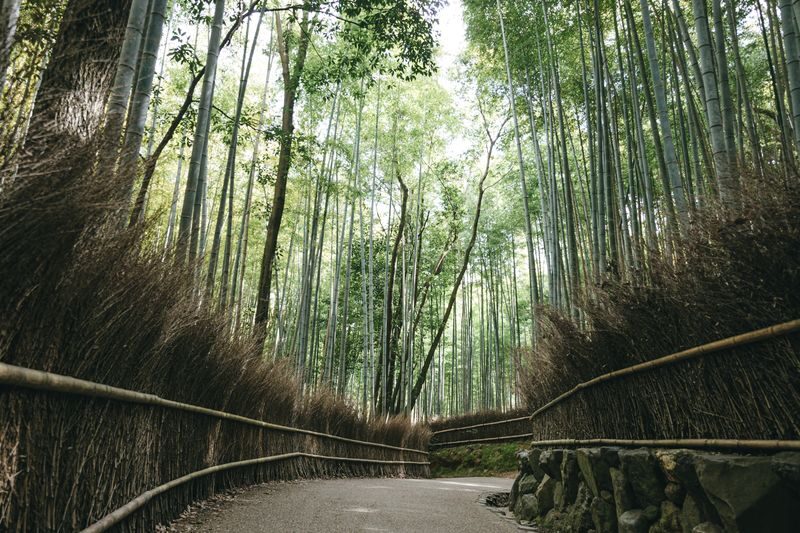
- The bamboo grove is a brief stop, not the whole outing. You spend about 15 minutes on the Sagano Bamboo Forest Trail before moving on to temples and pond scenery.
- Yusuke leads the tour himself. He is a local Kyoto guide who has guided more than 3,000 people, and he takes photos for you in the bamboo forest.
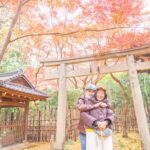
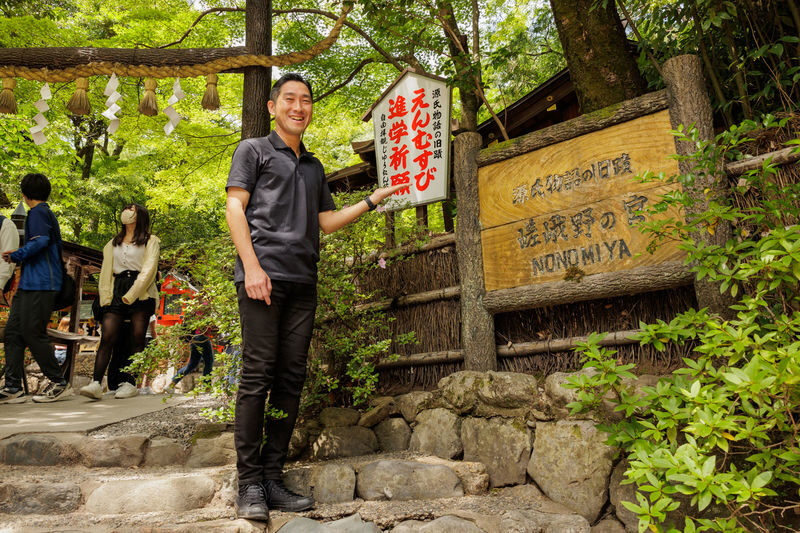
- Nonomiya Shrine offers a quiet start. Learn how a shrine differs from a Buddhist temple, see its black wooden torii gate and moss garden, and hear how to pray.
- Seiryoji and Daikakuji add substance. Both have a long connection to Kyoto’s past, with notable buildings, Buddhist art and garden or pond scenery.
- The Tale of Genji option adds context, not extra stops. Both packages visit the same places; the literary commentary applies to most of the route, except the bamboo forest.
- Plan for extra costs and a long walk. Temple and pond admission, snacks and any paid goshuin stamps are not included in the tour price.

👉 See our pick of the 25 Best Workshops And Classes In Kyoto
A bamboo forest walk with a longer view of Arashiyama
Many people come to Arashiyama for the bamboo grove, take a few pictures and leave. This tour uses that familiar sight as a starting point, then carries on through Sagano to temples and the grounds around Daikakuji and Osawa Pond. That change of pace is the main reason to book it: the experience is about a wider slice of the area, not just a quick look at the famous stalks.
The tour lasts about half a day, with departure times listed at 9 a.m. and 1 p.m. The return is at Daikakuji Temple, with listed return times of 1:15 p.m. and 5:15 p.m., depending on the departure you choose. The operator can offer a free walk back to the meeting point if you need it.
The experience is led by Yusuke, who designed the route and guides it himself. That matters on a walk with several stops: a guide can connect the places rather than leave you to piece together a shrine visit, a temple visit and an imperial-era site on your own. The tour includes an original booklet of about 15 pages, which gives you something to refer to as you go.
You can also read our reviews of more walking tours in Kyoto


From Nonomiya Shrine to the bamboo trail
The walk begins at the Keifuku Line, also known as the Randen, Arashiyama Station. Meet in front of the locker area, and arrive five minutes before departure. From there, the first walk takes about 15 minutes to Nonomiya Shrine.
Nonomiya is a good place to start because it gives you a clear introduction to Japanese religious customs. You can see the shrine’s black wooden torii gate and moss garden, then learn how a Shinto shrine differs from a Buddhist temple and how to pray. The guided stop lasts about 30 minutes, enough to take in the setting without making the shrine feel like a box to tick.
A goshuin, or temple and shrine stamp, is available if you have a stamp book and pay the fee. It is optional, but can be a pleasant keepsake if you are collecting stamps elsewhere in Japan. Bring a book if you want one; the tour does not include the fee.
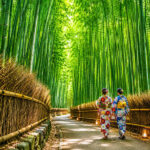
After a short five-minute walk, you reach the Sagano Bamboo Forest Trail. The guided stop here is about 15 minutes. That is enough time to enjoy the tall bamboo and its sound, and to take photos, but not a long forest walk. The grove is a popular sight, so don’t assume the route can guarantee an empty path. Yusuke can take pictures of you here, a useful touch if you want more than the usual arm’s-length shot.
Seiryoji’s temple halls and Buddhist art
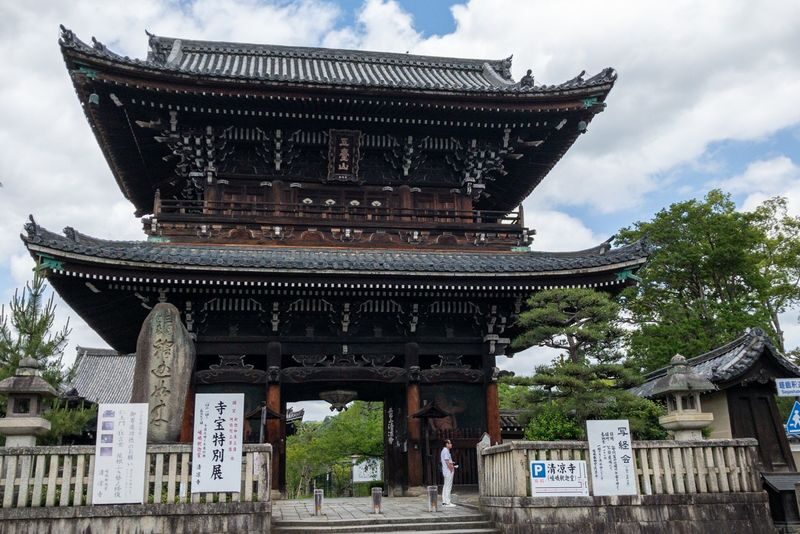
The next walk takes about 15 minutes to Seiryoji Temple, also known as Saga Shaka-do. Allow around 55 minutes for the guided visit. The temple dates back about 1,200 years and is known for its Shaka Nyorai Buddhist statue, identified as a Japanese national treasure, as well as its striking building and corridor overlooking a Japanese garden.
This stop gives the tour a different feel from the shrine and bamboo path. Instead of focusing on landscape alone, you get time to consider Buddhist art and temple architecture, with Yusuke guiding you through the site. Seiryoji admission costs JPY 400 per person and is not included.
You can also collect temple stamps here. There are two kinds: an official stamp that requires payment and a free stamp. Ask about the difference before you decide, especially if you are keeping a careful record of your goshuin.
Local sweets are another optional extra, costing about JPY 500. They are not included in the tour price, and neither are meals or drinks. If you want to sample something, bring enough cash or confirm payment options before the walk; no payment method is specified.
Daikakuji and Osawa Pond’s imperial setting
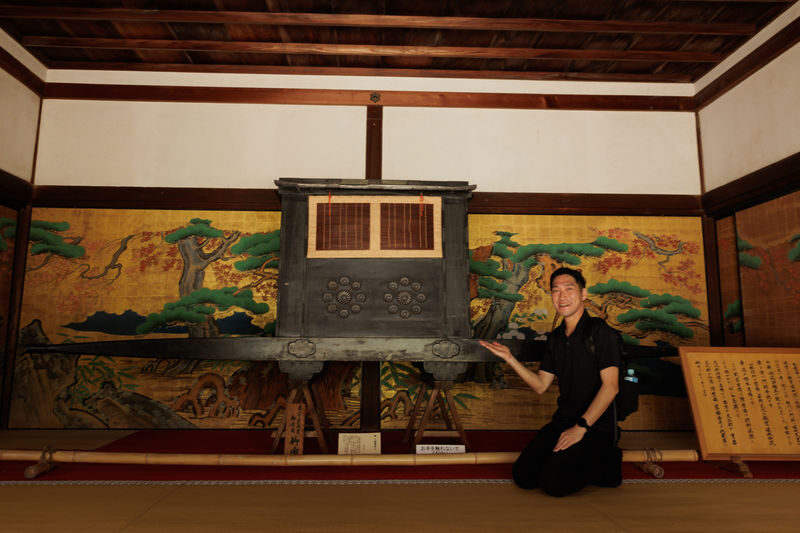
A 20-minute walk leads to the final major stop: Daikakuji Temple and Osawa Pond. The guided visit lasts about 1 hour and 10 minutes, making this the longest stop of the day. Daikakuji began as Saga Gosho, a former imperial palace built about 1,200 years ago. The grounds offer a chance to learn how emperors and queens lived, as well as to see features such as the nightingale floor and Murasame corridor.
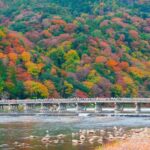
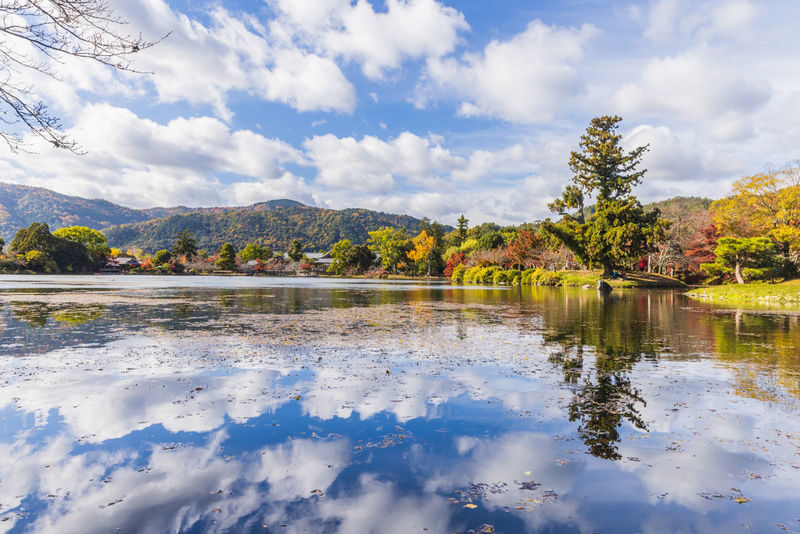
The site is not just a set of historic rooms. Osawa Pond, described as Japan’s oldest artificial pond, gives the visit a scenic change of pace and looks different as the seasons shift. The grounds invite a slower look than the short bamboo stop, and the guide can help explain what you are seeing rather than leaving you to wander without context.
Admission is split into separate charges: JPY 500 per person for Daikakuji and JPY 300 per person for Osawa Pond. Both are extra. You can also collect goshuin at temples and shrines along the way, though paid stamps add to the cost.
The tour ends at Daikakuji. If you need to return to the original meeting point, the operator provides a free option to walk back, but factor in the extra time and distance. The schedule can change with traffic and weather.
Choosing the Tale of Genji option
The two packages visit the same locations. The difference is the emphasis: the Tale of Genji version adds literary and historical context, since most of the places on the route, apart from the bamboo forest, appear in the classic work.
You do not need to know the book in advance to enjoy the walk. The basic tour is intended for people who know little or nothing about it, and Yusuke can also discuss the work on request. If you enjoy stories that connect a place to its past, the Genji option is a sensible choice. If you would rather focus on temples, customs and scenery, the basic version should suit you.
This is a practical distinction, not a different route. Choose based on how much literary background you want, rather than expecting one package to visit more sites.
You can also read our reviews of more guided tours in Kyoto

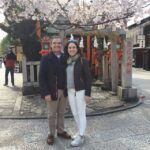
What the price includes, and what it does not
The listed starting price is US$89.55. It includes an English-speaking guide, guided visits inside the attractions and the original booklet. The guide’s route design and the time at each stop are central to the value: you are paying for interpretation and a full walking itinerary, not just a transfer between famous photo spots.
Still, the starting price is not the full cost of the outing. Seiryoji, Daikakuji and Osawa Pond admission together add JPY 1,200 per person. Snacks, drinks, paid goshuin stamps and other personal purchases cost extra. Budget for those separately, and remember that children aged six and older pay the adult rate.
The tour is a better value if you want someone to explain the places and help you use your time well. If you mainly want to see the bamboo forest, you may find a shorter visit more suitable. The more stops you plan to explore, the more useful a guide’s context becomes.
Walking, timing and who should book
This is a substantial walking tour, not a gentle stroll from one nearby landmark to another. The route includes several walking sections, stairs and hours on your feet. It is not wheelchair- or stroller-accessible, and it is not recommended for people with high blood pressure, epilepsy, heart disease, asthma, other serious medical conditions, pregnant people or people with disabilities. Check your own needs carefully before booking.
Wear clothes suited to the day’s weather and bring rainwear if rain is forecast. The tour requires participants to be at least six years old, and pets are not allowed. The stated prohibited items include weapons, cigarettes and e-cigarettes, drones, alcohol, glass containers, professional video equipment and other listed restricted items.
Meet at the Randen Arashiyama Station locker area at the departure time you selected. Late arrivals and no-shows are not refunded, so leave a buffer for finding the station and meeting spot. Your mobile voucher is accepted, and confirmation should arrive within minutes.
The tour suits you best if you want to see more than the bamboo grove, value explanations from a local guide and are comfortable walking for much of a half day. It is less suited to anyone seeking an accessible route, a short outing or a low-cost visit with all admission covered.
Should you book this Arashiyama tour?
Book it if you want a thoughtful walk through Arashiyama and Sagano, with a guide who can connect shrine customs, Buddhist sites, imperial history and local scenery. The combination of Nonomiya Shrine, Seiryoji, Daikakuji and Osawa Pond gives the outing more depth than a bamboo-forest-only visit, while Yusuke’s unhurried approach and help with photos make the day easier to enjoy.
Skip it if your priority is simply a quick bamboo photo, or if a long walk and separate admission fees do not suit your plans. For a half day of cultural stops and a quieter route beyond the main sight, it offers a useful, well-focused way to spend time in western Kyoto.
Kyoto City, Arashiyama & Sagano Half Day Guided Walking Tour
“Amazing tour! Yusuke Tanaka is an asking tour guide , he took the time to explain everything to us and did not rush us on the tour. this tour takes…”
FAQ
How long is the tour?
It is a half-day walking tour. Listed departures are at 9 a.m. and 1 p.m., with return times of 1:15 p.m. and 5:15 p.m., depending on the departure selected.
Where does the tour start and finish?
It starts in front of the locker area at Keifuku Line, or Randen, Arashiyama Station. It ends at Daikakuji Temple. A free walking return to the meeting point is available if needed.
Are temple and pond admission fees included?
No. Admission costs JPY 400 per person at Seiryoji, JPY 500 at Daikakuji and JPY 300 at Osawa Pond.
What is different about the Tale of Genji option?
Both options visit the same locations. The Tale of Genji option adds literary and historical context for most of the places on the route, except the bamboo forest.
Is the tour suitable for children?
Participants must be at least six years old. Children aged six and older are charged the same rate as adults.
How much walking is involved, and is the route accessible?
The tour involves considerable walking and stairs. It is not wheelchair- or stroller-accessible, and it is not recommended for people with certain serious medical conditions, pregnant people or people with disabilities.