Rome’s big sights are spread across the city, and the hard part is often not choosing what to see but securing a useful time slot. Klook Pass Rome lets you bundle 2 to 6 selected activities and reserve them through one pass, with options that can include the Vatican Museums, Colosseum, Pantheon, and Castel Sant’Angelo. I like the freedom to pick a mix that suits your own pace, and the chance to compare the bundle price with buying tickets separately.
I also like that you can choose a guided tour or a day trip as an optional upgrade, instead of paying for a tour style you may not want. The catch is that this is not a guaranteed all-access card: activity availability can be tight, the pass has booking deadlines, and the cheapest-looking option is not always the best value once you compare your exact choices.
- Klook Pass Rome at a glance
- One pass, no fixed Rome route
- Vatican Museums and Sistine Chapel
- Colosseum, Forum, and Palatine Hill
- Pantheon, Castel Sant’Angelo, and the Capitoline Museum
- Optional tours and day trips
- Is the pass good value?
- Reservations are the key to a smooth visit
- Who should choose Klook Pass Rome?
- Should you book it?
- FAQ
- How many activities can I choose?
- Which attractions can be included?
- Does the pass include transport around Rome?
- Do I need to reserve activities in advance?
- When do I need to make my reservations?
- Can I get a refund if I use only part of the pass?
- Are children eligible for the pass?
- The Best Of Rome!
- More Tours in Rome
- More Tour Reviews in Rome
- Not for you? Here's more nearby things to do in Rome we have reviewed
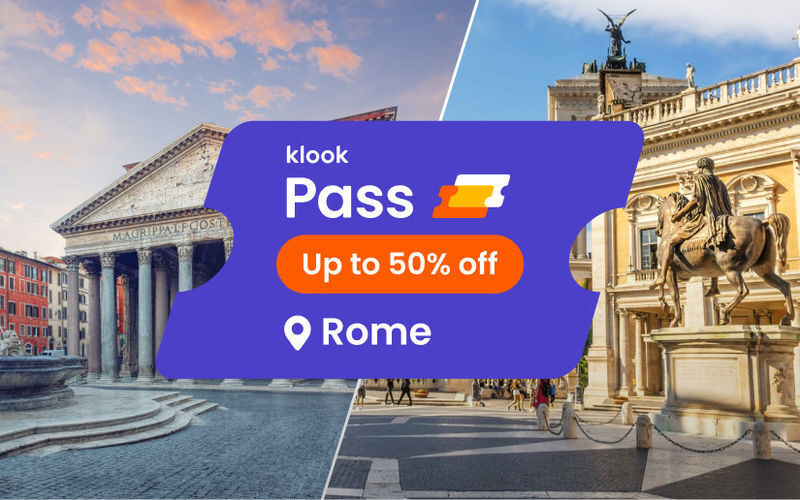
Klook Pass Rome at a glance
 1 / 10
 2 / 10
 3 / 10
 4 / 10
 5 / 10
 6 / 10
 7 / 10
 8 / 10
 9 / 10
 10 / 10
- Pick your pass size: Choose 2, 3, 4, 5, or 6 activities.
- Build around major sights: Options can include the Vatican Museums, Colosseum, Pantheon, Castel Sant’Angelo, St. Peter’s Basilica, and Capitoline Museum.
- Reserve each activity: A pass does not remove the need to book dates and times in advance.
- Add a guided experience: Premium options include Vatican and Colosseum tours, plus self-guided day trips.
- Check the math first: The value depends on the activities you select and whether those exact choices are available.
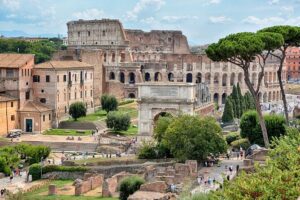
👉 See our pick of the 25 Best Guided Tours In Rome
One pass, no fixed Rome route
This pass gives you a set number of activity reservations rather than a ready-made sightseeing route. You choose from the activities available for your pass type, then reserve them individually. That flexibility is useful in a city where one day might be devoted to ancient Rome and another to the Vatican.
The pass includes general entry to selected attractions. That is different from a guided visit, and it does not mean every ticket is a skip-the-line ticket. Some selected activities may come with a guide or a separate redemption process, so read the details for each choice before you reserve. In Rome, the difference between a direct voucher and a ticket you must collect elsewhere can affect your day.
The activity selection can change, and the attractions shown in promotional images are not necessarily all available through every pass. I would treat the list of choices inside the pass as the real menu. Check it before paying, especially if you are buying the pass mainly for one must-see sight.
You can also read our reviews of more tours and experiences in Rome.
Vatican Museums and Sistine Chapel
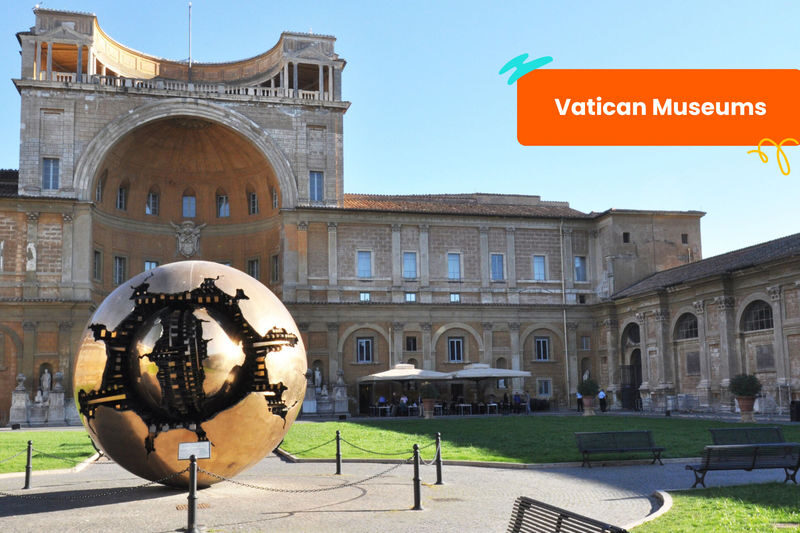
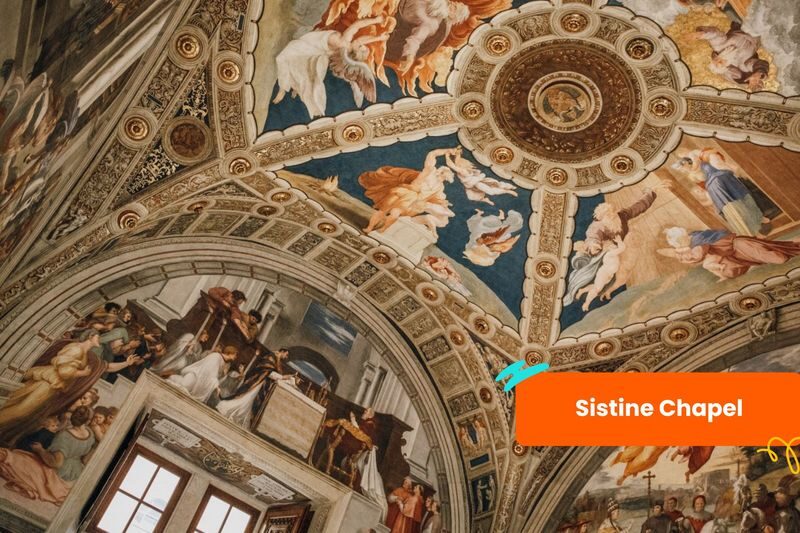
The Vatican Museums are a natural anchor for a Rome visit. Their galleries lead toward the Sistine Chapel, where the painted ceiling is the main event for many visitors. A pass can cover general entry, while an optional premium package adds a Vatican Museums and Sistine Chapel tour.
That distinction matters. If you want an expert to guide you through the visit, choose the tour option and confirm exactly what it includes. If you prefer to set your own pace, standard admission may be enough. The pass does not guarantee that your preferred date or time will be available, so check the reservation calendar before you commit.
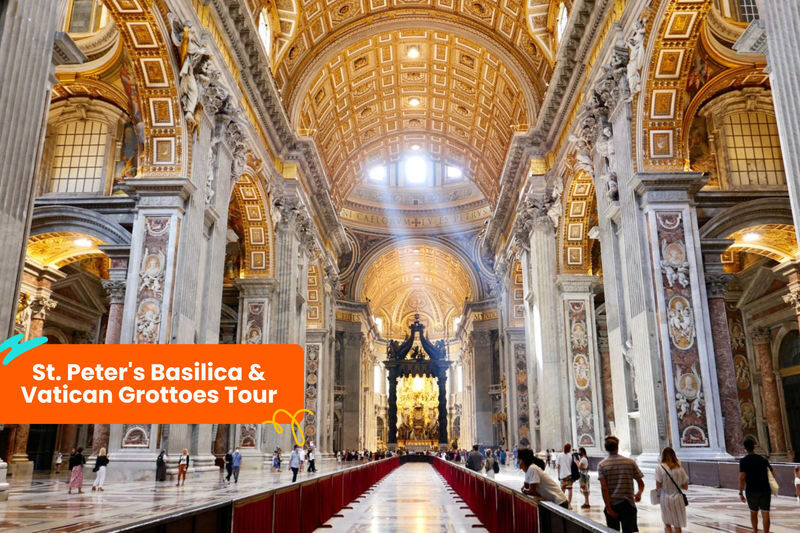
St. Peter’s Basilica may also appear among the activity choices, but do not assume that a particular visit, such as access to the dome, is included. Confirm the exact product name and inclusions. A pass is most useful when it covers the version of an attraction you actually want, not simply a similar-sounding entry ticket.
Colosseum, Forum, and Palatine Hill
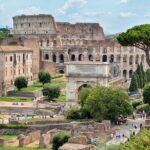
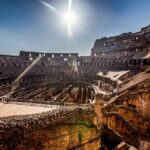
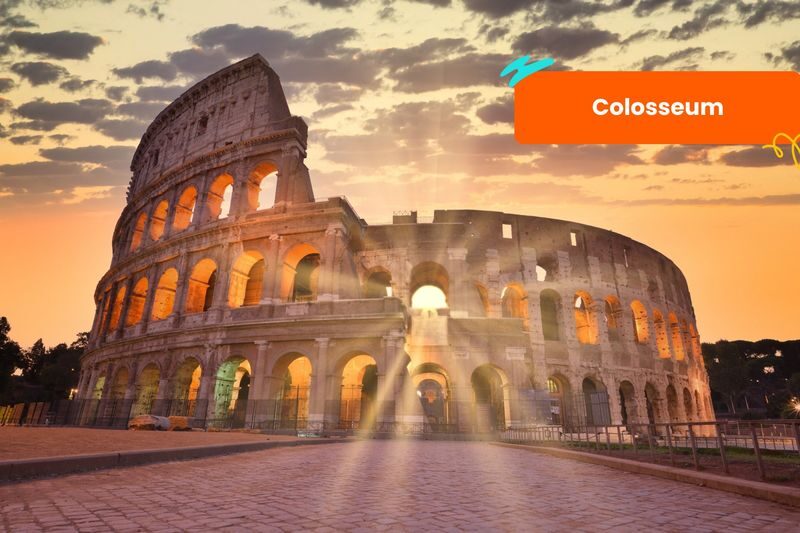
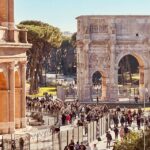
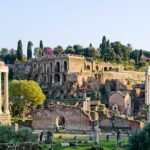
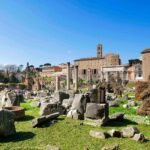
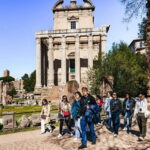
The Colosseum is the other major reason many people consider this pass. Pairing it with the Roman Forum and Palatine Hill makes a full ancient-Rome outing, but this is a substantial visit. A guided option can help explain what you are seeing; the standard pass choice may simply provide general admission.
The recommended booking lead time for the Colosseum, Roman Forum, and Palatine Hill is at least three days. In practice, popular time slots may be gone well before then, and some activities release availability as far as 180 days ahead. If this is a priority, check its dates first rather than buying a pass and hoping a suitable slot appears later.
Allow enough time in your day. One Colosseum and Forum visit has taken much longer than expected, leaving too little time for a second major attraction. I would avoid stacking two substantial guided visits into a tight schedule. Rome rewards a little breathing room, and an ambitious pass can turn into a race between ticket times.
Pantheon, Castel Sant’Angelo, and the Capitoline Museum
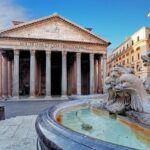
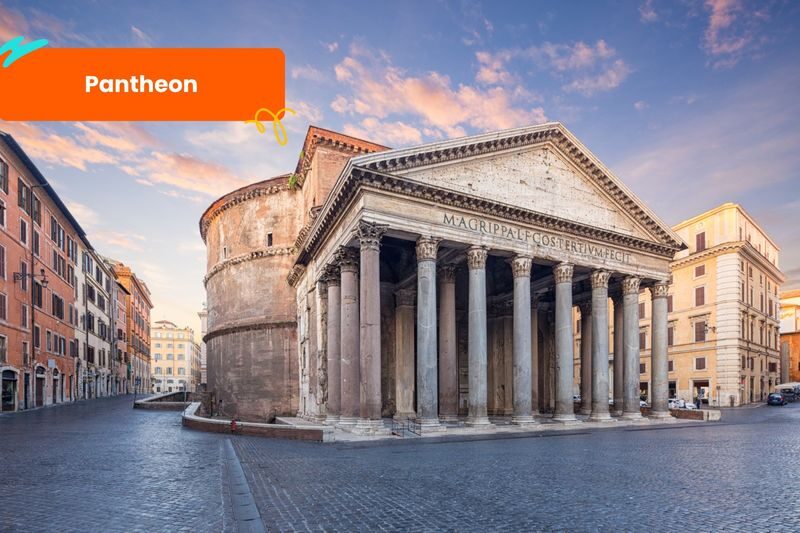
The pass can also make room for sights beyond the two headline attractions. The Pantheon offers a different kind of encounter from the vast museum galleries or the Colosseum: it is a single landmark with a striking interior and a long history of use. Check the current pass details to see whether admission is included and whether you need a timed reservation.
Castel Sant’Angelo and the Capitoline Museum are useful additions if you want more than the standard Vatican-and-Colosseum pairing. The castle gives you a historic site on the river, while the Capitoline Museum adds a museum stop to a trip otherwise focused on monumental buildings. The best combination depends on your interests and how many days you have.
Do not choose attractions just to use every slot. A four- or six-activity pass can look like a bargain on paper, but it only works if you have enough time to visit them and the included activities are ones you genuinely want. I would rather book fewer sights well than spend a holiday chasing reservations.
Optional tours and day trips
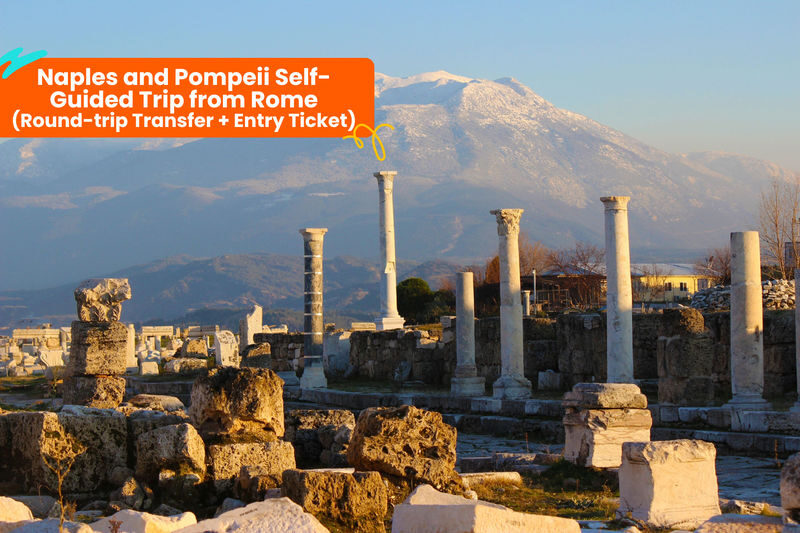
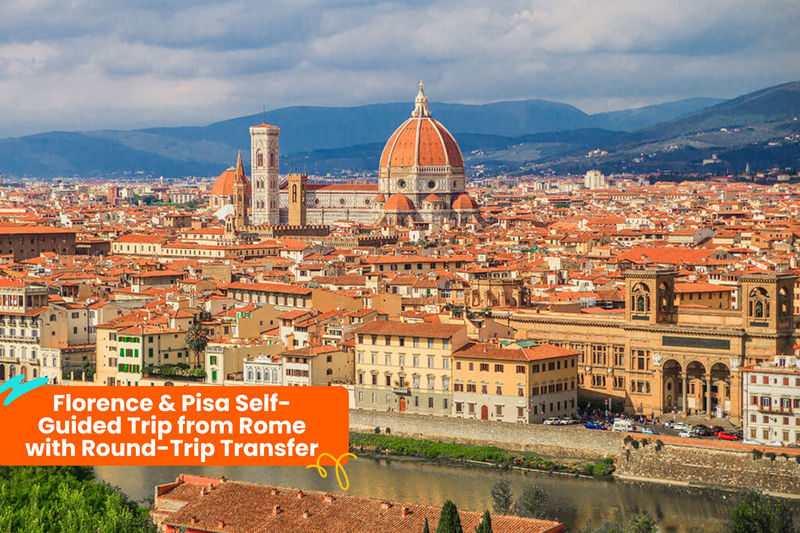
Premium versions of the pass add a particular experience to your activity bundle. Options include a Vatican Museums and Sistine Chapel tour, a Colosseum, Roman Forum, and Palatine Hill tour, and self-guided day trips from Rome to Florence and Pisa or to Naples and Pompeii.
These upgrades are not minor extras in price. A two-attraction standard pass starts at US$56.05 in the listed package options, while the two-attraction pass with the Vatican tour starts at US$145.69. The two-attraction Colosseum tour option starts at US$126.65. The day-trip versions start at US$181.55 for Florence and Pisa and US$152.39 for Naples and Pompeii. Prices vary by pass size and option, so compare the package you want rather than relying on the lowest starting figure.
The Florence and Pisa outing is described as self-guided, with round-trip transfer from Rome. The Naples and Pompeii option includes round-trip transfer and an entry ticket, and is also self-guided. These are long-distance additions, not simply another central-Rome museum stop. Check the specific departure and return information in the activity details before planning around one.
If you choose a guided walking activity, the guide depends on the specific experience you book. Guides named Maham, Alina, and Csenge have been associated with walking tours booked through the pass, but you should not expect a particular person unless your activity confirms it. One appeal of a guided outing is the chance to get concise context and practical suggestions as you walk; it is a different product from general admission.


Is the pass good value?
The standard pass options begin at US$56.05 for 2 activities, US$68.35 for 3, US$97.49 for 4, US$129.99 for 5, and US$162.49 for 6. These are starting prices, not a promise that every selection costs the same. The overall pass price changes with the number of activities and any premium add-on.
The advertised savings can reach 50 percent, but that is not automatic. Some combinations can cost less than buying the same admissions separately; other combinations may be no cheaper, or may cost more. Compare the pass price with the official prices for your chosen activities before you buy, and include any add-ons in the calculation.
Convenience has value, too. If the pass lets you reserve the attractions you want in one place and receive activity-specific confirmations, that can simplify planning. Some bookings have helped people secure time slots and enter without having to buy tickets at the door. But do not assume every attraction uses the same redemption method: one voucher may be accepted directly, while another activity may require collection at a separate location.
My rule is simple: buy the pass for confirmed activities, not for hoped-for savings. If you have a short list of must-sees and can reserve them, it may be a tidy way to organize your sightseeing. If your choices are unavailable or the total is higher than individual tickets, book separately.
Reservations are the key to a smooth visit
After purchase, find your pass in the Klook Bookings section and reserve your chosen activities using Reserve slot. You must reserve at least one activity within 60 days of the pass confirmation, then reserve the remaining activities within 90 days after booking the first one. Each attraction can be reserved and visited once.
For popular sights, check the availability calendar before you buy. Some attractions have limited slots, and their booking windows can open up to 180 days in advance. Opening hours also vary, so confirm the latest times and entry instructions on the attraction’s official website or its Klook activity page.
Once you make a reservation, expect a separate voucher or confirmation for that activity. Read it carefully. It should tell you whether to show the voucher at the entrance, collect a ticket, or follow another set of instructions. A few minutes spent checking the details can save a frustrating detour across town.
There is an important refund limit. You can receive a full refund if the pass has not been activated and has not expired. Once you redeem it, visit an attraction, or use a ticket, you cannot get a refund, even if you have not used every activity. If one choice is unavailable, you are expected to reserve another available activity; there is no refund for a partly used pass.
You can change booking details before redeeming the voucher or making any activity reservations. After you reserve activities, changing plans is harder: the stated process is to cancel the pass before making reservations and purchase a new one. Make your selections only after checking your dates and preferred time slots.
Who should choose Klook Pass Rome?
I would consider this pass if you already know which two or three paid activities you want, and you value having one place to organize those reservations. It may suit a first visit built around the Vatican Museums and Colosseum, with a third stop such as Castel Sant’Angelo or the Pantheon if available. A guided tour option can also suit you if you want interpretation rather than admission alone.
Families should check age rules for every chosen activity. The pass is listed as eligible for children aged 7 to 10, but each attraction sets its own child eligibility details. Children aged 0 to 6 may need separate tickets, and some attractions require children to be accompanied by an adult. The booking guidance recommends buying at least one adult pass to avoid reservation problems with those activities.
I would skip it if you prefer to keep every day open, if your key attraction is already sold out through the pass, or if individual tickets are cheaper for your chosen set. It is also a poor fit if you are uncomfortable with nonrefundable partial use. The pass is flexible about what you choose, but not especially forgiving once you start reserving or redeeming.
Should you book it?
Book Klook Pass Rome after checking that your must-see activities have available time slots and that the package price beats, or reasonably matches, separate tickets. For a planned visit with two or more confirmed priorities, it can save time and make the booking process easier. If availability is uncertain, compare direct ticket options first and keep your plans flexible.
Klook Pass Rome
“I would definitely recommend getting this pass through Klook. it is worth the money and time. I was able to explore more places with time i saved.”
FAQ
How many activities can I choose?
You can choose a pass for 2, 3, 4, 5, or 6 activities. The available choices depend on the pass type and current activity availability.
Which attractions can be included?
Choices can include the Vatican Museums, Colosseum, Pantheon, Castel Sant’Angelo, St. Peter’s Basilica, and Capitoline Museum. Check the pass details for the current activity list.
Does the pass include transport around Rome?
No. Transport is not included in the standard pass. Some optional day-trip packages include round-trip transfer from Rome.
Do I need to reserve activities in advance?
Yes. You reserve activities through your Klook booking, and popular attractions can have limited availability. The Colosseum, Roman Forum, and Palatine Hill reservation is recommended at least three days ahead.
When do I need to make my reservations?
You must reserve at least one activity within 60 days of pass confirmation. The remaining activities must be reserved within 90 days after you reserve the first one.
Can I get a refund if I use only part of the pass?
No. A full refund is available only if the pass has not been activated and has not expired. Once you use a ticket, visit an attraction, or redeem the pass, refunds are not available for unused activities.
Are children eligible for the pass?
The pass is eligible for children aged 7 to 10. Children aged 0 to 6 may need a separate ticket, and child eligibility can differ by attraction.