The draw here is the change of pace and scenery: one day you are crossing the open plains of the Masai Mara in search of lions, elephants, and other wildlife; a few days later, you are looking for rhinos and birds around Lake Nakuru. The Great Migration may add a memorable river crossing, but it depends on the season.
I like the combination of two very different wildlife parks and the fact that transport, park fees, meals, and three nights of lodging are bundled together. I also like that the Mara stay includes a full day for game drives, rather than just a quick pass through. One trade-off: the first drive is long and can be rough, and the schedule may shift with traffic or weather.
- Five things to know before you go
- From Nairobi to the Mara, Day 1
- A full day among Mara wildlife, Day 2
- From the Mara to Lake Nakuru, Day 3
- Early wildlife watching and the return to Nairobi, Day 4
- What the price includes, and how to judge the value
- Who should choose this safari?
- Should you book it?
- FAQ
- How long is the safari?
- Which parks are included?
- Is the Great Migration guaranteed?
- What accommodation is included?
- Are meals included?
- What is the language of the guide?
- What should I bring?
- Is there an age limit, and is the tour accessible?
- Can I cancel or reschedule?
Five things to know before you go
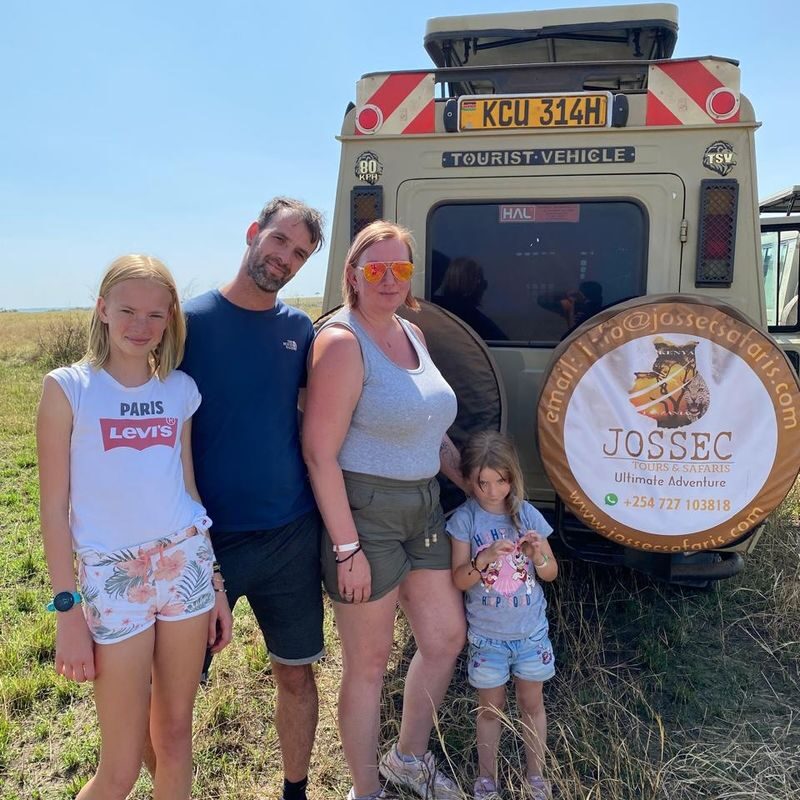 1 / 8
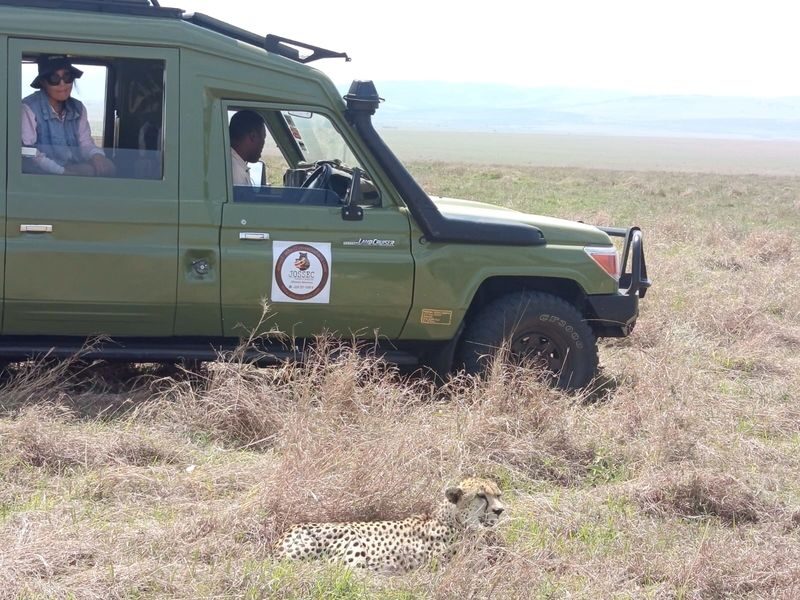 2 / 8
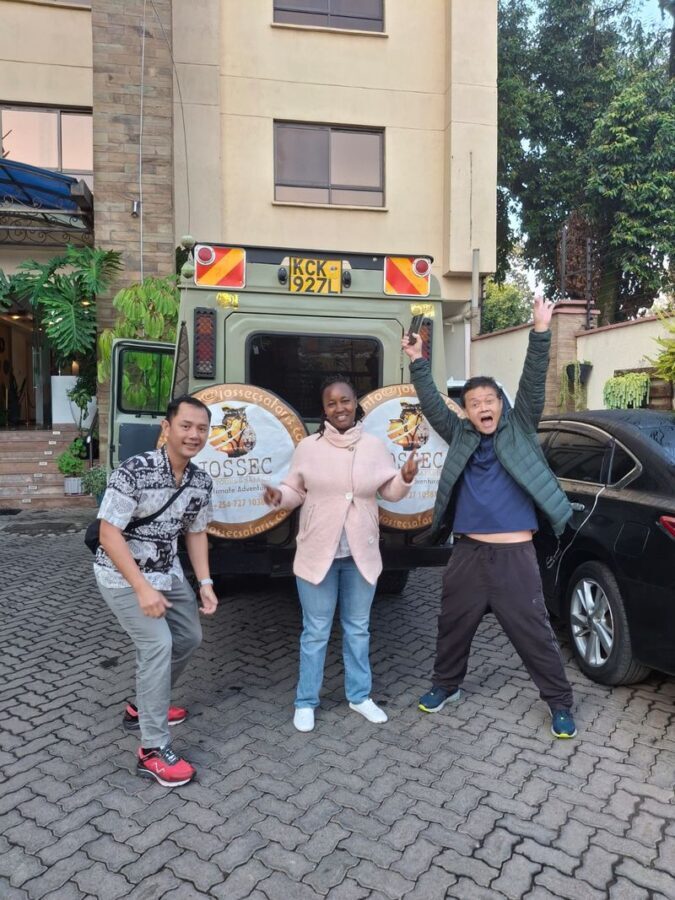 3 / 8
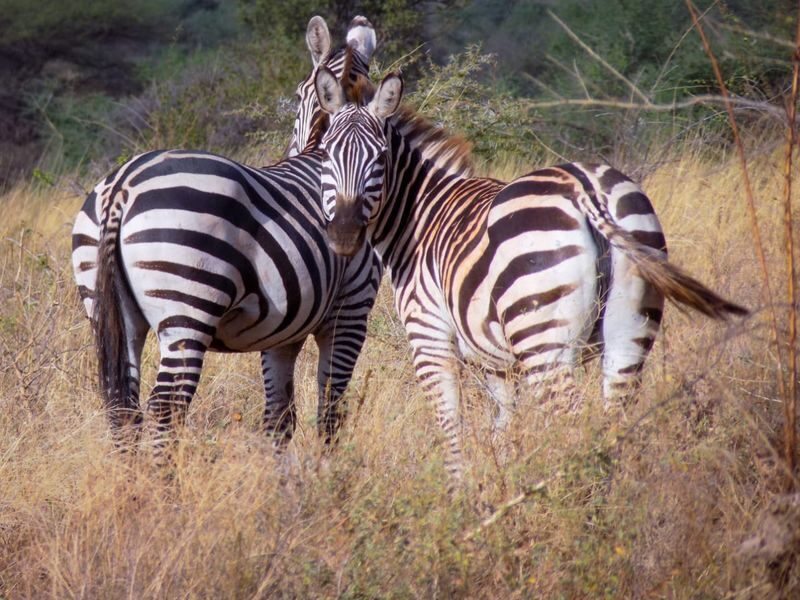 4 / 8
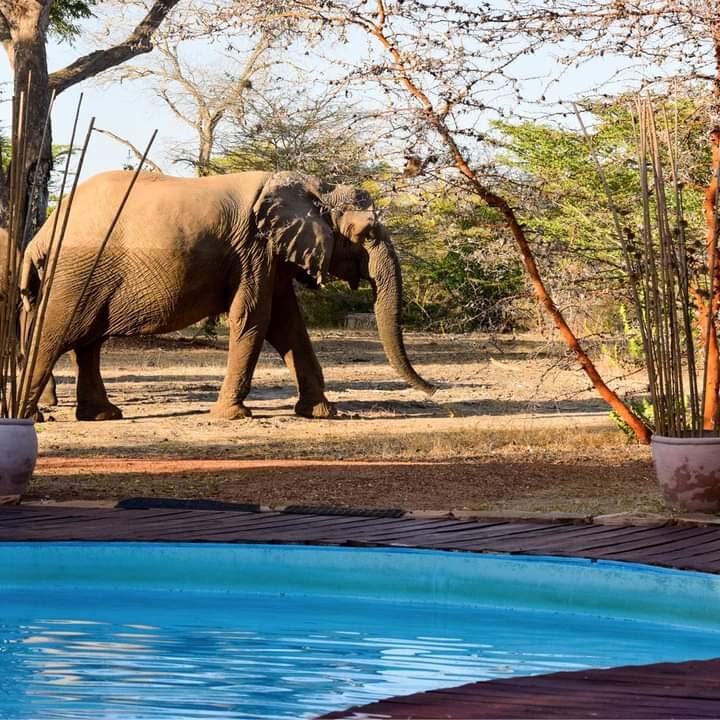 5 / 8
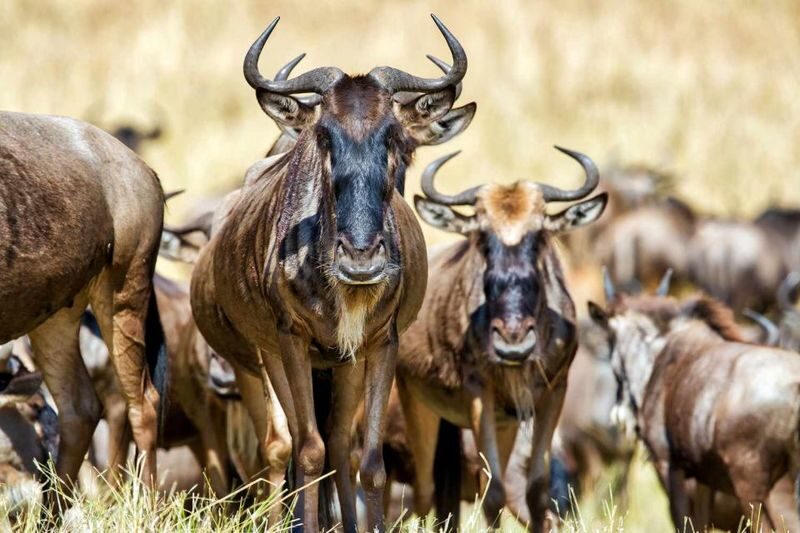 6 / 8
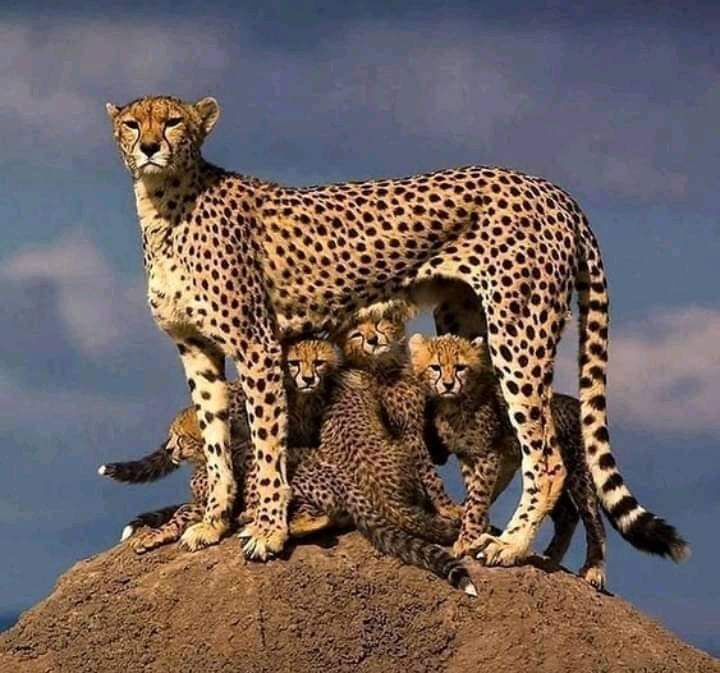 7 / 8
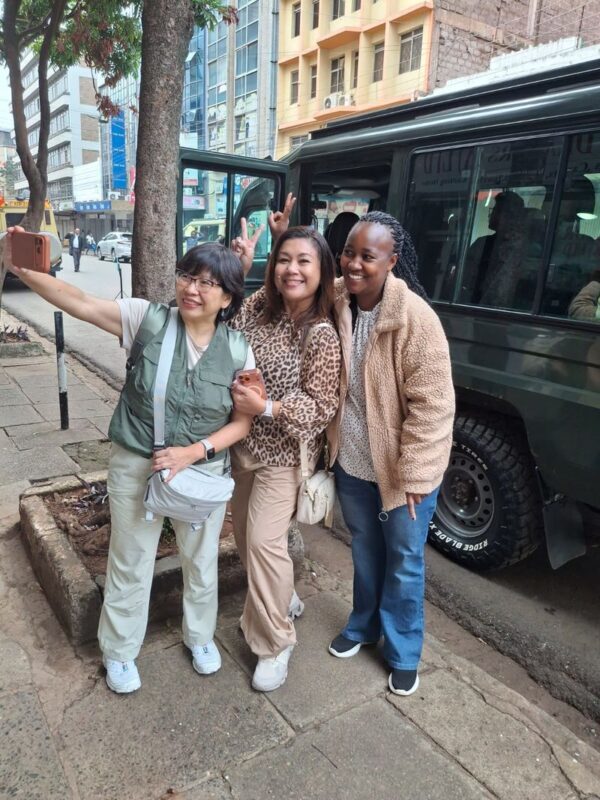 8 / 8
- The Mara gets the longest wildlife-viewing day: Day 2 allows eight hours for guided exploration and game drives.
- The Great Migration is seasonal: You might see it, but the tour cannot promise a particular crossing or date.
- Expect a bumpy road to the Mara: The drive from Nairobi takes about five hours, and parts of the route are dirt roads.
- You stay in two different styles of lodging: Two nights are at Rhino Tourist Camp, followed by one night at Buraha Zenoni near Lake Nakuru.
- Starting prices depend on date and package: Season and accommodation level affect the price, so check the total for your chosen departure.
From Nairobi to the Mara, Day 1
The safari begins with a morning departure from Nairobi, scheduled between 7:20 and 7:40. Arrive five minutes early at the designated meeting point. The drive to the Masai Mara takes about five hours, though traffic and road conditions can affect the timing.
A bumpy ride is part of the practical picture. One account describes the second half of the journey as dirt roads, with wildlife appearing beside the route. That can make the drive feel like the safari has begun before you reach the reserve, but it is still a long transfer. If you are prone to motion sickness, plan ahead, and keep water and any essentials within easy reach.
After arrival, you check in at Rhino Tourist Camp and take an evening game drive. This first outing gives you a chance to get your bearings and start looking for wildlife, though the exact sightings depend on the day. The Mara’s open savannah is known for its Big Five: lion, leopard, elephant, buffalo, and rhino. Seeing all five is never guaranteed, so treat each encounter as a bonus rather than a checklist.
There is a useful human detail here, too. The driver-guide can shape the feel of a long safari, from managing the drive to helping the group stay comfortable. A trip account describes the guide as conscientious and attentive, a welcome quality when you are spending several days on the road and out on game drives. Still, it is wise to reconfirm your arrangements with Jossec Tours and Safaris before departure. One account describes an itinerary arrangement that seemed to have been missed at first, then fixed at the last minute.
A full day among Mara wildlife, Day 2
The second day is the safari’s main event: eight hours of guided exploration in the Masai Mara. Multiple game drives give you more time to look for wildlife than a single brief outing would. You may encounter lions, elephants, buffalo, leopards, or rhinos, along with many other animals, but sightings vary with conditions and luck.
The Great Migration is a major reason people choose the Mara. Depending on the time of year, huge herds of wildebeest, zebras, and other herbivores move in search of greener grazing, and some cross the Mara River. The timing matters. If witnessing the migration is your chief goal, check the seasonal dates before booking and keep expectations flexible: this tour offers a chance, not a guarantee, of seeing a crossing.
A Maasai village visit is also mentioned as an option during the day. The details, including the arrangements and any additional cost, are not specified, so ask the operator before you set your expectations or budget. If it is available, it can add a cultural element to a safari otherwise focused on wildlife and driving.
You return to Rhino Tourist Camp for a second night. The camp offers tents with modern amenities, mosquito nets, and private washrooms with hot showers. That combination matters after a dusty day: you are close to the wilderness, but you do not have to give up a private bathroom or a hot shower. The camp’s exact level of comfort may not suit someone expecting a luxury lodge, but it provides practical comforts for a safari-focused stay.
From the Mara to Lake Nakuru, Day 3
After breakfast, you leave the Mara for Lake Nakuru National Park, with the journey listed as six hours. This is another substantial travel day, so do not plan it as an uninterrupted stretch of wildlife viewing. The destination brings a different focus: Lake Nakuru is known for birdlife and flamingos, and the park is also associated with white rhinos and Rothschild giraffes.
You check in at Buraha Zenoni, described as a tranquil lakeside resort with cozy rooms and ensuite facilities. Mosquito nets are provided. The change from tented camp to hotel-style accommodation gives the trip some variety, and a private room and bathroom can be welcome after two nights in camp.
The afternoon is set aside for exploring the lakeside scenery. Lake Nakuru’s appeal is not only the possibility of seeing particular animals. Its birdlife offers a different kind of wildlife watching from the Mara’s plains, and the setting gives you a contrast in habitats within a short tour. Flamingo numbers and wildlife sightings can vary, so enjoy the broader birdlife and scenery rather than counting on a picture-perfect flock.
The included meal plan lists breakfast, lunch, and dinner. The itinerary specifically places breakfast before the departure from the Mara, but it does not spell out the timing or arrangements for every meal. If you have dietary needs, contact the operator in advance rather than assuming a specific menu or provision.
Early wildlife watching and the return to Nairobi, Day 4
The final morning starts with a four-hour guided game drive around Lake Nakuru. Early hours are set aside for birdwatching and searching for rhinos. An early start asks you to trade a little sleep for a cooler, focused wildlife outing; that is a sensible use of your last park time.
After breakfast, the group returns to Nairobi. The return is scheduled for 16:00 to 16:40, with drop-off at a hotel or personal address. Traffic and weather can change the timing, so avoid scheduling a tight onward connection or appointment for that afternoon.
This last drive is a practical part of the package, not a bonus sightseeing stop. The safari covers a lot of ground in four days, and the journey back is one reason the return time is an estimate rather than a promise. If you have a flight or other fixed commitment, build in a generous buffer.
What the price includes, and how to judge the value
The tour price is shown from US$1,279.39, while the package choices list group join-in from US$1,112.50, group economy from US$1,373.75, and private from US$1,600. These are starting prices, not a single fixed fare. The cost varies by month and by accommodation level, so compare the price for your exact dates and chosen package before booking.
The value is easiest to assess by looking at what is bundled: admission to both parks, an English-speaking professional driver-guide, transport, parking and fuel fees, tax, meals, and three nights of lodging. Park fees and transport are substantial parts of a multi-park safari, so having them included makes budgeting simpler. Tips, insurance, and personal expenses are not included.
The group join-in package is identified as the package described for this tour. A private option costs more, but the available details do not say how its schedule or services differ. Ask what changes before paying the premium. Likewise, the economy and join-in labels do not provide enough detail to compare room standards or group size. Confirm the precise accommodation and inclusions for your dates.
For the price, this is a busy four-day introduction to two well-known Kenyan parks, not a slow safari with long stays in one place. You trade relaxed travel days for range: the Mara’s plains and migration possibility, then Nakuru’s birds and rhinos. If seeing wildlife in varied settings matters more to you than having plenty of downtime, the structure makes sense.
Who should choose this safari?
This tour suits you if you want a guided, multi-day safari from Nairobi and appreciate having transport, park admission, meals, and accommodation arranged together. The itinerary combines a full day in the Masai Mara with game drives at Lake Nakuru, making it a useful choice if you have four days and want more than one park.
It may be less appealing if you dislike long road transfers, need a highly predictable timetable, or want to spend several days in one reserve. The trip includes roughly five hours to reach the Mara, a six-hour travel day to Nakuru, and a return journey to Nairobi. The road can be rough, and traffic or weather may alter the schedule.
There is no age limit stated, and the activity is listed as stroller- and wheelchair-accessible. If you have specific mobility requirements, it is still sensible to contact the operator to confirm what the transport and accommodation can support. Pets are prohibited. Bring a passport with at least six months of validity.
Should you book it?
Book this safari if you want the Mara and Lake Nakuru in one compact trip, value a package that includes park fees and transport, and can handle long drives. The strongest reasons to go are the full Mara game-drive day, the chance of seasonal migration viewing, and the shift to Nakuru’s birdlife and rhinos.
Look elsewhere if your priority is a leisurely pace, guaranteed migration sightings, or a tightly fixed return time. Before paying, confirm your date-specific price, accommodation level, package choice, pickup arrangements, and whether a Maasai village visit is available. Those checks help turn a broad safari plan into one that fits your expectations.
Kenya Masai Mara & Lake Nakuru 4-Day Guided Safari
“At the beginning, the travel agency seemed to have forgotten to arrange our itinerary, but luckily the problem was solved at the last minute. Get o…”
FAQ
How long is the safari?
It lasts four days and includes three nights of accommodation.
Which parks are included?
The tour visits Maasai Mara National Reserve and Lake Nakuru National Park. Admission to both is included.
Is the Great Migration guaranteed?
No. The migration is seasonal, and the tour offers a chance to see it depending on the time of year. A specific river crossing is not guaranteed.
What accommodation is included?
You stay two nights at Rhino Tourist Camp in the Masai Mara and one night at Buraha Zenoni near Lake Nakuru. The camp has tents with private washrooms and hot showers; the hotel offers rooms with ensuite facilities.
Are meals included?
Breakfast, lunch, and dinner are listed as included. The precise meal schedule is not provided.
What is the language of the guide?
The tour includes an English-speaking professional driver-guide.
What should I bring?
Bring a passport with at least six months of validity. Pets are prohibited.
Is there an age limit, and is the tour accessible?
No age limit is stated. The activity is listed as stroller- and wheelchair-accessible.
Can I cancel or reschedule?
A full refund is available if you cancel at least 24 hours before the activity date, using the destination’s local time. To reschedule, contact Jossec Tours and Safaris at [email protected].