
The striking part of this half-day trip is the change of scene: Hammamet’s coast gives way to the Zaghouan mountains and a village of empty stone houses and steep lanes. I like the contrast between exploring the silent ruins and sitting down for food, and I like that a guide can connect this remote place to Tunisia’s rural past.
One thing to plan for: the drive takes about an hour each way, and the visit may include stops beyond the village. The route and guide’s explanations can vary, so this suits you best if you’re flexible about the exact schedule and want a taste of the region, not a long, uninterrupted village visit.
- At a glance
- Leaving Hammamet for the Zaghouan mountains
- Walking Zriba Ollya’s quiet lanes
- Food that brings the outing back to the table
- Extra stops and a route that can shift
- Is fair value?
- Who should book this outing?
- Booking advice
- FAQ
- How long is the tour?
- Where does the tour start?
- How long is the drive to Zriba Ollya?
- What languages are offered?
- What food is included?
- What should I bring?
- Can I cancel for a refund?
At a glance
 1 / 7
 2 / 7
 3 / 7
 4 / 7
 5 / 7
 6 / 7
 7 / 7
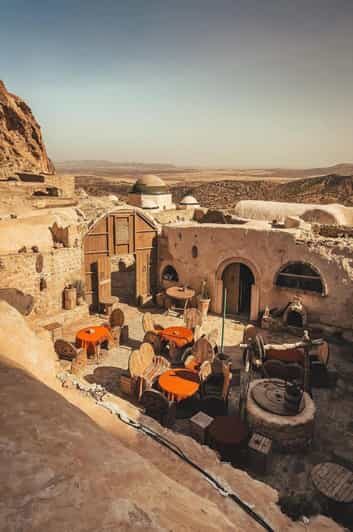
- Zriba Ollya is a mountain village of stone houses and deserted lanes, with broad views over the surrounding Zaghouan region.
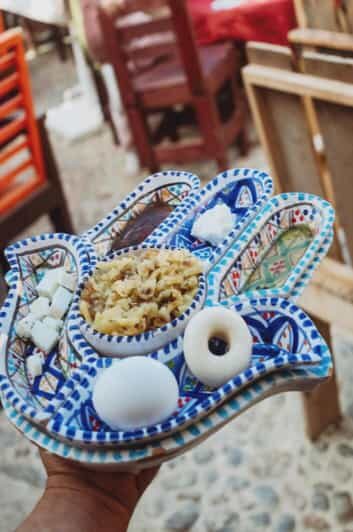
- The food tasting is a substantial part of the outing. Expect local products such as bread, olive oil, honey, dates and harissa, though the spread can vary.
- The advertised plan is about five hours, including roughly two hours in the Zriba area and about an hour of driving each way from Hammamet.
- Some outings add a Water Temple, bakery or farm stop. These are not guaranteed, and can change how much time you have in the village.
- English and French are the stated guide languages, but the amount of English explanation may vary. Guides named by participants have included Khaled, Imed, Oussama and Momo.
- Comfortable shoes and bottled water are the practical basics. The lanes are steep, and there is free time for photos and exploring.
Leaving Hammamet for the Zaghouan mountains
Pickup is listed for Yasmine Hammamet, with the departure schedule starting around 8:00 a.m. From the coast, the van heads inland for about an hour. Air-conditioning matters on a warm day, and the drive is more than a transfer: it gives your guide time to introduce the village and the area’s rural history.
The planned return is around 1:00 p.m., making this a compact outing rather than a full-day expedition. Actual timings can shift. One reported trip began later than planned and returned around noon, while other outings included extra stops. If you have a fixed lunch reservation or another activity, leave room for the schedule to run differently.
A licensed guide is included, and the advertised languages are English and French. The quality of interpretation is important here: the village has no promised interpretation panels, so stories from the guide may be your main way to understand what you’re seeing. English ability has varied, and some visitors have had limited explanations or relied on a driver using a translation app. You can ask the operator about the language for your departure if that is central to your plans.
Walking Zriba Ollya’s quiet lanes
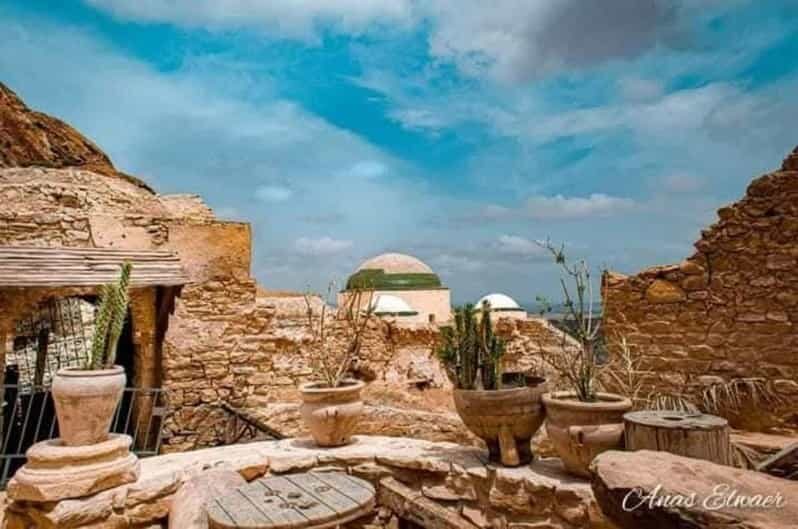
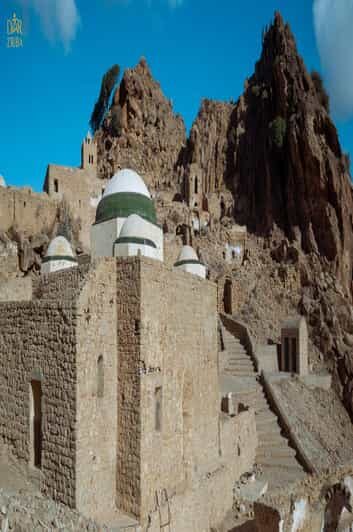
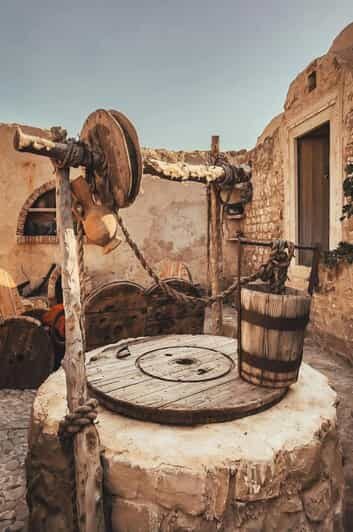
Zriba Ollya, also called Zriba El Alia, is the main reason to make the trip. The village sits high in the mountains, its close-set stone buildings and narrow, steep lanes giving it a different feel from the beach towns. Many houses are deserted, including cave dwellings, and the quiet gives you room to picture the daily life that once filled them.
Take your time looking at the building shapes and how the homes cluster together. The appeal is not a long list of restored monuments or exhibits. It is the atmosphere of an old settlement, the mountain setting and the chance to see a less familiar part of Tunisia. The views are a highlight, and the village makes a fine setting for photographs.
There is a melancholy edge to the visit, but the reasons for the village’s decline should not be reduced to one tidy explanation. Accounts connect its abandonment with flood risk and the move toward modern life. A good guide can give you more context, though the level of detail is not guaranteed. If the history matters to you, prepare a few questions about when people left, where they moved and how the buildings were used.
Allow for uneven, steep lanes rather than a smooth stroll. Comfortable shoes are a sensible choice, and bottled water is recommended. The program allows time for a guided walk and free exploration, but the village portion may feel brief if you want to linger over every corner. One common piece of practical feedback is that visitors would like more unstructured time there. If photography or quiet exploration is your priority, use the free period well and ask the guide how much time remains before wandering farther.
Food that brings the outing back to the table
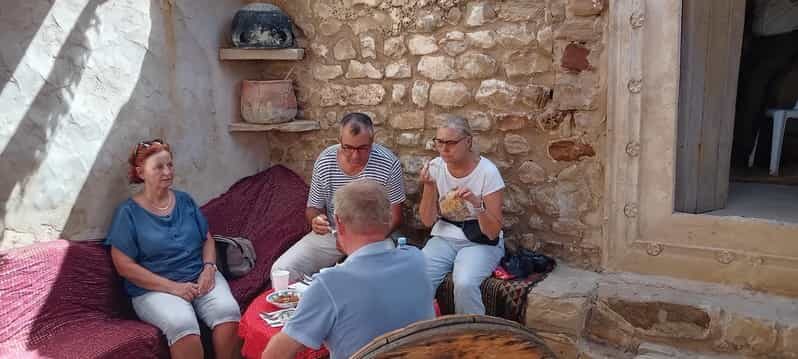
After the ruins, the group sits down for a regional tasting. The contrast is part of the appeal: you leave the quiet lanes for a welcoming meal in a restored house, on a terrace or at a nearby farm. The exact setting depends on the day’s route. Dar Zaghouan, an ecological farm with olive-oil production, has featured on some trips, but should not be treated as a guaranteed stop.
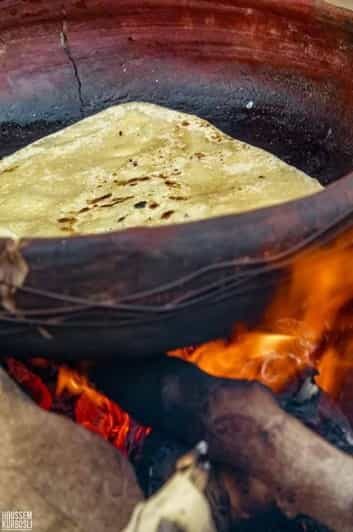
The described tasting includes Berber tea with pine or traditional coffee, wood-fired bread, regional olive oil, mountain honey, dates and harissa. Other reported meals have included items such as shakshouka, cheese, jam, halva and sorghum porridge. The menu can differ, so think of this as a generous taste of local products rather than a fixed tasting flight with a set list.
The portions can be hearty enough to feel like brunch or a light lunch. That is useful if you are heading straight back to Hammamet, but it also means you may not need to plan a large meal immediately afterward. If you have dietary restrictions, the details provided do not promise alternatives, so check before booking rather than assuming the spread can be adjusted.
The welcome and food are among the strongest reasons to book. Bread, oil, honey and dates are everyday staples with a regional character, and tasting them in a rural setting gives the meal more meaning than a quick restaurant stop. The presentation can vary, too. Some outings have included demonstrations of bread baking, while others have focused on tasting. Even small details such as tea service may be simple rather than polished, so come for the flavors and hospitality, not a formal culinary event.
Extra stops and a route that can shift
The published outline puts the village and tasting at the center, but the actual route may include more. The Water Temple, an ancient Roman site, has been an added stop on some outings. A roadside bakery visit has also featured, with a chance to see bread being made and sample it. Some trips continue to Dar Zaghouan, where the farm setting, gardens and traditional olive-oil production add another dimension.
These additions can be a bonus if you enjoy seeing several sides of the region in one morning. The Water Temple brings older Roman-era history into the day, while the bakery and farm offer a closer look at food production. But each stop takes time. If you expected to spend most of the outing in Zriba Ollya, a multi-stop route may feel rushed or different from what you had pictured.
Ask at pickup what is planned that day, especially if you are deciding how to divide your time between the village and other sites. The experience is best approached as a regional half-day excursion with Zriba Ollya as its centerpiece, rather than a private, in-depth tour of the village alone.
More Great Tours NearbyIs $45 fair value?
At $45 per person, the price covers transport, a licensed guide and the local food tasting. That is a reasonable package for a five-hour outing from Hammamet, especially if the guide provides clear context and the tasting is generous. You also avoid arranging transport to a mountain village on your own.
Value depends on what you want from the visit. If you’re keen on the village’s architecture and history, the experience may feel short, particularly if extra stops reduce your time there or the guide’s explanations are limited. If you enjoy scenery, local food and a change from the coast, the combination is more compelling. The meal can be substantial, but it is not a substitute for a dedicated cooking class or a detailed food tour.
The group size is not fixed in the details provided. Small groups have been reported, including one with six people, but you should not count on a private outing. A private tour has happened when only a few people booked, but that is not something to assume.
Who should book this outing?
I’d choose this trip if you want a straightforward way to see the Zaghouan mountains and a historic Berber settlement without organizing a car. It suits curious visitors who enjoy mountain scenery, old buildings, local food and a guide’s stories. The tasting and the chance of additional regional stops make it more varied than a simple photo stop at the village.
It is less suited to you if you want a long, self-directed exploration of Zriba Ollya, a guaranteed visit to the Water Temple or a set menu of traditional dishes. The schedule and food can vary, and guide language is worth confirming if you need detailed explanations in English. Bring comfortable shoes, water and some cash if you would like to tip your driver or guide.
Booking advice
Book if you’re happy with a half-day that pairs a quiet mountain village with a generous local tasting, and you can be flexible about extra stops. Before paying, confirm the pickup details, the guide language and the expected route. If your main goal is a deep historical account or extended time among the ruins, ask how much of the day will be spent at Zriba Ollya. That one question will help you decide whether this is the right fit.
Berber Immersion in Zriba Ollya & Local Food Tasting
FAQ
How long is the tour?
The advertised duration is five hours, including transport from Hammamet. The planned schedule runs from around 8:00 a.m. to about 1:00 p.m., though actual timing can vary.
Where does the tour start?
Pickup is listed for Yasmine Hammamet. Check the available pickup details for your booking.
How long is the drive to Zriba Ollya?
The van ride is about one hour each way from Hammamet.
What languages are offered?
English and French are the stated guide languages. The amount of explanation in each language can vary, so confirm your preferred language before booking.
What food is included?
The tasting may include Berber tea with pine or coffee, traditional bread, olive oil, honey, dates and harissa. The exact spread can vary, and other local foods may be served.
What should I bring?
Wear comfortable shoes for the steep village lanes and bring bottled water. Personal expenses and food or drinks beyond the included tasting are not covered.
Can I cancel for a refund?
Yes. You can cancel up to 24 hours in advance for a full refund.
You can check availability for your dates here: