Jeju’s Bojagi Sujak workshop gives you something more lasting than a souvenir-shop purchase: a handmade object, decorated with mother-of-pearl, and wrapped in traditional Korean cloth. You can focus on one craft or combine nacre work with bojagi wrapping, learning two different skills in the same session.
I like the personal choice built into the craft: you can make a compact mirror, coaster, norigae, keyring, or another offered item, then arrange the shell pieces to suit your taste. I also like that bojagi is practical, reusable gift wrapping, not just a pretty finish for photographs.
One consideration: the experience is at Bojagi Sujak in Gujwa-eup, not central Jeju City, and the Sehwa Beach photo experience is mentioned without details about transport or timing. Check how that part works before you plan your day around it.
- What to Know Before You Book
- Start With a Craft, Not a Souvenir Shop
- Making a Mother-of-Pearl Keepsake
- Learning the Uses of Bojagi
- A Calm Studio Session With Personal Help
- Sehwa Beach and the Jeju Connection
- Cost, Value, and Booking Details
- Who Should Make Time for This Workshop?
- FAQ
- Where does the workshop take place?
- What crafts are included in the combined package?
- What can I make?
- Do I need craft experience?
- Is there an age limit?
- Is the class available in English?
- Is the Sehwa Beach photo experience included?
- What happens if I need to change or cancel my booking?
- The Best Of Jeju!
- More Tours in Jeju
- More Tour Reviews in Jeju
- Not for you? Here's more nearby things to do in Jeju we have reviewed
What to Know Before You Book
 1 / 8
 2 / 8
 3 / 8
 4 / 8
 5 / 8
 6 / 8
 7 / 8
 8 / 8
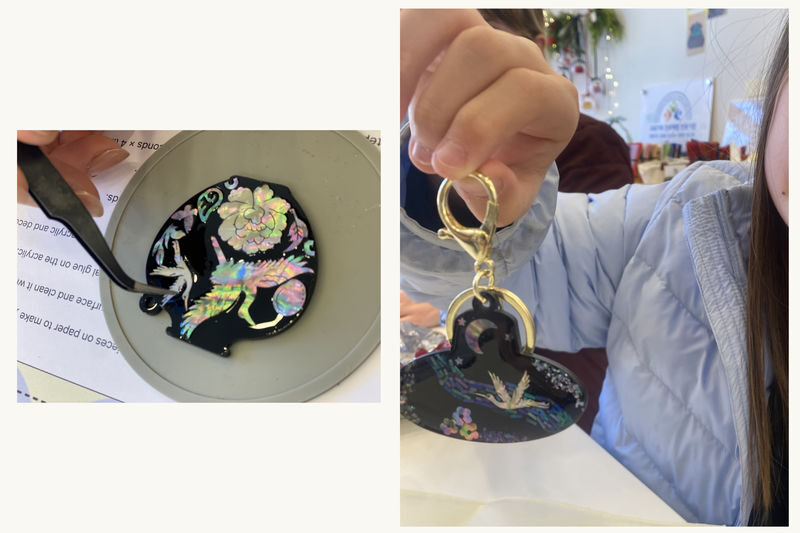
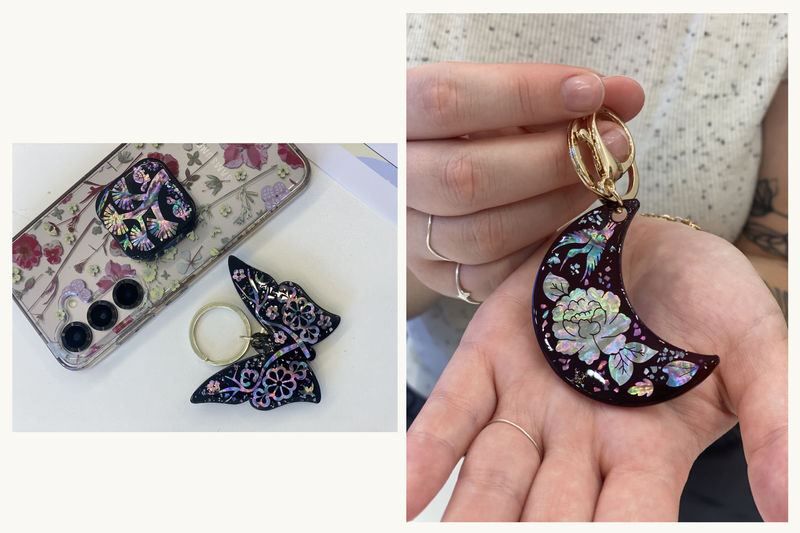
- You make a personal keepsake: Options have included compact mirrors, coasters, norigae, keyrings, phone grips, and other items, depending on the available choices.
- Two crafts fit into one visit: Decorate an object with mother-of-pearl, then learn how to wrap it with Korean bojagi cloth.
- You can work at your own pace: The instructor gives clear steps and help, while leaving room to choose a design and finish.
- The class suits different skill levels: Beginners and families have completed crafts, and the activity has no stated age limit.
- English support can vary: Some sessions have had English instructions or an English-speaking instructor; translation apps have also helped bridge gaps.
- Check the price and beach details: Supplied prices differ, and the Sehwa Beach photo experience needs practical confirmation before booking.

👉 See our pick of the 4 Best 3 Day Tours In Jeju
Start With a Craft, Not a Souvenir Shop
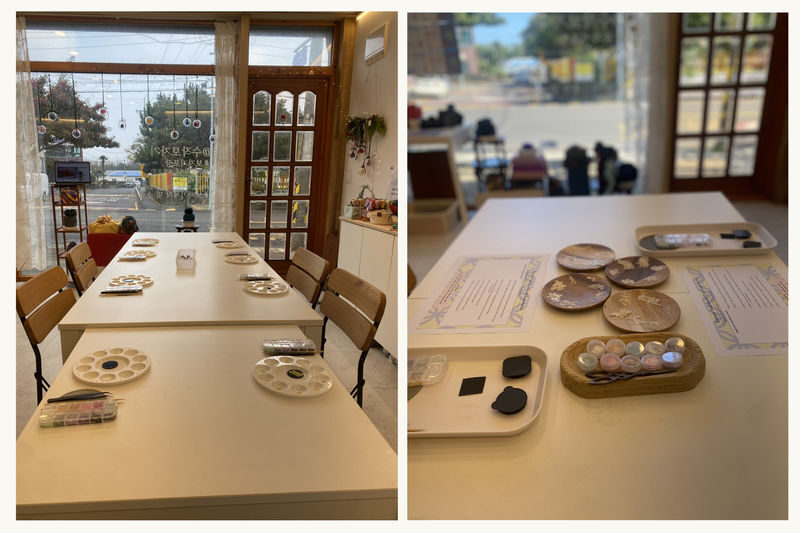
At Bojagi Sujak, the point is to make a small object yourself, then carry home the memory of making it. Mother-of-pearl, or nacre, has a natural sheen that catches the light, and the Jeju connection gives the finished piece a stronger sense of place than a generic trinket.
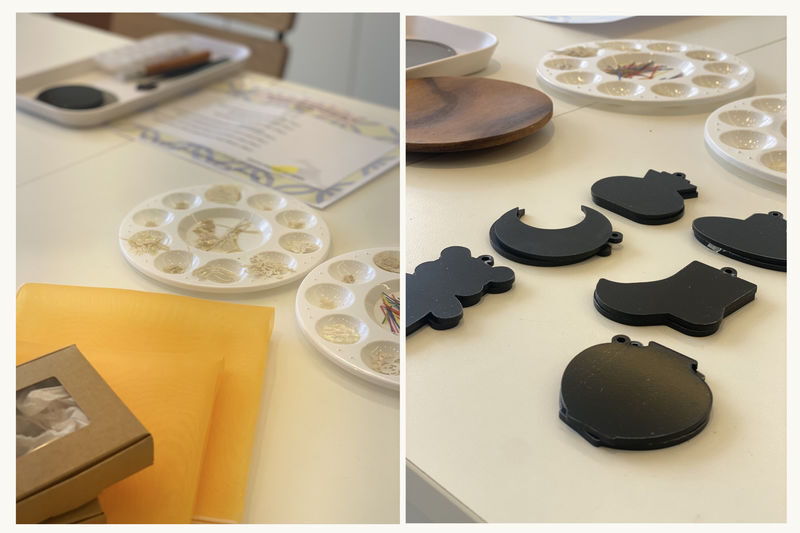
The workshop is a good fit if you enjoy creative activities but don’t think of yourself as especially artistic. You choose from available objects and shell pieces, then follow the instructor’s steps. Past projects have included compact mirrors, coasters, norigae, keychains, and phone grips. The exact choice may depend on what is available for your session, so ask ahead if you have one particular item in mind.
You do not need to arrive with a design ready. Examples and ideas help you get started, and the instructor can guide you as you arrange the decorative pieces. The pace is described as relaxed, with time to make choices rather than rush through a preset result. That matters if you want a keepsake that feels like yours, not a craft assembled in a hurry.
You can also read our reviews of more tours and experiences in Jeju.

Making a Mother-of-Pearl Keepsake
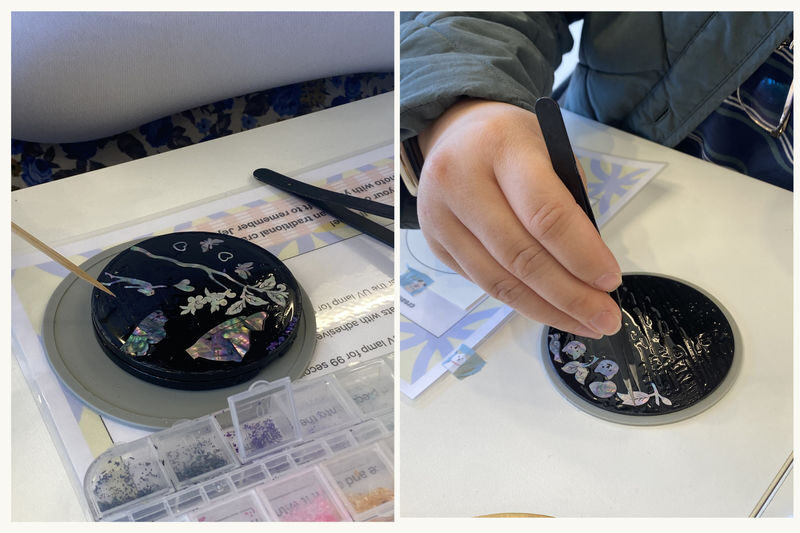
The nacre craft is the hands-on centre of the visit. You select an object, plan where the shell details will go, and build up a design with guidance from the instructor. The materials make this a tactile activity, closer to composing a small decorative picture than simply sticking on a ready-made motif.
That comparison is useful if you like fine art or painting. You are working with a different medium, but you still make decisions about pattern, placement, and balance. There is no stated skill requirement, and the step-by-step guidance makes the activity approachable even if you are unsure where to begin.
Past projects have included hand mirrors, coasters, norigae, keyrings, and smart grips. Several of these are useful everyday objects, which gives the craft a practical edge: a compact mirror or phone grip may remind you of Jeju long after a decorative item has gone on a shelf. If you are making something as a gift, the finished piece can feel personal without requiring advanced craft skills.
Plan to give yourself time to make decisions. A session has been described as lasting an hour or two, but no fixed duration is provided here, so treat that as a rough guide rather than a promise. If you are travelling with someone who finishes quickly, the workshop’s relaxed pace may mean you spend different amounts of time on your designs.
Learning the Uses of Bojagi
The second part adds a useful Korean tradition to the experience. Bojagi is cloth used for wrapping and carrying objects, and the workshop teaches you how to turn fabric into a neat, attractive package. Rather than relying on disposable paper and tape, you learn a wrapping method that can be used again.
That practical element is what makes the class more than a short craft project. You can take home the object you decorated, but you also leave with a technique you can reuse for gifts. The wrapping is presented as part of the making experience, so your creation can become a finished present rather than an uncovered craft.
The instructor explains the process clearly, and examples help you see how the cloth can be arranged. If you have assumed bojagi is only decorative, the class offers a chance to learn about its everyday uses as well. You will need to follow the folds and ties, but the instructions are meant for beginners, not experienced textile artists.
The exact fabric choices and wrapping styles are not specified, so don’t expect a particular colour or pattern unless you confirm it. The value is in learning the method and applying it to your own handmade piece.
A Calm Studio Session With Personal Help
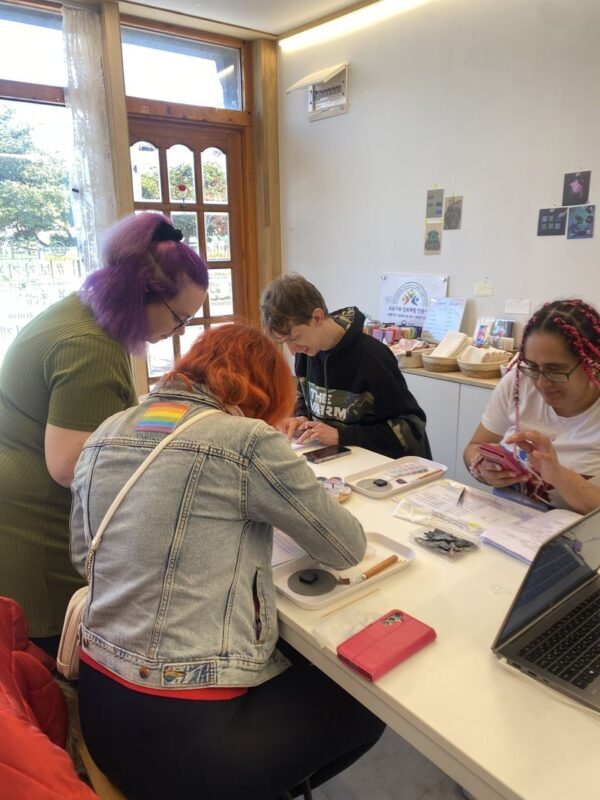
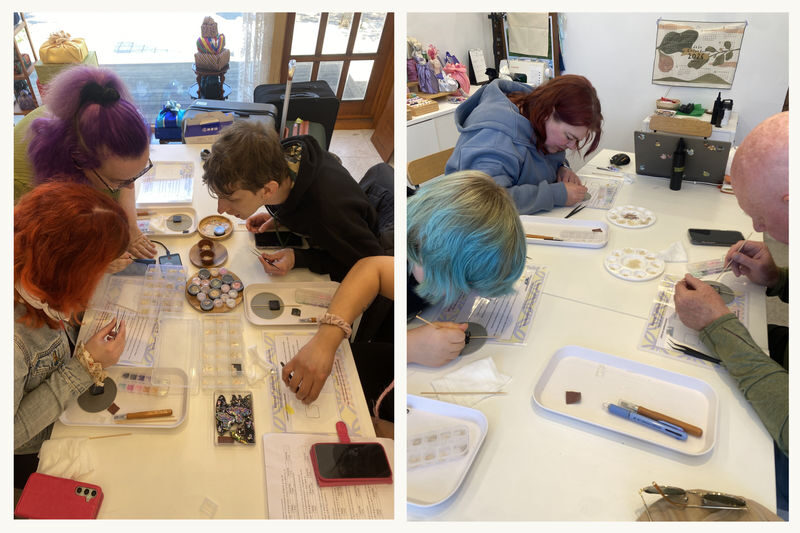
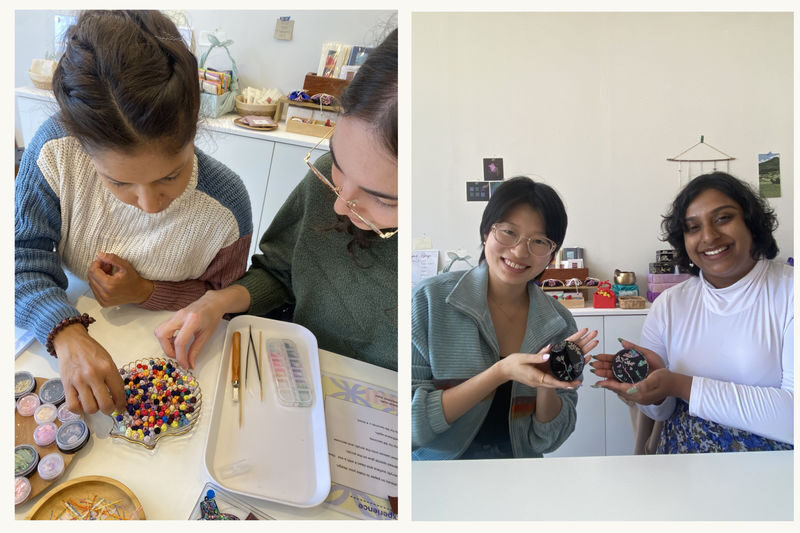
The studio setting is described as cozy and welcoming, and the class size has sometimes been small, including one session with four people. That can make a difference: you have room to ask questions, work at your own pace, and get help when a design isn’t coming together.
The instructor’s patience is among the strongest reasons to consider booking. Participants have been helped through each step, including children and people who took extra time to settle on a design. Ms. Cho Yesong has hosted sessions, and instructors have also been identified by other names, so don’t assume one particular person will lead your class.
English support has varied by session. Some instructors have spoken English well, and English instruction sheets have been used. In other cases, the instructor has relied on a translation app or the participant’s translation device. The craft instructions have still been manageable, but if detailed conversation is important to you, ask about language support when arranging your session.
Families have made crafts together, including children, and the activity has no stated age limit. That makes it a possible rainy-day or quieter-day plan for a family, especially if your group likes making things. Still, no age-specific instructions or supervision arrangements are provided, so check directly if you are booking for very young children.
Sehwa Beach and the Jeju Connection
A photo experience at Sehwa Beach is included among the workshop highlights, with your handmade creations as the subject. It offers a natural way to connect the craft to Jeju: you leave with an object you made and a picture of it in a coastal setting.
The practical details are not spelled out. The information does not say whether beach transport is included, how the photo portion is arranged, or whether it takes place before or after the studio work. Bojagi Sujak is at 62, Gujwa-ro, Gujwa-eup, Jeju-si, so plan your route to the workshop separately unless the organiser confirms transport.
If the beach photo is important to you, ask what is included and how much time to allow. If it is an optional extra or depends on conditions, you will want to know before building your day around it. The craft class itself remains the core experience, so book it for the workshop rather than assuming a full beach excursion.





Cost, Value, and Booking Details
The supplied prices are not consistent: the summary gives a starting price of US$51.79, while the package detail shows the combined bojagi and mother-of-pearl class from US$47.09. Treat either amount as a starting point and check the final price for your date and selected package.
For the cost of a hands-on workshop, the value comes from the two crafts, instructor guidance, materials for a handmade object, and the wrapping lesson. You are not paying only for a small accessory; you are also learning a traditional wrapping technique you can repeat at home. The experience makes particular sense if you like art, want a personal souvenir, or would rather spend part of your Jeju visit making something than shopping for it.
The voucher is mobile, and confirmation is due within 24 hours. If no confirmation email arrives, contact customer support. The voucher is valid only for the specified date and time, unless you have contacted the seller and agreed on a change. Cancellation at least 24 hours before the activity, using Jeju local time, qualifies for a full refund.
Who Should Make Time for This Workshop?
I would choose this class if you enjoy small-scale crafts, want an introduction to Korean bojagi, or are looking for a meaningful keepsake that you can use. It also works for a couple or family who want a calm shared activity. You can make different objects side by side, and you do not need to match anyone else’s pace or design.
It is less suited to someone seeking a long cultural lecture, a large group performance, or a fully organised beach outing. The focus is doing the craft. The class also takes place outside central Jeju City, so you’ll need to account for the journey to Gujwa-eup.
If you are on the fence, ask which craft items are available and whether the Sehwa Beach photo portion includes transport. Those two answers will help you judge whether the activity fits your interests and schedule. For a hands-on souvenir and a reusable wrapping skill, it is an appealing way to spend a quieter part of your Jeju trip.
Jeju Bojagi & Mother-of-Pearl Craft Making Experience
“My husband and I really enjoyed this workshop! The organiser reached out to us the day before to ask what we wanted to make, we decided to make coa…”
FAQ
Where does the workshop take place?
It meets at Bojagi Sujak, 62, Gujwa-ro, Gujwa-eup, Jeju-si, Jeju-do, Republic of Korea.
What crafts are included in the combined package?
The combined package includes mother-of-pearl craft making and bojagi wrapping. You design a mother-of-pearl item, then wrap your creation with Korean bojagi fabric.
What can I make?
Possible items include a mirror, coaster, norigae, keyring, or smart grip. The options available for your session may vary.
Do I need craft experience?
No skill level is stated as a requirement. The instructor provides guidance, and the activity is presented as suitable for beginners.
Is there an age limit?
No. The activity information states that there is no age limit.
Is the class available in English?
English support varies. Some sessions have had English-speaking instruction or English instruction sheets, while translation apps have helped in other sessions.
Is the Sehwa Beach photo experience included?
A photo experience at Sehwa Beach with your handmade creations is highlighted, but the transport and timing details are not specified. Confirm those details with the organiser.
What happens if I need to change or cancel my booking?
The voucher is valid for the specified date and time. A time change is valid if agreed with the seller. You can receive a full refund if you cancel at least 24 hours before the activity date, using destination local time.