Jeju’s appeal is in its contrasts: volcanic rock underfoot, a mountain at the island’s heart, and a coast shaped by the sea. This join-in tour takes the planning and driving off your plate, with three routes aimed at different parts of the island. I like the no-shopping format and the clear inclusion of admissions, fuel, tolls, and parking.
I also like the practical pick-up and drop-off choices, especially if you are arriving with luggage or want to finish near the airport. The trade-off is a packed day with fixed stops, and the displayed one-hour duration conflicts with the schedule, which runs from morning to early evening. Treat it as a full-day outing, and confirm your selected route before booking.
- At a glance: what matters most
- Choose a route before you choose a date
- The East route, from lava tube to coast
- South and WestSouth: different scenery, different pace
- Guides, group size, and the feel of the day
- What the price includes, and what it does not
- Pick-up, drop-off, and useful planning details
- Is this Jeju day tour worth booking?
- FAQ
- How long does the tour take?
- What routes can I choose?
- What is included in the price?
- Is lunch included?
- Does tangerine picking cost extra?
- Where can I be dropped off?
- Can I bring luggage?
- Are children and wheelchair users able to join?
- The Best Of Jeju!
- More Tours in Jeju
- More Tour Reviews in Jeju
- Not for you? Here's more nearby things to do in Jeju we have reviewed
At a glance: what matters most
- Three routes cover different parts of Jeju: East, South, and WestSouth each have their own mix of nature and cultural stops.
- The East route connects major sights: Manjanggul Lava Tube, Seongeup Folk Village, Seongsan Ilchulbong, and a tangerine farm are among its planned stops.
- Core transport costs and admissions are included: Fuel, tolls, parking, and attraction admission are covered in the listed price.
- Tangerine picking is optional and extra: You can explore the farm without taking part in the paid picking activity.
- The day is long and schedule-led: Pick-ups start around 8 a.m., with returns listed from 5:45 p.m. onward.
- Guides are a major part of the experience: Names frequently praised include Steven, Chloe, Sun, Alex, Jina, and Sam.

👉 See our pick of the 4 Best 3 Day Tours In Jeju
Choose a route before you choose a date
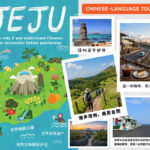
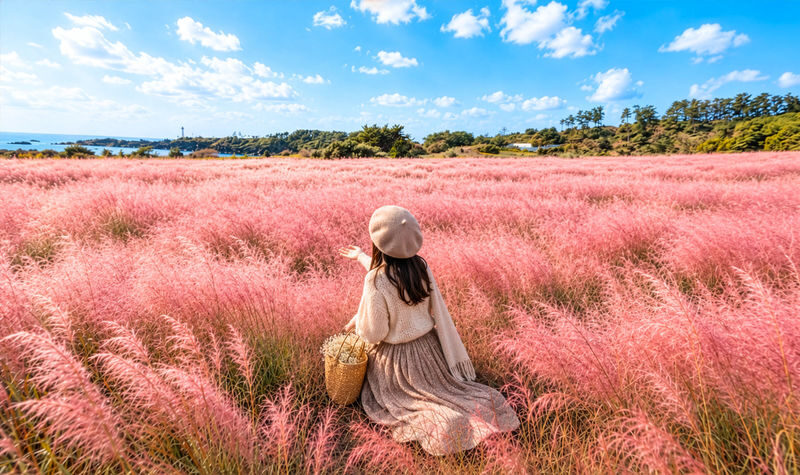
This is not one fixed tour with three interchangeable labels. You select an East, South, or WestSouth itinerary, and each has a different focus. The East option is built around Seongsan, a lava tube, a folk village, and haenyeo culture. The South option combines hiking at Mt. Halla with Hueree’s seasonal pink muhly and waterfalls. WestSouth pairs a haenyeo experience with Mt. Halla, a waterfall, and a tea field.
That choice matters more than the general tour name. If you are set on Seongsan Ilchulbong or the East’s volcanic and village stops, book the East route rather than assuming every package visits them. Likewise, the South and WestSouth packages have their own named highlights. The detailed stop-by-stop schedule below describes the East route, not all three options.
The advertised starting prices differ by route: the East and WestSouth options start at US$51.69, while South starts at US$73.85. The overall experience is also presented from $59.45, so check the price shown for your chosen date and package before paying.
You can also read our reviews of more tours and experiences in Jeju.
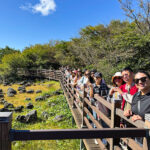
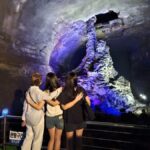
The East route, from lava tube to coast
The day begins with a morning departure, with pick-up times listed between 8:00 and 8:35 a.m. At Manjanggul Lava Tube, you head underground into a volcanic tunnel designated a UNESCO World Natural Heritage site. It offers a striking change of scene from the island’s open coast and green countryside.
Bring a light layer if you tend to feel chilly. One account described the cave temperature as a steady 16°C, which felt refreshing after a hot day outside. The cave visit is guided, but the tour’s pace means you should follow the group’s timing rather than expect a long, independent exploration.
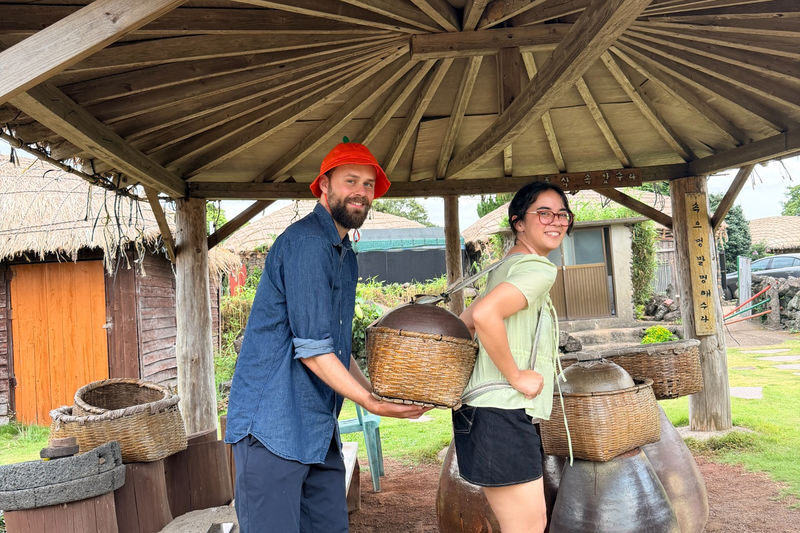
Next comes Seongeup Folk Village, where the focus shifts from geology to how people have lived on Jeju. The tour describes traditional houses and a chance to hear about the island’s past. A village elder, described as being in his eighties, has made a strong impression with an animated presentation, so this stop may offer a more personal encounter than a simple walk past old buildings.
Lunch is scheduled for an hour, though the timing can change. The meal is not included in the listed inclusions, and the restaurant choice can affect your costs. One practical point: tell the guide ahead of time about allergies, vegetarian needs, or religious dietary restrictions. If you have a tight food budget, remember that a delicious meal can still be an expensive one.
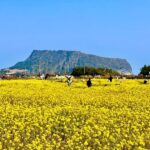
Seongsan Ilchulbong, the volcanic tuff cone famous for sunrise views, is a major East-route draw. It is a UNESCO World Heritage site, but the itinerary does not promise a sunrise visit. Weather, traffic, closures, or capacity limits can lead to a change of plan, and the guide may replace or skip a stop. Keep expectations flexible, especially if this landmark is the main reason you are booking.
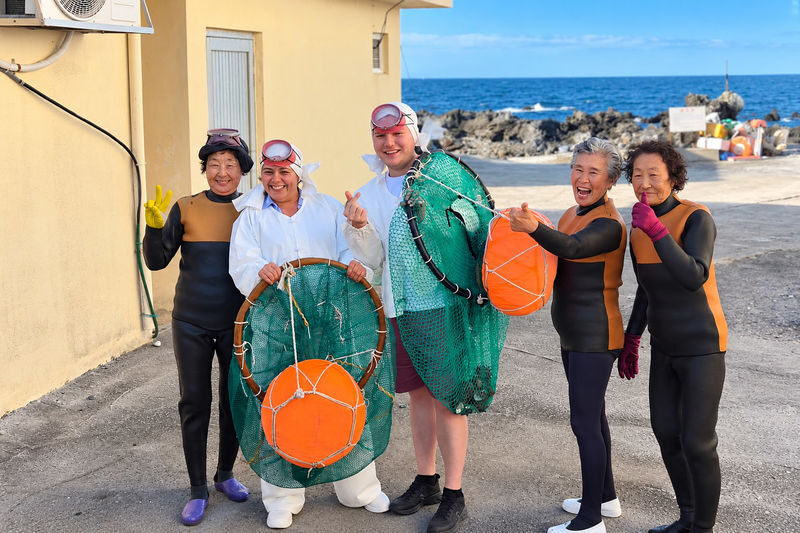
Haenyeo culture is another signature part of Jeju’s identity. The planned East experience includes a haenyeo show, with the Haenyeo Museum used as a backup if the show is canceled. The museum offers context on the lives of Jeju’s traditional female divers, but it is not necessarily an additional stop if the show goes ahead.
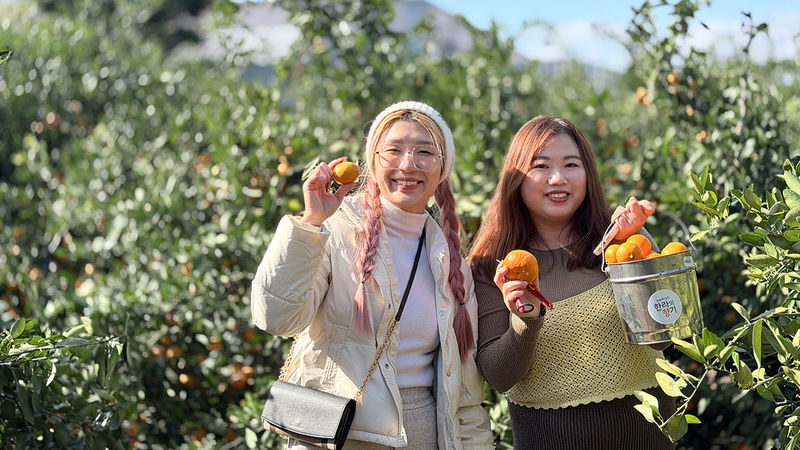
A visit to a tangerine farm adds a seasonal, local touch. Picking fruit is optional and costs extra on site; if you skip it, you can still explore the farm. This makes the stop easier to enjoy at your own pace, though it is worth deciding in advance whether you want to spend extra on the activity.
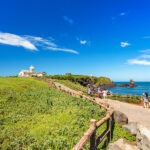
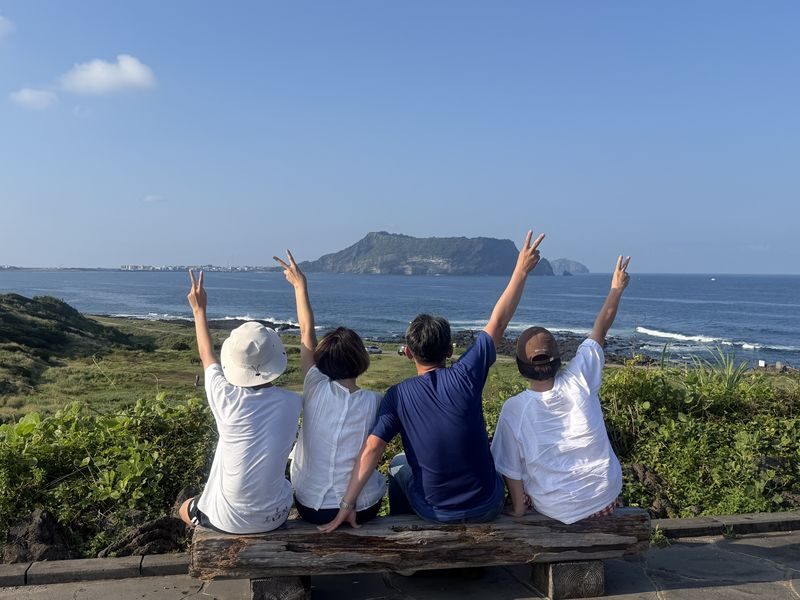
At Gwangchigi Beach, the view brings the day’s volcanic story back to the shore, with Seongsan Ilchulbong rising beside the coast. This is a good place to take in the island’s broad shapes rather than focus on a single attraction. The final listed stop is Dongmun Traditional Market, Jeju’s oldest traditional market. It is self-guided, and you may choose to end your tour there and browse on your own.
South and WestSouth: different scenery, different pace
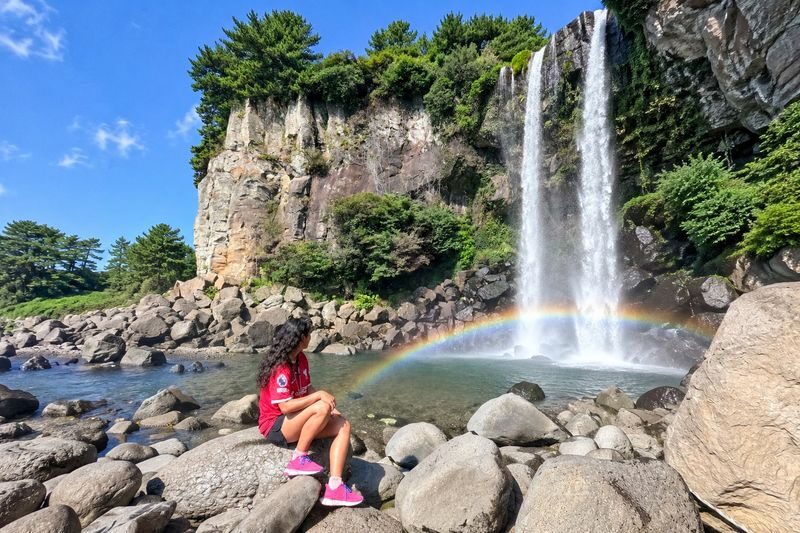
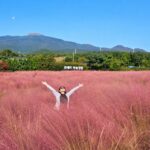
The South route is described as a combination of UNESCO Mt. Halla hiking, Hueree Pink Muhly, and waterfalls. It may suit you if you want a day with more walking and seasonal garden scenery. The word hiking is worth taking seriously: choose this package only if the planned activity fits your fitness and mobility needs. The tour is not wheelchair-accessible.
The WestSouth package lists a haenyeo experience, Mt. Halla, a waterfall, and a tea field. It brings together cultural and natural stops, with less emphasis on the East route’s lava cave and Seongsan. The exact stop order and amount of time at each place can shift with traffic and weather, so use the package name to choose the region, not as a guarantee that every attraction will be visited under all conditions.
Across the routes, the main benefit is reach. Jeju’s sights are spread across a large island, and arranging several distant stops by taxi can add up or take careful planning. A shared bus offers an easier way to see a broad slice of the island in a single day, though you trade the freedom to linger for the convenience of a set schedule.
Guides, group size, and the feel of the day
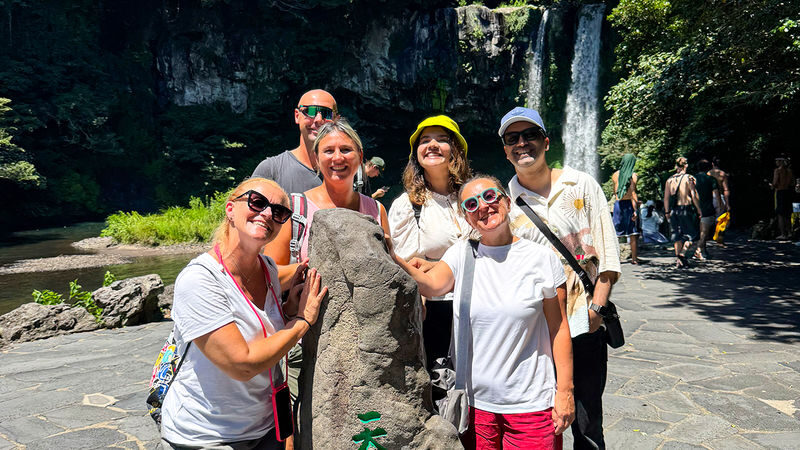
The guide can shape a long bus day. Names repeatedly associated with strong, clear explanations and attentive group management include Steven, Chloe, Sun, Alex, Jina, and Sam. Accounts describe guides sharing local history and culture, helping with timing, and keeping communication clear. Steven was also noted for teaching basic Korean phrases, while Chloe was praised for organized pre-trip instructions and a friendly manner.
Group size is not fixed in the information provided. Reports describe groups ranging from about 16 to around 40 people, so expect the scale to vary. A smaller group can mean less waiting when everyone is punctual; a larger one calls for close attention to meeting times and the guide’s instructions.
The tour’s schedule helps you cover a lot, but it can feel full. One person found the day too long and chose to sit out some activities, without pressure to join everything. That is useful to keep in mind: you do not have to treat every stop as a personal challenge, but you should be comfortable with a long day and time limits.
What the price includes, and what it does not
The advertised price includes attraction admissions, round-trip transfers from the meeting point, fuel, tolls, parking, ticketing service fees, and an English- or Chinese-speaking guide. That bundle makes the cost easier to judge than a low headline price followed by separate entry fees and transport charges. It is also a useful option if you do not want to drive on Jeju.
You still need to budget for personal expenses, tips if you choose to give them, travel insurance, lunch, and optional tangerine picking. The meal deserves particular attention: lunch has a one-hour slot, but the cost is not covered. If you want control over spending, ask the guide about the lunch plan and check the menu or prices before ordering where possible.
No shopping stops are planned, so the day is designed around sightseeing rather than sales visits. That is a real advantage when your time on the island is limited. The flip side is that a packed route leaves little room to add an unplanned café stop or stay longer at a favorite view.

Pick-up, drop-off, and useful planning details
The tour has four pick-up points near major hotel areas, and the stated meeting instructions ask you to arrive 10 minutes early. One listed pick-up is in front of the Lotte Duty Free Shop, beside the main entrance of Lotte City Hotel Jeju. Confirm the exact location and time sent for your booking rather than relying on a general schedule.
There are five listed drop-off choices: Dongmun Traditional Market, Ocean Suites Jeju Hotel, Jeju International Airport, LOTTE City Hotel Jeju, and Shilla Duty Free Jeju Store. Airport drop-off can be convenient if you are connecting the tour with onward travel, and luggage is allowed. Still, return times can shift with road and weather conditions, so avoid planning a close airport connection.
The operator sends tour details through a messaging app on the evening before the tour. Provide an accurate contact number or messenger ID, and check that your app settings allow messages from the guide. If no message has arrived by 10 p.m. the night before, the supplied contact number is +82 10 4521 7582.
Children and infants must be included in the passenger count, and participants must be at least four years old. The activity is not wheelchair-accessible. Attractions may be replaced or skipped because of closures, weather, traffic, or capacity, so avoid treating the East route’s stop list as an ironclad promise.
Is this Jeju day tour worth booking?
I would consider this tour if you have limited time, do not plan to rent a car, and want transport and admission costs bundled into one booking. It is especially appealing if you like having a guide explain local places and keep the day moving, rather than building a multi-stop itinerary yourself. The no-shopping policy is another plus for anyone who wants the day devoted to Jeju rather than retail stops.
It is a weaker fit if you prefer slow travel, want to choose every meal and stop, or dislike spending much of the day on a fixed schedule. Before booking, match the route to the places you most want to see, check the price for that package, and plan for lunch and optional activities separately. Also treat the one-hour duration shown in the summary as an error or inconsistency: the published schedule describes a full day, roughly 8 a.m. to 5:45 p.m. or later.
Best Jeju’s Spots: 3 Route Join-in Day Tour (East / South / West)
“Full-day activities packed. Good value for money. however it's a bit too long for us so we kinda sat out on couple of activities like hiking and pi…”
FAQ
How long does the tour take?
The schedule describes a full day, with departures starting between 8:00 and 8:35 a.m. and returns listed from 5:45 p.m. onward. The one-hour duration shown elsewhere conflicts with those times, so plan for a full-day outing.
What routes can I choose?
There are three options: East, South, and WestSouth. East focuses on Seongsan and other eastern stops, South includes Mt. Halla hiking, Hueree Pink Muhly, and waterfalls, and WestSouth lists a haenyeo experience, Mt. Halla, a waterfall, and a tea field.
What is included in the price?
The listed inclusions are attraction admissions, round-trip transfers from the meeting point, an English- or Chinese-speaking guide, tolls, parking, fuel, and ticketing service fees.
Is lunch included?
Lunch is not listed as an included cost. The schedule sets aside one hour for lunch, and you should tell the guide in advance about allergies or dietary requirements.
Does tangerine picking cost extra?
Yes. Picking is optional and paid separately on site. You can skip the activity and explore the farm instead.
Where can I be dropped off?
The listed options are Dongmun Traditional Market, Ocean Suites Jeju Hotel, Jeju International Airport, LOTTE City Hotel Jeju, and Shilla Duty Free Jeju Store. Return times may change with traffic or weather.
Can I bring luggage?
Yes. The tour information says you can bring luggage, including if you are coming straight from the airport.
Are children and wheelchair users able to join?
Participants must be at least four years old, and infants and children must be included in the passenger count. The activity is not wheelchair-accessible.