Tarot’s 22 Major Arcana cards are the heart of this Sheung Wan class, where you learn to read their imagery rather than simply cram meanings into your head. Instructor Iris is named by past participants, who particularly value her clear, patient explanations and everyday examples. I like that the course includes hands-on practice, and that it teaches basic spreads as well as card meanings.
The main consideration is the language: instruction is in Cantonese or Mandarin, with no English option. Also, the advertised duration is not perfectly consistent: the class is described as five hours, while the schedule says approximately four, and some sessions have run five or six hours.
- What to know before you book
- Starting with tarot, not memorising it
- Learning the cards through imagery
- From shuffling to a first spread
- A class that may run longer than expected
- The Sheung Wan location and class language
- Is US4.05 good value?
- Who should take this class?
- FAQ
- Is this tarot course suitable for beginners?
- What does the class teach?
- How long is the course?
- What time does the class start?
- Which days are available in 2026?
- What language is the instruction in?
- Where is the class held?
- How much does the course cost?
- Can I cancel or get a refund?
- The Best Of Hong Kong!
- More Tours in Hong Kong
- More Tour Reviews in Hong Kong
- Not for you? Here's more nearby things to do in Hong Kong we have reviewed
What to know before you book
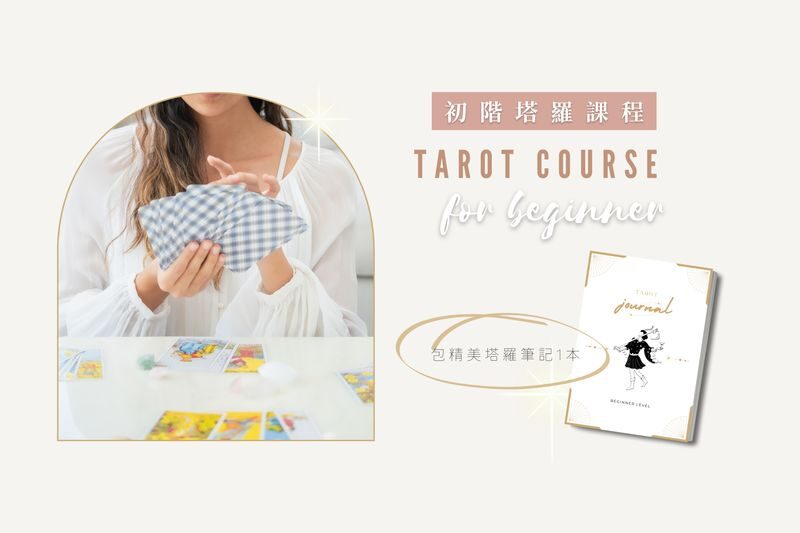
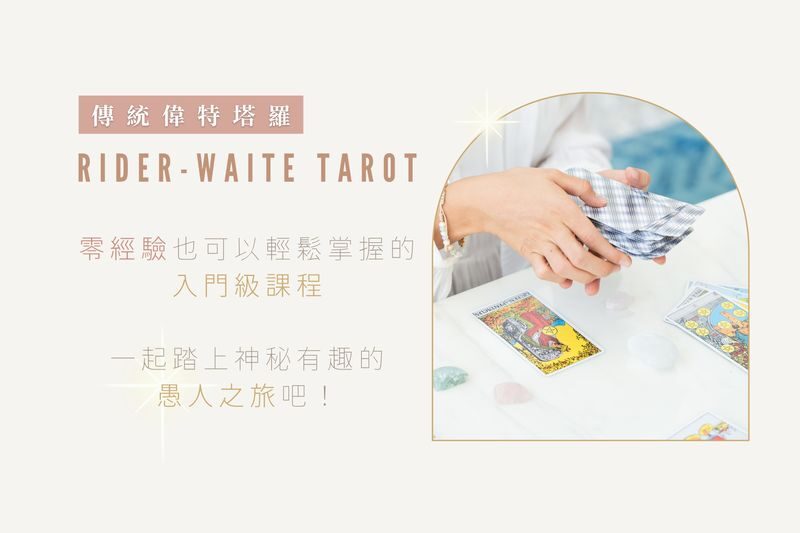
- The Major Arcana take centre stage: Learn the meanings of all 22 cards, including how upright and reversed positions can change a reading.
- Iris teaches with everyday examples: Her approach is described as clear, orderly and patient, with explanations that help make card meanings easier to grasp.
- Practice is part of the class: You’ll learn to shuffle and draw cards, try basic spreads and work through exercises rather than only listen to a lecture.
- It’s built for first-timers: No prior tarot experience is required, and the course introduces the deck’s structure and the mindset behind using it.
- The class is in Sheung Wan: It meets at 3/F, Po Hong Commercial Centre, 50 Bonham Strand East.
- Check the language and time: Classes are in Cantonese or Mandarin, and the stated duration ranges from about four to five hours, with some sessions taking longer.

👉 See our pick of the Best Historical Tours In Hong Kong
Starting with tarot, not memorising it
This is a one-day introductory course for people who are curious about tarot but don’t know where to start. It introduces the cards as a system, explains how the deck is organised and covers a considered approach to using it. That first grounding matters: a card reading is not just a list of definitions, and the course aims to help you connect the symbols to the question in front of you.
The focus is the 22 Major Arcana, the deck’s central set of cards. You’ll look at the imagery and consider how a card’s upright or reversed position affects its meaning. That gives beginners a practical way into interpretation: notice what’s on the card, learn the traditional ideas attached to it, then think about how those ideas relate to a reading.
I like this emphasis on interpretation over rote learning. Iris has been described as using ordinary life examples to make the card meanings and reading process easier to follow. If you’ve ever looked at a tarot card and wondered how anyone gets from its picture to a useful answer, this is the kind of explanation that can help bridge the gap.
The course also covers the history and origins of tarot. Expect an introduction rather than a specialist history seminar: the outline places historical context alongside the practical work of reading cards. That’s a useful balance for a first class, since it gives you a frame for the deck without losing the day to background alone.
You can also read our reviews of more tours and experiences in Hong Kong.



Learning the cards through imagery
The main teaching block covers the 22 Major Arcana, with attention to upright and reversed meanings. You’re not being asked to learn the entire tarot deck in one sitting. Instead, the class concentrates on a defined set of cards, making the subject more manageable for a beginner.
The imagery is a key part of the method. Rather than treating each card as a flashcard with one fixed answer, you’re encouraged to look at its visual cues and use them to understand its meaning. This can make the material easier to recall later, and it gives you a starting point when a reading feels less obvious than the examples in class.
A useful detail is the focus on the right mindset. The course includes guidance on how to approach tarot, not only how to handle the cards. That distinction is worth having early. It can help you think about a reading as an exercise in interpretation, rather than expecting a card to deliver a simple, automatic verdict.
I’d still set sensible expectations. A single introductory class can give you a foundation, but it won’t make every card combination instantly clear. The aim is to understand the system and begin practising, not to leave as an expert reader. One participant who wanted more guidance on the thought process behind interpretation found the teaching fairly simple and the final exercise more helpful than the lecture. If you prefer lots of open discussion, it may be worth asking about the class format before booking.
From shuffling to a first spread
After the card meanings, the course moves to the mechanics of a reading. You’ll learn how to shuffle and draw cards, then see how basic spreads, or card layouts, are used. For a novice, these steps turn a shelf of unfamiliar cards into a process you can try for yourself.
The practice exercises are where the theory gets tested. You’ll have a chance to apply what you’ve learned and consider how the cards work together in a reading. The course also describes a final case-study exercise, which has been a highlight for some participants because it makes the session more interactive.
That practical element is important. You can read definitions at home, but it takes practice to decide which details in a card matter and how to connect them to a question. The exercises give you an initial chance to try that reasoning with guidance available. Still, the amount of individual help may depend on the class. One participant felt the final activity was fun but wanted more support while working through the interpretation. If you’re booking mainly for close, one-to-one coaching, confirm what level of personal guidance is offered.
Some participants have also found notes useful for reviewing the material afterward. Notes are not specifically listed as an included item, so don’t book on the assumption they will be provided. You can bring your own notebook if you want a record of the card meanings and examples.
A class that may run longer than expected
The schedule describes the course as approximately four hours, while the course information gives a total class time of five hours. Past sessions have also lasted five to six hours. In practical terms, don’t plan a tight appointment immediately afterward. Leave room for the lesson and exercises to take the time they need.
The class begins at 2:00 PM on available Fridays and Saturdays in 2026. A longer session can be a plus if you want time to absorb the material and practise; it can also feel like a long stretch if you’re new to the subject. One first-time participant found the extended class relaxed and easy to follow, while another thought the length was considerable for beginners. Your experience may depend on your interest, pace and how much discussion the group allows.
The setting has had mixed descriptions. The location is given as 3/F, Po Hong Commercial Centre, 50 Bonham Strand East, and a past attendee described a clean, quiet space with drinks available. Another reported interruptions from people entering and leaving a shared area, as well as noise near the door. Venue conditions may change, so it’s sensible to contact the organiser if a quiet setting is especially important to you.
The Sheung Wan location and class language
The meeting point is listed as No. 50, Bonham East Street, with the classroom specified as 3/F, Po Hong Commercial Centre, 50 Bonham Strand East. These names refer to the stated address details; use the full venue name and floor when arranging your arrival.
Language is a more important booking check than the street address. Classes are taught in Cantonese or Mandarin (Putonghua), and English instruction is not currently available. If you don’t follow either language comfortably, the course is unlikely to be a good fit, even if you’re already familiar with tarot terms.
The available 2026 dates are Fridays and Saturdays, with a 2:00 PM start. The voucher is valid only for its specified date and time. Confirmation is expected within minutes; if it doesn’t arrive, contact customer support.



Is US$214.05 good value?
At a starting price of US$214.05, this is a substantial spend for a single introductory class. The value depends on what you want from it. You’re paying for a structured session that combines tarot background, the deck’s basic system, all 22 Major Arcana, card-handling instructions, basic spreads and practical exercises.
That package is more useful than a talk that only explains card meanings. You get a starting method for approaching a reading, plus a chance to try it in class. Clear explanations and practical examples are the course’s strongest points, especially if you’re new and want a teacher to make the imagery less abstract.
On the other hand, the listed details don’t specify group size, and experiences of the teaching format have varied. One participant found the lesson lecture-based and wanted more discussion, while others valued the clear explanations and exercises. If your priority is a small group or extensive individual coaching, ask before paying rather than assuming either is included.
There are no cancellations or refunds, so be sure the date, language and duration work for you before booking. The price is easiest to justify if you’re genuinely interested in learning tarot and want a guided first step, rather than a quick novelty activity.
Who should take this class?
This course suits a curious beginner who wants a clear introduction and is happy to learn in Cantonese or Mandarin. It may also suit someone who has tried reading cards alone and wants a more organised foundation in Major Arcana meanings, basic spreads and reading etiquette.
It’s less suitable if you need English instruction, expect a short session, or want in-depth training across the full tarot deck. The class focuses on the 22 Major Arcana, and its advertised format is introductory. Think of it as a structured beginning, not a complete professional qualification.
I’d book if the language works for you, you can keep the afternoon flexible, and you’re keen to practise rather than only hear a talk. If you need a quiet room or want more discussion and personal feedback, contact the organiser first. That small check can help you decide if this particular class matches the way you like to learn.
IW TAROT – Basic Tarot Divination Course | Sheung Wan
“The instructor's explanations were very clear and easy to understand, extremely helpful for tarot beginners. Highly recommended!”
FAQ
Is this tarot course suitable for beginners?
Yes. It is described as a beginner course, and no previous tarot experience is needed.
What does the class teach?
The course covers tarot history and origins, the deck’s structure and principles, the right mindset for using tarot, shuffling and drawing, the 22 Major Arcana, basic spreads and practical exercises.
How long is the course?
The course is described as five hours, while the schedule says approximately four hours. Some sessions have lasted five to six hours, so leave extra time.
What time does the class start?
The listed start time is 2:00 PM.
Which days are available in 2026?
Available dates are listed for every Friday and Saturday in 2026.
What language is the instruction in?
The class is taught in Cantonese or Mandarin (Putonghua). English instruction is not currently available.
Where is the class held?
The classroom is at 3/F, Po Hong Commercial Centre, 50 Bonham Strand East, Sheung Wan. The meeting point is listed as No. 50, Bonham East Street.
How much does the course cost?
The one-day introductory course is listed from US$214.05.
Can I cancel or get a refund?
No. Cancellations and refunds are not available, and the voucher is valid only on the specified date and time.