Itimad-ud-Daulah is a quieter counterpoint to Agra’s grandest monument: a white marble tomb by the Yamuna, admired for its careful inlay and fine stone screens. It was commissioned by Nur Jahan for her father, and its design helped point the way toward the Taj Mahal.
I like two things about this visit: the detailed marble work rewards a slow look, and the garden setting offers a calmer pause between Agra’s more demanding sights. The optional guide can add useful context to the building and the Mughal family behind it.
One consideration: Agra’s heat can turn an ambitious sightseeing schedule into a poor bargain. Set aside time for this stop, take the pace gently, and treat the stated one-to-two-hour duration as a useful planning guide rather than a reason to hurry.
- What to know before you go
- Why the Baby Taj deserves a place in your Agra plans
- Priority entry and the optional guide
- A simple one-to-two-hour visit
- What the ticket is worth
- Who will enjoy this visit most
- Timing, location, and a few practical choices
- Should you book the Baby Taj ticket?
- FAQ
- Where is Itimad-ud-Daulah?
- How long should I allow for the visit?
- What are the opening hours?
- Is the site open all year?
- Is a guide included with every ticket?
- Is the guided visit private?
- What can I see at the tomb?
- Why is Itimad-ud-Daulah called the Baby Taj?
- Who commissioned the tomb?
- Does the ticket include transport?
- The Best Of Agra!
- More Tickets in Agra
- More Tours in Agra
- More Tour Reviews in Agra
- Not for you? Here's more nearby things to do in Agra we have reviewed
What to know before you go


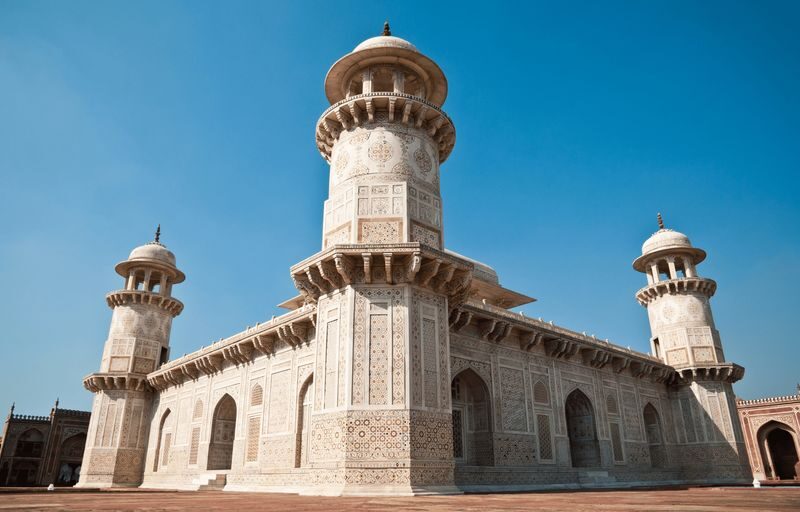
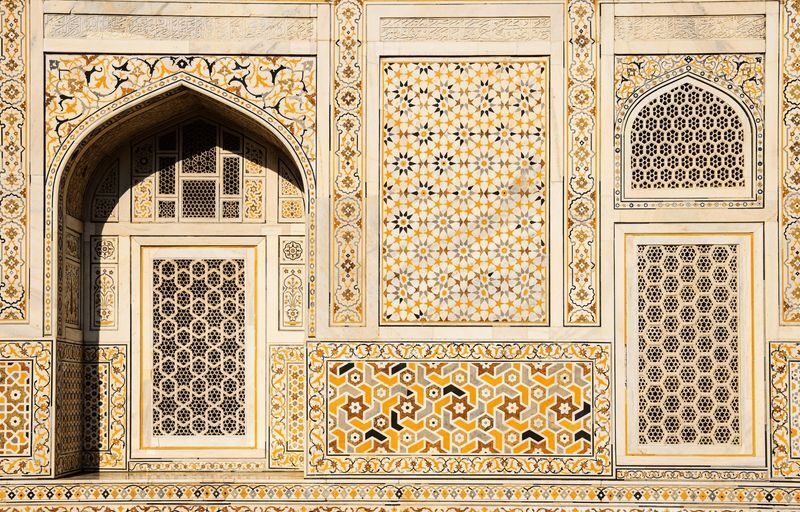

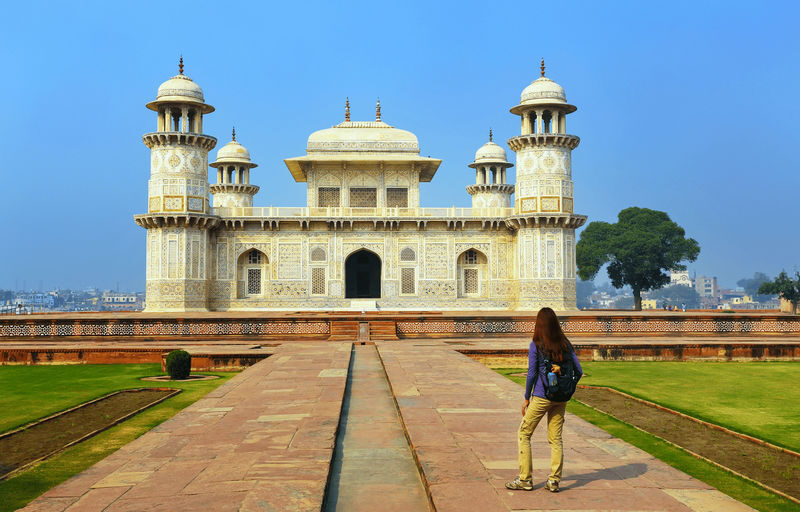
- White marble with a purpose: Itimad-ud-Daulah is a Mughal-era mausoleum and an early expression of the style later seen at the Taj Mahal.
- Look close at the decoration: Fine inlay, delicate carvings, and lattice screens are central to the visit.
- A riverside setting: The tomb stands beside the Yamuna River, with Mughal gardens around it.
- Choose your level of context: You can book entry alone or add an optional private guide.
- Plan for a measured visit: Allow roughly one to two hours, and remember the site is open from sunrise to sunset, typically 6:00 AM to 6:00 PM.

👉 See our pick of the 19 Best Shopping Tours In Agra
Why the Baby Taj deserves a place in your Agra plans
The nickname Baby Taj is handy, but it can also set the wrong expectation. It suggests a smaller version of the famous mausoleum, when Itimad-ud-Daulah is worth seeing on its own terms: as a finely decorated tomb with its own story, scale, and atmosphere.
The building is a Mughal-era mausoleum commissioned by Nur Jahan for her father. Its white marble, Persian-inspired inlay, and carved details make the surface work the main event. Rather than looking only at the shape of the tomb, give yourself time to notice how much care has gone into its decoration.
The connection to the Taj Mahal is a useful part of the visit, not the whole reason to go. Itimad-ud-Daulah helped inspire the Taj’s design, so seeing it can give you a clearer sense of the architectural ideas that took shape in Agra. But it is not a substitute for the Taj, and it should not be judged by whether it feels equally grand.
I would put this stop on your list if you enjoy details as much as scale. The Taj Mahal can command your attention from across a broad space. Here, the appeal is more intimate: delicate screens, fine inlay, and carved stone that invite you to slow down and look carefully.
You can also read our reviews of more tours and experiences in Agra


Priority entry and the optional guide
The ticket is designed to make entry easier, with priority access intended to reduce time spent waiting in a queue. That can be useful when you are planning several Agra sights in one day, though it is sensible to think of it as a smoother entry arrangement, not a reason to schedule the rest of your day down to the minute.
You can choose entry without a guide or add a private guide. The guided option is for visitors who want more than a look at the architecture: it can help connect the tomb’s decoration with Nur Jahan, her father, and the royal family behind the commission. No guide name is provided, so you cannot select a particular guide in advance based on the available details.
If you already know Mughal history, or prefer to take your time without commentary, the entry-only option may be enough. If you want help understanding how the tomb relates to the Taj Mahal and why its details matter, the guide may make the visit more legible. The value depends less on the building’s size than on how much explanation you want.
The private format is also worth noting. It gives you a more personal way to explore than a large group tour would, though the available information does not specify the guide’s language, exact length, or the precise format of the guided visit. Check those points before booking if they matter to your plans.
A simple one-to-two-hour visit
There is no elaborate route or series of separate attractions described for this experience. You meet at Itmad-ud-Daulah’s Tomb, in Etmadpur, Uttar Pradesh, and explore the mausoleum and its grounds. Allow one to two hours so you can look at the architecture without turning the stop into a hurried photo break.
Start with the overall view of the white marble tomb and its position beside the Yamuna. Then move your attention to the details: Persian-inspired inlay, carved surfaces, and the lattice screens. The contrast between the monument’s clean marble and the fine work across it is part of what makes a slower pace worthwhile.
The Mughal gardens offer a quieter setting around the tomb. They are part of the experience, not merely a backdrop for pictures. Take a moment to appreciate how the open grounds give the mausoleum room to be seen from outside as well as up close.
If you book a guide, use the visit to ask about the commission and the architectural link to the Taj Mahal. Those are the strongest pieces of context provided for this site. If you go without a guide, you can still focus on the same features, but you will need to bring your own background or read up before arriving if historical explanation is important to you.
The visit is likely to feel most rewarding when it has space in your day. The practical warning here is heat: one visitor who hoped to see the Baby Taj was unable to make it after suffering heatstroke while trying to fit several Agra sights and a market visit into the same outing. That is a sharp reminder not to treat a short visit as an effortless one. Drink water, take breaks, and avoid forcing the schedule if you are feeling unwell.
What the ticket is worth
No ticket price is provided here, so it is not possible to say whether this option is cheaper than buying at the monument. Think instead about what the booking is meant to provide: entry with priority access, plus the choice to add a guide. Its value comes from convenience and, if you select the guide, interpretation.
For a visitor who wants only a quiet look at the marble work and garden, the entry ticket may be all that is needed. For a visitor who wants help understanding the monument’s place in Mughal architecture, the guided option may justify the extra cost. Compare the final price for your chosen package with what you would pay for entry alone, and decide whether the added context matters to you.
The duration also affects value. At one to two hours, this is a focused visit rather than a full-day tour. That makes it easier to fit into an Agra itinerary, but only if the rest of your schedule leaves room for the trip to and from the site. Transport is not described as part of this experience, so do not assume that the ticket includes a car or transfer.
Who will enjoy this visit most
History lovers and architecture fans have the clearest reason to come. The tomb brings together a personal royal commission, Mughal-era design, and decoration that repays close attention. Couples and cultural explorers may also appreciate the calmer setting compared with Agra’s best-known sights.
Photographers have plenty of visual details to work with: white marble, inlay, lattice screens, and garden surroundings. The available information does not promise a particular light, view, or photography arrangement, so treat those as subjects to notice rather than guaranteed results.
This may be less satisfying if you expect a large, dramatic monument or want a long list of activities included in one booking. It is a single-site visit, and its appeal lies in its design and setting. If your time in Agra is very short, weigh it against your other priorities. If you have room for a quieter stop, it can add variety to a day otherwise centered on major monuments.
You can also read our reviews of more guided tours in Agra




Timing, location, and a few practical choices
The meeting point is Itmad-ud-Daulah’s Tomb, Etmadpur, Uttar Pradesh, India. The listed opening schedule is daily from sunrise to sunset, typically 6:00 AM to 6:00 PM, throughout the year. Since sunrise changes by season, the exact first light will vary; the typical hours are a planning guide.
A morning or later-day visit may suit you better if you are trying to avoid the strongest heat, but the information does not specify a best time or promise lighter crowds at any hour. Choose a time that fits your wider day, and keep some flexibility if you are combining this with other Agra sights.
The experience is listed as suitable for foreign travelers, with priority access intended to make entry less stressful. The exact entry requirements are not detailed, so check the booking information for the package you choose. The available details also do not specify transport, food, or other services, so plan those separately rather than assuming they are included.
Should you book the Baby Taj ticket?
Book it if you want to see a quieter, carefully decorated Mughal tomb and can give it at least an hour without rushing. The strongest reasons are the marble inlay, lattice screens, garden setting, and its connection to the Taj Mahal’s design.
Choose the optional private guide if historical context will make the visit more meaningful for you. Choose entry alone if you are content to explore at your own pace. Either way, leave room in your Agra schedule and take the heat seriously. The Baby Taj is a rewarding pause, but it is best enjoyed as a deliberate stop, not one more item squeezed into an overfull day.
Itimad-ud-Daulah (Baby Taj) Ticket with Optional Guide
“I really wanted to go to Baby Taj, but I got heatstroke and genuinely couldn't make it. So, all I have are pictures from the internet, but there's…”
FAQ
Where is Itimad-ud-Daulah?
It is in Agra, India. The meeting point is listed as Itmad-ud-Daulah’s Tomb, Etmadpur, Uttar Pradesh, India.
How long should I allow for the visit?
The experience is listed as lasting one to two hours. That gives you time to see the tomb, its details, and the surrounding gardens without rushing.
What are the opening hours?
The site is listed as open daily from sunrise to sunset, typically from 6:00 AM to 6:00 PM.
Is the site open all year?
Yes. The listed opening information says it is open all year, Monday through Sunday.
Is a guide included with every ticket?
No. A guide is optional. You can choose entry alone or select the guided option.
Is the guided visit private?
The guided option is described as a private guide. No guide name is provided.
What can I see at the tomb?
The experience includes a white marble Mughal-era mausoleum, Persian-inspired inlay, delicate carvings, lattice screens, and Mughal gardens.
Why is Itimad-ud-Daulah called the Baby Taj?
It is commonly known as the Baby Taj, and its design helped inspire the Taj Mahal.
Who commissioned the tomb?
Nur Jahan commissioned it for her father.
Does the ticket include transport?
Transport is not specified in the experience details. The meeting point is the tomb, so do not assume a transfer is included.