Chinese pastries make good eating, but they also carry stories about family customs, festive occasions, and the Chinese communities that shaped Singapore. This roughly two-hour tour connects the snacks in the shop to the traditions behind them, with guide Jayden explaining the history and symbolism as you go.
I like two things in particular: you get to taste a range of pastries, not just hear about them, and the explanations reach beyond baking to include Cantonese, Teochew, and Hokkien customs. You may also get a look at traditional tools and preparation methods, which makes the craft easier to picture.
One point to keep in mind: seeing pastries being made is not guaranteed. A visitor who went during a holiday period missed the production work, though the guide still explained the process and served samples. If watching the baking is your main reason for booking, check whether it will be happening on your date.
- What to know before you book
- A pastry shop becomes a cultural stop
- Learning the craft, even when the ovens are quiet
- Reading the stories behind the pastries
- Tasting is part of the lesson
- Two hours, with a possible group-size tradeoff
- Is .29 good value?
- Who should book this pastry tour?
- FAQ
- Where does the pastry tour take place?
- How long is the tour?
- What is the starting price?
- Who leads the tour?
- What will I learn about?
- Are pastry samples included?
- Will I see pastries being made?
- Is booking confirmed instantly?
- The Best Of Singapore!
- More Historical Tours in Singapore
- More Tours in Singapore
- More Tour Reviews in Singapore
- Not for you? Here's more nearby things to do in Singapore we have reviewed
What to know before you book
 1 / 3
 2 / 3
 3 / 3
- The stories are as important as the snacks: Learn how pastries connect to Chinese customs, history, superstitions, and festive symbolism.
- Jayden leads many sessions: He is repeatedly described as an engaging guide who can explain cultural details and answer questions.
- Tastings are part of the tour: Expect a good number of confectionery samples, including freshly made snacks when available.
- The shop is part of the experience: The tour has included a visit to Heyladtour Chinese Pastry Shop and access to the working kitchen.
- Allow about two hours: That is long enough for explanations and tasting without turning the visit into a half-day commitment.
- Production can vary by date: Holiday periods may mean you hear about the methods without seeing pastries prepared.

👉 See our pick of the 25 Best Guided Tours In Singapore
A pastry shop becomes a cultural stop
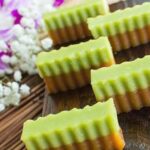
This experience is not simply a guided snack run. Its appeal is the connection between an everyday treat and the customs that gave it meaning. At a traditional Chinese pastry shop, a cake or biscuit can be more than something sweet to take home. Its shape, ingredients, or place in a celebration may reflect family traditions and beliefs.
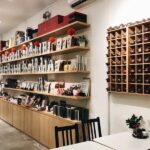
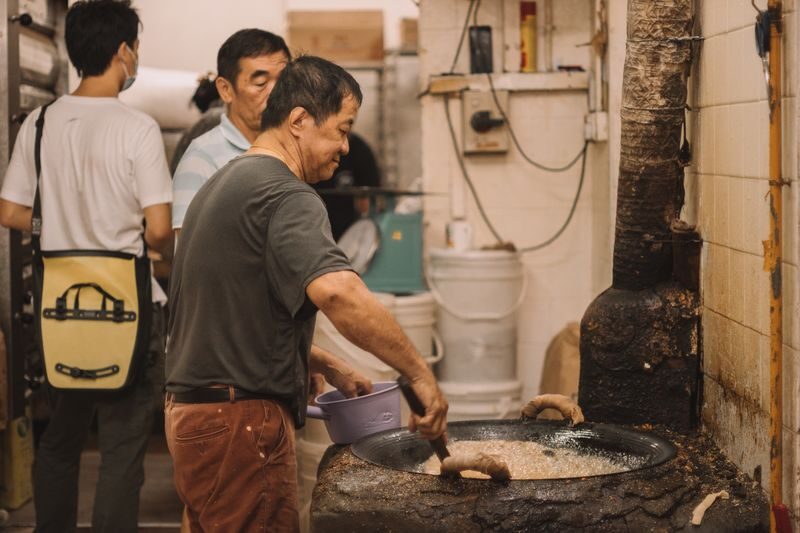
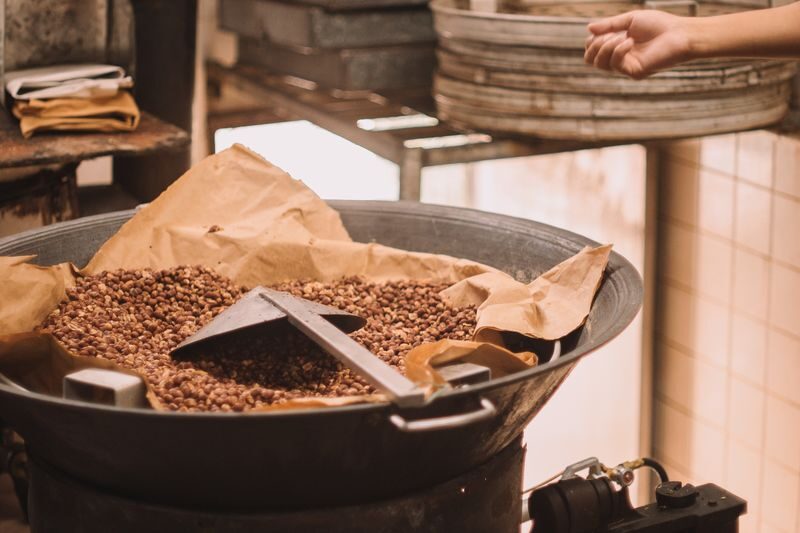
The tour takes place in Singapore, at a pastry business associated with Hey Lad Tour and Gin Thye. The shop setting matters: instead of discussing traditional baking only in the abstract, the guide can point to the pastries, equipment, and preparation methods around you. That makes the cultural explanations feel grounded in a real working craft.
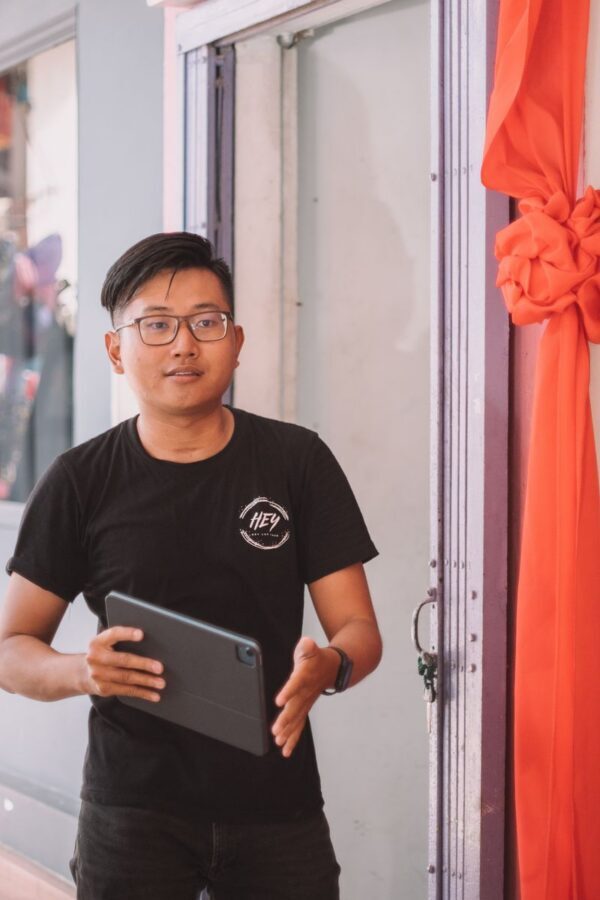
Jayden is the guide most often associated with the experience. His explanations cover Chinese cultural practices and the background of the pastries, with attention to Cantonese, Teochew, and Hokkien traditions. If you enjoy asking questions, that is useful. The tour has been described as open to questions, and the subject offers plenty of natural ones: why a pastry is made in a certain form, when it is traditionally eaten, and what tools are used to prepare it.
The experience is billed as an intangible cultural heritage tour, but that phrase need not mean a formal lecture. Expect a practical introduction to food traditions through objects, stories, and tasting. You are there to understand what the pastries mean, as well as how they are made.
You can also read our reviews of more historical tours in Singapore



Learning the craft, even when the ovens are quiet
A highlight can be stepping into the pastry kitchen and seeing the tools and methods used for traditional foods. That is a rare kind of access for a short city activity, and it helps explain how skilled handwork and established preparation methods shape the finished pastries.
But do not book on the assumption that you will watch a full production session. Baking activity depends on the day. During a holiday period, one tour took place without any cake making to see. The guide instead talked through the process, so the visit still had substance, but the difference matters if you are hoping for a demonstration.
I would treat any live baking as a bonus, not the core promise. The more dependable part is the explanation: what equipment is for, how preparation works, and how the pastries fit into local culture. If live production is essential, contact the operator before booking and ask what is scheduled for your date. The tour information gives a contact number, 94218780.
That distinction also helps set expectations about participation. The experience is described as a tour and tasting, with an opportunity to learn about methods and, in some accounts, experience traditional food making first-hand. The available details do not spell out a hands-on workshop for every session, so ask rather than assume you will make pastries yourself.
Reading the stories behind the pastries
The strongest part of the tour is the cultural context. The guide discusses not only how pastries are prepared, but also their history, superstitions, and traditional uses. That broader view helps you see why a particular snack might be connected to a celebration or carry a symbolic meaning.
The explanations also touch on the Chinese communities that contribute to Singapore’s food culture. Cantonese, Teochew, and Hokkien traditions each have their own customs, and hearing them discussed together gives you a more useful picture than treating Chinese pastry as one uniform category. You do not need to arrive with a background in Chinese history; the tour is designed to make the subject accessible through the food in front of you.
For a first-time visitor, this can be a smart way to add cultural context to a short stay. It is focused enough to fit between other plans, yet specific enough to leave you with more than a list of dishes to try. History enthusiasts and food lovers are the natural audience, but anyone curious about how traditions survive in daily life can get something from it.
The approach is especially valuable if you like asking why. A pastry’s shape or traditional use can open a discussion about beliefs and family customs. Rather than just learning a name, you get a reason to remember the food and a better sense of how it belongs to local heritage.
Tasting is part of the lesson
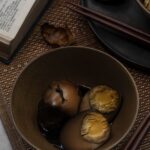
There are plenty of samples along the way, and the tasting gives the tour a pleasant rhythm. You hear about a pastry, look at its form and preparation, then taste it. That simple sequence makes the information easier to retain, and it lets you compare different kinds of confectionery rather than imagining them from a description.
Samples have included freshly made snacks when available. That is a nice advantage over a tour that only points at shop displays. Still, the exact selection can vary, and the experience details do not provide a fixed tasting menu. Go expecting a good variety, not a guaranteed list of specific pastries.
You may also have the chance to buy snacks at the shop. That is handy if a sample becomes a new favorite, but it is optional. The tour’s value does not rest on making a purchase; the cultural explanations and tastings are the main draw.
A practical tip: arrive ready to taste several things, but do not expect a full meal. The experience is framed around pastries and confectionery, and its roughly two-hour length is intended for a guided visit, not a long food crawl. If you have dietary needs, the information provided does not list ingredients or offer a dietary accommodation policy, so contact the operator in advance.
Two hours, with a possible group-size tradeoff
The duration is about two hours, a sensible length for a focused food and culture activity. It gives the guide time to explain the pastries and their traditions, show equipment or preparation methods when possible, and make room for samples. Several people have found the timing comfortable rather than drawn out.
Group size is worth considering. One visitor felt the group was too large to accommodate comfortably. A larger group can make it harder to hear explanations or get close to a work area, especially in a shop or kitchen where space may be limited. No standard group size is provided, so ask the operator if a small group is important to you.
The tour is a good fit for a short Singapore visit because it focuses on one subject and does not require a full day. It can also work well for a return visitor who has already seen the major sights and wants a more specific look at local food heritage. If you prefer independent wandering, you could visit a pastry shop on your own, but you would miss the guided links between the products, tools, and customs.
You can also read our reviews of more tours and experiences in Singapore


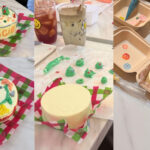
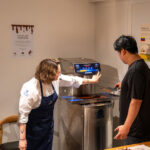
Is $31.29 good value?
The price starts at $31.29, with the final amount subject to the booking option and date. For that, the value comes from the combination of a guide, cultural interpretation, access to a traditional pastry setting, and a generous tasting session. You are paying for more than the snacks: you are also getting the stories that explain why they matter.
That makes the price easier to justify for someone who is curious about food and heritage. A quick shop visit can tell you what is for sale; this tour can help you understand how pastries connect to Chinese traditions in Singapore. The samples add a tangible part to the learning, and a possible kitchen visit gives the craft a more immediate feel.
The value is less clear if you mainly want a hands-on baking class or a guaranteed live demonstration. The supplied details do not promise either for every session. In that case, confirm the format before paying, or choose an activity specifically described as a workshop.
Booking is listed with instant confirmation. Free cancellation is available with 24 hours’ notice, though the terms also note limits around unforeseen events and operator approval. The operator may cancel if the minimum number of participants is not met, in which case a full refund is issued. Check the current booking terms before you commit.
Who should book this pastry tour?
I would put this tour high on the list for food lovers, history enthusiasts, and first-time visitors who want a compact cultural activity. It is especially well suited to people who enjoy learning the story behind a dish and do not mind spending time listening as well as tasting.
It may be a less satisfying choice if your priority is a guaranteed baking demonstration, a hands-on class, or a fixed menu of pastries. The shop’s production schedule can change, and the available details do not promise that every visitor will make food. Group size may also affect how close you can get to the action.
If the cultural side interests you and you are happy with a guided tasting, the starting price is reasonable for a two-hour experience with a clear local focus. Book it for the stories, the samples, and the chance to see traditional pastry work up close when the day’s schedule allows. Before booking, confirm whether live preparation is planned if that is the feature you most want.
Intangible Cultural Heritage Tour of Our Chinese Traditional Pastries
“unfortuantely when we went today, we are not able to see any of the making of any cakes etc as we went on a holiday period. however, the guide is v…”
FAQ
Where does the pastry tour take place?
The activity takes place in Singapore at a traditional Chinese pastry shop associated with Hey Lad Tour. The shop is identified in tour descriptions as Heyladtour Chinese Pastry Shop, and Gin Thye is also named in connection with the experience.
How long is the tour?
The tour lasts about two hours. That allows time for explanations about pastry history and culture, along with tastings.
What is the starting price?
The price starts at $31.29. The final price may depend on the booking details and date.
Who leads the tour?
Jayden has led many of the sessions and is known for explaining Chinese cultural practices and pastry traditions. The available information does not guarantee that he will guide every date.
What will I learn about?
The tour covers traditional Chinese pastries, their history and cultural uses, related customs and superstitions, and traditional equipment and preparation methods. Cantonese, Teochew, and Hokkien cultural traditions are also discussed.
Are pastry samples included?
Yes. Tastings are part of the tour, and the selection can include freshly made snacks. A fixed menu is not provided.
Will I see pastries being made?
Not necessarily. Production may not be happening on your tour date, particularly during holiday periods. The guide can still explain the process, but contact the operator if seeing live preparation is important to you.
Is booking confirmed instantly?
Yes, the activity information states that booking confirmation is instant.