Hiroshima’s Peace Memorial Park and Miyajima’s Itsukushima Shrine ask for very different kinds of attention. One is a place of remembrance shaped by the atomic bombing; the other is a sacred island setting of shrines, temples and sea views. This six-hour tour links them by local transport, with a guide to help you read each place rather than simply tick it off.
I like two things in particular: the local guide’s context at the memorial sites, and the flexible route that makes room for questions, food and a gentler pace. Guides including Yang, IB, Engy and Kat are singled out for clear explanations, warm conversation and useful help with transport.
One consideration: six hours is a tight schedule for a museum, several memorial stops and Miyajima. Crowds can slow the day, and some outings have run closer to eight hours. Public transport fares and lunch are extra, so leave room in both your schedule and budget.
- What makes this Hiroshima and Miyajima day worthwhile
- Starting at the Hiroshima Peace Memorial
- Reading the memorials at your own pace
- Crossing to Miyajima by train and ferry
- Miyajima beyond the torii gate
- How private and flexible is the tour?
- What the price covers, and what it does not
- Who should choose this Hiroshima tour?
- Should you book it?
- FAQ
- How long does the tour last?
- Which sites are included?
- Are admission tickets included?
- Are transport fares and lunch included?
- Where can the guide meet me?
- Can I cancel for a refund?
- The Best Of Hiroshima!
- More Private Tours in Hiroshima
- More Tours in Hiroshima
- More Tour Reviews in Hiroshima
- Not for you? Here's more nearby things to do in Hiroshima we have reviewed
What makes this Hiroshima and Miyajima day worthwhile
- The Atomic Bomb Dome and Peace Memorial Park give you space to consider Hiroshima’s past and its message of peace.
- The Peace Memorial Museum is included, with a guide to provide context before and after your visit.
- Local trains, trams and ferries link the city and island, giving you a practical introduction to getting around.
- Itsukushima Shrine and Daishō-in show different sides of Miyajima’s Shinto and Buddhist traditions.
- A flexible pace helps you adjust for children, slower walkers, questions or a crowded museum.
- Momiji manju and grilled oysters are among the island foods your guide can point out, with lunch paid separately.

👉 See our pick of the 3 Best Workshops And Classes In Hiroshima
Starting at the Hiroshima Peace Memorial
Your day can begin at Hiroshima Station’s Shinkansen exit, the cruise terminal or the taxi stand by Peace Memorial Park. Pickup from your accommodation on foot is also included, with the exact arrangement depending on availability. If you are arriving by cruise ship, coordinate the meeting point and timing in advance. A few guides, including Yang and Engy, have helped visitors meet smoothly at the port, while another guide adjusted the order of the day for a later start.
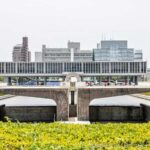
The tour begins at the Hiroshima Peace Memorial Museum, where you have about an hour. This is an emotionally difficult visit, and it is worth giving the exhibits time rather than treating the museum as a quick stop. The guide’s role is to provide context and help you understand what you are seeing, not to turn the visit into a lecture. You can ask questions and take the time you need, but the schedule may need to shift if the museum is especially busy.
The museum can be crowded, making it hard to see every display at your own pace. If you want a long, unhurried visit, tell your guide early and be prepared to spend less time elsewhere or extend the day if possible. Entry is included, and skip-the-ticket-line access is offered, though that does not mean the galleries themselves will be quiet.
You can also read our reviews of more private tours in Hiroshima

Reading the memorials at your own pace
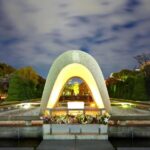
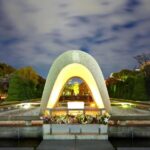
After the museum, the route moves through Peace Memorial Park. The Flame of Peace, Children’s Peace Monument, Bell of Peace and Peace Memorial Park Rest House each have their own place in the park’s story. The planned stops are short, typically 10 to 15 minutes apiece, so your guide’s explanations help connect them without crowding out time for quiet reflection.
The Children’s Peace Monument can be especially affecting. School groups often visit the park, and the sight and sound of children there may make the place feel both lively and solemn. That contrast is part of the experience: this is a memorial space, but also a public park in a city that continues to live and grow.
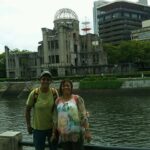
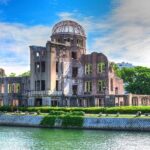
The Atomic Bomb Dome is a brief guided stop, about 10 minutes on the planned schedule. It is one of Hiroshima’s most recognizable reminders of the bombing, and its preserved structure makes a powerful counterpoint to the surrounding city. Your guide can add human stories and details that are hard to get from a quick look alone. Guides such as IB and Engy have been praised for personal context and clear explanations, while Yang has helped visitors connect the site’s history with life in Japan today.
Expect the memorial portion to carry emotional weight. It is not an attraction to rush through for photographs, and you may want a little quiet time between explanations. The tour’s value here is not simply reaching each monument; it is having someone help you understand why the memorials are placed and presented as they are.
Crossing to Miyajima by train and ferry
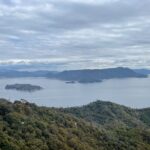
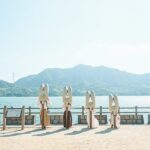
The trip to Miyajima uses public transport, including a train ride of roughly 35 minutes and a ferry crossing of about 10 minutes. The route is part of the day, not dead time: you see how Hiroshima residents and visitors move between the city and the island, and the ferry offers views across the Seto Inland Sea.
Allow for changes in travel time. One visitor found the tram ride longer than expected, and the museum or transport connections can push the day beyond its advertised six hours. Guides are often praised for keeping connections smooth and adapting the order when needed, but this is still a day built around public transport, not a private car. Taxi travel can be arranged, though you pay the fare for yourself and the guide.
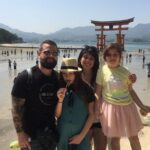
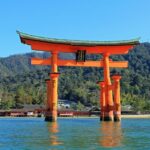
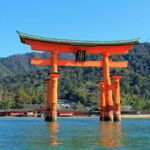
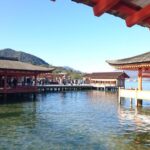
On arrival, the itinerary gives about 35 minutes to Itsukushima Shrine. The shrine is one of Japan’s most sacred Shinto sites and is the central stop on Miyajima. The guide can explain customs and etiquette, which is useful if this is your first visit to a shrine. The famous torii gate is known for its appearance over the water, but the exact view depends on conditions and timing, so do not plan the whole island visit around one photograph.
Miyajima can be very crowded, especially around the shrine. If the main approach feels busy, keep your expectations flexible and use your guide’s advice on timing and where to pause. Some guides are skilled at finding good ferry seats and photo spots, but crowd levels are not something anyone can control.
Miyajima beyond the torii gate
The island portion also includes Daiganji Temple, Daishō-in and Senjokaku Pavilion. Daiganji is a short guided stop, while Daishō-in has about an hour in the schedule. That longer visit gives you time to appreciate its hundreds of Buddhist statues and prayer wheels, rather than seeing the temple as a quick detour. The difference between the Shinto shrine and Buddhist temple is one of the day’s most instructive contrasts.
Daishō-in is a good place to ask about Buddhist practice and local customs. Guides have helped visitors understand etiquette at both shrines and temples, and some have answered broader questions about Japanese culture and daily life along the way. If you are traveling with children or someone who needs a slower pace, say so at the start. Guides including Fatou, Preety and Engy have been praised for adjusting speed and tailoring the day to a group’s needs.
Senjokaku Pavilion is a brief stop of around 10 minutes. It adds another layer to Miyajima’s religious and architectural character, although the schedule does not allow for a long visit. The itinerary then returns to Hiroshima by ferry and train, each planned at roughly 10 and 35 minutes respectively.
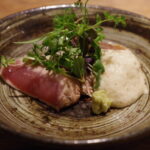
Food is one of the pleasures of the island, but lunch is not included. Your guide can recommend local street stalls for momiji manju, a maple-leaf-shaped sweet, and grilled oysters. You pay for anything you eat, and time for a full meal may be limited. If you have dietary needs or want a proper lunch break, discuss that before setting off rather than assuming it will fit into the six-hour plan.
How private and flexible is the tour?
The experience is described as private, and the guiding style is meant to adapt to your questions, interests and walking pace. That can be a real advantage on a day that shifts from a solemn memorial to a busy island. Guides such as Kat, Yang, IB and Fatou are praised for being personable, attentive and able to adjust the order or pace.
There is one practical point to confirm: some people who took the tour describe sharing the day in a small group, with one account mentioning five people and another describing groups of up to ten. If having a guide exclusively for your party is essential, check that your selected booking is truly private rather than a small-group departure. The phrase private group is available, but it is sensible to confirm the exact arrangement.
A guide also makes a difference when plans change. A busy museum, delayed cruise-ship arrival or different energy level can affect the sequence. Engy, for example, adjusted timing when the museum took longer than expected, while another guide changed the order so the island could be visited in daylight. That flexibility is useful, but it cannot create more hours in the day. A few people have spent around eight hours on the tour because the guide chose not to hurry the group.


What the $96 price covers, and what it does not
At $96 per person, the price includes a private English-speaking guide, entry to the Peace Memorial Museum and Itsukushima Shrine, and Miyajima’s visitor tax. For a day spanning two major sites, multiple memorials and temples, and a ferry crossing, the guide’s explanations and transport coordination are the main value. You are paying for context and a structured route, not just admission tickets.
Budget separately for local train, tram and ferry fares, lunch and snacks. Private transportation is not included. Taxis can be used if you prefer, but you cover the costs for yourself and your guide. This makes the tour less expensive than a private-car excursion, but you will need to manage public transport and walking.
The six-hour duration is best treated as a guide, not a guarantee that you will be back at the exact six-hour mark. Crowds, connection times and the amount of time you spend in the museum all matter. Cruise passengers should leave a safe return buffer and tell the guide their ship’s schedule before the tour. The guide can help you plan, but a flexible itinerary is not a substitute for a realistic deadline.
Comfortable shoes are essential. Bring weather-appropriate clothing, sunglasses and a hat, and be ready for a day with considerable walking and several changes of transport. The activity is listed as wheelchair accessible, but because it involves walking, trains and ferries, confirm the details of your own access needs before booking.
Who should choose this Hiroshima tour?
I would recommend this tour if you want to see the Peace Memorial and Miyajima in one day but do not want to navigate every connection alone. It is especially useful for first-time visitors, families who benefit from a guide setting a comfortable pace, and anyone who wants cultural context at both Shinto and Buddhist sites. It also suits cruise passengers, provided you confirm pickup and agree on a firm return plan.
It may be less suitable if you want a long, independent museum visit, a leisurely lunch, or several hours for Miyajima beyond the scheduled temples and shrine. You can ask for adjustments, but the day has a lot of ground to cover. If you are already comfortable using Hiroshima’s transport and prefer to explore at your own pace, doing the stops independently may give you more control.
Should you book it?
Book this tour if you value a local guide’s explanations as much as the sights themselves. The strongest parts are the personal context at Peace Memorial Park, the practical help moving between city and island, and the chance to compare Itsukushima Shrine with Daishō-in. Before paying, confirm whether your departure is exclusively private, how the meeting point works, and how much time you can allow if the museum is crowded. If those details fit your plans, this is a thoughtful way to take in two very different sides of Hiroshima.
Hiroshima & Miyajima Island UNESCO Sites Private Tour
FAQ
How long does the tour last?
The planned duration is six hours. The day can take longer if the museum is crowded or the group chooses to spend more time at a stop.
Which sites are included?
The route includes Hiroshima Peace Memorial Museum, Peace Memorial Park, the Atomic Bomb Dome, Itsukushima Shrine, Daiganji Temple, Daishō-in and Senjokaku Pavilion.
Are admission tickets included?
Yes. Entry to the Peace Memorial Museum and Itsukushima Shrine is included, along with Miyajima’s visitor tax.
Are transport fares and lunch included?
No. Local transport fares and lunch are not included. Private transportation is also not included, and any taxi costs for you and the guide are your responsibility.
Where can the guide meet me?
Pickup options include Hiroshima Station’s Shinkansen exit, the cruise terminal and the taxi stand at Peace Memorial Park. Pickup from your accommodation on foot is also listed. Check availability to confirm your meeting point.
Can I cancel for a refund?
Yes. You can cancel up to 24 hours in advance for a full refund.
You can check availability for your dates here: