Hiroshima’s memorials mean more when you understand the events around them. This guided walk connects the atomic bombing with the city’s earlier history and its recovery, giving you more context than a visit to the Peace Memorial Park alone.
I like two things here: the guides make time for questions and reflection, and the walk can show you details you might pass without noticing. Guides such as Emi, Kevin, Thomas, and Katya are praised for clear storytelling, a considerate pace, and an ability to handle a grave subject without making the experience feel stiff.
The main consideration is that this is a lot of history to take in over a short walk. The tour is described as half-day, though participants have described experiences lasting about two to two and a half hours. If you want a long, quiet visit inside the Peace Memorial Museum, plan to make time for that separately.
- What to know before you book
- Hiroshima’s story is more than one terrible day
- Reading the memorial sites with a guide
- Guides who put the history in context
- A two-hour introduction, not a full museum visit
- Small groups and a pace that leaves room to think
- Is .35 good value?
- Who will get the most from this walk?
- Should you book the Hiroshima Historical Walking Tour?
- FAQ
- How much does the tour cost?
- How long does the walk last?
- Can I book for the same day?
- What historical period does the tour cover?
- Does the tour include the Peace Memorial Museum?
- Can I cancel for a refund?
- The Best Of Hiroshima!
- More Walking Tours in Hiroshima
- More Tours in Hiroshima
- More Tour Reviews in Hiroshima
- Not for you? Here's more nearby things to do in Hiroshima we have reviewed
What to know before you book
 1 / 9
 2 / 9
 3 / 9
 4 / 9
 5 / 9
 6 / 9
 7 / 9
 8 / 9
 9 / 9
- The walk explains the story around the bombing: Expect historical context about Hiroshima before and after August 6, 1945, not just a sequence of memorial stops.
- Guides are a major part of the experience: Emi, Kevin, Thomas, and Katya are among the guides praised for clear, engaging presentations.
- You can ask questions and pause: The pace has been described as adaptable, with time to reflect at significant sites.
- Small groups can make a difference: One group of nine found it easier to hear and move around, though group size may vary.
- It can help you plan the rest of your visit: The walk has served as a useful introduction to the Peace Memorial Museum and local food recommendations.
- The starting price is $24.35: That is modest for a guided history walk, especially if you value context and a chance to ask questions.

👉 See our pick of the 3 Best Workshops And Classes In Hiroshima
Hiroshima’s story is more than one terrible day
The tour’s central question is why the A-bomb was dropped. That framing matters: it invites you to understand the decision and its historical setting, rather than treating the Peace Memorial Park as a collection of isolated monuments.
You also hear about Hiroshima before the bombing and the city’s recovery afterward. Several people who took the walk found this broader timeline especially useful. It helps place the memorials within the city’s longer political, economic, and cultural story, rather than leaving you with only the events of August 6, 1945.
I would choose this walk early in a Hiroshima visit. A guide can supply the connections that are hard to assemble while you are moving from one site to another on your own. Later, when you visit memorials or the museum, you will have a clearer sense of what questions you want to explore.
The topic is painful, and a good guide has to find a careful balance: clear enough to explain, respectful enough to leave room for thought. Guides have been praised for giving people time to ask questions and pause at significant places. That space is valuable. You do not need every moment filled with narration.
You can also read our reviews of more walking tours in Hiroshima

Reading the memorial sites with a guide
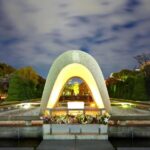
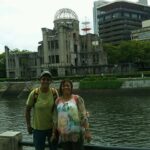
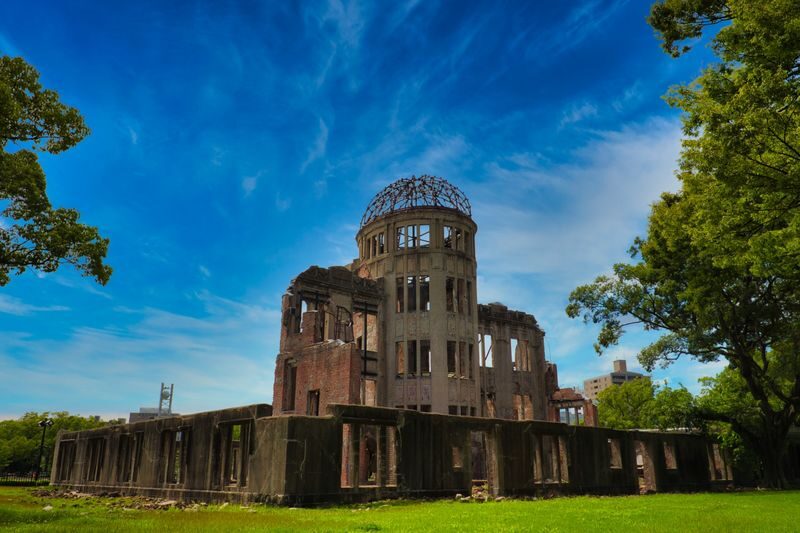
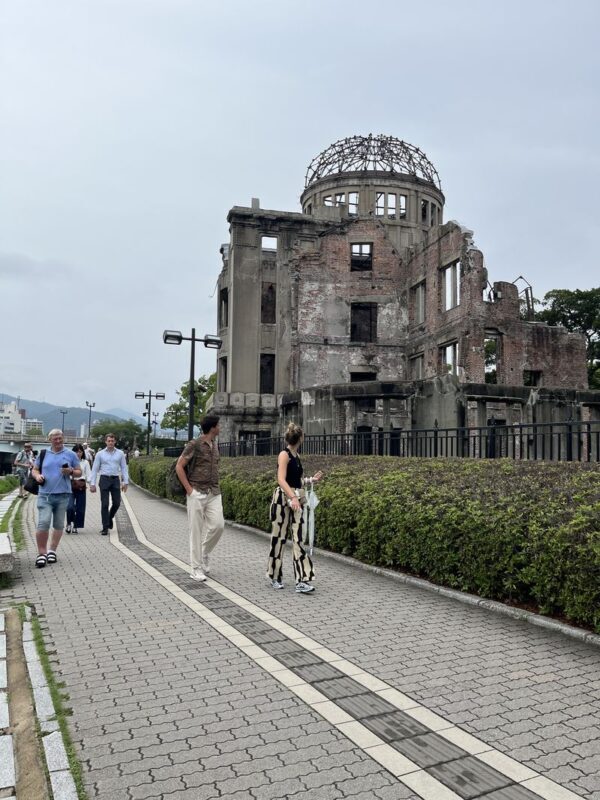
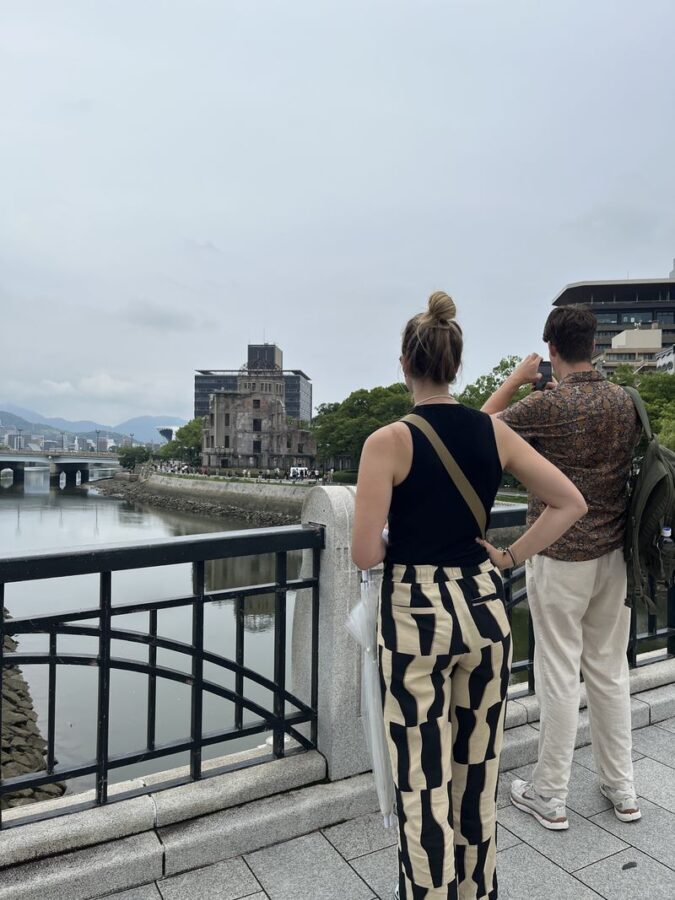
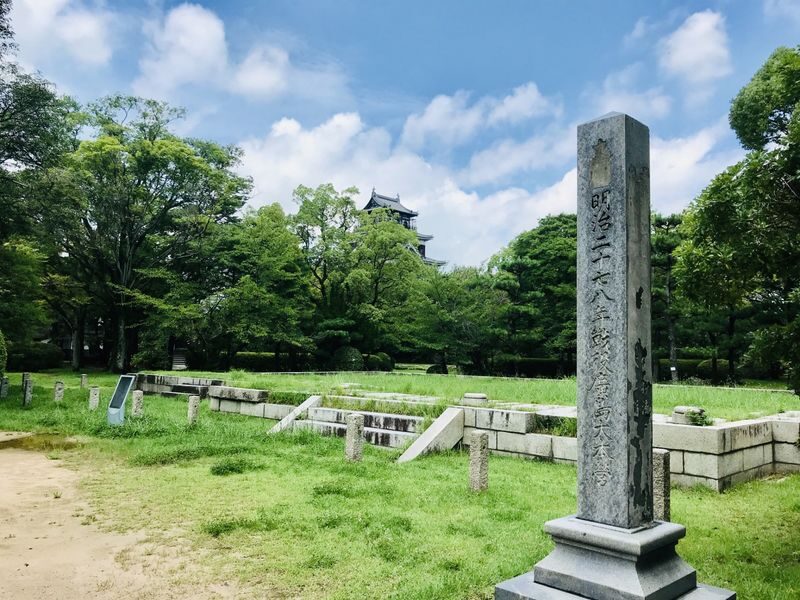
The experience centers on Hiroshima’s atomic-bomb memorial landmarks, including the Atomic Bomb Dome and sites in the Peace Memorial area. These places are powerful on their own, but their meaning can be easier to grasp when someone explains how they connect to the city’s history.
A guide can also point out details you might not notice during a self-guided walk. The benefit is not simply being led from one landmark to another. It is having someone explain why a particular place matters and help you see how the sites fit together.
The walk is outdoors, so the weather affects how it feels. One guide, Emi, was praised for offering water and restroom breaks on a hot day. Another group appreciated shade and cooling stops, with the guide trying to limit time in direct sun. Those details suggest a thoughtful approach, but you should still prepare for the conditions on your visit.
The pace is another strength. Guides have been described as adjusting to the group and leaving time for questions and reflection. That can make a serious subject easier to absorb, especially if you are travelling with people who want different levels of detail. If you have a particular interest, such as the city’s military history, ask about it. One participant wanted more on Hiroshima’s military base, a reminder that a short tour cannot cover every subject at length.
Guides who put the history in context
The clearest reason to book is the guide. Emi is praised for presenting the city’s history with warmth and care, as well as keeping a considerate pace. Kevin is repeatedly described as passionate about Hiroshima’s history and culture, and willing to respond to questions and individual interests.
Thomas is noted for clear explanations and lively delivery. He has also offered practical local advice, including a recommendation for an okonomiyaki restaurant. Katya is praised for gripping storytelling and a thoughtful approach to helping people process a difficult subject.
These individual strengths matter because the tour’s subject is not easy material. A guide who speaks clearly, checks the group’s pace, and welcomes questions can make the difference between a walk that feels like a lecture and one that helps you understand what you are seeing.
The guides’ style is not identical. Some visitors valued a light touch and humor alongside serious history; others emphasized a calm, reflective tone. That range can be useful, but the experience will naturally vary with the guide and group. The consistent advantage is having a person there to explain, listen, and help you connect one site with another.
A two-hour introduction, not a full museum visit
The tour is described as half-day, while people have described walks of roughly two hours and, in one case, two and a half hours. Treat those timings as a guide rather than a promise. The exact duration is not specified in the activity details, so check the current schedule when booking and leave room in your day.
A walk of this length can give you a strong introduction without taking over the whole day. It is long enough to cover several landmarks and a broad historical frame, but short enough that you can continue exploring afterward. Some people have gone to the Peace Memorial Museum after the walk, using the guide’s explanation as a starting point.
The tour is not a substitute for an unhurried museum visit. One participant described it as a helpful introduction to the museum, which they visited afterward. If you want time to read exhibits and consider the subject at your own pace, reserve separate time for that. The walk can sharpen your questions; it cannot cover every detail.
Small groups and a pace that leaves room to think
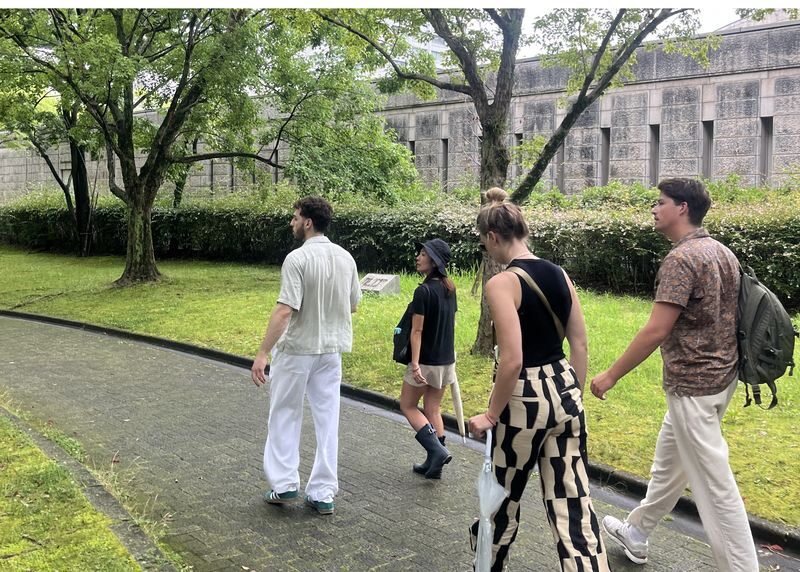
Group size affects this kind of tour more than it might on a bus excursion. You need to hear the guide outdoors, keep together as you move, and have enough space to ask a question. One group of nine found it easier to move around and hear the explanations, while a group of six appreciated the guide’s response to their questions.
Those examples suggest that the walk can work well in a small group, but they do not guarantee a particular group size. If you are sensitive to crowds or want a highly personal experience, check whether the operator can confirm the expected group size before you book.
The pace has been a strong point. Guides have been praised for adapting to group interests, offering breaks, and allowing time to reflect rather than rushing through the sites. This matters on a hot day, but it matters just as much emotionally. A memorial walk should leave room for quiet.
You can also read our reviews of more historical tours in Hiroshima



Is $24.35 good value?
At a starting price of $24.35, this is an affordable way to add a guide’s perspective to a visit to Hiroshima’s central memorial sites. The value is less about how many stops you cover and more about what you take away from them. If you would otherwise walk through the area without much historical context, a good guide can make the price worthwhile.
The tour also offers practical value beyond the history. Guides have shared food recommendations, talked about Japanese food culture, and helped with local planning. One guide even checked a ferry schedule for someone interested in visiting Miyajima. That sort of help is a bonus rather than something to count on, but it shows how a local guide can answer questions that extend beyond the formal subject.
The available information does not specify what is included in the price beyond the guided walk. Do not assume museum admission or other activities are included. Check the package details before booking, especially if you want to combine the walk with a museum visit.
The activity offers instant confirmation and allows booking for the same day. It also has free cancellation if you cancel at least 24 hours before the activity date, in the destination’s local time. Those terms offer some flexibility, but same-day availability and cancellation timing can depend on the date you choose.
Who will get the most from this walk?
I would recommend it most to first-time visitors who want a clear introduction to Hiroshima’s history before exploring the memorials on their own. It also suits anyone who prefers to ask questions as they go, rather than relying only on signs or a guidebook.
It can be a good fit for people who want a thoughtful overview without committing to a full day of guided touring. The experience is serious, but the guide’s presence can make it approachable. Several guides are praised for being friendly and engaging, even while treating the subject with respect.
You may want to plan extra time afterward if you are especially interested in the military decisions behind the bombing, the museum’s exhibits, or the city’s wider history. The walk covers a lot in a short span, but it cannot satisfy every question. Think of it as a strong foundation, not the last word.
Should you book the Hiroshima Historical Walking Tour?
Book it if you want the memorial sites to make sense as part of a larger story, and if you value a guide who can answer questions and adjust the pace. At $24.35 to start, it is a practical way to add context to a Hiroshima visit, with guides such as Emi, Kevin, Thomas, and Katya praised for their clear, engaging approach.
Skip it if you would rather explore alone or want a long, detailed museum visit to be the main event. For most first-time visitors, though, the walk is a useful start: it helps you approach the memorials with more understanding, then leaves you free to spend the rest of the day where your interest leads.
Hiroshima Historical Walking Tour – Why A-Bomb was Dropped
“Emi, our guide, was amazing!! she was so knowledgeable and made sure the pace worked for everyone. It was a beautiful day and was very fun!”
FAQ
How much does the tour cost?
The listed starting price is $24.35. Check the booking details for the price on your chosen date and what is included.
How long does the walk last?
It is described as a half-day historical tour. Participants have described walks of about two to two and a half hours, but the exact duration is not specified.
Can I book for the same day?
Yes. The activity information says you can book for today, with instant confirmation.
What historical period does the tour cover?
The walk addresses why the A-bomb was dropped and includes Hiroshima’s history before and after the bombing on August 6, 1945.
Does the tour include the Peace Memorial Museum?
The available details do not say that museum admission is included. The walk has been used as an introduction before visiting the museum afterward, so check the package details if museum entry matters to you.
Can I cancel for a refund?
Yes, if you cancel at least 24 hours before the activity date, using the destination’s local time. In that case, you receive a full refund.