Hanoi’s food makes more sense when you see what goes into it. At Apron Up, you start at a nearby market, learn how to choose produce and bargain, then return to the kitchen to make five dishes and eat them together. It is a practical way to connect familiar bowls of pho and bún chả with the ingredients and decisions behind them.
I like two things in particular: the market visit gives the class a real Hanoi setting, and the five-dish menu lets you try several techniques in one sitting. You also take home a cookbook, so the meal can turn into something you make again rather than just a pleasant afternoon.
The main consideration is that this is a shared class, not five separate cooking stations for every person. Some of the work is done as a group, and the full experience can run three to three and a half hours, so plan your next activity with room to spare.
- At a glance
- From Gia Ngu Street to the market
- Five dishes, one shared kitchen
- The Northern Vietnamese menu
- What you learn beyond the recipes
- The meal is part of the lesson
- Time, price and practical details
- Who should book Apron Up?
- FAQ
- How long does the Apron Up cooking class take?
- Where does the class meet?
- What dishes might I make?
- Is there a vegetarian menu?
- What is included in the price?
- Is there an extra charge on public holidays?
- The Best Of Hanoi!
- More Cooking Classes in Hanoi
- More Tours in Hanoi
- More Tour Reviews in Hanoi
- Not for you? Here's more nearby things to do in Hanoi we have reviewed
At a glance
- Start with a nearby market: Learn about ingredients, produce selection and bargaining before heading to the kitchen.
- Cook five dishes: Menus may include pho, bún chả, spring rolls, papaya salad and egg coffee, with a vegetarian option.
- Finish with a shared meal: You taste the food your group has prepared, and portions can be generous.
- Expect hands-on group work: You take part in preparing the meal, though the class may share tools and tasks.
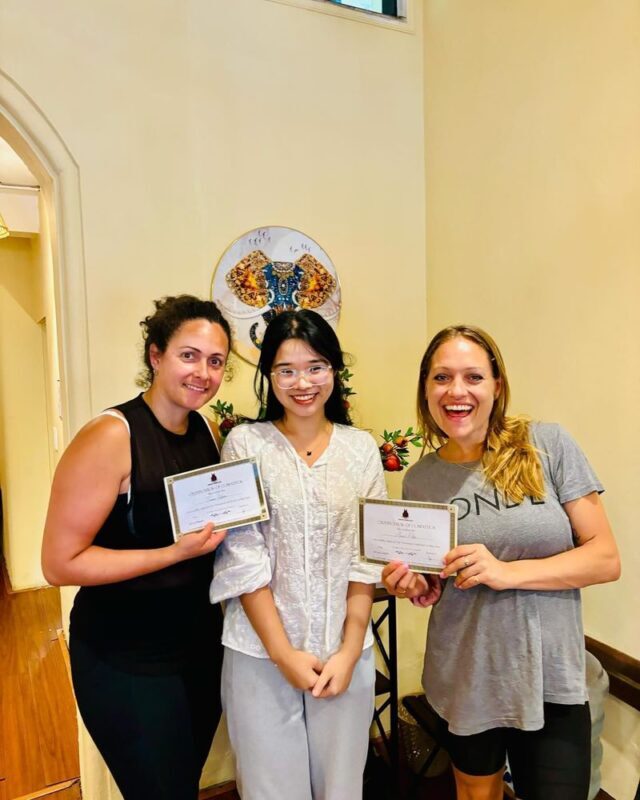
- Take home recipes and a certificate: Both are included, along with ingredients and welcome tea.

👉 See our pick of the 25 Best Shopping Tours In Hanoi
From Gia Ngu Street to the market
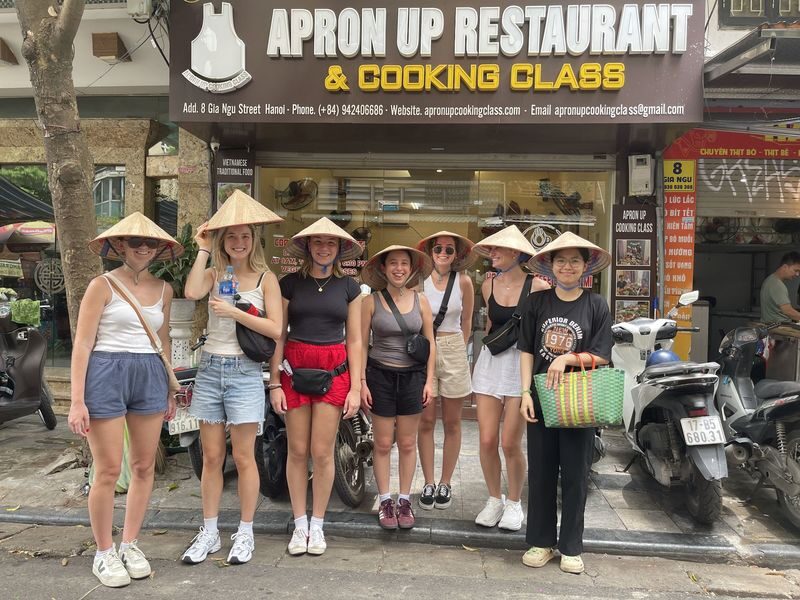
The class meets at Apron Up Cooking Class, at 8 Gia Ngu in Hanoi’s Hoan Kiem district. From there, the group walks to a local market to look at the ingredients used in Vietnamese cooking. Transport is not included, so you’ll need to make your own way to the meeting point.
The market stop is more than a quick shopping errand. You learn what to look for when choosing produce and how to bargain, while getting a close-up look at the everyday food trade that supplies Hanoi’s kitchens. If you have eaten pho or fresh herbs at a local restaurant but never wondered how cooks choose their ingredients, this is where the class begins to answer that question.
The market is described as nearby, so the outing is not a long trek across town. That helps keep the focus on food and leaves time for cooking. Still, the class involves walking around the market, so wear shoes you are comfortable in and arrive ready to stay with the group.
You can also read our reviews of more cooking classes in Hanoi

Five dishes, one shared kitchen
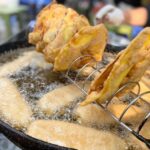
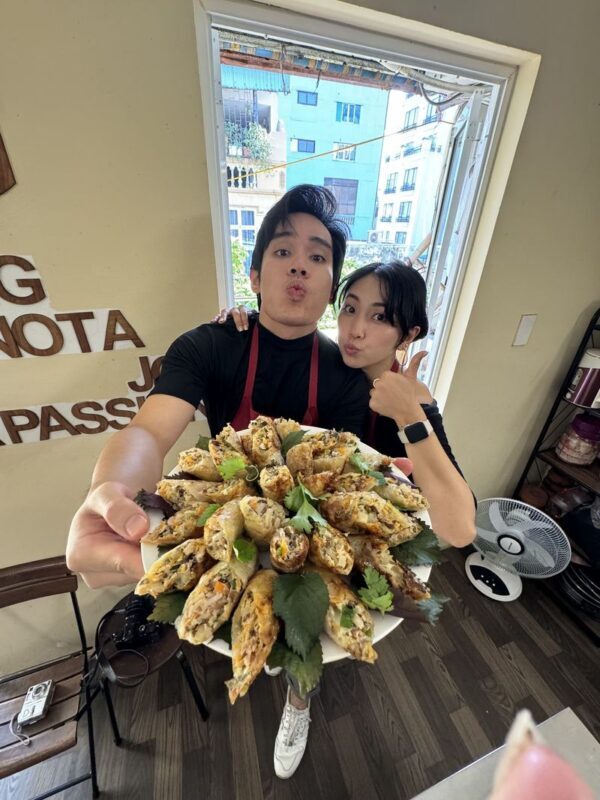
Back at the kitchen, your instructor guides the group through a five-dish meal. The standard Hanoi menu may include pho, bún chả, fried spring rolls, papaya salad and egg coffee. Together, those dishes give you a useful cross-section of Northern Vietnamese cooking: noodle soup, grilled pork with noodles, a crisp fried bite, a fresh salad and a local coffee specialty.
The menu is subject to seasonal ingredients and availability, so don’t treat the sample list as a promise that every dish will appear on your date. That flexibility makes sense in a class built around fresh market ingredients, but it is worth checking the current menu if there is one dish you especially want to learn.
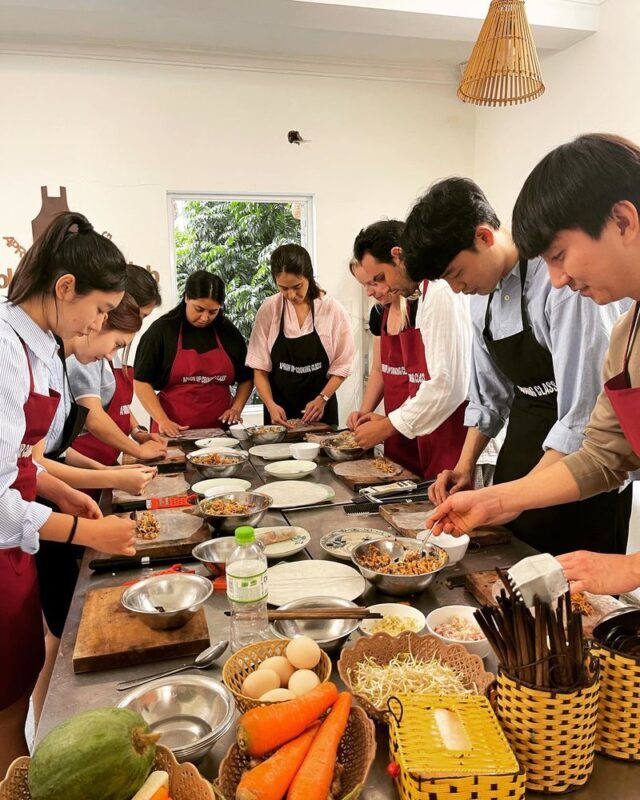
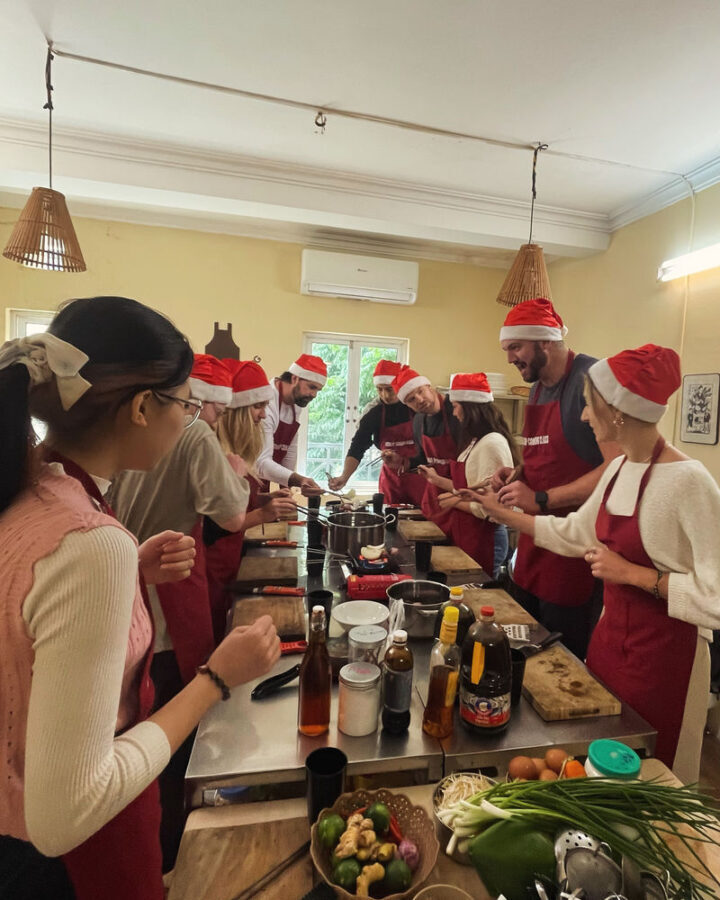
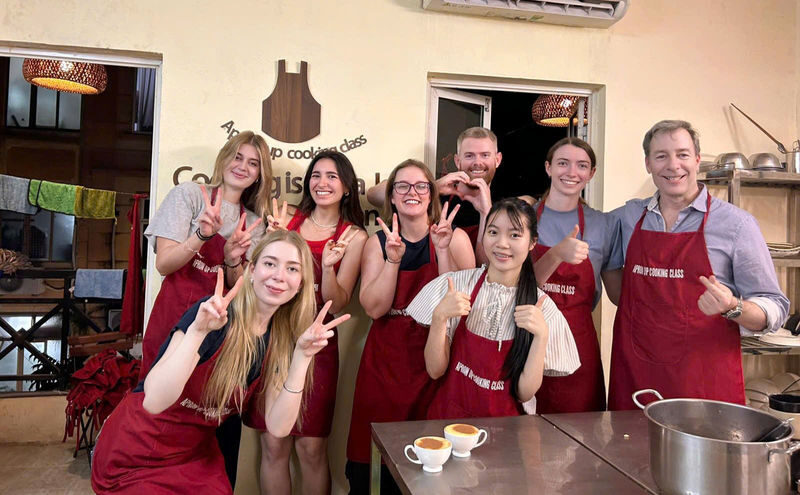
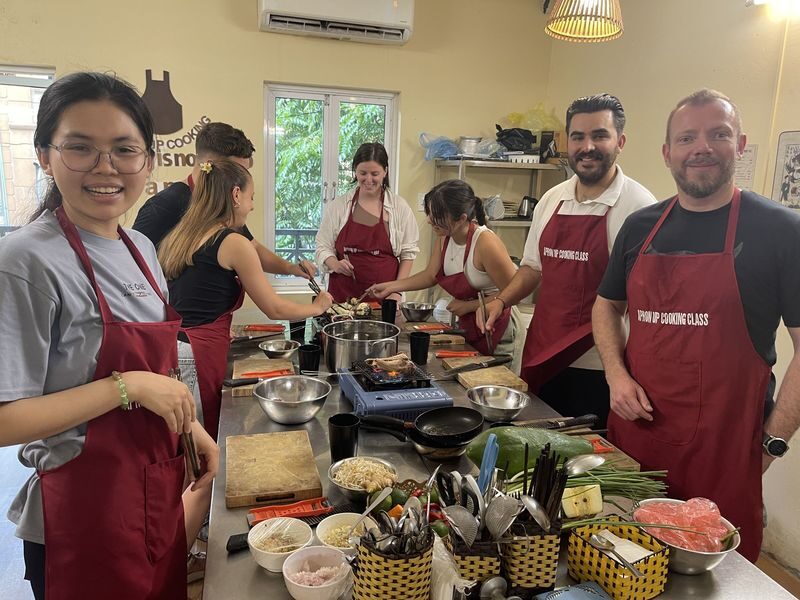
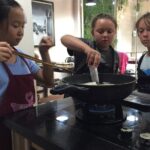
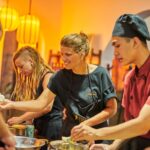
Cooking is hands-on, but the format is collaborative. You may find yourself chopping aromatics while another participant handles a different part of the meal. That group approach can make the class sociable and lively, and it helps the instructor move several dishes along within one session. It also means you may not prepare every recipe entirely on your own, or have an individual cutting board and knife throughout.
If your main aim is to practice each technique independently, keep that in mind before booking. If you’re happy to learn by watching, helping and asking questions, the shared kitchen can be an efficient way to cover five dishes without turning the afternoon into a marathon of solo prep.
The instructors are central to the experience. Past classes have been led by people including Vy, Hazel, Hailey, Emmy and Lynn. The teaching style described across the class experience is patient and practical, with explanations of ingredients, cooking steps and the food’s cultural context. Your instructor will depend on the date, so don’t book expecting a particular named teacher.
The Northern Vietnamese menu
The Hanoi menu is a strong choice if you want to understand the dishes you are likely to encounter around the city. Pho introduces the familiar noodle soup, while bún chả brings grilled pork and noodles to the table. Fried spring rolls add a crisp texture, and papaya salad gives the meal a lighter counterpoint.
Egg coffee is the sweet finish. It is one of Hanoi’s best-known drinks, and making it in class gives you a chance to see how it fits into the local food experience rather than simply ordering a cup in a café. The complete menu creates a substantial meal, not just a tasting. Some participants have found there was more than enough food to share.
A vegetarian daily menu is also offered. Its sample dishes include pho chay, a tofu noodle dish, vegetarian fried spring rolls, papaya salad and either egg coffee or fruit salad. The precise menu can change, so if you follow a vegetarian diet or have an allergy, tell the class in advance and confirm what can be accommodated. An instructor has been able to manage meat and tofu dishes in the same class, but it is sensible to discuss your needs rather than assume every dietary request can be met.
What you learn beyond the recipes
A cooking class is most useful when it explains not only what to do, but why. Here, the market visit and kitchen instruction link ingredients to the finished dishes. You learn how to choose produce, handle ingredients and follow recipes, while hearing context about Vietnamese food and culture.
That context matters when you try the recipes at home. Vietnamese cooking is often associated with herbs, vegetables and a balance of flavors, but a cookbook alone cannot show you how ingredients are selected or how the dishes fit together. The instructor’s demonstrations and explanations help fill in those gaps. You can ask questions as you work, and the pace is designed to make the steps approachable even if you do not cook much.
The included cookbook is a practical part of the package. It gives you a way to revisit the dishes after the class, when you are back home and trying to remember the balance of ingredients. You also receive a completion certificate. The certificate is a keepsake rather than a cooking qualification, but the recipes are the more useful souvenir.
The meal is part of the lesson
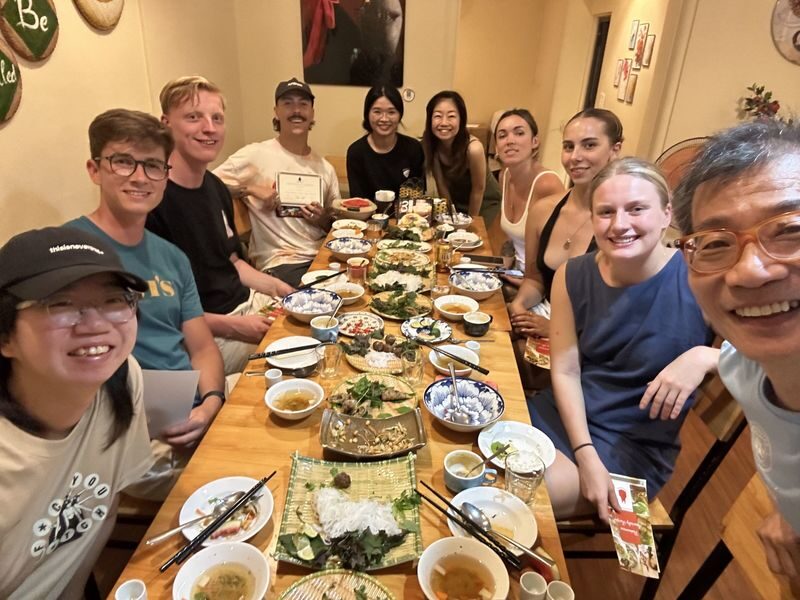
At the end, the group sits down to eat what it has made. This is one of the best reasons to book the class: the meal brings the separate tasks together. You see how the soup, salad, spring rolls and other dishes work as a spread, and you get to taste the result while it is fresh.
The shared meal also gives the class a relaxed finish. You have spent the session working with other people, and sitting down together gives you time to talk about the food and the experience. It can be especially appealing if you are travelling solo or want a social activity that does not depend on a night out.
Do not expect restaurant-style service or a private chef cooking a separate tasting menu for you. This is a class, and the food is the result of group participation. That is part of its value: you get to eat the dishes you helped prepare, not just watch someone else make them.
You can also read our reviews of more tours and experiences in Hanoi
Time, price and practical details
The class starts at US$33.75 for the join-in option. For that price, the package includes the market tour, cooking instruction, a five-dish menu, ingredients, welcome tea, a cookbook and a certificate. The value is strongest if you take part in the full experience and want both a meal and skills you can use later. It is less compelling if you only want a quick lunch or prefer a private, individual cooking session.
Allow about three to three and a half hours. The class offers four time slots, which gives you some choice when fitting it into a Hanoi itinerary, but the session is still a sizeable block of time. Avoid scheduling a tight transfer or another timed activity immediately afterward.
There is a US$7 per-person surcharge for participation on a public holiday, payable on site. The price does not include transport, personal expenses or tips. Children and infants must be included in the passenger count when booking.
The meeting address is 8 Gia Ngu, Hoan Kiem, Hanoi. One class participant noted stairs at the venue, so if stairs may be an issue for you, contact the provider before booking to check the arrangements. The class is taught in English or Vietnamese. If you need slower or especially clear instruction, tell the instructor at the start; simple cooking steps and demonstrations can also help bridge language gaps.
Who should book Apron Up?
I’d choose this class if you enjoy Vietnamese food and want to learn how a handful of Hanoi favorites are made, not just eat them. The mix of market visit, cooking and shared meal gives you several kinds of local food experience in one outing. It suits curious beginners, couples, families and solo visitors who are comfortable joining a group.
It may be a weaker fit if you want an intimate one-on-one lesson, expect to cook every dish independently, or have a very tight schedule. The group format is part of the appeal, but it does mean sharing tasks and equipment. If the quality of personal cooking practice matters more to you than covering several dishes, ask about group size and how the kitchen work is divided before you commit.
For most people with an open half-day and an appetite for Vietnamese food, the combination is worth the price. You leave with a full meal, a cookbook and a better sense of how the ingredients at Hanoi’s market become the dishes on your table.
Hanoi Apron Up Cooking Class
“I made this with Teacher Hazel. The three of us who participated made 5 plates, so the portion was really huge! It was great to be able to learn in…”
FAQ
How long does the Apron Up cooking class take?
Plan for about three to three and a half hours. The session includes a market visit, cooking and eating the meal.
Where does the class meet?
It meets at Apron Up Cooking Class, 8 Gia Ngu, Hoan Kiem, Hanoi. Transport to the meeting point is not included.
What dishes might I make?
The sample Hanoi menu includes pho, bún chả, fried spring rolls, papaya salad and egg coffee. A vegetarian menu is also available, and dishes may change with the season and ingredient availability.
Is there a vegetarian menu?
Yes. The sample vegetarian menu includes pho chay, a tofu noodle dish, vegetarian spring rolls, papaya salad and egg coffee or fruit salad. Tell the provider about dietary needs when booking and confirm what can be accommodated.
What is included in the price?
The join-in class includes an English- or Vietnamese-speaking guide, the cooking class, a five-dish menu, welcome tea, market tour, ingredients, a cookbook and a certificate. Transport, personal expenses and tips are not included.
Is there an extra charge on public holidays?
Yes. A surcharge of US$7 per person applies on public holidays and is payable on site.