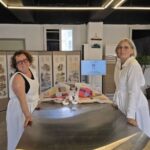
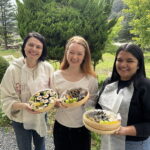
This two-hour class turns three familiar Korean dishes into a hands-on meal: you make bibimbap, gimbap, and gyeran-mari, then sit down to eat what you have prepared. I like that you learn more than one technique in a single visit, and that the meal comes with Korean soup and a lunch box for any leftovers. Host Jade is praised for clear English guidance and warm, patient teaching.
The main consideration is the two-person minimum. Solo visitors can book, but the class may be canceled or rescheduled if no second participant joins. With just five places at most, it is intimate, but you should book at least a day ahead so the kitchen can prepare ingredients.
Key points
- Three dishes in two hours: Make bibimbap, gimbap, and gyeran-mari in one class.
- A small, home-style kitchen: The group is capped at five, so instruction can stay personal.
- Jade leads in English: The cooking steps are explained clearly, with time to follow along.
- Eat together, then pack leftovers: Korean soup accompanies the meal, and lunch boxes are available.
- A small keepsake: The class includes time for photos and an instant printed picture.
- Plan around the minimum: At least two participants are needed, and children must be at least eight.

👉 See our pick of the 5 Best Historical Tours In Gyeongju
- Key points
- Three Korean staples, one practical class
- Jade’s small kitchen and English guidance
- What the two-hour class is like
- The meal is part of the lesson
- Is the price good value?
- Who will enjoy this class most
- Booking and timing tips
- Should you book it?
- FAQ
- How long does the cooking class last?
- Which dishes do I make?
- Is the class taught in English?
- How many people can join?
- Can children take part?
- Are vegetarian options available?
- The Best Of Gyeongju!
- More Cooking Classes in Gyeongju
- More Tours in Gyeongju
- More Tour Reviews in Gyeongju
- Not for you? Here's more nearby things to do in Gyeongju we have reviewed
Three Korean staples, one practical class
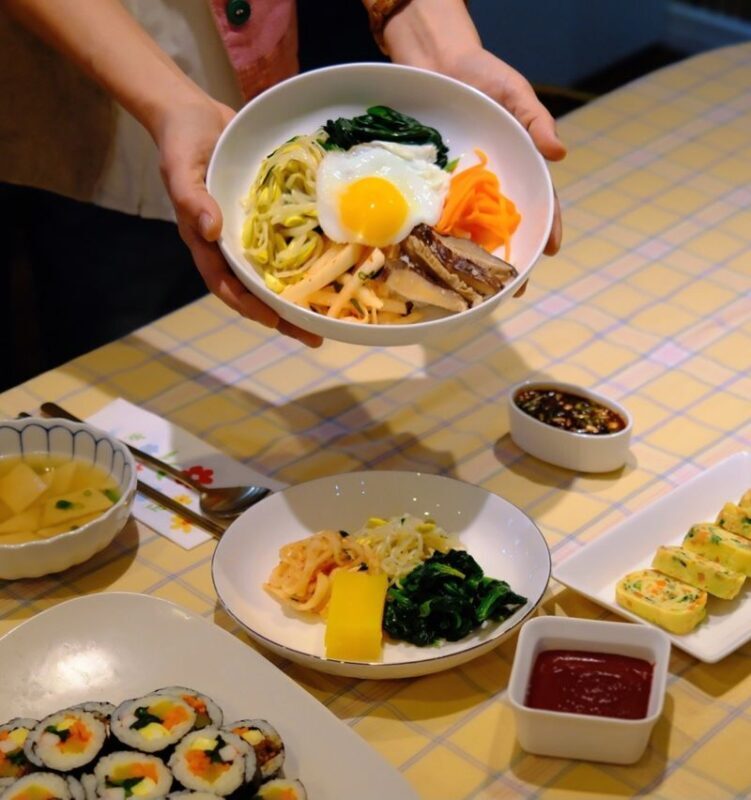
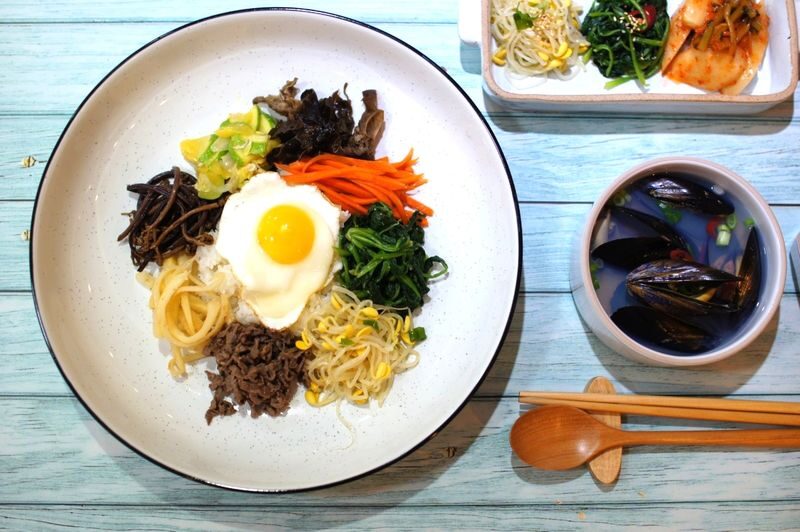
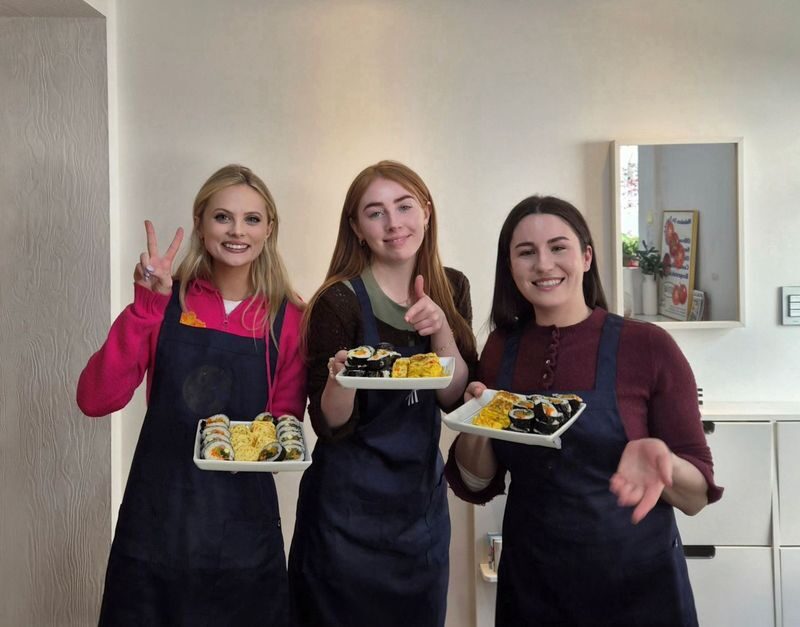
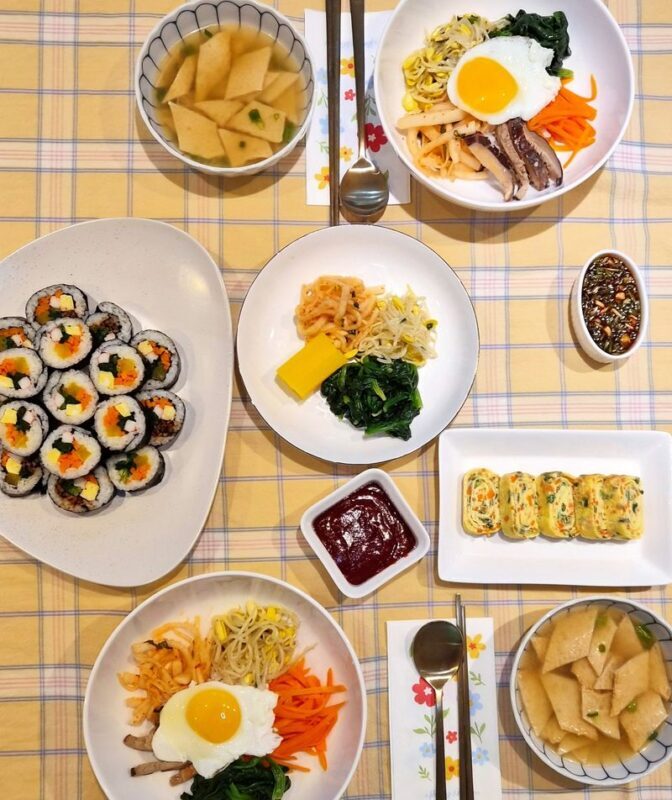
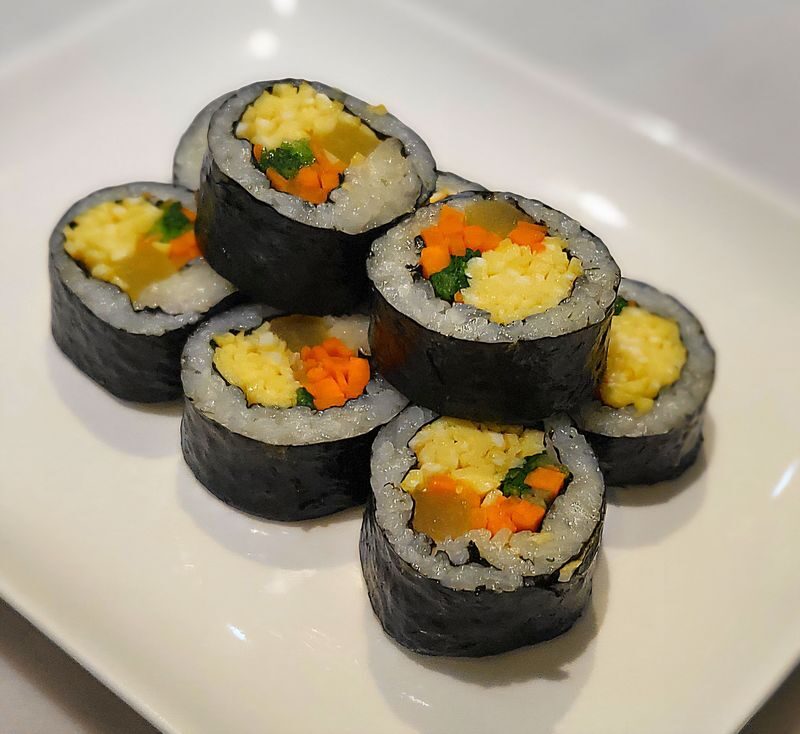
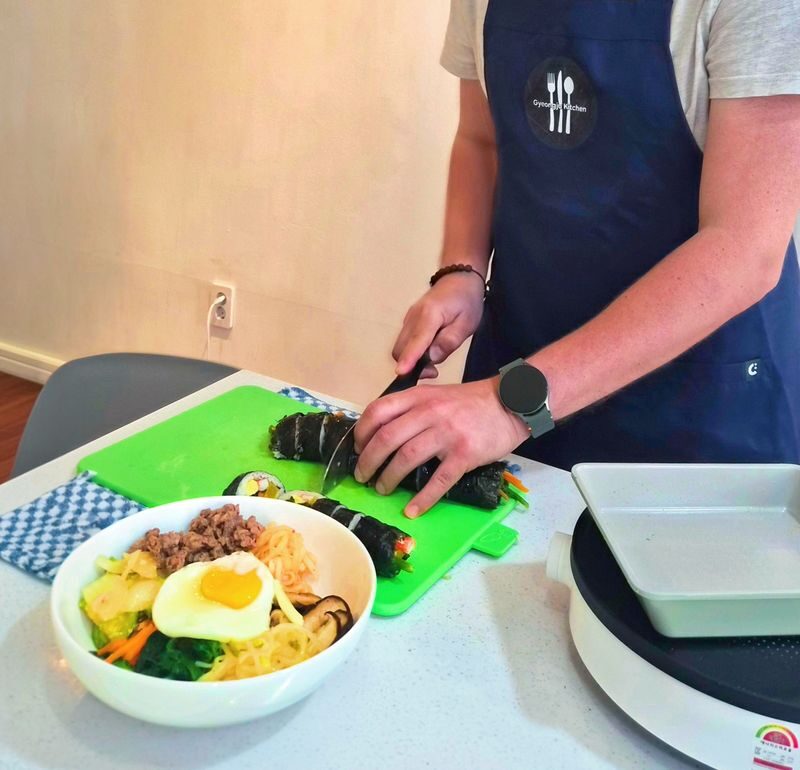
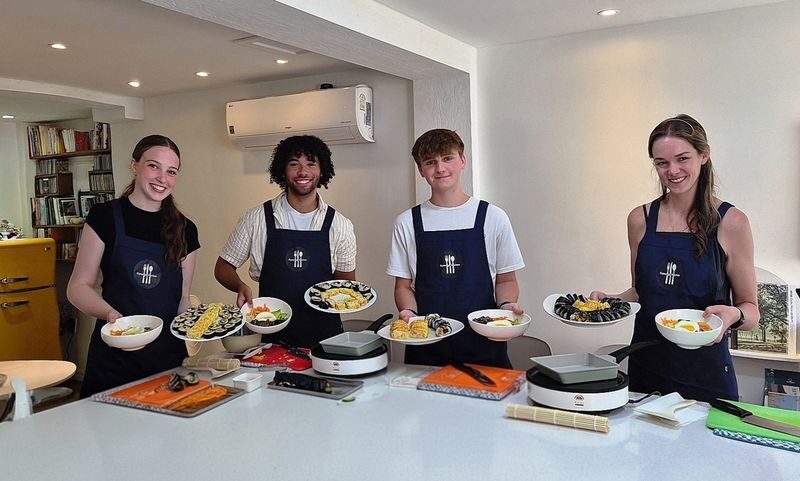
The appeal here is simple: instead of watching someone else cook, you get to make a meal yourself. The class focuses on bibimbap, gimbap, and gyeran-mari, three dishes that offer different ways to work with rice and familiar Korean home cooking.
Bibimbap gives you a chance to prepare a rice-based dish, while gimbap and the rolled omelette add hands-on shaping and rolling. The exact ingredients and step-by-step order are not specified, so don’t expect a fixed menu breakdown before you arrive. The point is to learn the basic process with an instructor nearby, rather than to follow a recipe on your own from a distance.
That makes this a useful activity for first-time cooks as well as people who already know these dishes from restaurants. You can ask questions as you work, and the small class size should make it easier to keep up than in a large demonstration.
You can also read our reviews of more cooking classes in Gyeongju


Jade’s small kitchen and English guidance
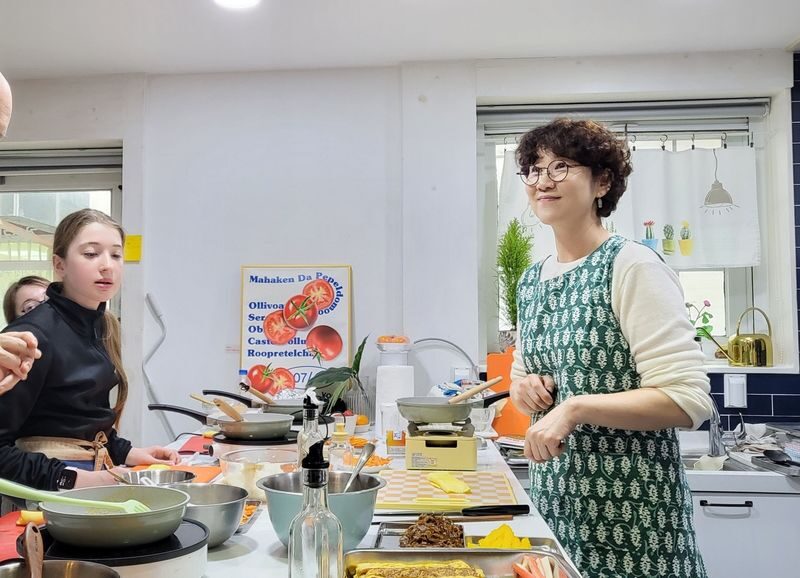
The class takes place at Gyeongju Kitchen, at 6, Jungang-ro 36beon-gil, a short walk from the city center. The room is described as cozy, clean, and home-style, not a large restaurant kitchen built for crowds. That setting suits the class: you are there to cook and share a meal, not move through a production line.
Jade is the named host. The class includes English-speaking staff, and Jade is praised for explaining the steps clearly and patiently. That matters when you are learning a technique for the first time. A friendly explanation can make the difference between feeling rushed and being able to try the task yourself.
The group has a maximum of five people. For a couple or a small party of friends, that is a good balance: there is company around the table, but the group is still small enough to ask for help. If you book alone, remember the minimum of two. A solo booking is welcome, but the class can be canceled or moved if the minimum is not met.
What the two-hour class is like
The advertised duration is two hours, with a selected start time of 12:00 or 17:00. The precise sequence may vary, but you can expect the class to move from instruction and preparation into making the three dishes, then sitting down to eat. The practical value is in doing the work yourself, with Jade there to guide you through each part.
The dishes give the session variety. You are not spending the whole class repeating one task: bibimbap, gimbap, and gyeran-mari each bring a different kind of preparation. The class is also framed around Korea’s rice-based food culture, so you get a little context alongside the cooking. It is a modest, useful introduction rather than a long lecture on food history.
After cooking, the group shares the meal. Korean soup is included, and the soup served with the meal has been described as fish cake soup. There is also time for photos, including an instant printed photo to take away. If you make more food than you can finish, lunch boxes are available so you can take it with you.
That last detail is more than a nice extra. A cooking class can leave you with a full meal and nowhere to put it. Here, packing leftovers gives you a second chance to enjoy what you made, perhaps later in the day or the next morning. Just keep in mind that the amount you prepare and the leftovers will depend on the class and your appetite.
The meal is part of the lesson
I like that the class ends at the table, not when the cooking stops. Eating together lets you taste the result while the steps are still fresh in your mind. It also gives the food a social setting: you are sharing a meal in a small kitchen, rather than leaving with a recipe sheet and no sense of how the dishes fit together.
The warm hospitality is a recurring strength of the experience. Jade is described as accommodating, friendly, and easy to understand, and the kitchen as nicely kept and comfortable. Those details are especially helpful if you are nervous about cooking in a language or setting that is new to you. The class is designed to be English-friendly, so you do not need to arrive with Korean cooking vocabulary.
The food itself is a central reason to book. The dishes are meant to be eaten after you make them, and the class includes soup to round out the meal. Vegetarian options are available, but the exact substitutions are not specified. If you have dietary needs, ask about the menu before booking rather than assuming every ingredient can be changed.
Is the price good value?
The displayed starting price is US$62.30, while the join-in cooking class option is also shown from US$56.65. Prices can vary by package or booking details, so check the final amount before paying. At either figure, the value depends on how much you want from the activity: this is not simply a meal, but a two-hour lesson, a shared meal, soup, English guidance, and a printed photo.
For someone who only wants to eat bibimbap or gimbap, a restaurant meal will be the cheaper and faster choice. But if you want to learn how to make the dishes and have a relaxed activity in Gyeongju, the class offers more than lunch. The small group and personal instruction are part of what you are paying for.
It is also an easy activity to fit between other plans. The kitchen is within walking distance of the city center, and the class runs at midday or late afternoon. It is not a full-day excursion, so it can pair well with sightseeing before or after, provided you leave enough time for the two-hour session and the walk.


Who will enjoy this class most
This is a good fit for couples, friends, and families with children aged eight or older who want a shared activity that is more hands-on than a standard meal. Children aged eight and up pay the adult rate, so take that into account when comparing the cost with other activities.
It also suits visitors who enjoy food but do not need a formal culinary course. You will make three recognizable dishes, but the class is short and social. If your goal is advanced knife skills or an in-depth professional cooking program, this is likely not the right format.
Solo visitors can book, but the minimum attendance rule makes a solo reservation less certain. If you are traveling alone, consider booking early and keeping some flexibility in your schedule in case the date needs to change. For groups of three to five, the setup is more straightforward, though the class has limited capacity.
Vegetarians have an option, which is useful, but should confirm what that means for the ingredients and soup. The activity does not provide a detailed dietary menu. The same advice applies if you have allergies or other food restrictions: check before you reserve.
Booking and timing tips
Book at least one day in advance. The kitchen needs time to prepare the ingredients, and the class requires a minimum of two participants. You can choose a 12:00 or 17:00 start time; arrive 15 minutes early at Gyeongju Kitchen. Late arrivals and no-shows are not refundable, so build in a little time to find the address.
The activity is for ages eight and older. Confirmation is expected within 24 hours; if it does not arrive, contact customer support. The voucher is valid only on the date and time selected, so check those details carefully before you set the rest of your day.
The listed return information refers to a return to a hotel or personal address, with possible return times of 15:00 or 19:00 depending on the selected start and itinerary. Since the class itself is at Gyeongju Kitchen and easy to reach on foot from the city center, verify what transport or return arrangement applies to your booking rather than assuming it is included.
Should you book it?
Book this class if you want to make Korean dishes with clear English guidance, enjoy a meal you helped prepare, and spend a couple of hours in a small, welcoming kitchen. The mix of three dishes, soup, a shared table, and a printed photo gives the experience a personal feel without asking you to give up a whole day.
Skip it if you mainly want a quick meal, need a guaranteed solo booking, or require dietary details that have not been confirmed. For most food-curious visitors to Gyeongju, the class is a sensible way to turn lunch or an early evening into something you can repeat at home.
Gyeongju Bibimbap, Gimbap Cooking Class
“I took this class with a friend visiting from abroad, and it was one of the most enjoyable experiences we had in Korea. I really loved how the clas…”
FAQ
How long does the cooking class last?
The class lasts two hours.
Which dishes do I make?
You make bibimbap, gimbap, and gyeran-mari, a Korean rolled omelette.
Is the class taught in English?
Yes. English-speaking staff provide guidance, and Jade is the named host.
How many people can join?
The class is capped at five people and requires a minimum of two participants.
Can children take part?
Participants must be at least eight years old. Children aged eight and older pay the same rate as adults.
Are vegetarian options available?
Yes, vegetarian options are available. The specific dishes or ingredient substitutions are not detailed, so ask about them before booking.