Gorée Island’s beauty and its painful past sit side by side. A private guided visit brings both into focus: I like that you can hear the island’s story from a local guide such as Ousmane, and that the route pairs the House of Slaves with churches, a mosque, a fort and open views of the Atlantic.
The main consideration is the pace and timing. The advertised tour lasts four hours, but the schedule includes a one-hour lunch, ferry travel and several stops, so confirm the day’s plan, especially if you want time to linger. The House of Slaves is reported closed on Mondays, so check before booking.
- What makes this Gorée tour worth considering
- From Dakar to the island by road and ferry
- The House of Slaves and the weight of the visit
- A church, a mosque and the island’s shared life
- Le Castel, the memorial and the island views
- The Liberation statue and the closing walk
- Lunch, food tasting and the real value of the price
- Who this tour suits best
- Should you book the Gorée Island tour?
- FAQ
- How long is the tour?
- How much does the tour cost?
- Where does the tour start?
- Which languages are available?
- Is this a private tour?
- What is included in the price?
- Is lunch included?
- Which places does the tour visit?
- What should I bring?
- Is the tour wheelchair accessible, and can I cancel?
- The Best Of Dakar!
- More Tours in Dakar
- More Tour Reviews in Dakar
- Not for you? Here's more nearby things to do in Dakar we have reviewed
What makes this Gorée tour worth considering
 1 / 7
 2 / 7
 3 / 7
 4 / 7
 5 / 7
 6 / 7
 7 / 7
- A personal account of Senegalese history: Guides such as Ousmane, Chérif and Diatta connect the island’s past with Senegal and the wider Atlantic slave trade.
- The House of Slaves is the emotional center: You visit its cells and exhibits with a guide, rather than relying only on brief labels.
- A compact island route with several points of view: The itinerary takes in a botanical garden, church, fort, memorial, mosque and liberation statue.
- Hotel pickup and ferry coordination are part of the experience: You do not have to work out the Dakar-to-island transfer alone.
- Lunch and food details need a quick check: Food tasting is listed as included, while the schedule also allows an hour for lunch.
- The private format can make the visit more flexible: Guides have adjusted pickup times and schedules for some groups, but arrange any changes in advance.

👉 See our pick of the 2 Best 3 Day Tours In Dakar
From Dakar to the island by road and ferry
The outing starts with hotel pickup in Dakar, followed by a short bus or coach ride to the port. The listed road transfer takes about 15 minutes, then the ferry crossing is listed at about 25 minutes. The guide handles the transition and can begin setting the scene before you reach Gorée.
The ferry is more than a transfer. It gives you a little time to shift from Dakar’s city streets to an island visit shaped by memory, architecture and the Atlantic. The itinerary includes a short safety briefing after arrival, then a walk through the island’s sites.
Timing matters here. Some guides have advised taking an early ferry, with one visitor noting a 7:30 departure, to reach the island before the bigger crowds and heat. That is a useful question to ask when arranging your start time, not a guaranteed departure for every booking. An early start may also mean the House of Slaves is not yet open when you first arrive, so the guide may take you to other sites before returning.
The experience is sold as a four-hour tour, but the schedule includes ferry time, a one-hour lunch and a series of short visits. Confirm the expected return time with the operator if you have a tight connection or another activity planned for the same day.
You can also read our reviews of more tours and experiences in Dakar.


The House of Slaves and the weight of the visit
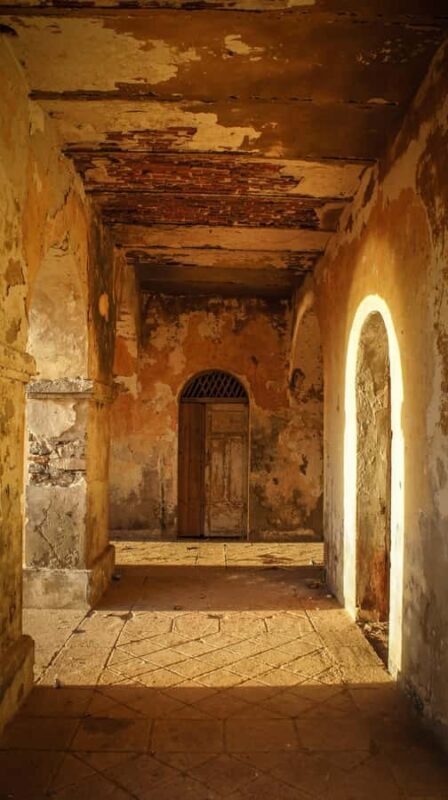
The House of Slaves is the visit’s central stop, and the ticket is included. You spend about 30 minutes there on the listed schedule, including a guided visit. The building’s rooms and cells are presented as a reminder of the transatlantic slave trade and the people held before forced passage across the ocean.
This is not a light museum stop. The cells, including those associated with men, women and children, bring the human cost of enslavement into close view. Guides have explained that captives were held for one to two months before being shipped to the Americas. You can ask questions, but give yourself room to take in the site at your own pace.
The guide’s role is especially valuable here. Ousmane is frequently named by visitors for his ability to explain the island’s past with care and to connect it to Senegal, West Africa, Europe and the Americas. Other guides, including Chérif and Diatta, have also led tours. Your specific guide may vary, but the private format gives you space to ask questions and pause when you need to.
The House of Slaves is reported closed on Mondays. Check its opening day before you book, since a visit on a closure day would change the focus of the tour. One account also notes that the house opens at 10:30, and that private groups may enter before the general queue. Opening arrangements can change, so ask the operator how your visit is timed.
A church, a mosque and the island’s shared life
Saint-Charles Church, built in 1830, offers a different kind of stop. The tour allows around 15 minutes for the visit and guided explanation. Its Catholic identity and architecture contrast with the House of Slaves, while adding another layer to the island’s cultural and religious story.
The mosque, built in 1860, is another short stop, with about 10 minutes scheduled. The tour presents it as part of the island’s religious life and coexistence. Together, the church and mosque help keep the visit from becoming only a sequence of monuments tied to colonial rule and enslavement. They also draw attention to the communities who have lived on Gorée.
These visits are brief, so you should not expect long, formal tours inside every building. Their value is in the way a local guide links them to the island’s broader story. If religious history or architecture is a particular interest, ask whether the day’s pace allows extra time.
Le Castel, the memorial and the island views
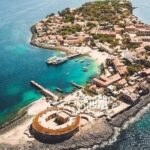
Le Castel is a former military fort, with imposing architecture and broad views toward the island and Atlantic. The itinerary gives it about 15 minutes. That short stop gives you a change of scale: after the close quarters of the House of Slaves, the elevated outlook opens the view and invites a quieter pause.
The route also includes the Mémorial Gorée-Almadies, with roughly five minutes for a guided stop. Its place in the visit helps carry the conversation from the island’s past toward remembrance. The listed schedule is brief, so treat it as a concise introduction rather than a long museum visit.
The Canarien Botanical Garden is a five-minute photo stop and visit. This is a quick chance to see another side of the island before moving on. The tour’s value lies less in any one short stop than in the sequence: each place adds a different piece, from military power and religious life to remembrance and the natural setting.
More Great Tours NearbyThe Liberation statue and the closing walk
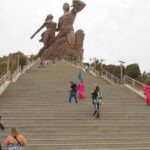
The Statue of the Liberation from Slavery, erected in 2007, is the final listed site. The visit takes about 10 minutes and offers a modern symbol of freedom alongside the older sites. Ending here gives the tour a forward-looking note after the difficult material at the House of Slaves.
The statue is not a substitute for the history you have just encountered. It is a chance to consider how memory is represented today, and how the island’s story continues to matter. The guide can help connect that symbol to the earlier stops and to Senegal’s broader history.
After the main visits, the schedule allows 15 minutes of free time. That is enough for a brief look around or a final photograph, but not a long independent wander. If you want to browse longer or spend more time at a particular site, ask before the tour begins whether the route can be adjusted.



Lunch, food tasting and the real value of the price
At $140 per person, this is a premium half-day outing, especially for a solo visitor. The price includes hotel pickup and drop-off, entry to the House of Slaves and a food tasting. It also buys you a private guide and help coordinating the ferry and island route, which can save time and make a historically complex visit easier to follow.
The schedule gives lunch an hour, and several accounts describe a local meal on Gorée, including fresh fish, baobab juice and other Senegalese dishes. But the listed inclusions specify a food tasting, not a full lunch. Before booking, ask whether the meal is included in the $140 or paid separately, and whether ferry tickets are included. The tour handles the transport arrangement, but the stated inclusion list does not spell out the ferry fare.
If you are travelling with others, the private format can improve the value by spreading the price across the group. It also makes it easier to ask questions, walk at a comfortable pace and discuss the history without trying to keep up with a large party. For a solo visitor, the cost is harder to justify unless you value the guide’s interpretation and pickup convenience.
Who this tour suits best
I would choose this tour if you want more than a ferry ride and a self-guided walk. The House of Slaves deserves careful context, and the strongest part of the experience is the guide’s ability to connect the island’s landmarks to Senegalese history and the wider slave trade. English and French are offered, and the group is private.
It is a good fit for visitors with limited time in Dakar who want pickup, ferry coordination and a planned route in one outing. It also suits people who want to ask detailed questions or prefer a guided visit at emotionally difficult sites. Some guides have shared local details beyond the main route, including views and places a visitor might otherwise pass by.
It may not suit you if you want a slow, unstructured island day. Most stops are short, and the listed free time is only 15 minutes. If you prefer to linger, ask about extending the visit or taking the ferry independently and exploring at your own pace.
The activity is marked wheelchair accessible, but the provided information does not describe surfaces or access at each individual site. If you need specific access details, confirm them with the operator before booking. Bring a passport or ID card, as requested.
Should you book the Gorée Island tour?
Book it if Gorée is a priority and you want a local guide to help you understand what you are seeing. The House of Slaves, the island’s religious landmarks and the Liberation statue make a meaningful combination, while hotel pickup and a private format reduce the practical work around the visit.
Before paying, confirm three details: that the House of Slaves will be open on your chosen day, what the $140 includes for lunch and ferry costs, and the actual start and finish time. If those answers suit your plans, this is a strong way to make a short visit to Gorée more informed and more personal.
Goree Island: discover Senegalese history and culture
FAQ
How long is the tour?
The tour is listed as four hours. Its schedule includes ferry travel, a one-hour lunch and several short stops, so confirm the expected return time when booking.
How much does the tour cost?
The listed price is $140 per person.
Where does the tour start?
Pickup is in Dakar, with hotel pickup and drop-off included.
Which languages are available?
The live guide is available in English and French.
Is this a private tour?
Yes. The tour is listed as a private group.
What is included in the price?
Hotel pickup and drop-off, entry to the House of Slaves and a food tasting are listed as included.
Is lunch included?
The schedule includes one hour for lunch, and the tour information lists a food tasting as included. It does not clearly state that a full lunch is included, so confirm this with the operator.
Which places does the tour visit?
The route includes the Canarien Botanical Garden, House of Slaves, Saint-Charles Church, Le Castel, Mémorial Gorée-Almadies, the mosque and the Statue of the Liberation from Slavery.
What should I bring?
Bring a passport or ID card.
Is the tour wheelchair accessible, and can I cancel?
The tour is marked wheelchair accessible. You can cancel up to 24 hours in advance for a full refund.
You can check availability for your dates here: