
North Korea is close enough to view from Dora Observatory, but this tour’s most useful insight may come from the places that explain why the border is there. You’ll visit the 3rd Infiltration Tunnel, Imjingak Park and the JSA Museum, with a guide to connect each stop to the Korean War and the divided peninsula.
I like the mix of visible landmarks and historical context, especially the tunnel and museum, which give the day more substance than a quick stop at an observation deck. I also like the optional defector talk: it adds a personal account to a subject often discussed in military and political terms. Guides named in past tours include Kelly, Nova, Nancy and Hana, though your guide is assigned on the day.
One important limit: the tour visits the JSA Museum only. It does not enter the active Joint Security Area or the Panmunjom area, and border access can change under military rules. The 3rd Tunnel is steep, too, so this is not a comfortable choice for everyone.
- The 3rd Infiltration Tunnel takes you underground, with a helmet provided, but the steep route can be hard on your legs and lungs.
- Dora Observatory offers a view toward North Korea, though visibility depends on the weather.
- The JSA Museum explains the armistice, the Military Demarcation Line and key moments in inter-Korean relations.
- Imjingak Park gives the division of Korea a human dimension through memorials connected to separated families.
- Optional upgrades add a scenic Red Suspension Bridge walk or a live talk with a North Korean defector.
- A guide-led day from Seoul runs about seven to nine hours, with round-trip transport and commentary in English or Chinese.
- A full day tracing the border from Seoul
- Imjingak Park and the human cost of division
- Walking the 3rd Infiltration Tunnel
- Looking across the border at Dora Observatory
- What the JSA Museum adds
- Optional bridge walk and defector talk
- Is the price good value?
- Practical details before you go
- Who should book this tour
- FAQ
- How long does the tour take?
- What language is the live guide?
- Does the tour enter the active JSA?
- Do I need to bring my passport?
- Is the 3rd Infiltration Tunnel difficult to walk through?
- Are the bridge walk and defector talk included?
- What happens if access to a core site is restricted?
- More Museum Experiences in Paju Si
- More Tours in Paju Si
- More Tour Reviews in Paju Si
- Not for you? Here's more nearby things to do in Paju Si we have reviewed
A full day tracing the border from Seoul
 1 / 8
 2 / 8
 3 / 8
 4 / 8
 5 / 8
 6 / 8
 7 / 8
 8 / 8
This is a long day out, not a quick peek at the DMZ. You ride from central Seoul in an air-conditioned vehicle, hear about the Korean War and the division of the peninsula, then visit several sites that show the border from different angles. Expect seven to nine hours in all, depending on the schedule and official access conditions.
The order of stops can change. Guides may switch the sequence to suit conditions, including heat, and military rules or weather can alter the itinerary. That flexibility is useful, but it also means you should treat the schedule as a plan rather than a promise.
A guide is central to this experience. The sites can be striking on their own, but the history is easier to follow when someone explains what you are seeing before you arrive. Past guides have included Kelly, Nova, Nancy, Hana, Eva and Gogo. Names and assignments vary, but visitor accounts point to clear explanations, friendly leadership and good pacing as recurring strengths.
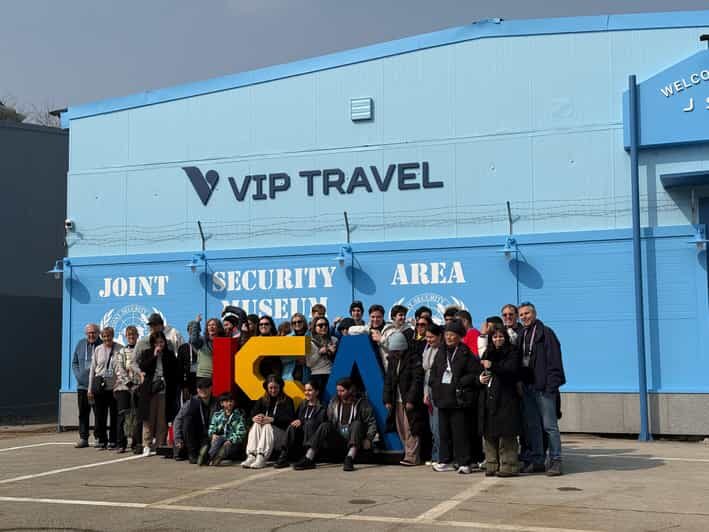
One past group had 31 people and travelled in a comfortable Kia bus. Group size and vehicle can vary, so do not count on that exact setup. The key practical advantage is having transport arranged from Seoul and a guide who stays with the group through the day.
You can check availability for your dates here:Imjingak Park and the human cost of division
Imjingak Park is a fitting first stop because it shifts the subject from military boundaries to families separated by war. Its memorial areas and historical landmarks recall the people whose lives were divided along with the peninsula. Your guide can help place these memorials in the larger story before you move on to the more restricted sites.
This stop matters because the DMZ can otherwise feel like a series of viewing points and military facts. At Imjingak, the consequences of the Korean War become personal. Give yourself time to look around rather than treating it only as a photo stop.
The park visit also helps set up the rest of the day. The museum explains the ceasefire and the border’s rules; the observatory shows the geography; the tunnel illustrates the military tensions beneath it. Each stop has a different job, and the guide’s commentary helps tie them together.
You can also read our reviews of more museum experiences in Paju Si
Walking the 3rd Infiltration Tunnel
Discovered in 1978, the 3rd Infiltration Tunnel is a striking reminder that the DMZ is not just a line on a map. You walk through part of the underground passage wearing a helmet supplied for the visit, while your guide explains its strategic significance during periods of tension between North and South Korea.
This is the most physically demanding core stop. The route is steep, and people with mobility impairments, claustrophobia, heart problems or respiratory issues are advised against the tour. Even if you are generally fit, comfortable shoes are a smart choice. The tunnel experience is not a leisurely stroll, and there is little point in pushing yourself if enclosed or sloping spaces make you uncomfortable.
The tunnel’s value lies in its physical scale. You are not simply hearing that military planning extended below ground; you are walking through a section of one. That makes this stop memorable, but it is also the one most likely to feel uncomfortable if you dislike confined spaces or steep walking.
Looking across the border at Dora Observatory
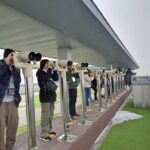
At Dora Observatory, you look across the Military Demarcation Line toward North Korea. On a clear day, you may be able to make out areas across the border. Your guide explains the geography and the modern relationship between the two Koreas, giving the view a context that a camera lens cannot supply.
Keep your expectations grounded. Weather affects visibility, and the experience is about viewing the area from a designated point, not crossing into North Korea or entering an active military site. The observatory is still a powerful stop: the border is no longer an abstract map line when you can look toward the land on the other side.
Photography restrictions may apply in designated areas, so follow your guide’s instructions and posted rules. The itinerary allows time at the stops for both guided explanation and independent looking, though the exact schedule can shift.
What the JSA Museum adds
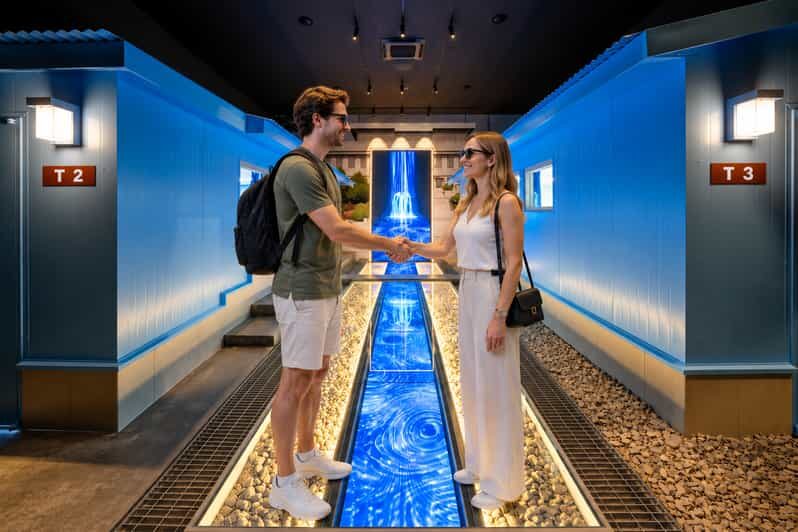
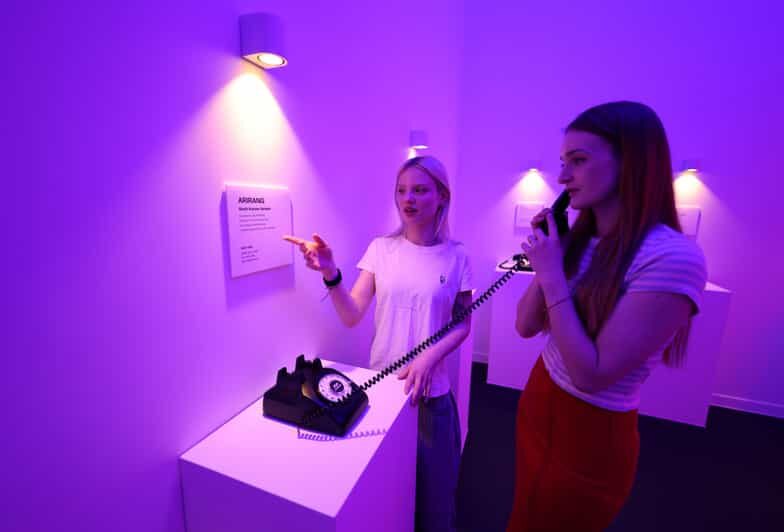
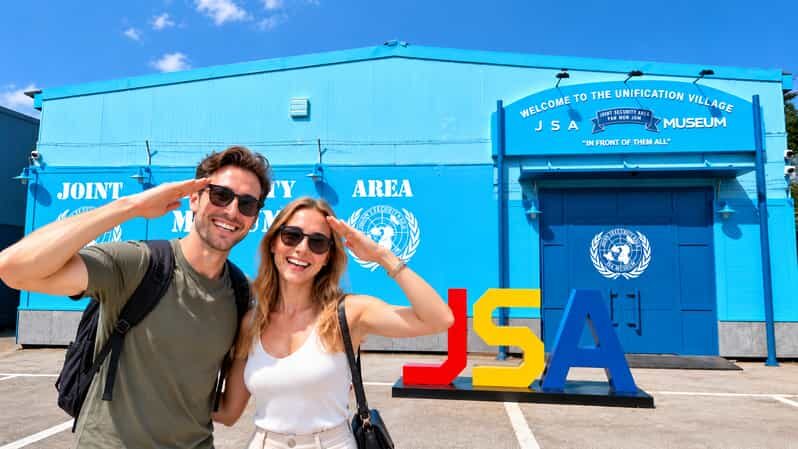
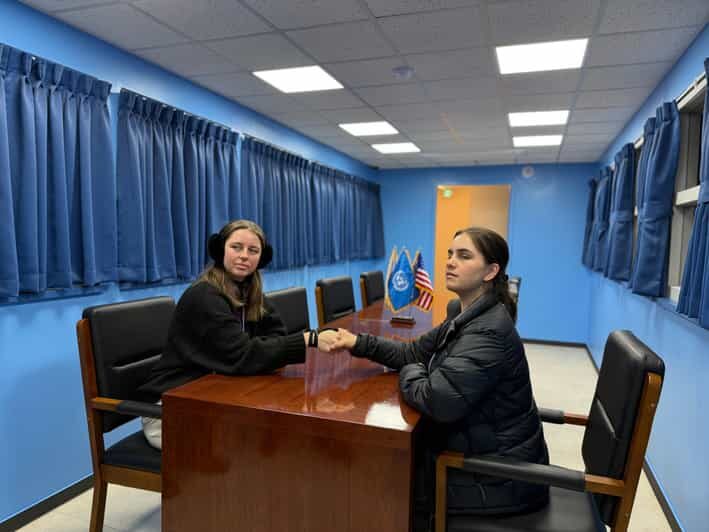
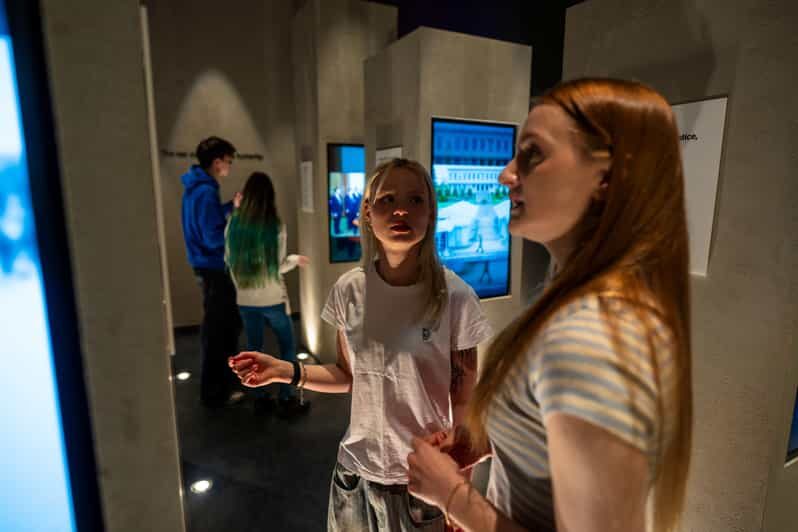
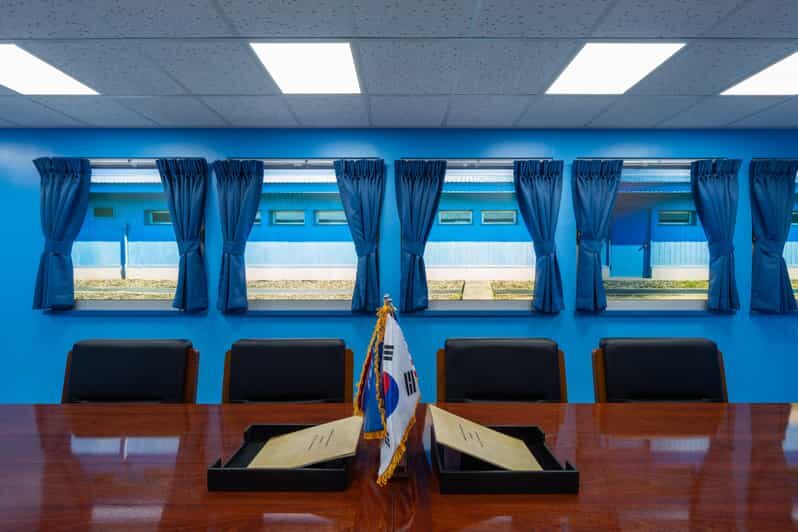
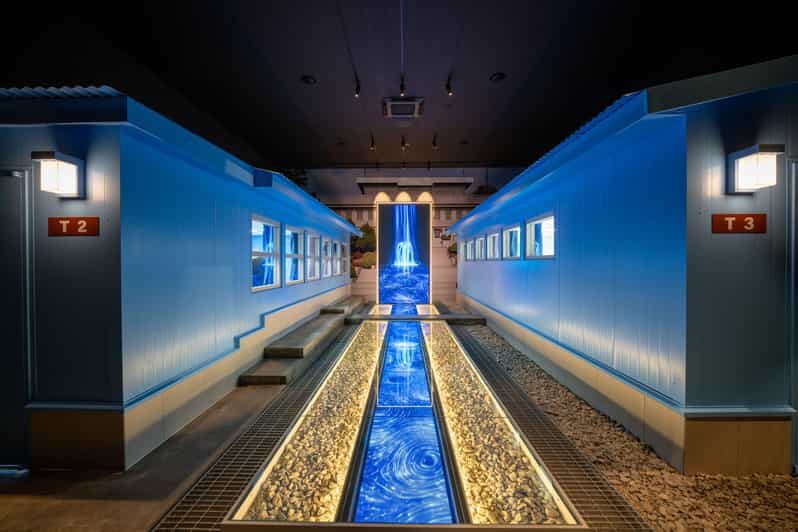
The JSA Museum gives this route a focus that many border visits do not have. Its exhibits use archival photographs, historical material and multimedia displays to explain the 1953 Korean Armistice Agreement, the Military Demarcation Line, the Panmunjom truce village and important moments in relations between the two Koreas.
That context is especially helpful before or after the observatory and tunnel. The museum gives you a framework for understanding why the border is organized as it is and why its rules still matter. The stop is about history and interpretation, not a visit to the active JSA.
Be clear about the distinction when booking: the tour does not enter the active Joint Security Area or Panmunjom itself. You visit the JSA Museum. If your main goal is to enter the military-controlled JSA, this is not the right tour to book.
The museum stop also makes the day feel more rounded. You get an underground site, an outdoor view, memorial spaces and an indoor historical exhibit, rather than spending the whole day looking at the border from one vantage point.
More Great Tours NearbyOptional bridge walk and defector talk
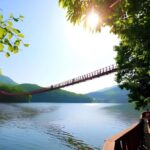
The Red Suspension Bridge is an optional upgrade, not part of every booking. The walk offers a change of pace and a scenic setting near the DMZ area, with photo opportunities. It includes light hiking and uphill walking, so consider your comfort with that before adding it.
The North Korean Defector Live Talk is another optional add-on. It gives you the chance to hear personal experiences from someone who left North Korea. That can add a human voice to the political history and military geography of the day. Advance booking is recommended, and the talk is included only when you select the relevant option.
These additions serve different interests. Choose the bridge if you want an outdoor walk and a break from history-heavy stops. Choose the talk if you want a personal account of life in North Korea. If both matter to you, check the available options before booking, since the base tour does not include either automatically.


Is the $50 price good value?
At a listed price of $50 per person, the base tour includes round-trip transport from central Seoul, a licensed multilingual guide, admission to the 3rd Tunnel, a visit to Dora Observatory, Imjingak Park and entry to the JSA Museum. For a seven-to-nine-hour day with several distinct stops, that is a useful bundle, particularly if you would rather not arrange transport and site visits yourself.
Food, drinks, personal expenses and travel insurance are not included. The Suspension Bridge and defector talk are also available only as selected add-ons, so compare the total price for the option you want rather than assuming the base rate covers everything.
The value is strongest if you want a guided introduction to the history and geography of the border. The guide’s explanations are a major part of the experience, and past visitors have singled out guides such as Kelly, Nova and Nancy for clear storytelling, warmth and careful pacing. If you prefer to explore at your own speed or want access to the active JSA, the price matters less than the fact that this is a structured museum-and-DMZ-area visit.
Practical details before you go
Bring your original valid passport. A photocopy or phone photo is not accepted. Arrive at least 10 minutes before departure, since the bus cannot wait for late arrivals. The meeting point depends on the option you book, so check your confirmation for the exact location and pickup details.
Wear comfortable shoes, especially for the tunnel and any bridge upgrade. There is no specific dress code, but military-style clothing is not allowed. Weapons and sharp objects, drones, pets other than assistance dogs, smoking in the vehicle, alcohol and drugs are prohibited.
Even private tours must transfer to the official DMZ shuttle bus to enter the restricted DMZ area. Your private guide will accompany your group, but a private vehicle cannot enter that zone. Also be prepared for official regulations or weather to change the schedule. If the operator is told in advance that a core site in your booking will be restricted, it will offer a different date or a full refund.
Who should book this tour
This is a strong choice if you have a day in Seoul and want a structured look at the Korean War’s continuing effects. It suits people who value guided context as much as the photo stops, and it gives you a useful range: memorials, an underground tunnel, a north-facing observatory and a museum.
It is less suitable if you have trouble with steep walking, confined spaces or strenuous activity, or if you need guaranteed access to the active JSA. The optional talk and bridge walk can make the day more personal or scenic, but they are not substitutes for the core history stops.
Book it if you want a well-organized day trip with several different ways to understand the border and are comfortable with a long schedule. Check the add-ons carefully, bring your passport and choose another outing if the tunnel’s steep, enclosed route is not for you.
From Seoul: DMZ & JSA Museum with Optional NK Defector Talk
FAQ
How long does the tour take?
The tour lasts about seven to nine hours. Starting times vary, so check availability for your date.
What language is the live guide?
The live guide is available in English or Chinese.
Does the tour enter the active JSA?
No. It visits the JSA Museum only and does not enter the active Joint Security Area or Panmunjom area.
Do I need to bring my passport?
Yes. Bring your original valid passport. Copies and photos are not accepted.
Is the 3rd Infiltration Tunnel difficult to walk through?
The tunnel route is steep and may be difficult for people with mobility issues. The tour is also not suitable for people with claustrophobia, heart problems or respiratory issues.
Are the bridge walk and defector talk included?
They are optional add-ons. The Suspension Bridge walk and North Korean Defector Live Talk are included only with the relevant selected option.
What happens if access to a core site is restricted?
If you are told in advance that official rules, military operations or other access controls will restrict a core site included in your booking, you can reschedule or receive a full refund.
You can check availability for your dates here: