
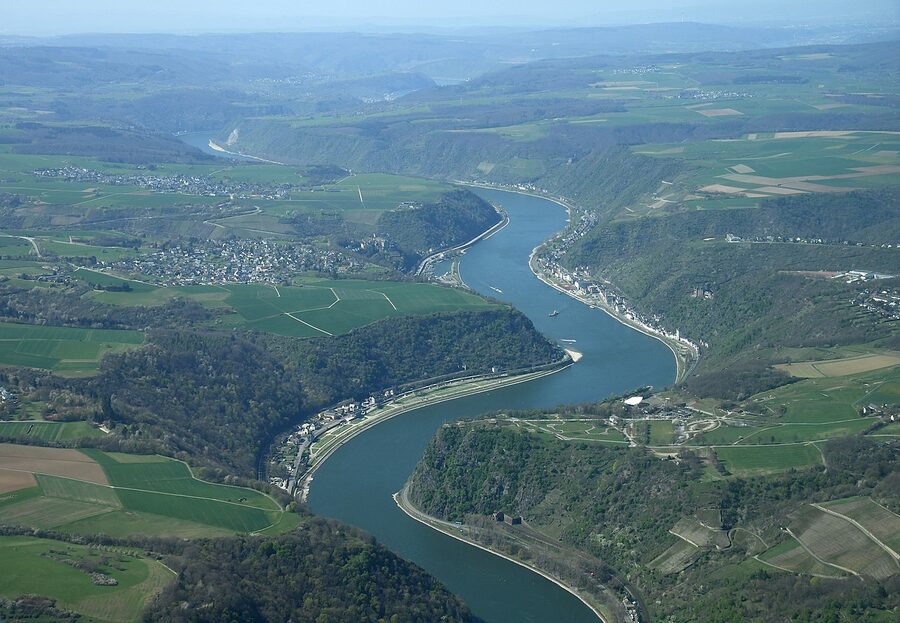
Is the Rhine Valley really worth a full day out of Frankfurt? It is the question I get every time I bring this trip up, usually from someone who has already done a Cologne river cruise and assumes the two are the same thing. They are not the same thing at all. The bit of the Rhine that pulls you out of Frankfurt is the UNESCO Upper Middle Rhine Valley, the forty-mile stretch between Bingen and Koblenz where the river slices through a slate gorge and there are forty medieval castles still standing on the cliffs above it.
- In a Hurry?
- So Is the Rhine Valley Day Trip Worth It?
- What the Standard Day Trip Actually Looks Like
- The Cruise: What You Actually See on the Boat
- Where to Sit
- Lunch and the Wine Tasting Stop
- Niederwald Monument: The Last Stop
- Tours That Make Sense to Book
- 1. From Frankfurt: Rhine Valley Day Trip: 5
- 2. Rhine Valley Trip from Frankfurt with Rhine River Cruise: 7
- 3. Baden-Baden, Black Forest and Strasbourg Day Trip: 4
- Going By Train Instead of a Tour
- Best Time of Year
- The Castles You See Beyond Loreley
- What to Pack for the Day
- If You Want to Stay Overnight Instead
- Pairing This With Your Other Frankfurt Days
- How This Compares to a Cologne Rhine Cruise
- What This Trip Pairs Well With
In a Hurry?
- From Frankfurt: Rhine Valley Day Trip, $175. The standard eight-hour coach with the Loreley cruise, lunch, and a Niederwald viewpoint stop. The most-booked option from Frankfurt by a long way.
- Rhine Valley Trip from Frankfurt with River Cruise, $167. Same shape, slightly cheaper, on Viator with the boat ride built in. Pick this if the GetYourGuide one is sold out for your date.
- Baden-Baden, Black Forest and Strasbourg Day Trip, $354. The alternate Frankfurt day trip if you have already cruised the Rhine and want a longer south-bound day instead.
So Is the Rhine Valley Day Trip Worth It?
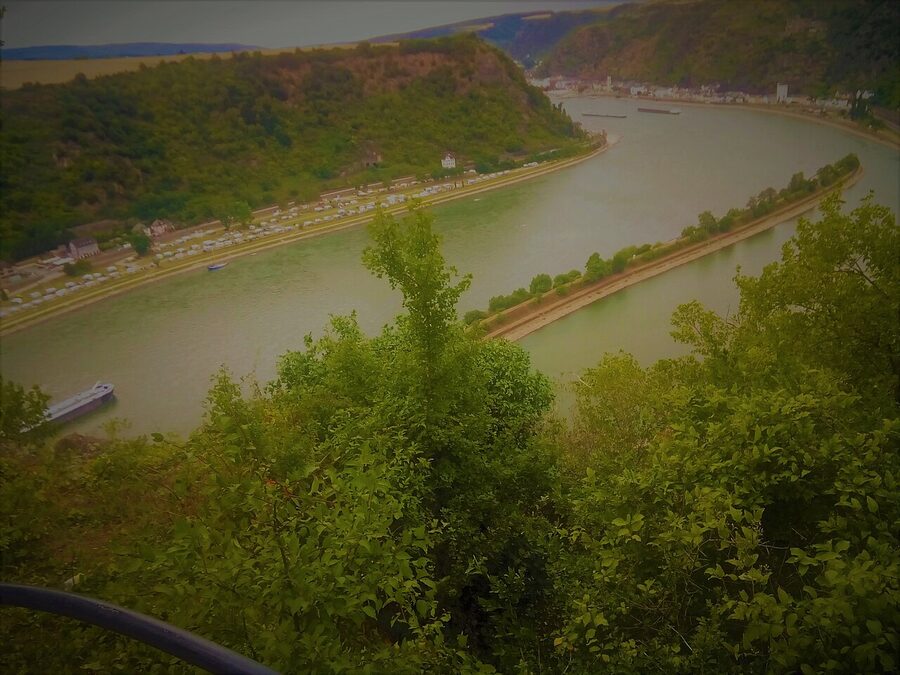
Yes, and the comparison most people skip is the one against Cologne. If you do a Rhine cruise from Cologne, you get a panoramic city loop. The boat traces the Cologne skyline, you see the cathedral from the water, you photograph the Hohenzollern Bridge. It is good. It is a city activity. The Frankfurt trip is something else: it is a coach south to where the river goes through the gorge, and a boat across the bit of the Rhine that the UNESCO listing is actually about.
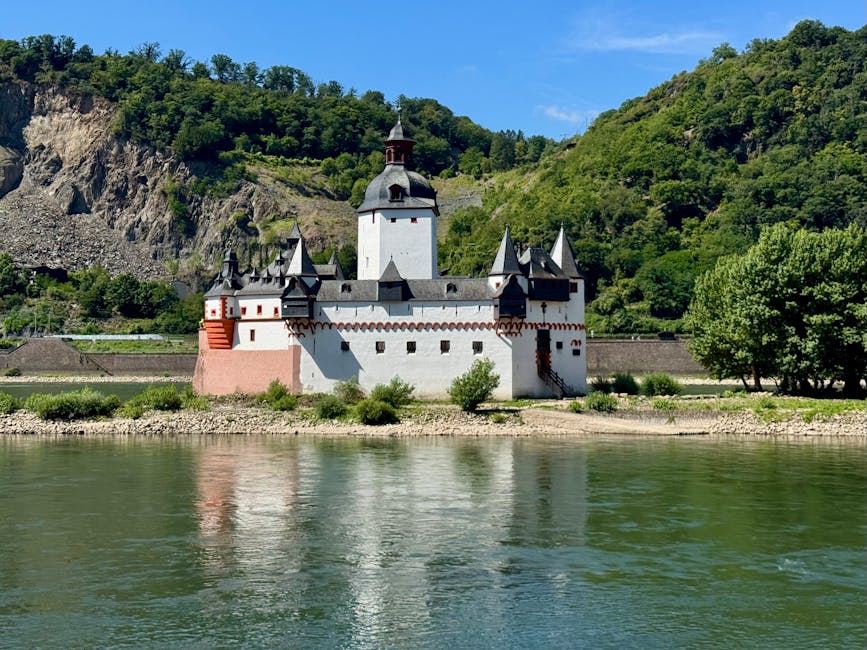
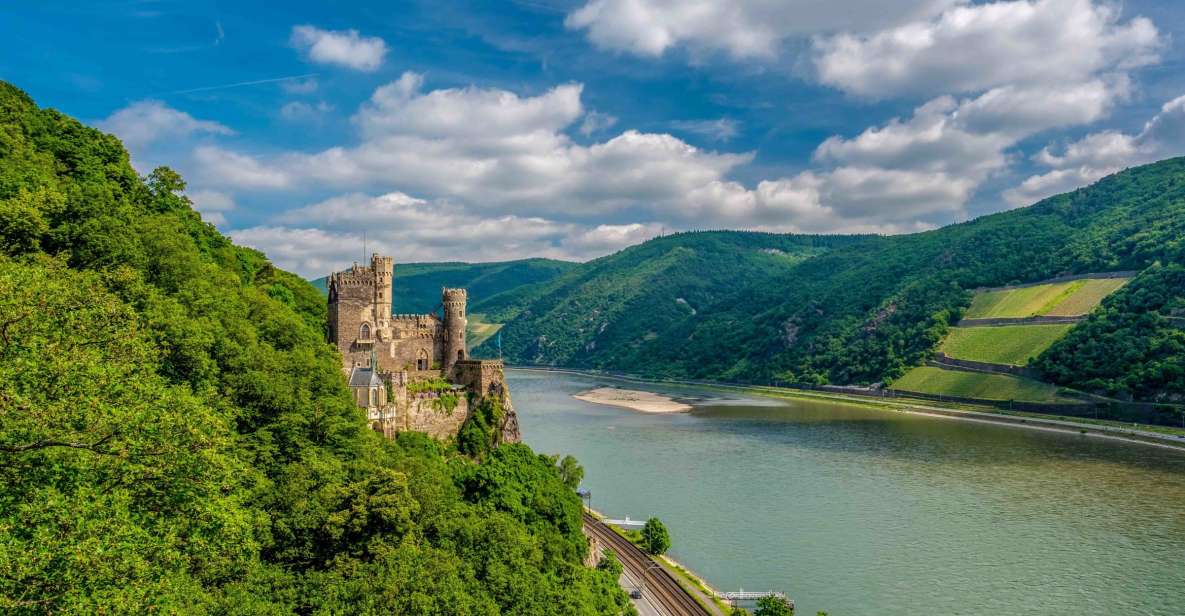
The forty miles of river you cover on this day trip have more medieval castles than any equivalent stretch in Europe. You pass Pfalzgrafenstein sitting on a small island in the middle of the Rhine, you look up at Burg Katz staring across at Burg Maus, and you go around the Loreley bend where the river narrows to a hundred and fifty metres. None of those castles are in Cologne. None of them are reachable from Cologne in a day. Frankfurt is where you go to see this.
What the Standard Day Trip Actually Looks Like
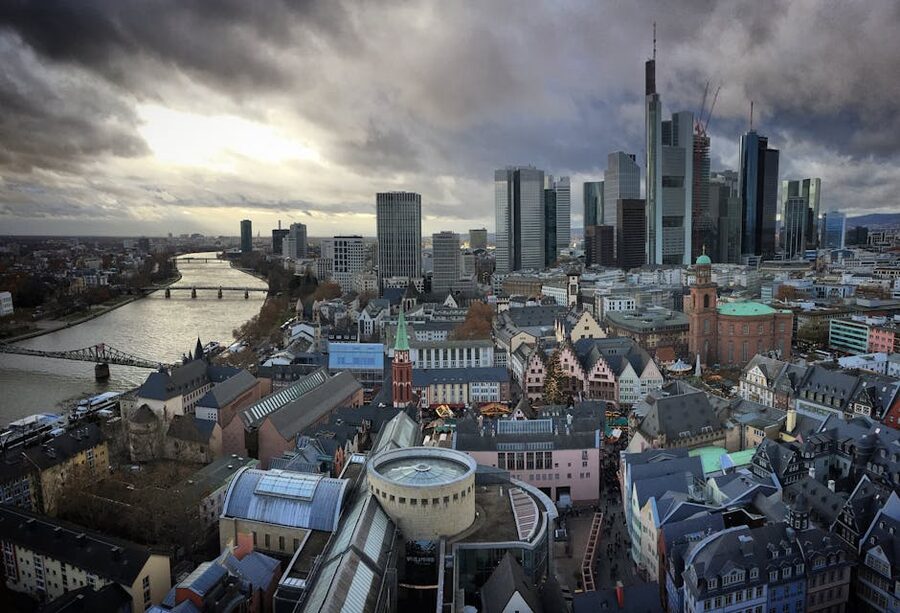
Pickup is between 8am and 9am depending on operator, from a central Frankfurt point. The coach drives roughly an hour south, mostly down the A66 toward Rüdesheim or onto the autobahn south to Bingen. Your guide does the running history during the drive: the Holy Roman Empire, why the Rhine was the wealthiest river in medieval Europe, why every cliff has a castle on it. Most of these guides are good. The two big GetYourGuide and Viator products both score above four stars on review counts well over a thousand, and the recurring complaint is never the guide; it is always either the lunch or the wine tasting.
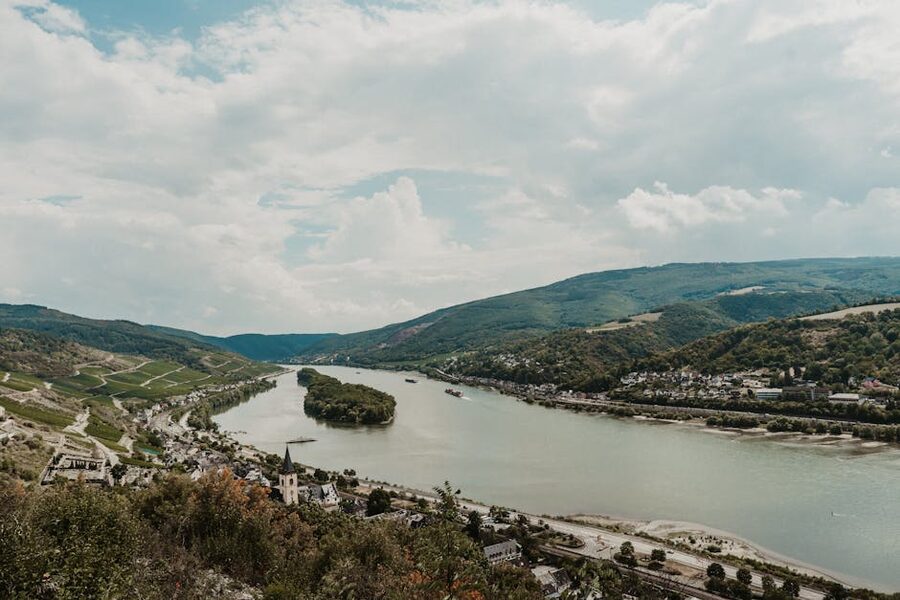
You arrive in Rüdesheim mid-morning. There is usually a short walk through the old town, sometimes a quick stop at the cable car base, and then you board a Rhine river boat for the cruise leg. The boat is the centre of the day. It runs roughly two hours, north along the gorge, past the cliffs and the castles and the Loreley.
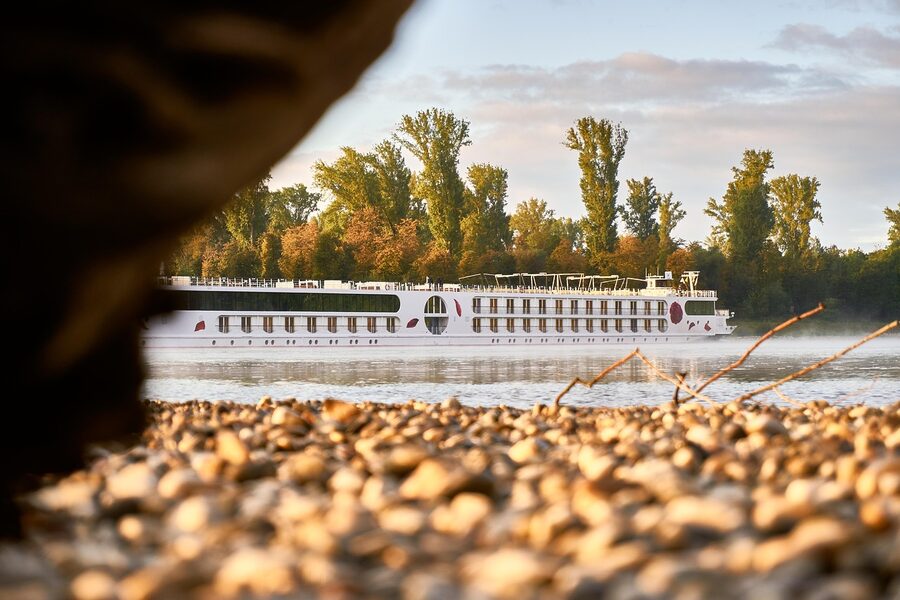
Most tours include lunch at a riverside village, almost always in Assmannshausen or sometimes a sit-down in Rüdesheim itself. The lunch is included in the headline price and the drinks usually are not. After lunch comes a short wine tasting, since this is Riesling country and a tasting is the easy way to plug a forty-minute slot. Then the coach picks you up and you go to the Niederwald Monument viewpoint above Rüdesheim before the drive back to Frankfurt. You are usually back in town by 6pm.
The Cruise: What You Actually See on the Boat
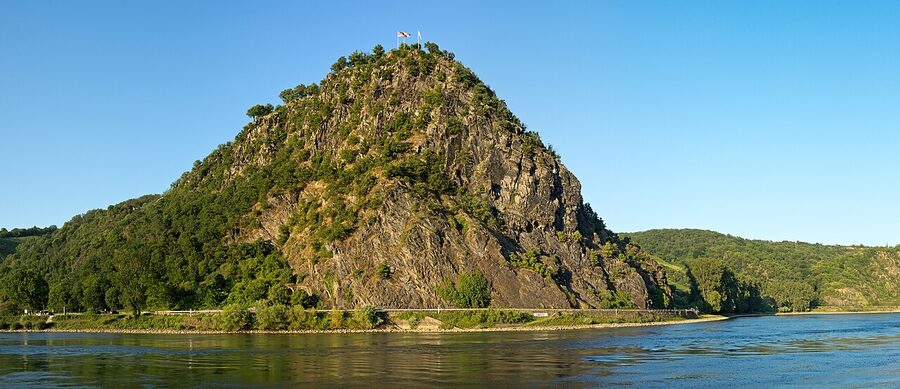
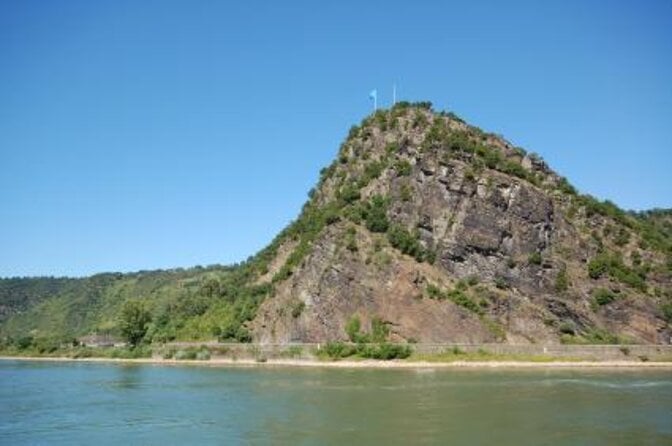
The cruise is the part of the day that stays with you. Boats here run roughly between Rüdesheim and St. Goarshausen, which is the section of the Middle Rhine that the UNESCO listing covers. The Loreley is the most famous landmark, but it is one of about a dozen things you watch slide past in a two-hour stretch.
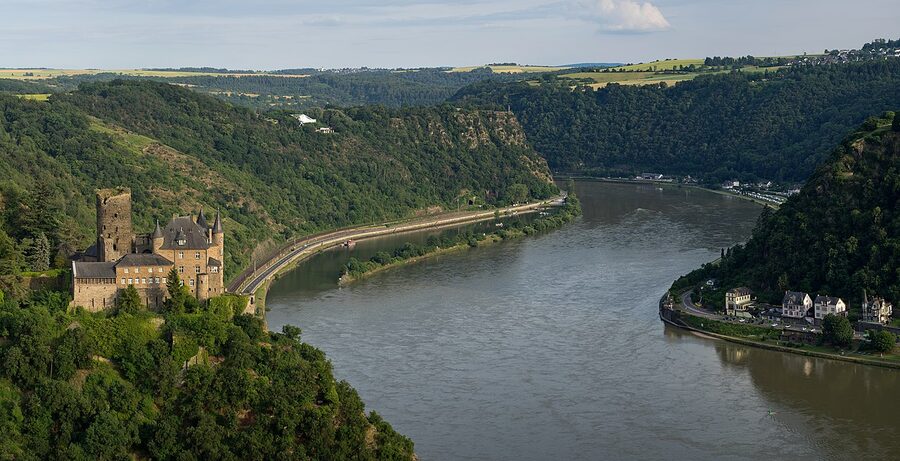
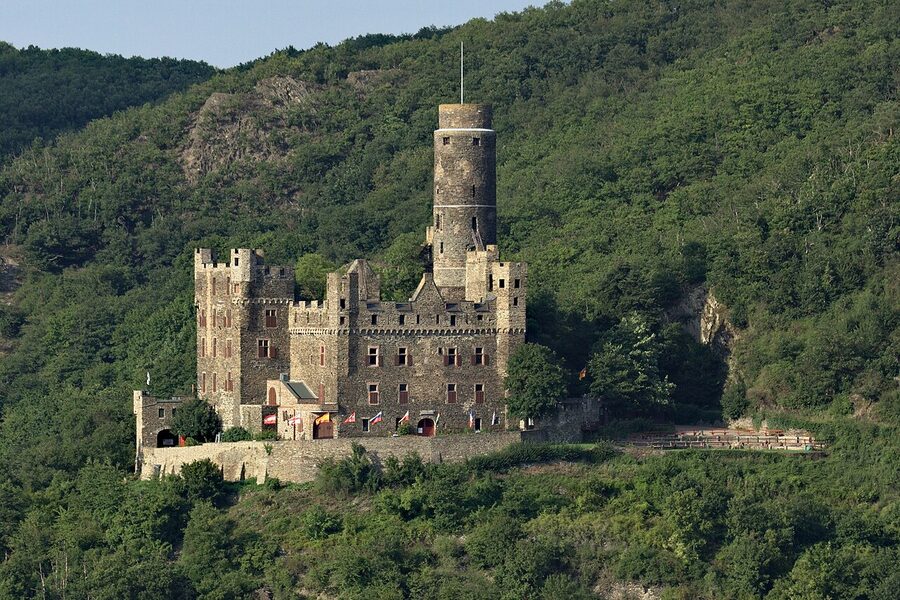
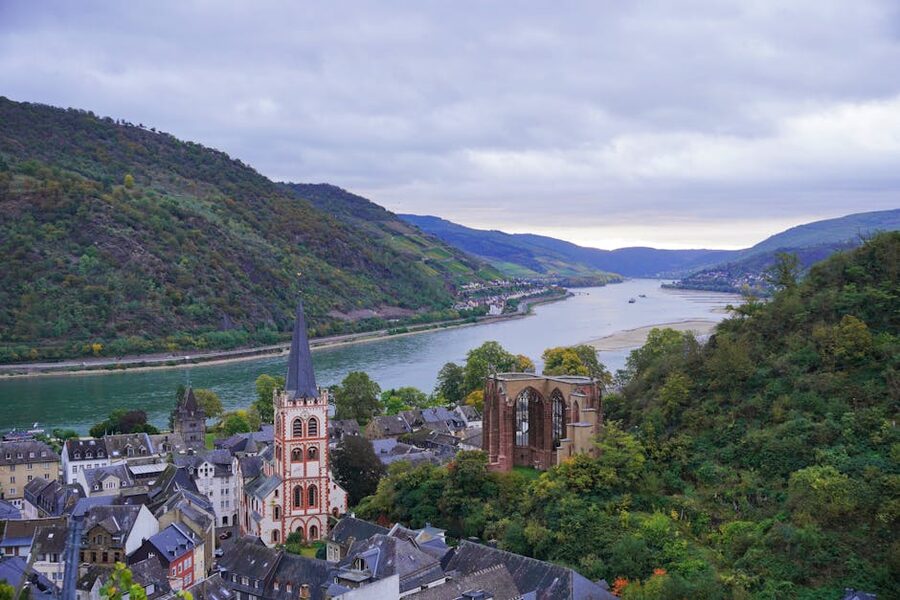
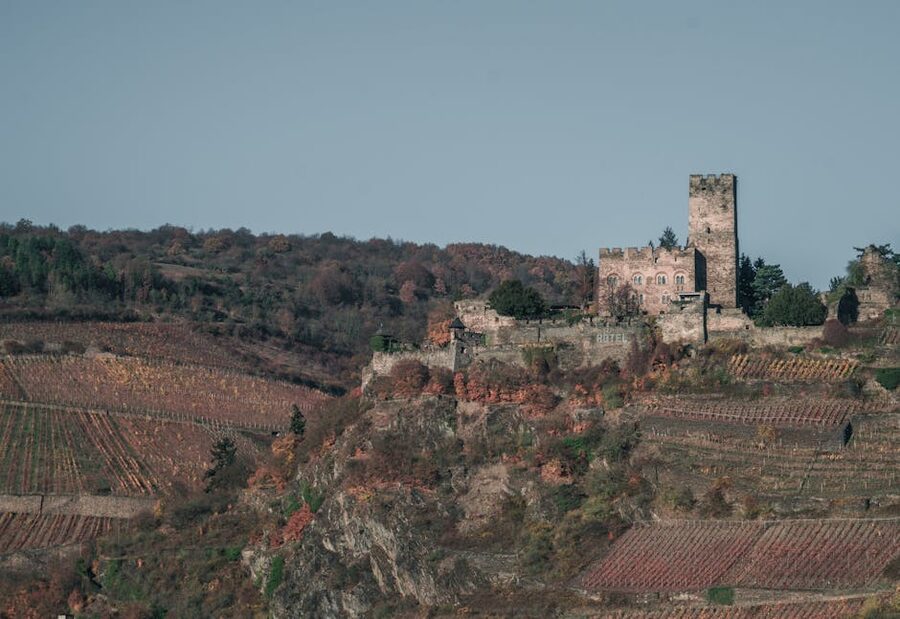
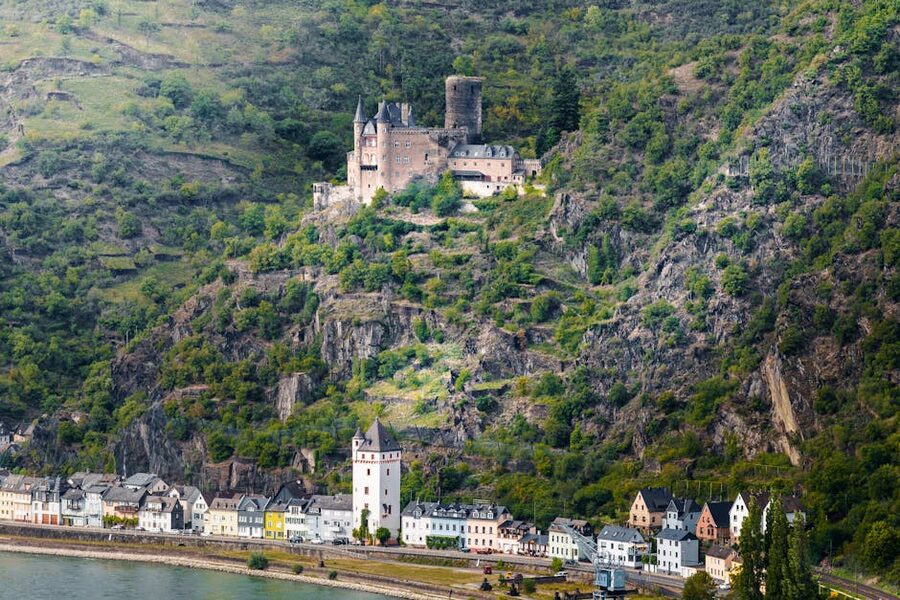
The middle of the cruise is the run past Pfalzgrafenstein, the toll castle on its island. You see Burg Gutenfels above it on the cliff, then a few minutes later you slide past the village of Kaub. After that comes Bacharach with its complete medieval town wall and the ruins of Burg Stahleck. Then a long quiet section, then the Loreley bend itself, then Sankt Goarshausen with Burg Katz, then a final stretch up to Burg Maus.
Where to Sit
Sit on the open upper deck if the weather is anything close to dry. The Rhine cuts a deep gorge here and the views run on both sides, so you turn around a lot. Lower deck is glassed in and warm but the windows do not open, and on a sunny day you spend the whole cruise looking through reflections. Bring a layer. The valley is colder on the water than on the bus, even in July.
The boat docks somewhere around St. Goarshausen or Boppard depending on which operator runs the day. The coach is waiting at the dock. You drive south back along the river road for the lunch stop, and on a clear day you keep getting castle views from the bus window all the way back to Rüdesheim.
Lunch and the Wine Tasting Stop
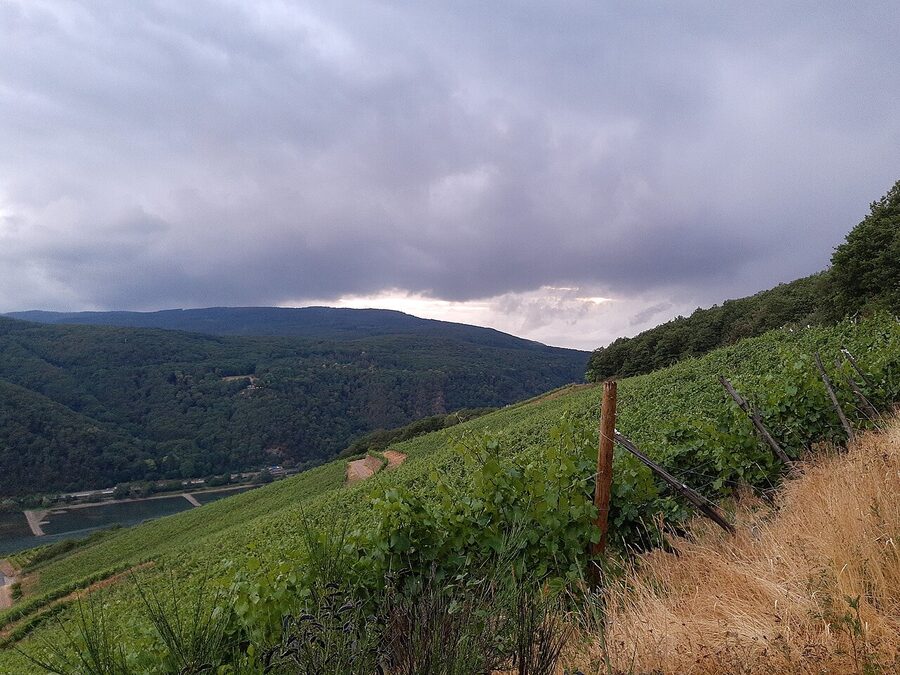
The lunch is the part of the day with the most variable reviews. On the GetYourGuide standard product, lunch is in Assmannshausen at a riverside restaurant with a fixed menu. The food is fine, sometimes a touch tourist-route. The Viator equivalent does its lunch in Rüdesheim itself and is rated similarly. The complaint that crops up most often is that drinks are not included, so a small bottle of water adds 4€ and a glass of wine adds 7€ on top of a tour you already paid for.
The wine tasting comes after. It is short, usually two or three small pours of Riesling and sometimes a Spätburgunder if you are in Assmannshausen. Both Frankfurt-side guides set expectations correctly here: it is not a deep tasting, it is a thirty-minute stop to put a label and a glass to what you have been looking at on the cliffs. The tasting room is usually attached to the lunch venue or a few doors away.
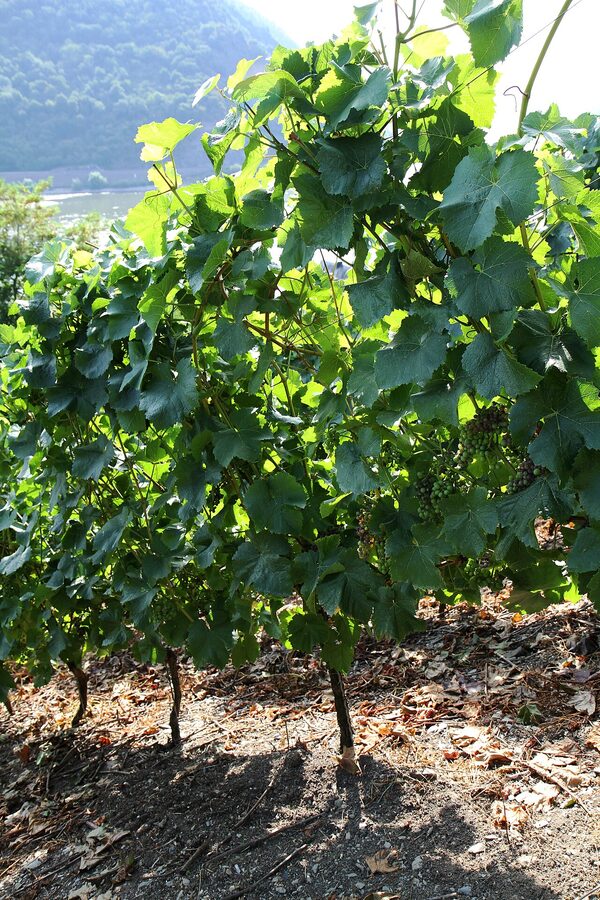
If you are picky about wine, the move is to walk into a Rüdesheim wine bar before the coach leaves and buy yourself a proper glass. The tasting on the tour is fine. It is just not the main event you might be picturing.
Niederwald Monument: The Last Stop
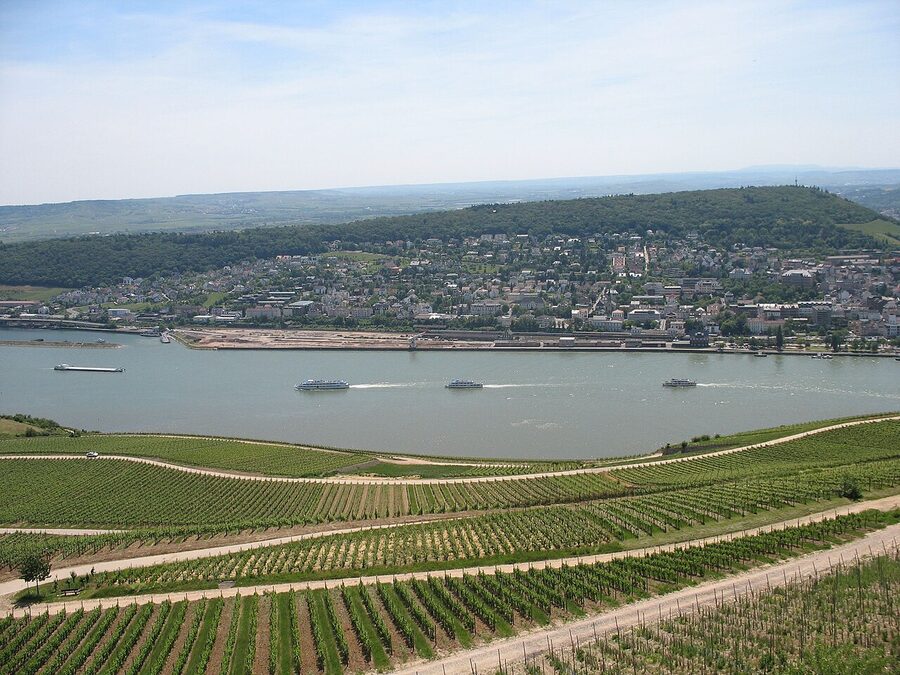
The Niederwald Monument sits on the wooded hill above Rüdesheim. It is a giant 19th-century statue of Germania holding a sword and a crown, built to mark the unification of Germany in 1871. The monument itself is fine. The reason every coach stops here is the view. From the terrace you look down the gorge with vineyards in the foreground and the river snaking away to the north.
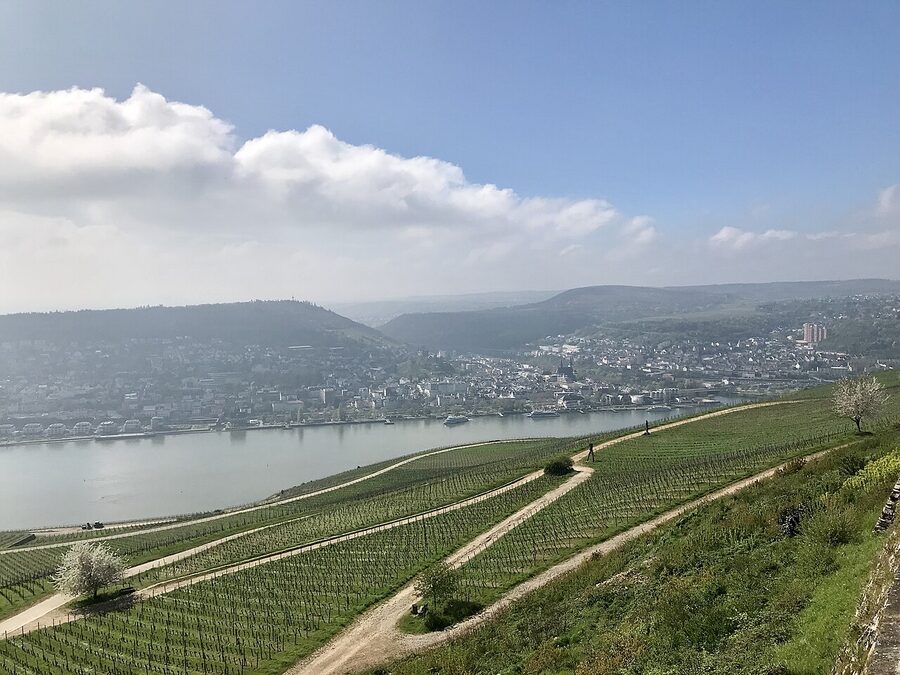
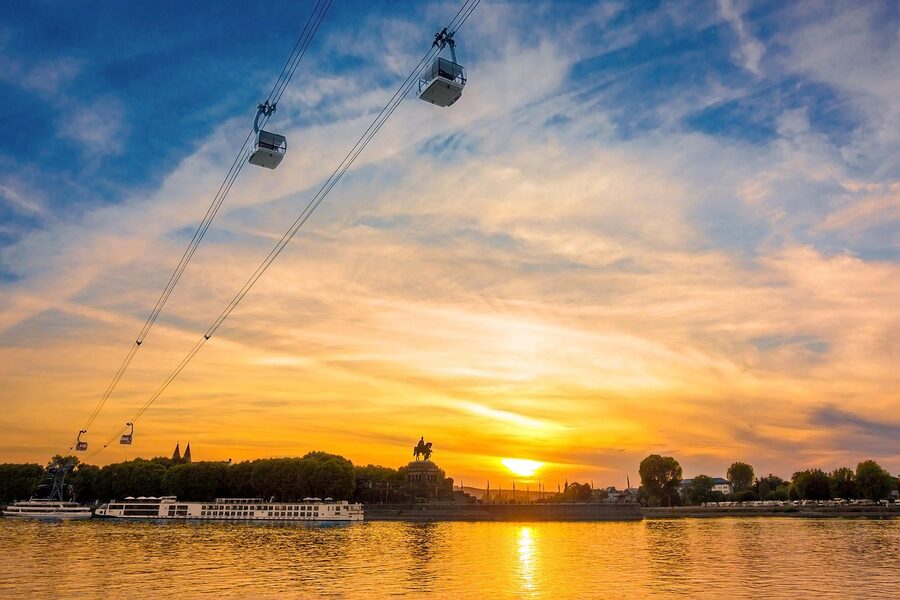
Some operators include the cable car ride down through the vineyards from the monument back into Rüdesheim, which is a small addition that makes a real difference. The cable car runs over the vines and lands you on the Drosselgasse, the famous narrow lane in the old town. If your tour includes it, you get a slow vineyard descent instead of a coach ride down the hill.
Tours That Make Sense to Book
1. From Frankfurt: Rhine Valley Day Trip: $175
This is the one I send people to first. Pickup is at Wiesenhüttenpl. 38, a five-minute walk from the Hauptbahnhof, so it is easy if your hotel is in the city centre. Our full review walks through the included parts versus what you pay extra for. The 4.4-star rating across more than 1,300 reviews puts it well ahead of the other options on volume of feedback alone, and the recurring praise is for the guides knowing the river by feature, not by script.
2. Rhine Valley Trip from Frankfurt with Rhine River Cruise: $167
Where this one differs from the headline product is the choice of half-day or full-day formats, with the half-day skipping the lunch and Niederwald in favour of just the cruise. Our review covers what gets cut on the half-day shape and whether it is worth saving the time for. The 4.0-star average across 1,179 reviews is solid, and the lunch quality is the most common point of friction in the feedback, so adjust expectations accordingly.
3. Baden-Baden, Black Forest and Strasbourg Day Trip: $354
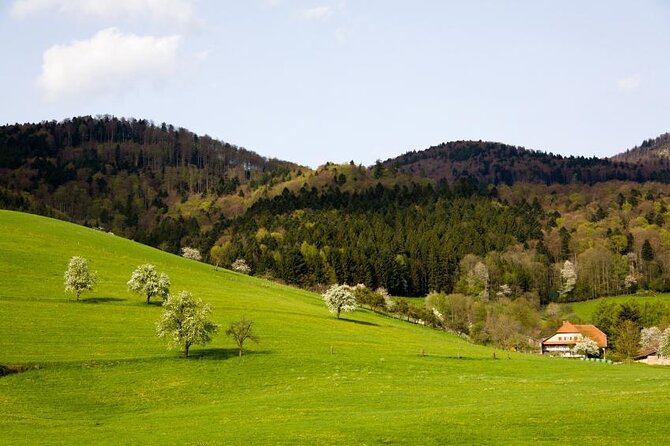
I include this here because the question I get most after “is the Rhine worth a day?” is “what do I do for my second Frankfurt day trip?” Eleven hours, three countries’ worth of small-town atmosphere, and a price that reflects that scale. Our review covers how the time gets split between stops; the honest summary is that Strasbourg gets the most of it. If you like the Rhine cruise day trip and you have a second day in Frankfurt, this is the obvious next move.
Going By Train Instead of a Tour
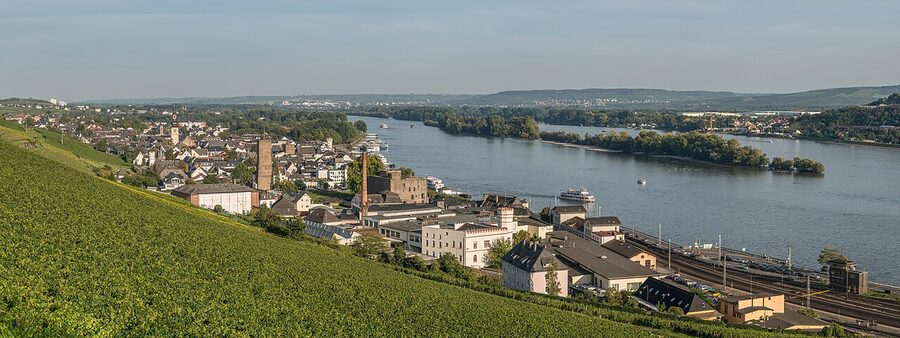
You can do the Rhine Valley by train from Frankfurt without a tour, and for some people this is a better day. The catch is the planning. From Frankfurt Hbf you take a regional train to Rüdesheim, then walk to the KD ferry dock, then buy a one-way Loreley cruise ticket to St. Goar, then a return train from St. Goar’s small station back to Frankfurt via Mainz. That is four legs and three separate ticket purchases.
The cost works out around 40€ to 80€ per person depending on the regional VRN day pass versus individual ICE tickets. So you save at least half the price of the tour. What you give up is the running commentary on the boat, the Niederwald viewpoint stop (which the public buses do reach but slowly), and the included lunch. If you have done a Rhine valley tour before and you just want to be on the boat at your own pace, the train is the better option.
Best Time of Year
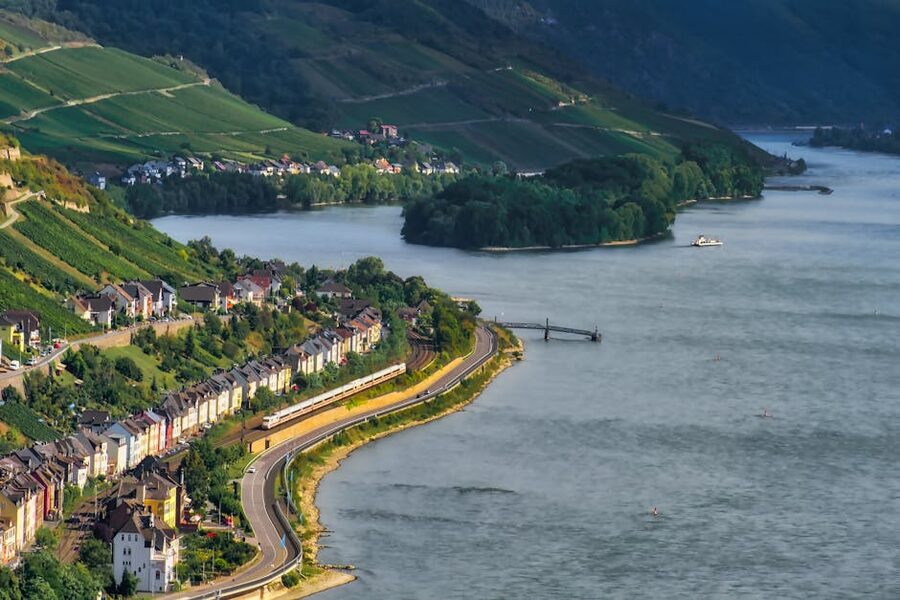
The window for this trip is May through October. The Rhine boats run all year but the cruise schedule thins to a couple a day in winter, and the Niederwald cable car closes from December through March. Late September into early October is the sweet spot: the vineyards turn yellow on the slate slopes, the harvest is on, and the gorge has the best light it gets all year. July and August are warm and busy. May and early June are quieter and the river still runs cold from the Alps.
The Castles You See Beyond Loreley
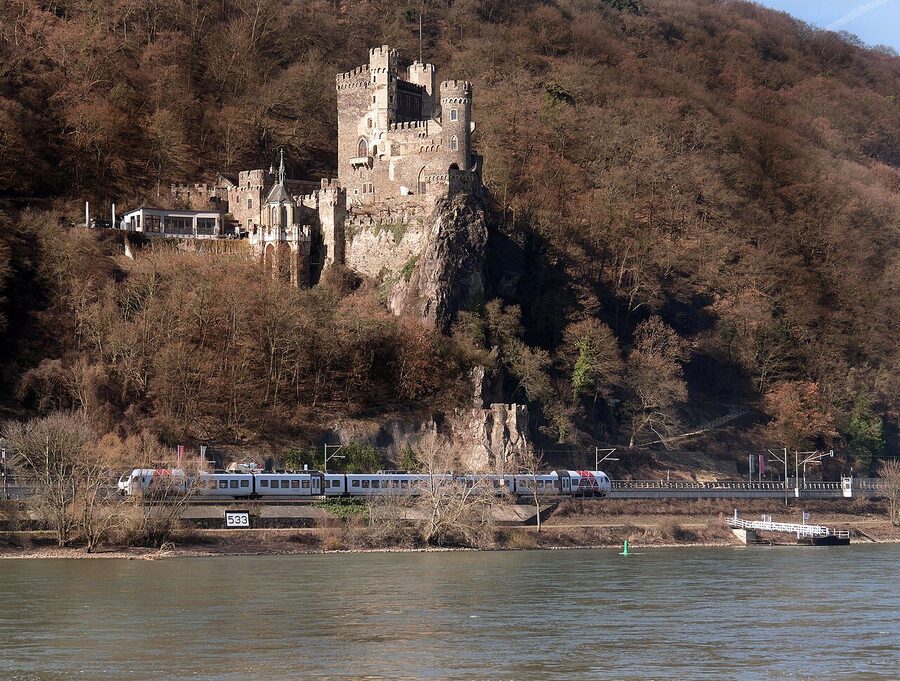
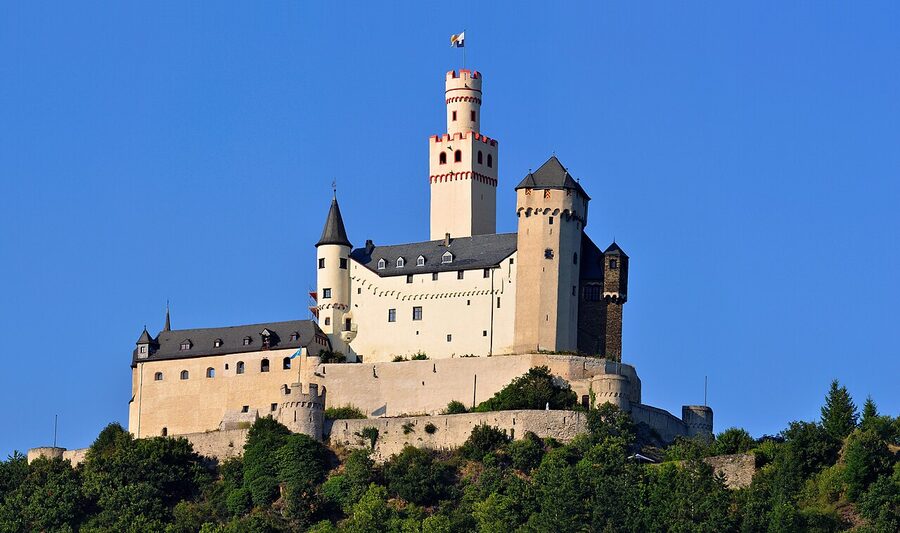
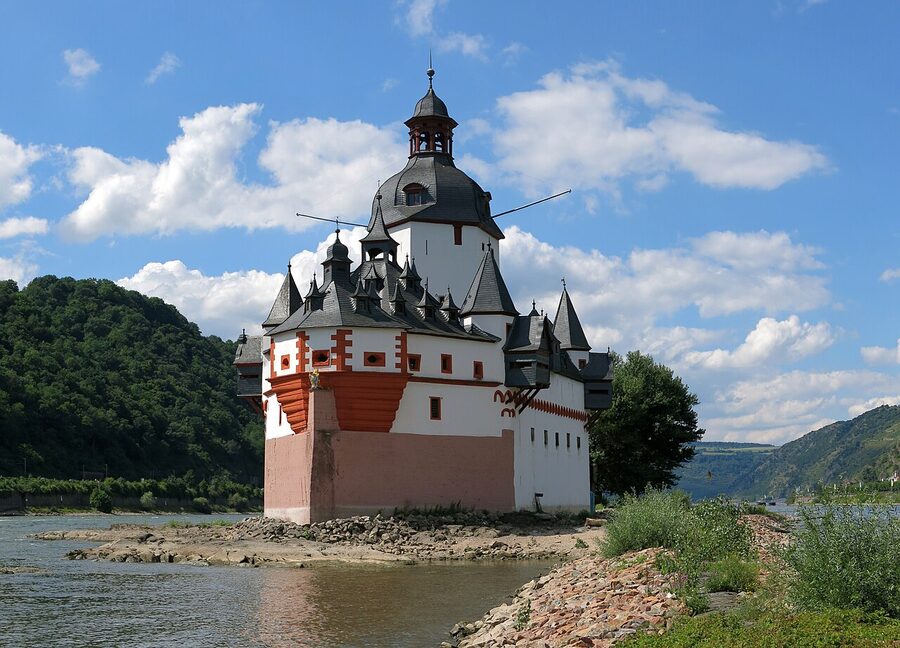
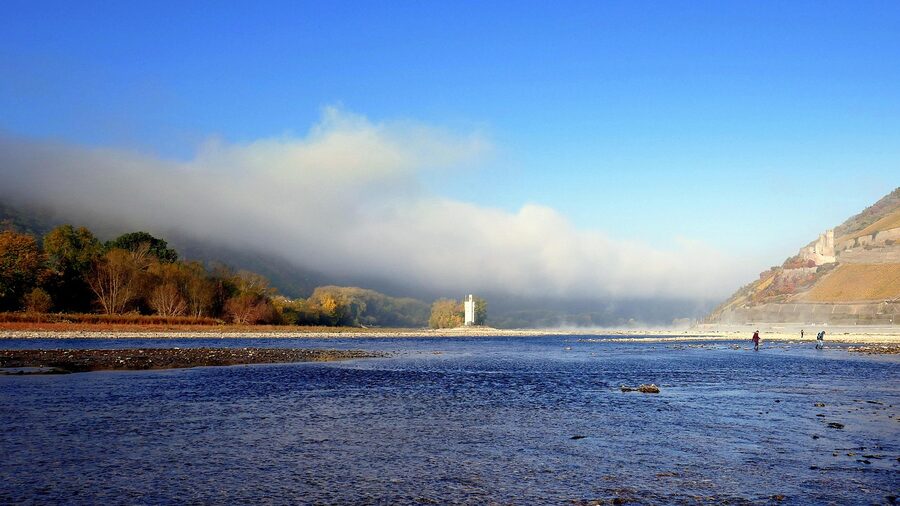
The cluster you see on the standard cruise is dense. From south to north you go past the Mouse Tower at Bingen, then Burg Rheinstein, then Reichenstein, then Sooneck, then Stahleck above Bacharach, then Pfalzgrafenstein on the island with Gutenfels above Kaub, then Schönburg above Oberwesel, then Burg Katz, then the Loreley, then Burg Maus. Ten castles in two hours. None of the standard day trips go far enough north to reach Marksburg or to dock in Koblenz; if you want those, you need to book a longer trip or come back another day.
What to Pack for the Day
Bring a layer. Even on a 28°C July day, the open upper deck of the boat gets cold from the river wind once you are moving. A light jacket is enough; a fleece is overkill but not wrong in shoulder season. Bring cash for drinks at lunch, since not every village restaurant takes cards on a tour-group order, and for tipping the driver and guide if that is your habit (5€ each is normal for a half-day, 10€ each for the full eight-hour version).
Bring sunscreen. The gorge funnels light back off the water and you burn faster than you would expect on a German afternoon. Bring a phone with offline maps loaded for Rüdesheim if you want to explore on a free pocket of time, since reception in some of the cliff stretches drops out. Skip the umbrella; on the open deck you get rain in the face anyway.
If You Want to Stay Overnight Instead
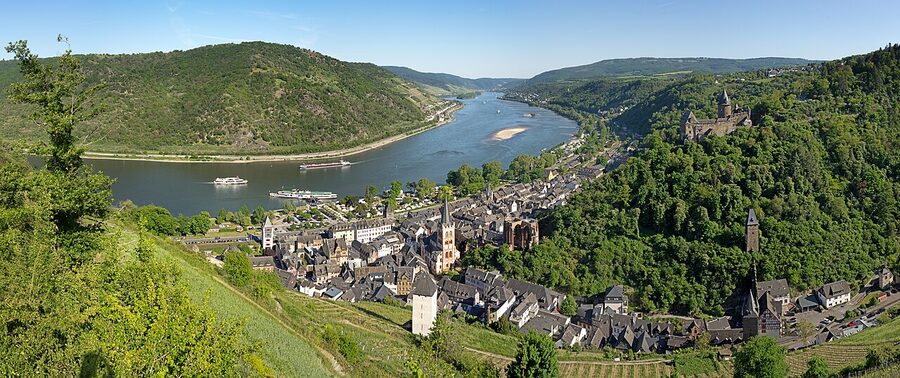
One thing the day trip does not give you is dawn or dusk light on the river. The boats run during the day, and you are back in Frankfurt by 6pm. If you have an extra night to spare, Bacharach and Sankt Goarshausen both have small hotels in restored medieval houses, and the gorge in early morning before the day-trippers arrive is a different experience. The downside is logistics: from Frankfurt the train takes 75 minutes to Bacharach, then you need to get yourself onto the boat the next day on your own. A two-day plan suits people who already know they like the Rhine.
Pairing This With Your Other Frankfurt Days
If the Rhine Valley is one day of three or four in Frankfurt, the natural pair is a short Main River cruise from the city centre on a different day, since it gives you the city skyline from the water without making you compete with the gorge for attention. Pair it with a Frankfurt walking tour the morning of arrival or a slow evening, and you have built a balanced three-day stay: one urban day, one river day in town, one big day out at the gorge.
The other natural pair is Heidelberg from Frankfurt. The two day trips work well in either order; do Heidelberg first if you want a more compact, castle-focused day, and the Rhine second when you have the rhythm of the coach-and-attraction shape. Heidelberg is the shorter of the two and gets you back to Frankfurt with time for an evening, where the Rhine day will have you wanting an early dinner and a bath.
How This Compares to a Cologne Rhine Cruise
I get this question often enough to put it on the page. A Cologne panoramic cruise is a city activity. You see the cathedral, the Hohenzollern Bridge, the LANXESS Arena, the Rheinauhafen warehouses. You are on the Rhine for an hour, and you stay in sight of Cologne the whole time. It is a good ninety minutes if you are in Cologne; it is not a substitute for the Frankfurt day trip.
The Frankfurt Rhine Valley trip is a different river entirely. Same water, very different stretch. You leave the urban Rhine behind, you drive an hour south, and the boat picks you up in the gorge. The castles, the slate cliffs, the UNESCO designation, the Loreley, the cluster of medieval villages. All of that is the Frankfurt-side experience. If you have one day for the Rhine and you are flying into either city, fly into Frankfurt and book this trip. If you are already booked into Cologne, do the city cruise there for what it is and add the Frankfurt day trip on a separate visit.
What This Trip Pairs Well With
On a longer German itinerary, the Rhine Valley fits neatly between Frankfurt and the south. After the river day, the natural next move is to head deeper into the south of Germany. Neuschwanstein on a Munich day trip is the closest equivalent castle experience, and the contrast is sharp: Neuschwanstein is one fairytale castle by Ludwig II in 19th-century Romantic taste, while the Rhine gives you forty real medieval ones over forty miles. Different things. Both worth doing if you have the days. Rothenburg from Munich is the other castle-and-walls day trip that pairs well, especially if you liked Bacharach on the cruise and want a longer walk through the same kind of preserved medieval town.
Closer to Frankfurt, the comparison day is Heidelberg’s Old Town for the riverside-castle-Old-Town shape on a tighter scale. The Cologne day trips on this site work well in the opposite direction if you are heading north afterwards: a Cologne Old Town walking tour and a Kölsch brewery evening add the urban Rhine bookend to the wild gorge you saw on this trip. Three different Rhines in one trip, all in a single week.