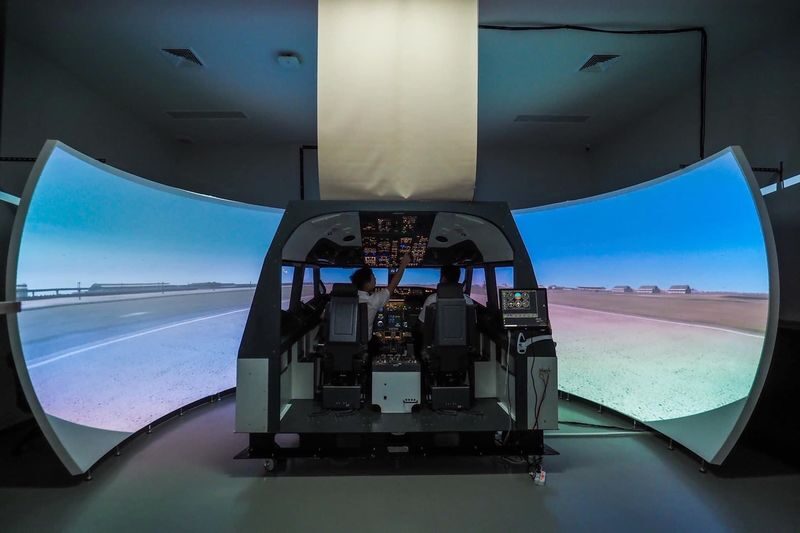
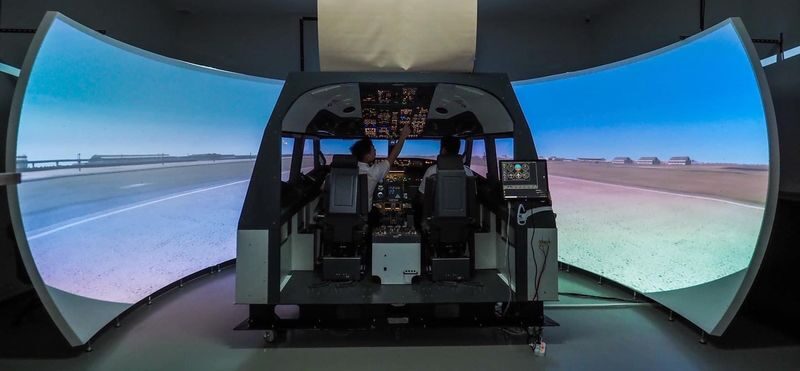
A full-size airline cockpit is an unusual place to spend an hour in Nonthaburi. At Flight Simulator BANGKOK, you take the controls of a Boeing 737-800NG or a Cessna 172S-G1000, with a current commercial airline pilot guiding you through the basics and helping you tackle real flight procedures.
I like two things in particular: you can choose between the big-jet cockpit and a training aircraft with a glass cockpit, and you are not expected to know how to fly before you arrive. The instructor can guide you from engine start through takeoff and approaches, so the session can be a first taste of flying or focused practice for someone already learning.
The main consideration is that this is a fixed-base simulator, not a flight in an aircraft. You also need to book ahead, and the stated hours differ slightly across the available information, so confirm your appointment time before setting out.
- What to know before you book
- Choosing between the Boeing and Cessna
- From briefing to takeoff
- What the instructor adds
- A realistic simulator, not a joyride
- How long to book, and what it costs
- Finding the academy in Nonthaburi
- Who will get the most from it
- Should you book Flight Simulator BANGKOK?
- FAQ
- Is previous flying experience required?
- What aircraft can I choose?
- How long are the sessions?
- What can I practise in the simulator?
- What is the minimum age?
- Where is Flight Simulator BANGKOK?
- What are the opening hours?
- Do I receive a certificate?
- More Tours in Nonthaburi
- More Tour Reviews in Nonthaburi
- Not for you? Here's more nearby things to do in Nonthaburi we have reviewed
What to know before you book
 1 / 9
 2 / 9
 3 / 9
 4 / 9
 5 / 9
 6 / 9
 7 / 9
 8 / 9
 9 / 9
- Two very different cockpits: Choose the Boeing 737-800NG for the feel of an airliner or the Cessna 172S-G1000 for a smaller training aircraft.
- A pilot at your side: A professional airline pilot supervises the session and can adjust the guidance to your experience.
- Pick your session length: Both aircraft are offered in 30-, 60-, and 90-minute options.
- Practise more than takeoff: You can work through engine start, taxi, takeoff, manual flying, approaches, ILS autoland, and crosswind landings.
- Ages seven and up: The activity is open to participants aged 7 or older, and certificates are issued after sessions.
- Book at the university academy: The simulator is at Dhurakij Pundit University Aviation Academy in Nonthaburi, with parking on site.
Choosing between the Boeing and Cessna
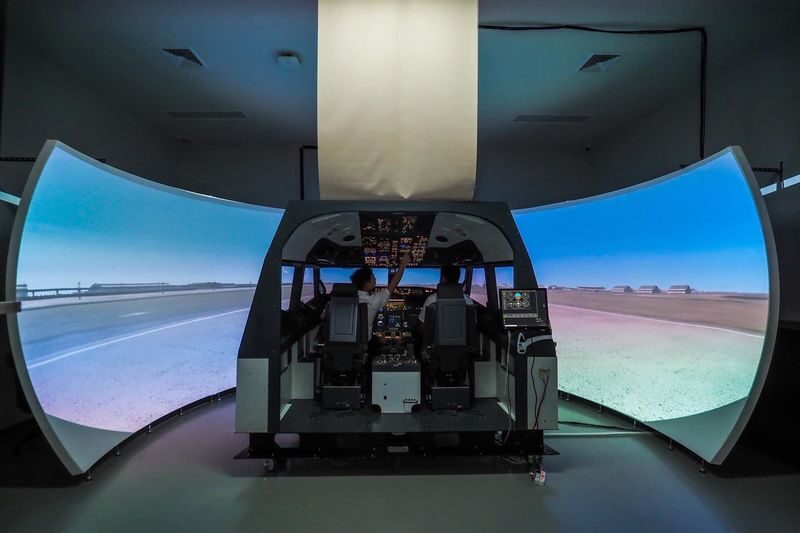
The Boeing 737-800NG is the choice for anyone drawn to commercial aviation. Its full-size cockpit puts you among the controls of a widely flown passenger jet, and the session can introduce procedures associated with airline operations. The simulator is MOLT certified, according to the activity details.
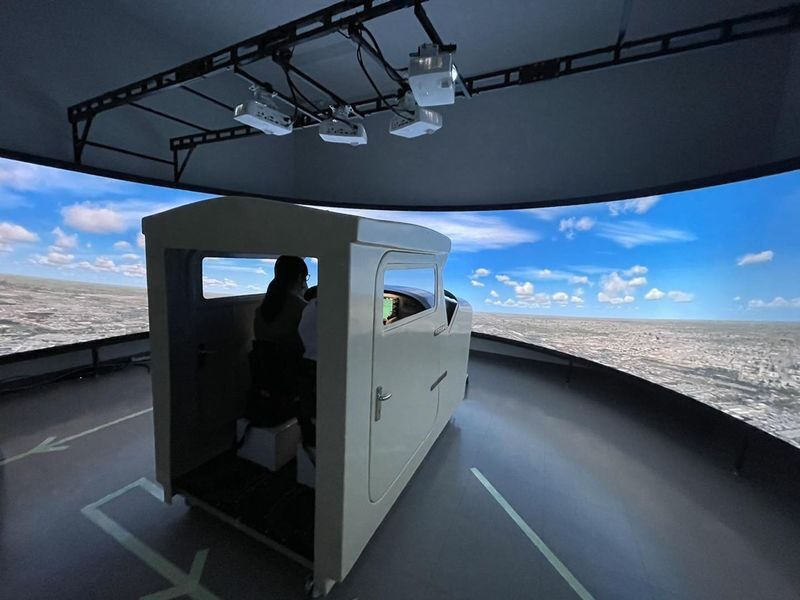
The Cessna 172S-G1000 offers a different kind of session. It is a standard aircraft for primary flight training, and its glass-cockpit instruments let you work with the digital displays used in modern aviation. The Cessna simulators are CAAT certified, and there are two of them at the academy.
I would choose based on what you want to learn, not just which cockpit looks more impressive. The Boeing is a natural fit for an aviation fan who dreams of flying an airliner, while the Cessna may suit a student pilot or anyone curious about the fundamentals of flight training.
The Cessna is also the listed option for the included 30-minute admission. Other packages are available for both aircraft, so check that the cockpit and duration you intend to book match the selection at checkout.
You can also read our reviews of more tours and experiences in Nonthaburi.

From briefing to takeoff
The session begins with a concise briefing. You do not need prior flight experience: the instructor can explain the controls and walk you through the steps, with the aim of letting you take an active role rather than simply sit back and watch.
From there, you can work through engine start and taxi before attempting a takeoff. These steps are useful even for a beginner. They show that flying is a series of tasks and decisions, not just holding a control stick and looking out at a screen.
Once airborne, you can try manual flying and work toward approaches at airports you choose. That ability to pick a destination gives you a chance to shape the session around your interests, though you should ask the instructor what is practical within your booked time.
The experience can also cover ILS autoland, crosswind landings, and glass-cockpit workflows. These are not simply extra buttons to press: they offer a glimpse of the procedures pilots practise and the choices they make as they prepare to land.
A 30-minute session will necessarily move quickly if you want to cover several stages. I would treat that length as a first taste or a focused lesson on one aircraft and a few key tasks. The 60- or 90-minute options give you more time to settle in and spend longer on the parts that interest you.
What the instructor adds
The simulator is only part of the appeal. A professional pilot supervises the session, explains the process, and can help you make sense of what is happening at each stage. That support matters for first-timers, who may otherwise find a cockpit full of switches and displays a bit like a very serious puzzle.
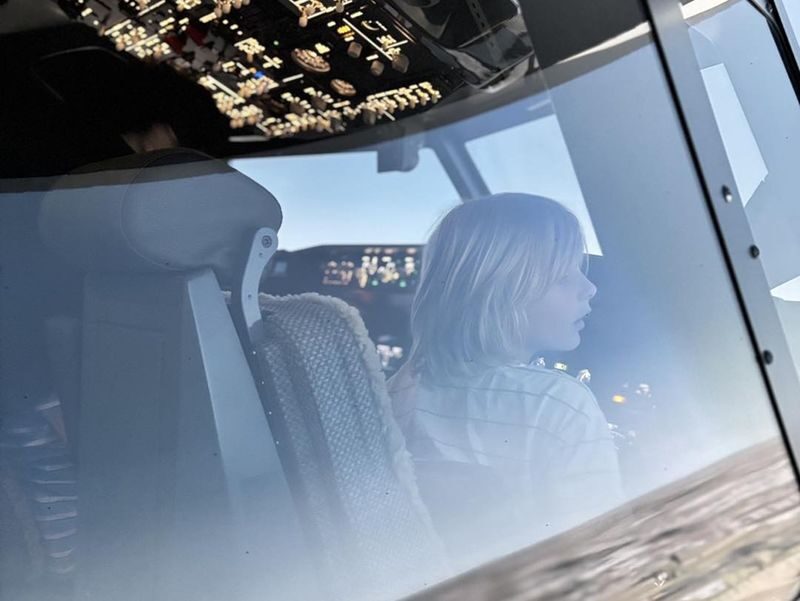
The team has been praised for patience and for taking time to tailor sessions to the person at the controls. One family session involved an eight-year-old in the Boeing cockpit, and the instructor helped make the hour accessible and memorable for him. The stated minimum age is seven, so this can be a good choice for a young aviation fan who is ready to listen and follow instructions.
The same flexibility can matter to student pilots. A Cessna session has been used for proficiency practice, with the simulator described as modern and well maintained. If you have specific skills you want to work on, tell the instructor before the session starts so you can make good use of your time.
You receive a certificate, which makes a nice keepsake for a child or a first-time flyer. It is a certificate from the simulator experience, not a pilot qualification, but it gives the session a satisfying finish.
A realistic simulator, not a joyride
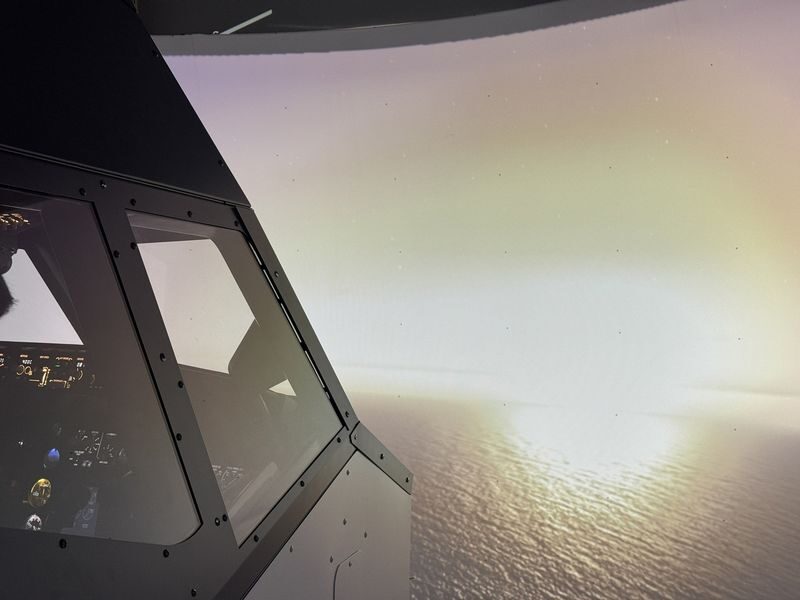
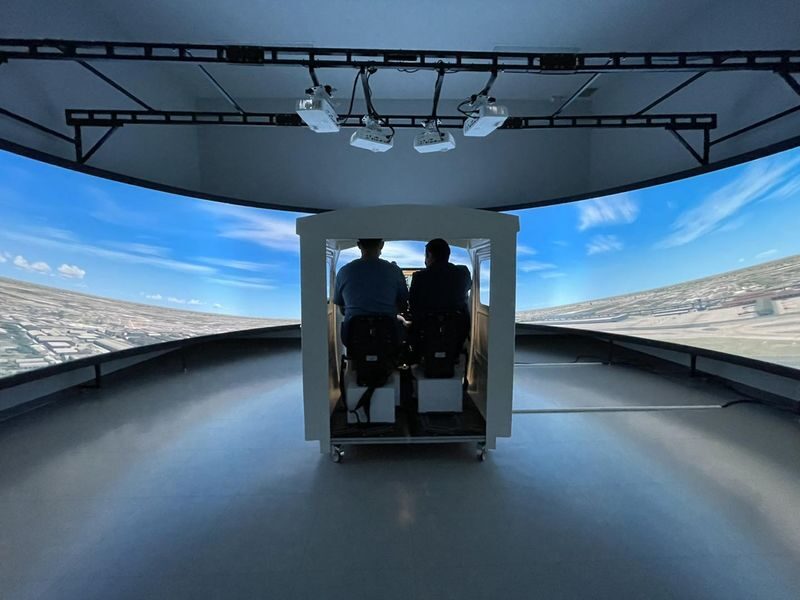
It helps to set the right expectations. This is a fixed-base simulator, so you are practising in a full-size cockpit rather than going up in an actual aircraft. The point is to work with controls, displays, and procedures in a supervised setting.
That distinction is a plus for many people. You can explore the cockpit and practise flight tasks without needing to arrange a real flight, and an instructor can pause to explain what is happening. If you are looking for the physical sensation of a takeoff or the view from a real plane, this will not replace that.
For an aviation enthusiast, the value is in the details and the chance to take the controls. For a career explorer or STEM group, the simulator offers a practical way to connect technical ideas with a real cockpit layout. Families can make it a special outing, especially if a child already has a strong interest in planes.
How long to book, and what it costs
The package prices provided are:
- Cessna 172S-G1000: 30 minutes from US$104.25, 60 minutes from US$133.99, or 90 minutes from US$184.65.
- Boeing 737-800NG: 30 minutes from US$133.99, 60 minutes from US$184.65, or 90 minutes from US$253.10.
The activity’s headline price is listed as starting at US$114.65, which differs from the Cessna 30-minute package price above. Since prices can vary, check the amount for your chosen aircraft and duration when booking.
The shorter sessions cost less, but they leave less room to learn the cockpit, complete the briefing, and try multiple flight stages. If you are buying this as a gift or bringing a child, 60 minutes may be a more comfortable balance. Serious aviation fans and student pilots may get more from 90 minutes, particularly if they want time to work on a specific skill.
The Boeing costs more than the Cessna at each listed duration. That premium may be worthwhile if the airliner cockpit is the main reason you are going; otherwise, the Cessna offers a less expensive path into hands-on simulator flying.


Finding the academy in Nonthaburi
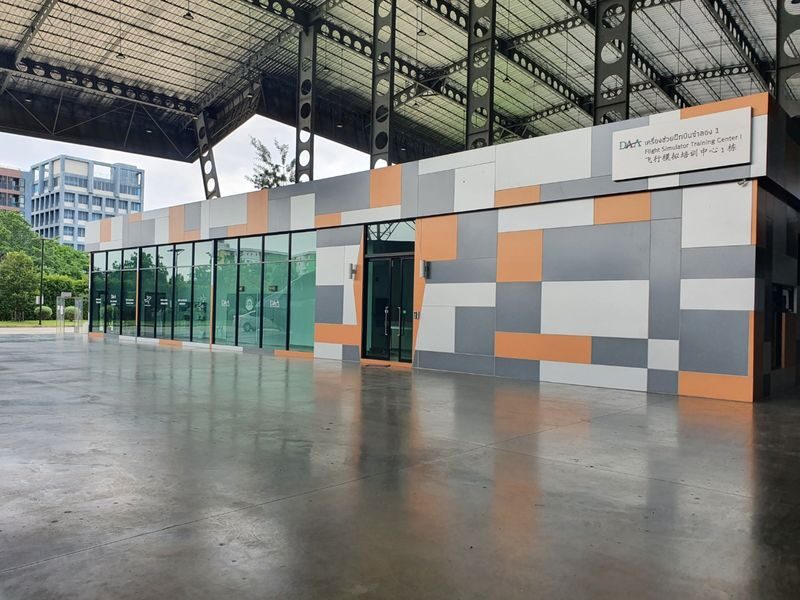
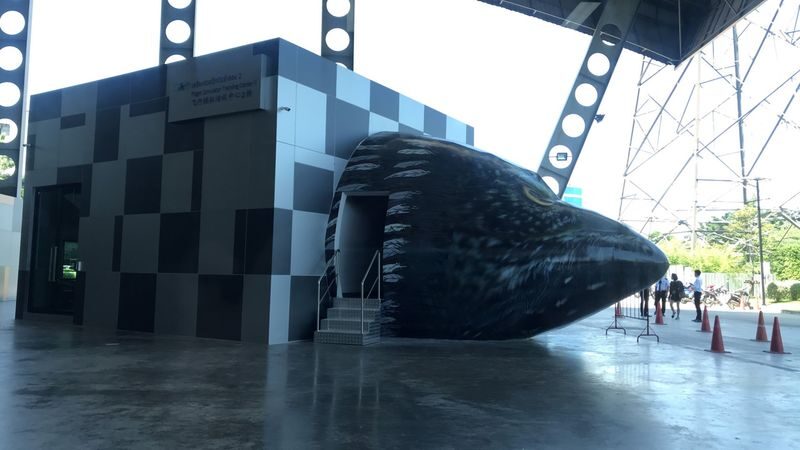
The address is 49/61 Pracha Cheun Road, Mueang Nonthaburi District, at Dhurakij Pundit University Aviation Academy. The academy has a large parking area. After parking, look for the building with a bird-head design; the simulator office is inside and is marked on Google Maps.
This is in Nonthaburi, not central Bangkok, so allow time to reach the university and find the correct building. The activity is by appointment, and the hours need a little checking: the general information gives daily hours of 09:00 to 17:00, while the address and opening-hours details give 09:00 to 16:00. Confirm your booking time directly rather than assuming the later closing time applies.
Bring the voucher in the Klook app. The voucher is valid only on the date and time specified, and late arrivals can lose the session: the terms say no refund is available for participants who arrive 10 minutes or more late or miss the appointment. Give yourself a buffer.
Who will get the most from it
This works especially well for aviation enthusiasts, student pilots, and curious children aged seven or older. It also suits families looking for a focused activity with a clear subject, or university and corporate groups interested in aviation and technical skills.
For a first-time flyer, the Cessna is an approachable way to learn the basics with an instructor nearby. For someone who already knows the difference between a cockpit and a cabin, the Boeing offers a bigger-aircraft setting and a chance to work through airline-style procedures.
The main drawback is that the experience depends on your interest in the process. If you want a quick thrill ride or the physical feel of actual flight, a stationary simulator may not be your best match. If you enjoy learning how a plane is operated, you can get a lot out of even a short session.
Should you book Flight Simulator BANGKOK?
Book it if you want more than a cockpit photo and are curious about the work involved in flying. The choice of aircraft, one-to-one guidance from a professional pilot, and hands-on practice make this a practical introduction to aviation, with longer options for people who want to build on the basics.
Before paying, confirm the session length, aircraft, appointment time, and current price. I would lean toward 60 minutes for a first visit: it leaves more breathing room than the half-hour option without committing to the longest session. If the person at the controls is a serious aviation fan or student pilot, 90 minutes may be the better fit.
Flight Simulator BANGKOK
“Yesterday our 8-year-old son had the best experience taking the 60-minute course in the 737 cockpit simulator. The pilot instructor was fantastic w…”
FAQ
Is previous flying experience required?
No. The session is open to beginners, and an instructor guides you through the simulator.
What aircraft can I choose?
You can book a Boeing 737-800NG or a Cessna 172S-G1000 session.
How long are the sessions?
Both aircraft are offered in 30-, 60-, and 90-minute options.
What can I practise in the simulator?
The session can cover engine start, taxi, takeoff, manual flying, approaches, ILS autoland, crosswind landings, and glass-cockpit workflows.
What is the minimum age?
Participants must be at least 7 years old.
Where is Flight Simulator BANGKOK?
It is at Dhurakij Pundit University Aviation Academy, 49/61 Pracha Cheun Road, Mueang Nonthaburi District, Nonthaburi 11000.
What are the opening hours?
The general operating information says daily 09:00 to 17:00, while the address and opening-hours details say daily 09:00 to 16:00. The activity is by appointment, so confirm your booked time before you go.
Do I receive a certificate?
Yes. A certificate is issued after the session.

