The Exploratorium turns science into something you can touch, test, and sometimes set in motion. Make a small earthquake, watch a tornado form, or see how a giant mirror alters your reflection. This is a working museum, not a quiet gallery, and children are encouraged to use the exhibits.
I like the way the displays make big ideas concrete, and I like the range: biology and physics sit alongside art, perception, and questions about how people behave. That mix gives you more to talk about than a roomful of buttons and lights.
The main drawback is that the museum is vast, and the information at some exhibits may not hold a child’s attention for long. At 3.3 acres, you will need comfortable shoes and a plan to take breaks rather than trying to do everything in one pass.
What to know before you go
- Make science hands-on: Test displays about earthquakes, tornadoes, reflections, biology, and human perception.
- Set aside several hours: Some families spend most of the day here, and a half-day may still leave exhibits unseen.
- Go at your own pace: Admission is self-guided. There is no tour guide included.
- Expect a broad age range: Children from preschool age through high school can find things to try, but some exhibits may suit older children better.
- Check the calendar: The museum is closed Monday. General admission differs from the Thursday evening After Dark ticket.
- Arrive ready to walk: The museum covers 3.3 acres, and comfortable shoes are recommended.

👉 See our pick of the 25 Best Guided Tours In San Francisco
- What to know before you go
- What the Exploratorium is really like
- Start with the exhibits that make you curious
- Let children lead, but give the day some shape
- Adults should come with curiosity, not a checklist
- Plan for a long visit at Pier 15
- What admission includes, and what it does not
- Who will get the most from the visit
- Should you book the Exploratorium?
- FAQ
- Where is the Exploratorium?
- What are the opening hours?
- How do I get to the Exploratorium by public transit?
- What does the general ticket include?
- Is the Thursday evening ticket the same as general admission?
- How do I redeem my voucher?
- Can children visit without an adult?
- Is the museum accessible to wheelchairs and strollers?
- Can I take photographs inside?
- The Best Of San Francisco!
- More Tickets in San Francisco
- More Tours in San Francisco
- More Tour Reviews in San Francisco
- Not for you? Here's more nearby things to do in San Francisco we have reviewed
What the Exploratorium is really like
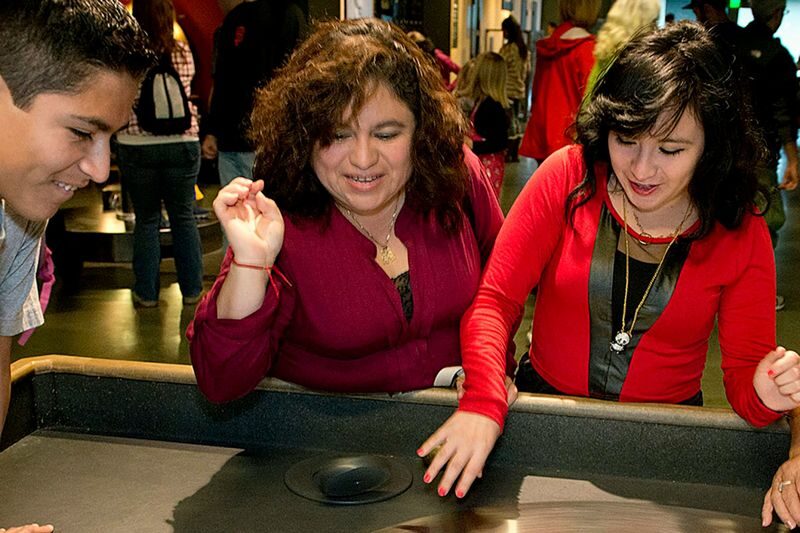

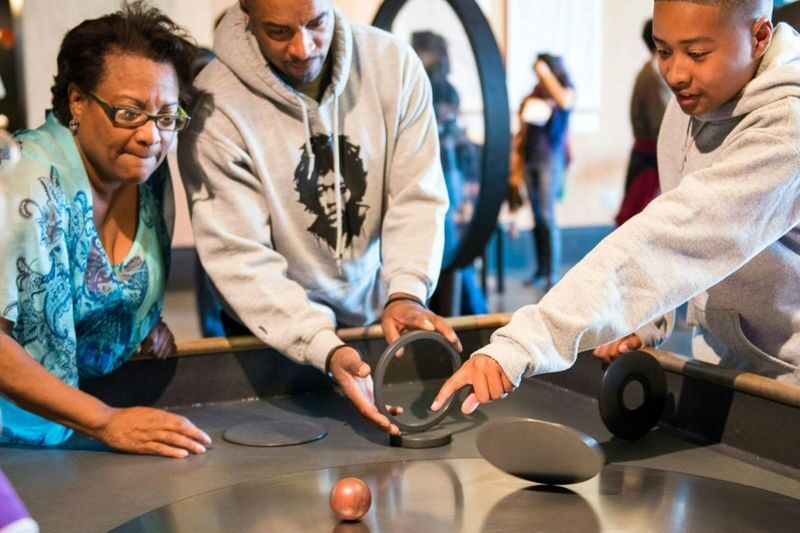



At Pier 15, the Exploratorium blends science, art, and human perception in a large, hands-on setting. You are not following a guide from one stop to another. Instead, you move through the exhibits at your own pace, trying what catches your eye and reading or watching for the explanation behind it.
That freedom is part of the appeal. A child can spend time testing one display while an adult follows a question about light, biology, or the environment. The trade-off is that the day needs some self-direction. If you prefer a tightly planned tour with a clear route and a guide explaining each stop, this is not that kind of visit.
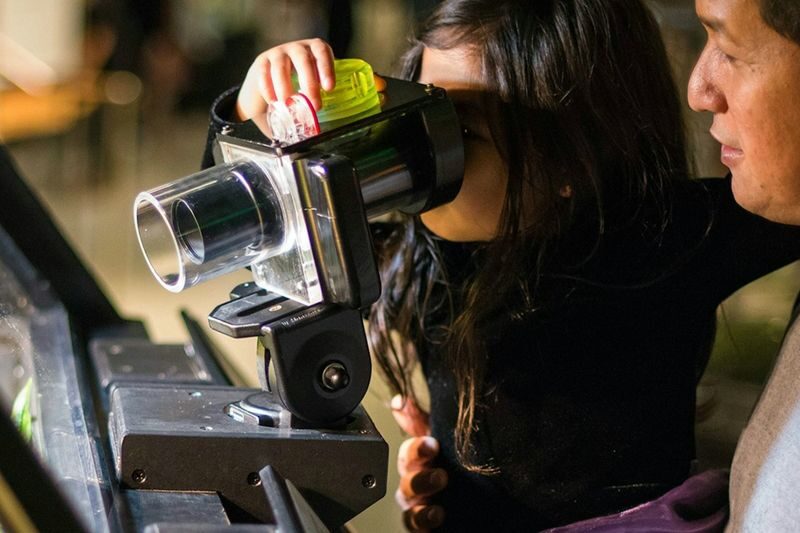
The museum’s range is unusually broad for a family outing. Physics and earth science sit beside biology, psychology, sociology, and artistic ways of looking at the world. You can make a small earthquake with a seismograph, inspect developing zebrafish eggs under a microscope, or compare your pulse with theirs. These activities link what you see to something you can test yourself.
You can also read our reviews of more tours and experiences in San Francisco


Start with the exhibits that make you curious
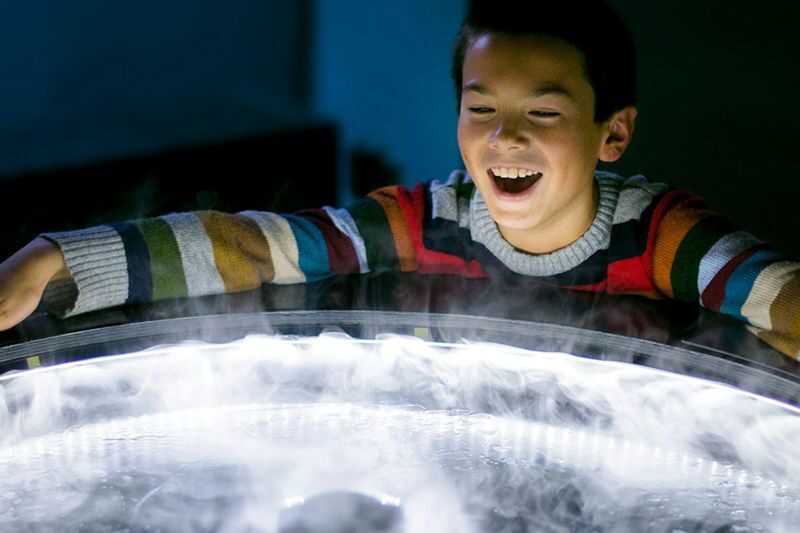
There is no fixed itinerary, so think of the visit as a series of short experiments rather than a march through numbered stops. You might begin with the displays that show natural forces at work, such as the tornado exhibit or the seismograph. They offer a lively introduction to the museum’s central idea: science is easier to grasp when you can observe a result and try to change it.
The tornado display gives you a way to look at a powerful weather event in a controlled setting. The earthquake exhibit lets you create a miniature shake and see it register on a seismograph. Neither replaces a science lesson, but both turn abstract forces into visible effects. For children, that can make the difference between hearing a concept and remembering it.
You will also find exhibits built around reflection and vision. A huge mirror, originally from a flight simulator, gives you an unusual view of your own reflection. Other displays use shadows to form images. These are good places to pause and ask what you are seeing, then test how your position or the light changes the result.
The museum is not limited to dramatic effects. A microscope view of developing zebrafish eggs brings biology down to a small scale, while the pulse comparison connects observation to your own body. That contrast, from large natural forces to living cells, helps make a visit feel varied rather than like a single-topic science hall.
Let children lead, but give the day some shape
The Exploratorium works especially well for families who are happy to let curiosity set the route. Children can try many exhibits directly, and the museum has enough variety to hold the interest of different ages. Families with children around six and nine have found it a satisfying day out, while the activity information notes that some exhibits may be less suitable for children under ten.
A preschooler may enjoy the movement, colors, and chance to handle displays, while an older child may stay longer to understand how an experiment works. That difference is normal. You do not need to explain every sign or finish every activity. Let a child choose a few exhibits, then move on when attention fades.
One practical approach is to pick a broad theme for each stretch of the visit. You might start with earth science, shift to perception, then look at biology. The museum has maps in English, Spanish, Traditional Chinese, Tagalog, Simplified Chinese, and French, which can help you get oriented and decide where to go next.
Parents should set expectations: this is not a theme park with a single storyline, and not every exhibit will communicate its point in a quick, playful way. A child who wants constant action may lose focus at displays that require reading or careful observation. Take breaks, change subjects, and treat the day as a chance to follow a few good questions, not a contest to see everything.
Adults should come with curiosity, not a checklist
The Exploratorium is often a natural fit for adults traveling with children, but it is not only a children’s attraction. If you are interested in how people see, think, move, or respond to the world around them, the perception exhibits can be as engaging as the physics displays. The mix of science and art also gives the museum a different feel from a conventional collection of objects behind glass.
Still, adults looking for a classic San Francisco landmark or a guided cultural tour may not find this the best use of their time. There is no guide included, and the appeal depends on your willingness to test exhibits and spend time with the ideas behind them. If you are curious about science, enjoy learning by doing, or want an indoor activity to share with family, you are more likely to find good value here.
For a short city stop, choose your priorities before entering. The museum is close to the waterfront, but the useful measure is not how many displays you can race through. It is whether you have enough time to stop, try, and understand a few of them.
Plan for a long visit at Pier 15
The Exploratorium is at Pier 15, Embarcadero at Green Street, San Francisco, CA 94111. The F light rail line stops at The Embarcadero and Green Street, about a three-minute walk from the museum. Check the map and current transport information before setting out, especially if you are connecting from another part of the city.
General opening hours are Tuesday through Saturday, 10 a.m. to 5 p.m., and Sunday, noon to 5 p.m. The museum is closed Monday. Hours can change, so check before you go. Even though the standard opening window is five or seven hours, that does not mean you will see everything. One family spent from 11 a.m. until closing and still had children reluctant to leave; another visitor felt half a day was not enough to cover the exhibits.
A weekday visit may give you more room to move, but crowd levels can vary. One family visiting on a weekday near the end of August found it uncrowded enough to see and do what they wanted. Treat that as a useful possibility, not a promise. If you want a calmer visit, a weekday is worth considering when your schedule allows.
Wear comfortable shoes. The site covers 3.3 acres, so you will be on your feet as you move between displays. Coin-operated lockers are available for bags up to 33 by 73 by 58 centimeters. Strollers and wheelchairs can be rented on a first-come, first-served basis, and the activity is described as stroller- and wheelchair-accessible.


What admission includes, and what it does not
The general ticket includes admission to the Exploratorium. It does not include a tour guide, meals or drinks, or personal expenses. Museum maps are available in six languages: English, Spanish, Traditional Chinese, Tagalog, Simplified Chinese, and French.
The listed starting price is $22.99. Whether that feels worthwhile depends on the time you can give it and how much you enjoy active, self-guided learning. A quick visit may feel expensive if you only try a few displays. If you stay for several hours and make use of the museum’s range, the admission can cover a substantial family outing.
A separate Thursday evening option is offered for After Dark, from 6 p.m. to 10 p.m. It is a different ticket from general admission and is not included with the standard ticket. Check that you have chosen the right package for the date and time you want.
To enter, present your mobile voucher and a valid photo ID at the museum’s Ticketing Desk. You will receive the next available timed entry ticket. The voucher is valid only on the selected date, and time if one applies. Free cancellation is available with at least 24 hours’ notice, based on local time.
Photography is allowed for personal use. Commercial photography or video, and live broadcasting of the show, are prohibited. Face masks and vaccinations are not required, though masks are recommended.
Who will get the most from the visit
I would put this near the top of the list for families with children who like to experiment, ask questions, or learn by doing. It suits a wide age range, though you may need to adjust how much you expect younger children to take in. Older children can spend more time with the ideas behind each display; younger ones may mainly enjoy the chance to try things.
Curious adults can also have a rewarding visit, particularly if they like science, perception, and art. But this is not the strongest choice for someone seeking a guided tour, a short landmark stop, or a traditional museum visit. It asks you to bring your own curiosity and choose your own pace.
The museum’s best feature is not any single exhibit. It is the way a visit can move from a tornado to a mirror, then from a microscope to a question about human perception. That range is why a full day can pass quickly. It is also why you should not expect to see everything.
Should you book the Exploratorium?
Book if you want a substantial, hands-on outing and have time to let the exhibits draw you in. It is especially good for families with school-age children, but adults who enjoy testing ideas can find plenty to engage with too. The price makes more sense when you treat admission as a several-hour visit rather than a quick stop.
Skip it if you want a guide to lead you through a set route, or if your San Francisco schedule is too tight to explore at a relaxed pace. Check the opening hours and select the right ticket, then leave room in your day for an exhibit that catches your attention. At this museum, the best plan is a loose one.
Exploratorium Ticket in San Francisco
“Perfect for curious learners from preschool to high school if you have kids, but not for tourists. Anyway if you are curious tourist to learn it mi…”
FAQ
Where is the Exploratorium?
It is at Pier 15, Embarcadero at Green Street, San Francisco, CA 94111.
What are the opening hours?
General hours are Tuesday through Saturday, 10 a.m. to 5 p.m., and Sunday, noon to 5 p.m. The museum is closed Monday. Hours may vary, so check before visiting.
How do I get to the Exploratorium by public transit?
Take the F light rail line to The Embarcadero and Green Street station, then walk about three minutes.
What does the general ticket include?
It includes admission to the Exploratorium. It does not include a guide, meals or drinks, or personal expenses.
Is the Thursday evening ticket the same as general admission?
No. After Dark is a separate Thursday evening ticket for 6 p.m. to 10 p.m. It is not included with the general ticket.
How do I redeem my voucher?
Show your mobile voucher and a valid photo ID at the museum’s Ticketing Desk. You will receive the next available timed entry ticket.
Can children visit without an adult?
Children aged 0 to 17 must be accompanied by a paying adult. Children aged 0 to 3 enter free.
Is the museum accessible to wheelchairs and strollers?
The activity is described as stroller- and wheelchair-accessible. Strollers and wheelchairs are also available to rent on a first-come, first-served basis.
Can I take photographs inside?
Photography is allowed. Commercial photos or videos and live broadcasting of the show are prohibited.