
Santa Ana Volcano’s crater lake is the kind of view that earns its place on a long day’s schedule: a vivid pool of turquoise or emerald water inside El Salvador’s highest volcano. The hike is only part of the appeal. You also get a local guide to read the changing terrain with you, then a lakeside stop to let your legs recover.
I like two things in particular: the guides adjust the pace and pause when you need a breather, and the Lake Coatepeque stop gives you time to eat by the water or swim. One point to plan around: the day can run from 8 to 15 hours, and authorities may restrict access to the summit, leaving you at a lower viewpoint.
At a glance
- A changing trail: Walk through cloud forest, then into open volcanic terrain, with agave and native plants along the way.
- A non-technical but demanding finish: The rocky final stretch is not a technical climb, but sun exposure and fitness still matter.
- A guide who sets the rhythm: Herbert and Marilyn have led groups with patient pacing and cultural context; guide assignments can vary.
- A crater view with a caveat: The turquoise lake is the prize, but environmental restrictions can sometimes limit the route to about 75 percent of the volcano.
- A lakeside reset: After the hike, La Octava Maravilla offers food, water access and optional paid activities such as a boat trip or jet ski ride.
- A long day from your hotel: Round-trip driving, breakfast, the hike and lunch make this a full-day outing, not a quick excursion.
- At a glance
- Santa Ana’s crater is the day’s big reward
- The route starts early and spends hours on the road
- The volcano hike rewards steady feet, not speed
- Lake Coatepeque turns the finish into a proper break
- What the 0 price covers, and what it does not
- Who will get the most from this day
- Should you book the Santa Ana and Coatepeque tour?
- FAQ
- How long does the tour take?
- Is the hike suitable for beginners?
- Will I definitely reach Santa Ana’s summit?
- Can I swim in Lake Coatepeque?
- What is included in the 0 price?
- What should I bring?
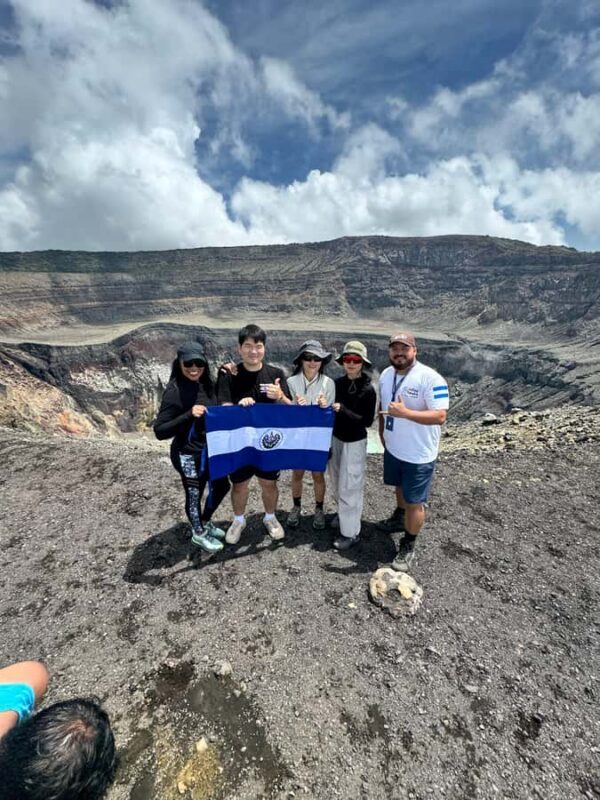
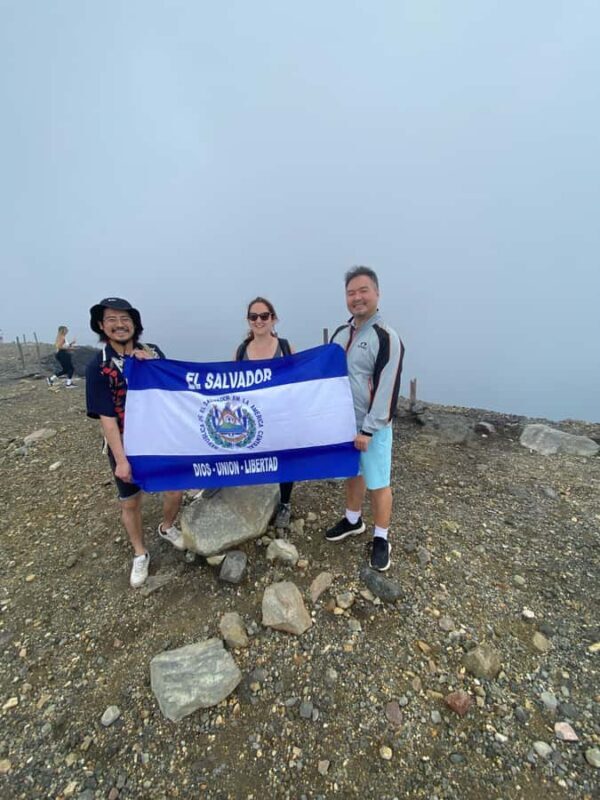
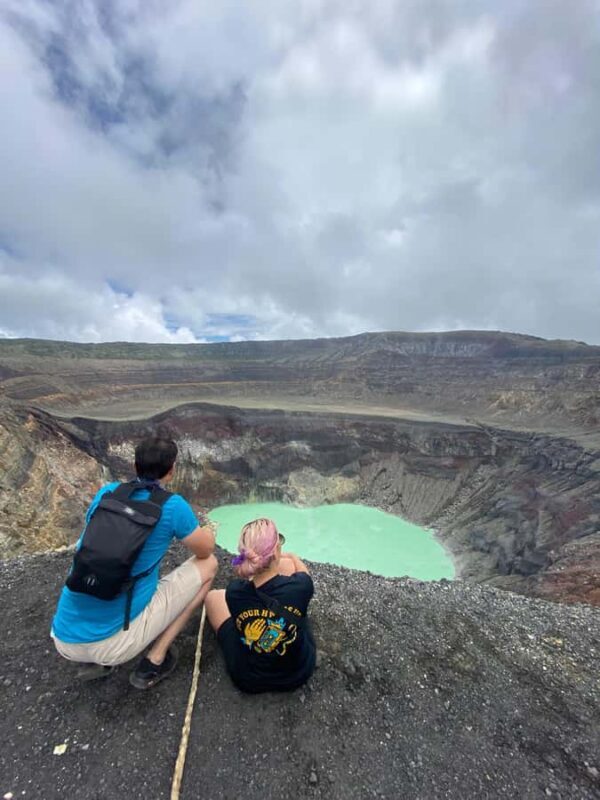
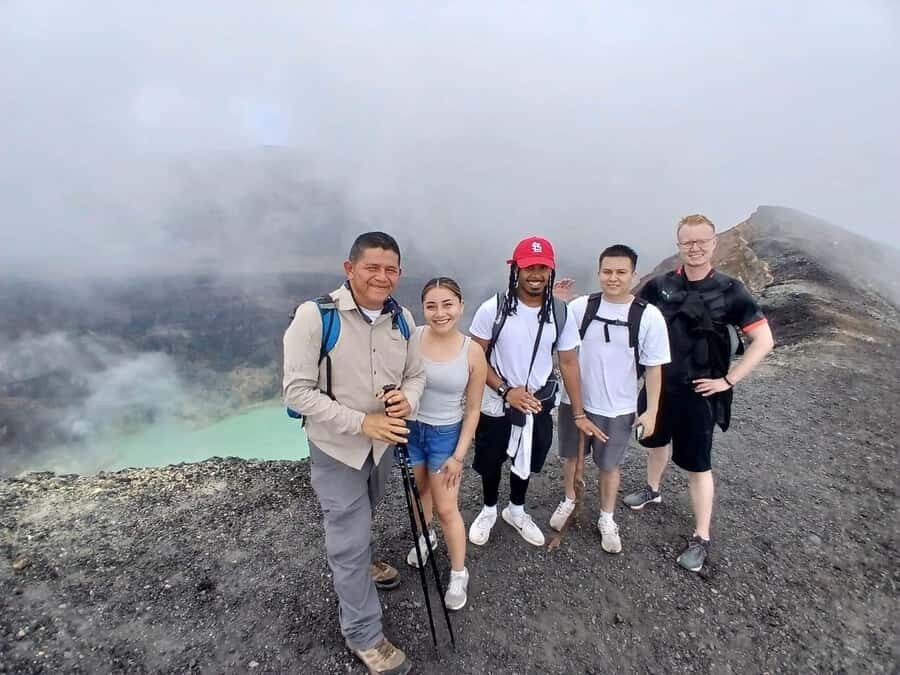
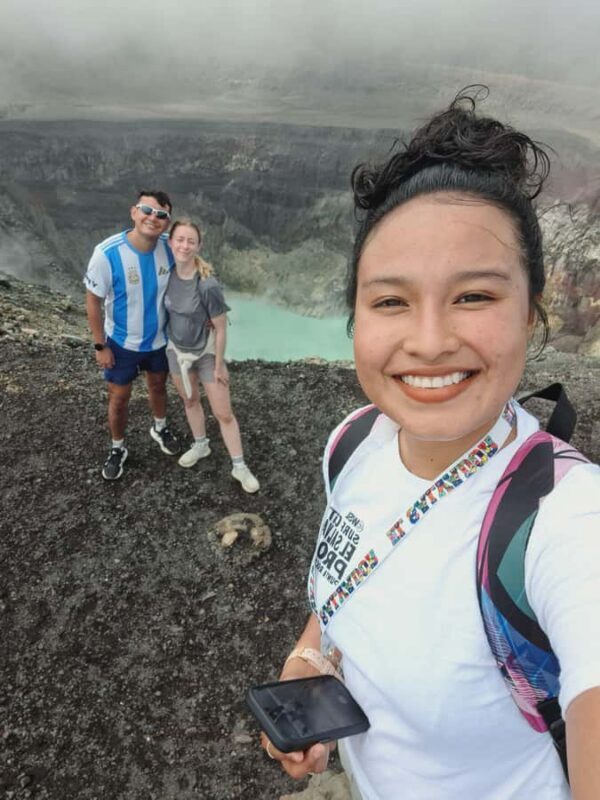
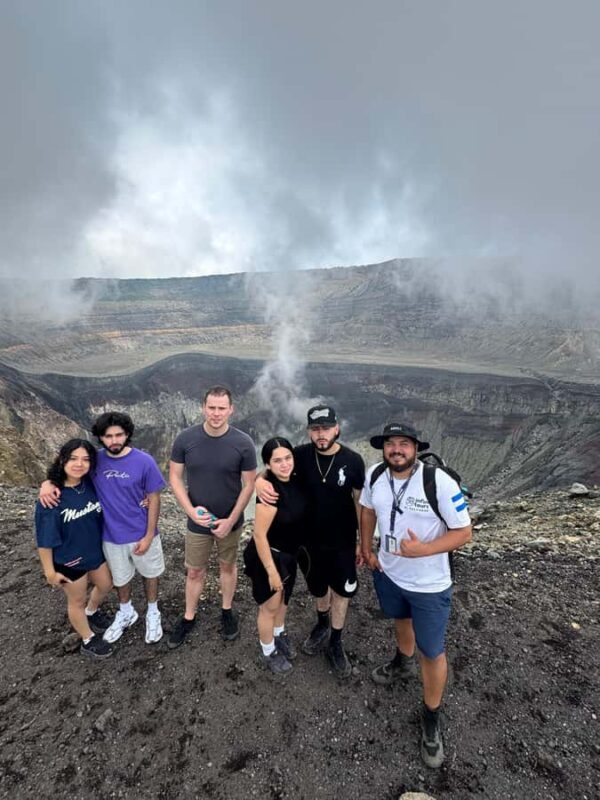
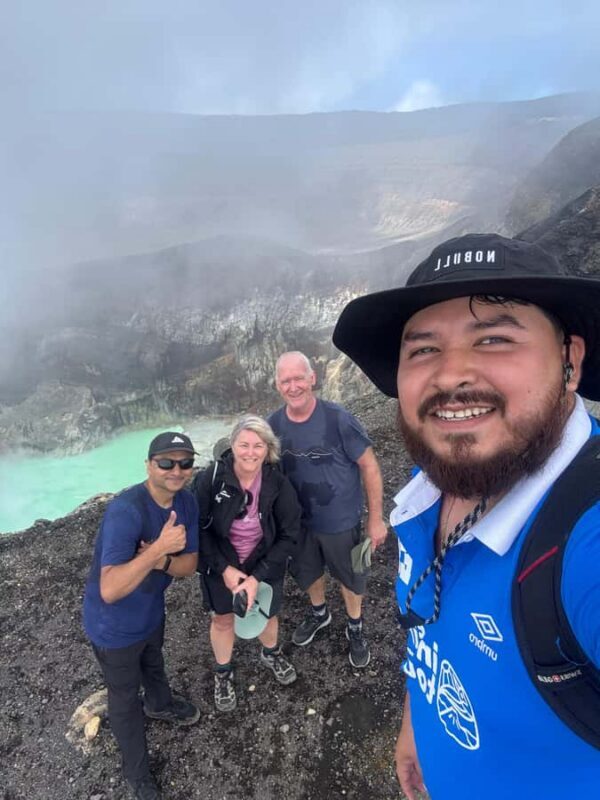
Santa Ana’s crater is the day’s big reward
 1 / 7
 2 / 7
 3 / 7
 4 / 7
 5 / 7
 6 / 7
 7 / 7
Santa Ana, also called Ilamatepec, is El Salvador’s highest volcano. The payoff at the top is a crater lake whose color can look almost unreal, with the Pacific Ocean visible on clear days. The scenery changes as you climb, too. You pass through misty forest with birds and wildflowers before reaching more exposed volcanic ground shaped by wind and weather.
That variety makes the hike more interesting than a steady march up a slope. I like that the guides point out details along the way, including agave, native fruits and shifts in the ground beneath your shoes. The route’s final rocky section is described as non-technical, but that does not make it effortless. Expect a proper uphill hike, stretches in direct sun and a need to watch your footing.
Guides such as Herbert and Marilyn have been praised for checking how everyone is doing, stopping for breaks and explaining local culture. That kind of attention matters more here than a fast summit time. The stated approach is to hike at your pace, which is useful if your group has mixed fitness levels. Still, the tour is not suitable for people with low fitness or certain health concerns, so do not treat a flexible pace as a substitute for being prepared.
The route starts early and spends hours on the road
Pickup is available from a wide set of hotels and locations, including options in San Salvador, Santa Ana, El Zonte, Tamanique and Mizata. You wait in your hotel lobby for the guide. The operator may adjust pickup time if other people are joining, so keep your phone available for updates.
The drive to the volcano takes about two hours. That is a significant part of the day, but it gives a local guide time to share information about El Salvador and neighboring countries. Herbert has been singled out for explaining the region during the drive, and drivers such as Luis have helped make the transfers feel safe and comfortable. The vehicle may be a sedan, SUV, van or bus depending on group size, so do not assume you will have a particular type.
Breakfast is scheduled for an hour before the hike. The tour includes a sandwich and a bottle of water, but meals are listed as not included. That means you should budget for breakfast and lunch, and ask ahead if you are unsure what food is covered or supplied. Bring extra water if you normally drink more than one bottle during a long hike.
Some departures begin very early. A 5 a.m. pickup has worked well for reaching the summit before the trail gets busy, but that is not a guaranteed start time. Sunrise departures at 2:30 a.m. require advance coordination on weekdays, with a 10-day lead time advised. Weekend access may be arranged without that advance notice. Check the available start times for your date rather than assuming every tour follows the same schedule.
The volcano hike rewards steady feet, not speed
The guided visit is listed as three hours. Your guide leads you through several distinct natural zones, from cloud forest to more open volcanic terrain. Conditions and the pace of your group shape how the time feels. The operator’s focus on breaks and a measured rhythm is a real advantage if you want to notice the setting instead of watching the clock.
The higher, exposed sections can feel hot, and the last rocky stretch asks for steady footing. Hiking shoes are a sensible choice, along with comfortable clothes, a hat, sunglasses, sunscreen and insect repellent. Carry cash for personal expenses, and pack a change of clothes and a towel if you plan to swim afterward. A passport is on the recommended packing list.
At the summit, give yourself time to take in the crater and the view beyond it. The lake may appear turquoise or emerald, depending on conditions. On a clear day, you may also see the Pacific on the horizon. Weather and visibility are not guaranteed, and neither is summit access: the Ministry of the Environment can restrict the upper route. If that happens, the group may reach the third viewpoint, around 75 percent of the way up. That is still a volcano outing, but it is not the same as standing above the crater lake.
Weekends can bring other hikers, including local and Central American visitors. The tour aims to avoid large tour lines where possible, but it cannot promise an empty trail. Guides can adjust pace to move ahead of or behind other groups, which helps keep your own outing orderly without pretending you have the mountain to yourself.
Lake Coatepeque turns the finish into a proper break
After descending, you drive about 45 minutes to Lake Coatepeque for a two-hour lunch stop. La Octava Maravilla is chosen for its direct lake access, food and relaxed local feel. This is a practical place to rest after the climb, not merely a photo stop on the way back.
You can eat beside the lake and, if you wish, swim. Bring your swimwear, towel and a change of clothes if you want to get in the water. Optional activities such as jet ski rides and boat trips are available at extra cost. The included price does not cover meals or personal expenses, so keep room in your budget for lunch, drinks and any water activity you choose.
The lakefront setting is part of the value here. More luxurious restaurants around the lake are often higher on the hills, away from the water; at this stop, the draw is eating near the shore and having the option to swim. La Octava Maravilla has served the lake for many years and continues to improve its service for local and international visitors. If you want a quiet end to a strenuous day, you can simply sit by the water rather than add another activity.
After lunch, the drive back takes about two hours, with drop-off at the available locations. With the morning transfer, breakfast, hike, lake stop and return trip, the schedule adds up quickly. Depending on pickup arrangements and timing, the whole experience can stretch toward the upper end of the 8-to-15-hour range. Do not book a tight evening commitment afterward.
More Great Tours NearbyWhat the $100 price covers, and what it does not
At $100 per person, the tour includes round-trip transportation, a professional certified guide, the Santa Ana Volcano entrance fee, one bottle of water and a sandwich. It also includes the stop at Lake Coatepeque, but not your meals, souvenirs, personal expenses or optional video made with a drone. Swimming is optional and does not appear as an extra charge, though food and paid lake activities are separate.
The value is strongest if you want transport and guiding handled for you. The two-hour drive each way makes a self-organized trip less simple, and a guide adds more than navigation: you get help with the hike’s pace, local context and the practical decisions around breaks and group flow. Small-group or private options are available, which may suit you if you value a more personal outing, though the exact group size is not specified.
The main qualification is that $100 is not an all-in price for the day. Budget separately for breakfast, lunch and any optional activities. Also weigh the possibility of a restricted summit. The crater is the headline sight, but access is controlled for environmental reasons, so no operator can guarantee you will reach the very top.
Who will get the most from this day
This suits you if you want one of El Salvador’s major natural sights in a single organized outing, and you enjoy a full day with a real hike rather than a short viewpoint visit. It is especially appealing if you value a guide who explains the area and is attentive to differing paces. Herbert and Marilyn are names to look out for, though assignments can change; Luis has also been part of the transport team.
It is less suitable if you have low fitness or a pre-existing condition that could make a sustained hike unsafe. The activity is specifically not recommended for pregnant people, anyone with back, heart or respiratory problems, people over 75, or those with other pre-existing medical conditions. If you are uncertain, check with a medical professional before booking and contact the operator about your situation.
For a demanding day, bring the basics: hiking shoes, sun protection, insect repellent, cash, water beyond the included bottle if needed, and swim gear if you want to use the lake. Follow the rules: pets, weapons and sharp objects, smoking and vaping, alcohol and drugs, fireworks, fires and disruptive noise are not allowed. Unaccompanied minors are also not permitted.
Should you book the Santa Ana and Coatepeque tour?
I would choose this tour if you want the volcano hike paired with a genuine rest stop by the lake, and you value thoughtful guiding more than a rushed summit attempt. The strongest reasons to go are the crater scenery, the changing trail and the chance to finish with food and a swim. The guides’ patient approach is especially useful on a long day with mixed hiking ability.
Book with realistic expectations: the hike takes effort, the day may last as long as 15 hours, and environmental rules can prevent access to the crater viewpoint. If those trade-offs work for you, $100 buys a useful combination of transport, entrance and local guiding, with the lake stop adding a welcome change of pace. If you need a short outing, cannot manage a sustained hike or require certainty about reaching the summit, this is not the best fit.
El Salvador’s best: Santa Ana Volcano & Coatepeque Lake Tour
FAQ
How long does the tour take?
The stated duration is 8 to 15 hours. The day includes about two hours of driving each way, breakfast, a three-hour guided volcano visit, a transfer to Lake Coatepeque and a two-hour lunch stop. Pickup timing and the group’s pace can affect the total.
Is the hike suitable for beginners?
The final rocky stretch is non-technical, and guides adapt the pace and take breaks. However, the tour is not suitable for people with low fitness, and the hike can be challenging. You should be comfortable with a sustained walk and exposed, sunny sections.
Will I definitely reach Santa Ana’s summit?
No. Environmental authorities sometimes restrict access, in which case the group may go only as far as the third viewpoint, about 75 percent of the volcano.
Can I swim in Lake Coatepeque?
Yes, swimming is optional during the stop at Lake Coatepeque. Bring swimwear, a towel and a change of clothes if you plan to get in the water.
What is included in the $100 price?
The price includes round-trip transportation, a professional certified guide, the volcano entrance fee, one bottle of water and a sandwich. Meals, personal expenses, souvenirs and drone video are not included. Optional jet ski rides and boat trips are extra.
What should I bring?
Bring your passport, sunglasses, a hat, hiking shoes, comfortable clothes, sunscreen, insect repellent and cash. If you want to swim, also bring swimwear, a towel and a change of clothes.
You can check availability for your dates here: