Tekapo’s dark skies are famous, but this experience looks beyond stargazing to the knowledge people carried beneath them. In a 45-minute indoor tour, you explore how Māori understood the stars, used them alongside ocean currents for Pacific navigation, and connected the cosmos with spiritual life.
I like two things in particular: the four interactive zones give the visit more shape than a talk alone, and the all-weather indoor setting means clouds do not cancel the central experience. It is also a welcome daytime option if you want astronomy without waiting for night.
One consideration: much of the learning comes through a guide’s spoken explanation. If you find unfamiliar astronomy terms hard to follow by ear, you may want to listen closely and ask questions when you can. This is a cultural and educational presentation, not an outdoor stargazing session.
- Four indoor zones connect astronomy, culture, science, and storytelling.
- Māori navigation draws on stars and ocean currents across the Pacific.
- Constellation stories explain cultural meaning as well as celestial patterns.
- English and Mandarin tours give you two language options.
- A 45-minute visit works as a compact daytime activity in any weather.
- Tekapo’s sky, seen through Māori knowledge
- Four zones in a 45-minute visit
- Stars and ocean currents as navigational tools
- Cultural meaning alongside modern science
- Choosing an English or Mandarin tour
- An indoor activity that does not depend on the weather
- What the price buys you
- Planning your visit to Motuariki Lane
- Who will get the most from this tour
- Should you book the Dark Sky Experience?
- FAQ
- How long is the Dark Sky Experience?
- Is the experience indoors?
- What does the tour cover?
- Are tours available in English and Mandarin?
- Where is the meeting point?
- How early should I arrive?
- Is the tour suitable for young children?
- Which days is Dark Sky Project Base closed?
- Can I cancel for a refund?
- The Best Of Lake Tekapo!
- More Tours in Lake Tekapo
- More Tour Reviews in Lake Tekapo
- Not for you? Here's more nearby things to do in Lake Tekapo we have reviewed
Tekapo’s sky, seen through Māori knowledge
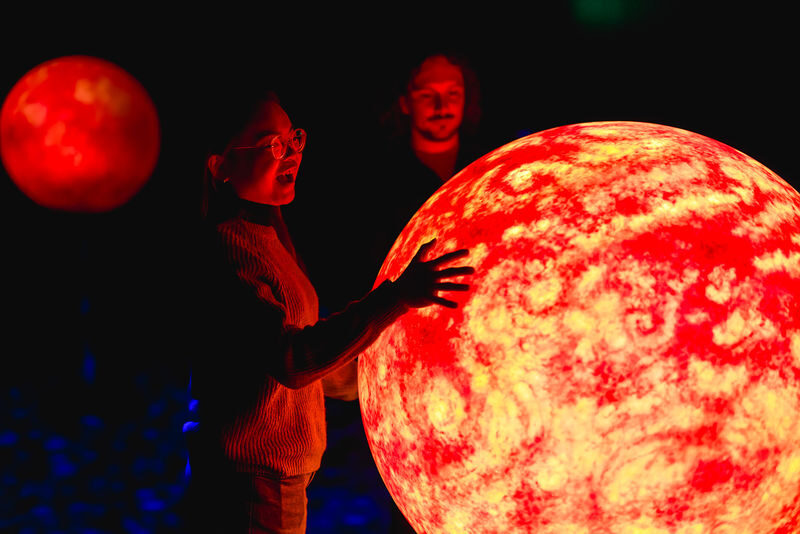
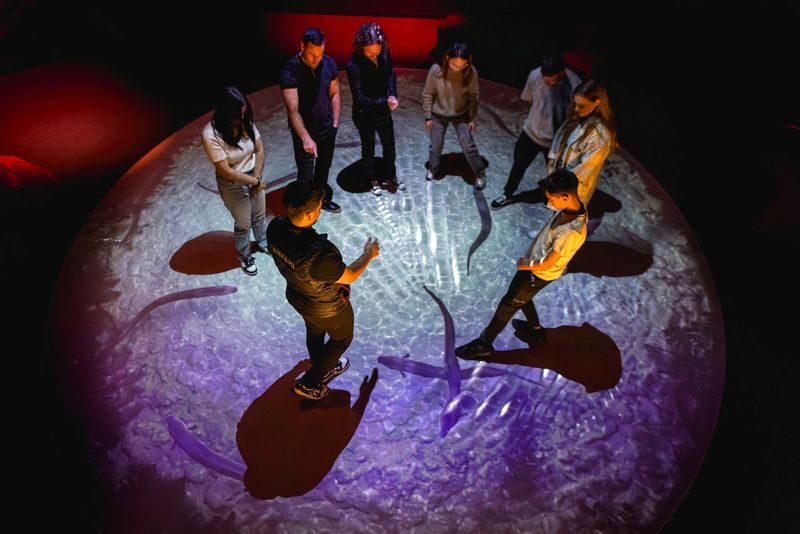
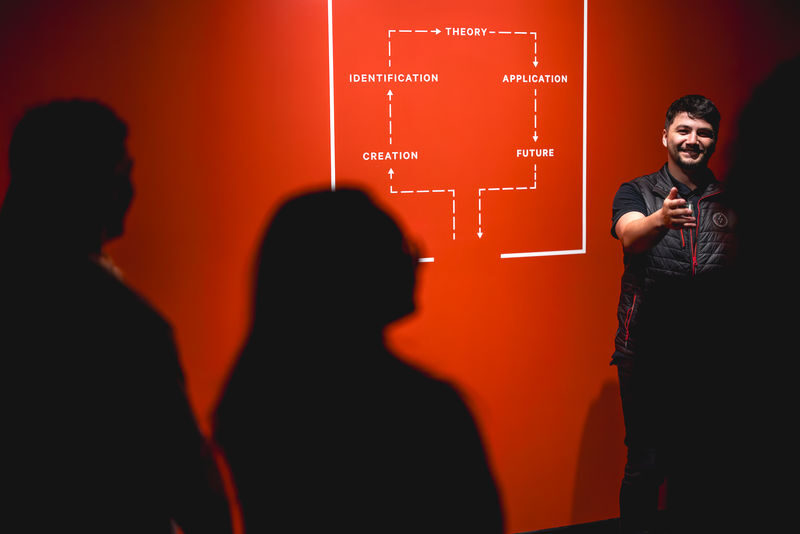

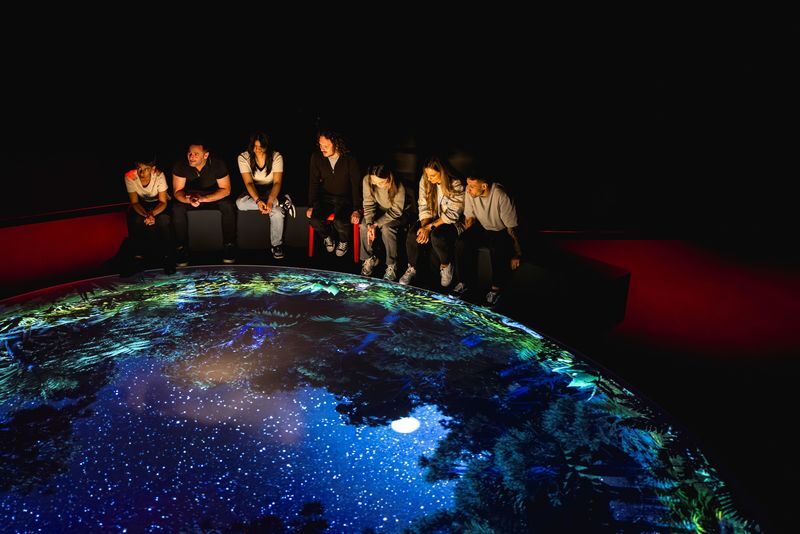

At Dark Sky Project, the subject is not just what shines overhead. The experience asks you to consider how people read the sky, passed on knowledge, and used celestial patterns as practical guides. That shift matters: the stars become part of a living system of navigation and belief, rather than distant points to identify.
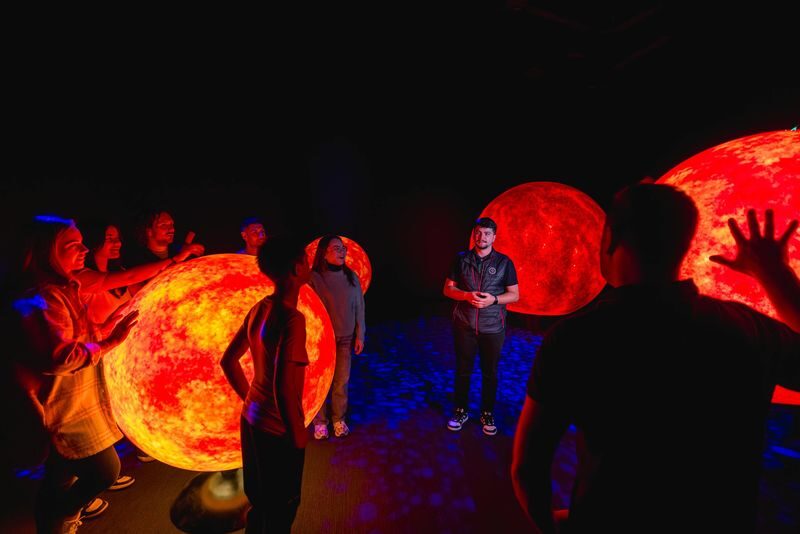
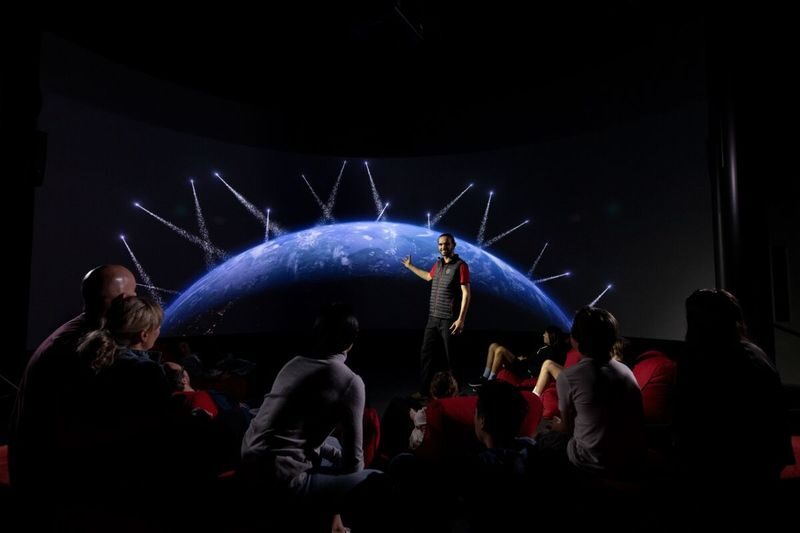
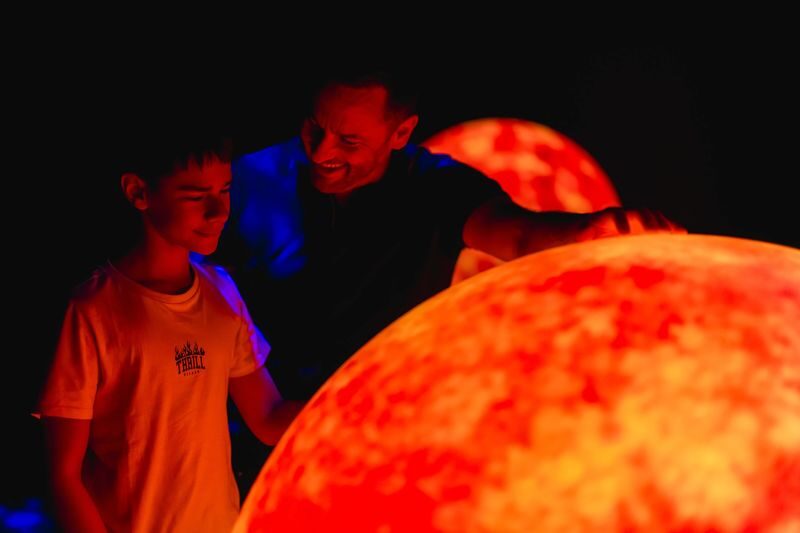
Lake Tekapo sits within the Aoraki Mackenzie International Dark Sky Reserve, a celebrated region for observing the night sky. This tour takes place indoors, though, and its value does not depend on seeing stars outside. Instead, a guide uses four interactive zones to bring together Māori heritage and modern astronomy.
I see that combination as the experience’s main strength. A purely scientific presentation might explain what is in the sky, while a purely cultural account might leave some visitors wondering how the knowledge worked in practice. Here, the two are presented together: you learn about stars, their stories, and their role in reading the Pacific.

👉 See our pick of the 3 Best Tours In Lake Tekapo
Four zones in a 45-minute visit
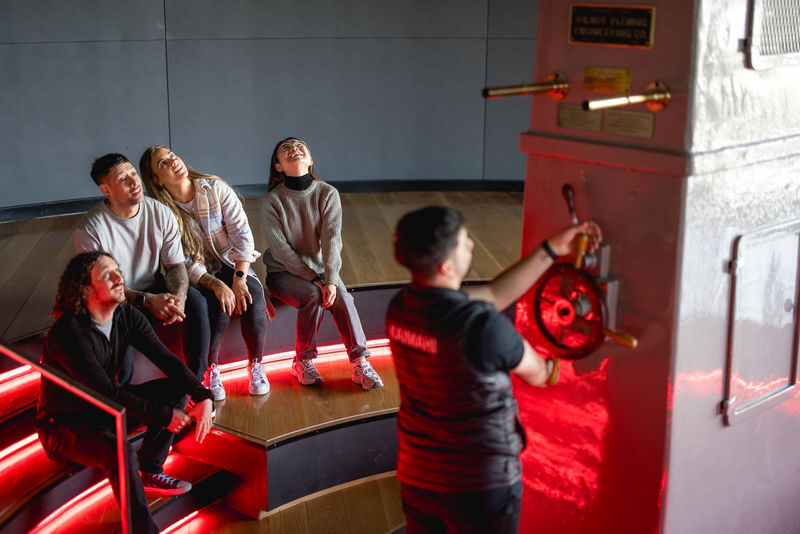
The tour lasts about 45 minutes and is hosted by a guide inside the Dark Sky Project’s astronomy centre. You move through four interactive zones, each designed to connect the sky with culture, science, and storytelling. The exact activities within each zone are not specified, so it is best to expect a guided presentation rather than a particular hands-on demonstration.
That compact format is useful if you have a full day of sightseeing planned. It gives you a focused introduction without taking up an evening or requiring clear skies. The trade-off is that 45 minutes leaves limited time to linger over any one topic. If you already have a strong interest in astronomy or Māori cultural knowledge, you may want to treat this as an introduction rather than a complete account.
Expect the guide’s words to carry much of the detail. One practical point worth keeping in mind is that technical terms can be difficult to catch when they are spoken quickly or without written prompts. If you miss a name or concept, ask for clarification if there is an opportunity. You will get more from the presentation by staying engaged than by trying to absorb every detail in one pass.
You can also read our reviews of more tours and experiences in Lake Tekapo.


Stars and ocean currents as navigational tools
One of the most compelling parts of the subject is how Māori used both stars and ocean currents to navigate across the Pacific. The pairing makes clear that navigation was not simply a matter of looking up and following one bright point. It involved reading the sky in relation to the wider natural world.
That context gives the astronomy a practical dimension. You are not only learning about objects in the southern sky; you are considering how celestial knowledge could help people travel across vast stretches of ocean. For anyone used to thinking of astronomy as a modern science, this is a useful reminder that careful observation of the sky has long served human needs.
The experience also explores stories and legends associated with constellations. Those stories help explain why the sky can carry meaning beyond its physical features. If you enjoy learning how cultural traditions interpret the natural world, this is likely to be the most distinctive part of the visit.
Cultural meaning alongside modern science
Dark Sky Project presents Māori heritage alongside modern astronomy, a pairing that can give you two ways to approach the same sky. One explains celestial objects through science; the other explores the knowledge, stories, and spiritual connections that shape how people relate to them. Neither needs to replace the other for the experience to be worthwhile.
The subject is especially suited to curious visitors who want more than a list of planets or star names. You will hear about the relationship between Māori and the cosmos, and about how constellations fit into cultural storytelling. The material may feel more meaningful if you come ready to listen for both practical knowledge and belief.
There is a limit to how much depth a short tour can provide. The experience introduces these ideas, but it cannot cover every aspect of Māori astronomy in detail. Keep that in mind if you are looking for an in-depth cultural program. For a concise introduction in a setting dedicated to the night sky, however, the mix of heritage and science makes good use of the time.
Choosing an English or Mandarin tour
You can book the Dark Sky Experience in English or Mandarin. The Mandarin option is more than a straightforward language choice: its presentation can include Chinese cultural context, making the astronomy relevant to that audience as well. If you are travelling with Mandarin speakers, this can help everyone engage with the same broad subject in a familiar language.
The English tour is a natural choice if you are comfortable following a spoken explanation in English. Still, a past attendee found that specific terms could be hard to catch without visual writing to support the guide’s speech. That is a fair consideration for anyone who prefers reading information as well as hearing it.
If you are choosing between the two, think about the language in which you can most easily follow a guided explanation. The session is only 45 minutes, so a language that feels comfortable will make it easier to keep up. The tour is described as educational and entertaining for all ages, but the subject may still suit older children and adults who enjoy learning about space and culture best.
An indoor activity that does not depend on the weather
Tekapo is known for its night sky, but outdoor viewing always depends on conditions. This is an indoor, daytime experience, so clouds do not prevent you from taking part. That makes it a practical choice on a cloudy day, or when you want a sky-related activity without planning around darkness.
It is important to set expectations: the tour does not promise outdoor stargazing. If seeing the stars overhead is your main goal, this is not a replacement for a night-sky outing. Instead, it gives you cultural and scientific context that can make later stargazing more interesting, should you have the chance to do it separately.
I also like the way the indoor format makes the activity easier to fit into a family itinerary. You do not need to keep children up late to cover the topic, and the visit has a defined duration. Children aged 0 to 4 can attend free, but they must still be included in the passenger headcount when booking.


What the price buys you
The experience is advertised from $36.95, while the English and Mandarin package options are each shown from US$33.59. Because those displayed amounts use different formats, check the currency and final total at checkout before you book.
For the price, you are paying for a guided 45-minute visit, access to the indoor attraction, and an organised presentation across four zones. Tax and operator-provided insurance are included. Transport to Dark Sky Project, personal expenses, and tips are not included, so you will need to arrange your own way to the venue.
The value depends on what you want from your time in Tekapo. If you are interested in Māori culture, astronomy, or the history of navigation, the guided format gives you a focused introduction that is not dependent on the weather. If you mainly want a dramatic outdoor view of the stars, you may find the price harder to justify, since this is an indoor learning experience rather than a stargazing session.
The short duration is another point in its favour for people with a packed schedule. It is easy to plan around a meal or another local activity, though you should not expect a long, in-depth course. Think of it as a compact cultural and scientific stop with a clear theme.
Planning your visit to Motuariki Lane
Dark Sky Project is at 1 Motuariki Lane, Lake Tekapo 7999. The meeting point is the attraction itself, and transport there is not included. Plan to arrive 15 minutes before your scheduled time; latecomers cannot enter once the event has started, and missed visits are not refundable.
The Dark Sky Project Base is closed on Tuesdays and Wednesdays, so check that your preferred date is available before making plans. Your voucher is valid only on the date and time specified, if a time is shown. Confirmation is usually issued within minutes; if it does not appear, contact customer support.
If your plans change, a full refund is available when you cancel at least 24 hours before the activity date, using destination local time. That gives you some flexibility, but it is still worth checking the cancellation deadline against your itinerary.
Who will get the most from this tour
I would put this experience on the list for anyone curious about how Māori knowledge relates to astronomy, navigation, and the natural world. It also suits families looking for a daytime activity that is educational without requiring a full day, and visitors who want an indoor option when the weather is poor.
The Mandarin tour may be a particularly good fit if you want the astronomy presented with Chinese cultural context. For English speakers, the tour offers a straightforward introduction, though anyone who finds technical spoken explanations difficult should be prepared to ask questions or focus on the broader ideas rather than every term.
It may be less satisfying if your priority is to look through a telescope or spend time under the open sky. The experience is best approached for its stories and interpretation, not as a substitute for outdoor night viewing.
Should you book the Dark Sky Experience?
Book it if you want to understand Tekapo’s night sky through both Māori culture and modern science, and you value a short, guided indoor activity. The strongest reasons to go are the Pacific navigation topic, the constellation stories, the four-zone format, and the fact that clouds will not spoil the visit.
Skip it if you are looking chiefly for outdoor stargazing, or if you prefer to explore astronomy at your own pace with written displays. At about 45 minutes, this is a focused introduction, not a deep course. If that is what you want, it offers a thoughtful way to look at the southern sky before or after seeing it for yourself.
Dark Sky Project’s Maori Cultural Astronomy Experience in Tekapo
“some interesting facts which many would not know about the stars in southern hemisphere. would be greater if there is visual writing as well and no…”
FAQ
How long is the Dark Sky Experience?
The guided tour lasts about 45 minutes.
Is the experience indoors?
Yes. The tour takes place inside the Dark Sky Project astronomy centre and is designed as an all-weather, daytime activity.
What does the tour cover?
It connects Māori culture with modern astronomy, including how Māori used stars and ocean currents to navigate across the Pacific, constellation stories, and the spiritual relationship between Māori and the cosmos.
Are tours available in English and Mandarin?
Yes. English and Mandarin tour options are available to book.
Where is the meeting point?
Meet at Dark Sky Project, 1 Motuariki Lane, Lake Tekapo 7999.
How early should I arrive?
Arrive 15 minutes before the scheduled activity time. Latecomers cannot enter once the event has started.
Is the tour suitable for young children?
Children aged 0 to 4 can attend free, but infants and children must still be included in the passenger headcount when booking.
Which days is Dark Sky Project Base closed?
The base is closed on Tuesdays and Wednesdays.
Can I cancel for a refund?
You can receive a full refund if you cancel at least 24 hours before the activity date, using destination local time.