The best part of this Toyonaka cooking class is its setting: you’re welcomed into Katsuji and Mayumi’s home, not a demonstration kitchen. You begin with a traditional tea ceremony, then make sushi and a second dish before sitting down to eat.
I like the personal touch of learning from Katsuji, a food-industry veteran with 38 years of experience, and the mix of cooking with cultural details such as whisked matcha and calligraphy. The choice of main dish also lets you shape the class around your appetite, from ramen to wagyu or tempura.
One thing to know before booking: the ramen noodles are ready-made, not made from scratch, and the ramen portion focuses more on preparation and assembly than noodle-making. You’ll also need to choose the same main dish as everyone else in your group.
- What to Know Before You Book
- A Tea Ceremony in Katsuji’s Home
- Sushi Skills You Can Use Again
- Choose Ramen, Wagyu, Tempura, or Kushikatsu
- Sit Down to Eat What You Make
- Calligraphy Makes a Personal Souvenir
- Getting to the Home in Toyonaka
- Is This Class Worth the Price?
- Who Should Book This Experience?
- Should You Book It?
- FAQ
- Where does the cooking class take place?
- How long does the class last?
- What food can I choose to make?
- Are the ramen noodles made from scratch?
- Is the tea ceremony included?
- Can the class accommodate vegetarian or vegan diets?
- Can the class accommodate allergies or other dietary requirements?
- Is transportation to the venue included?
- What are the rules for children?
What to Know Before You Book
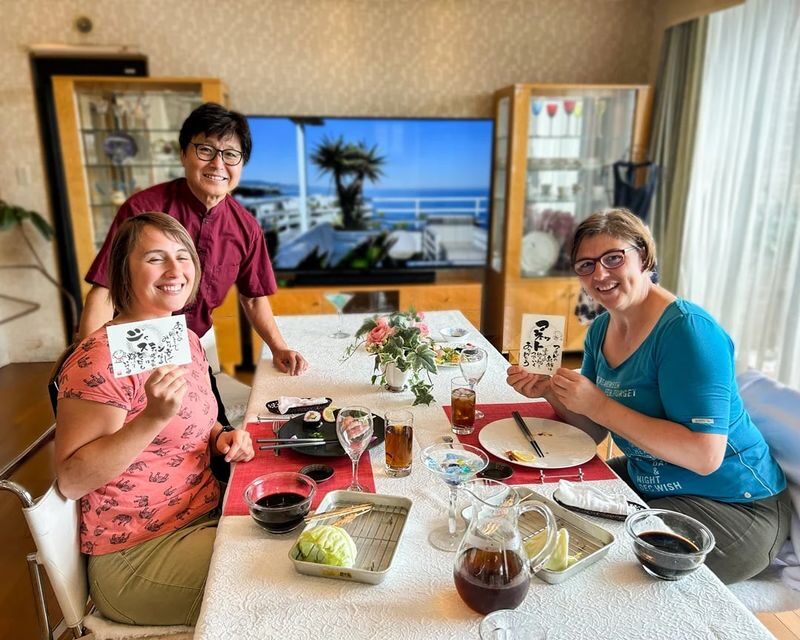
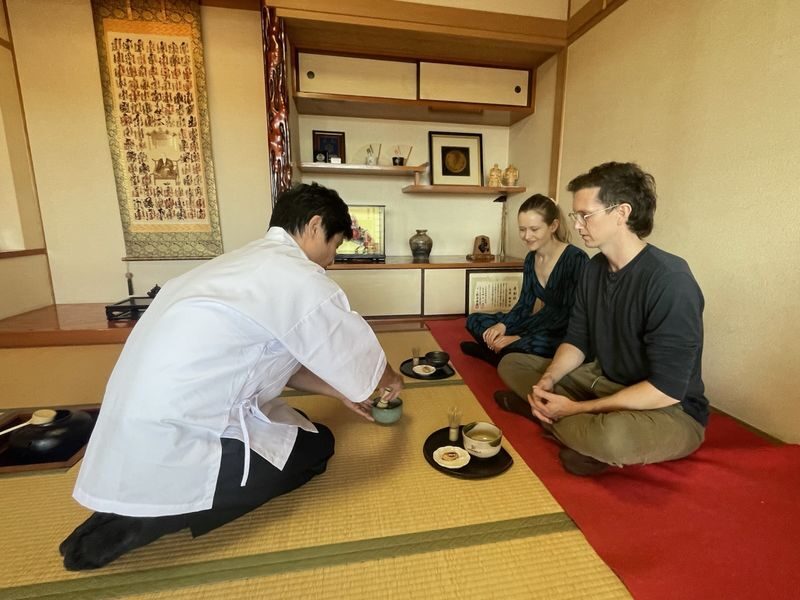
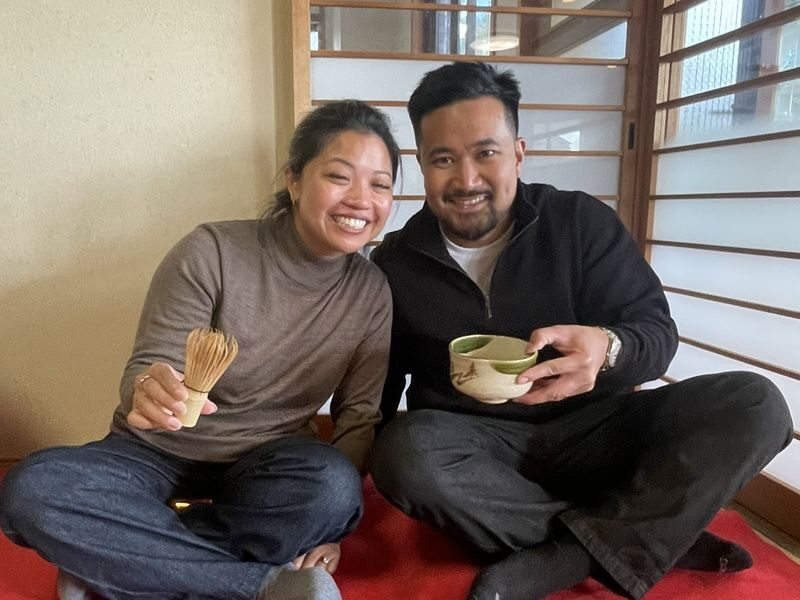
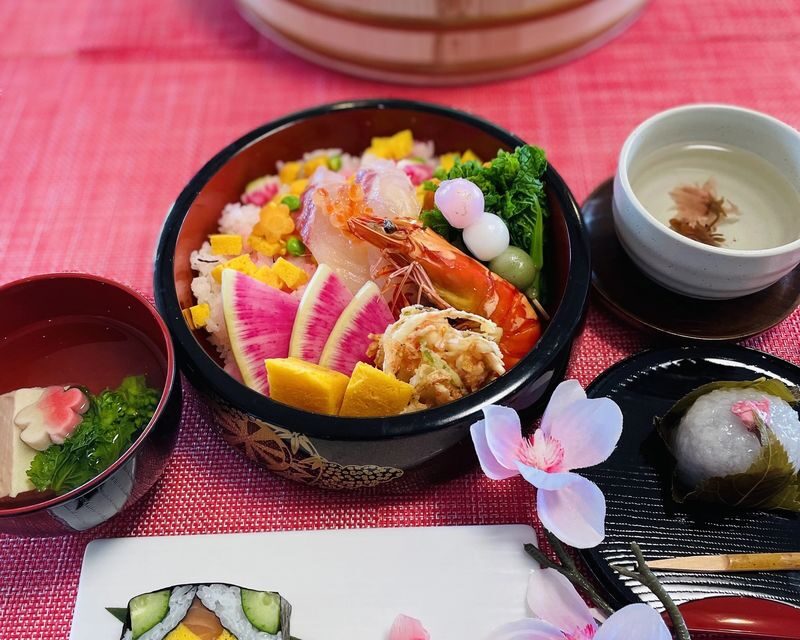
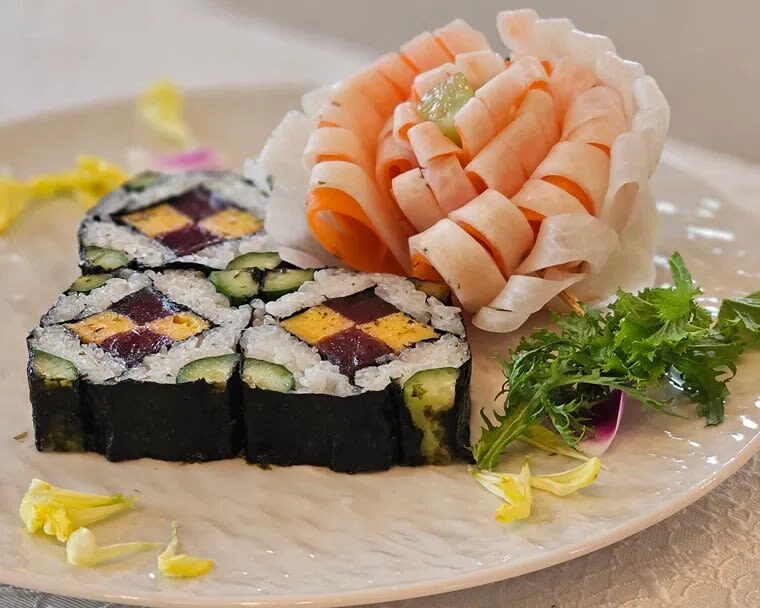
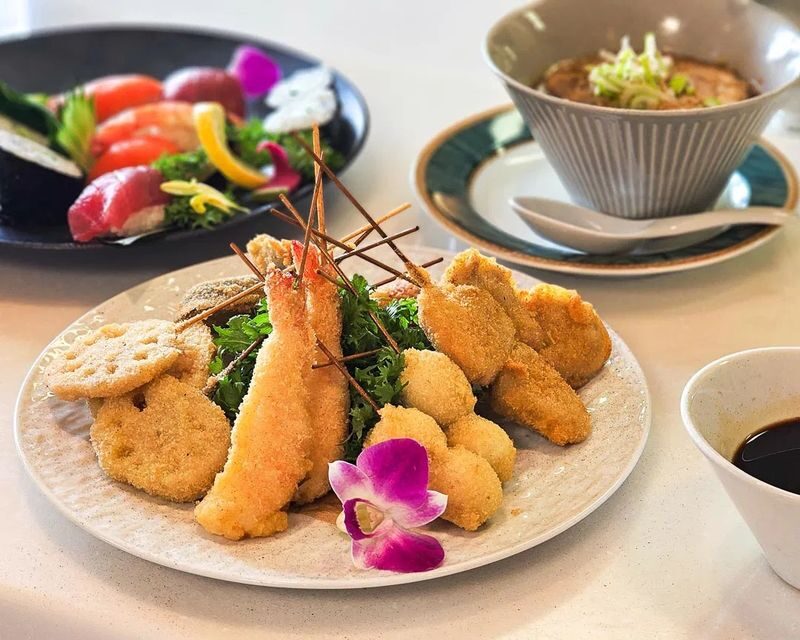
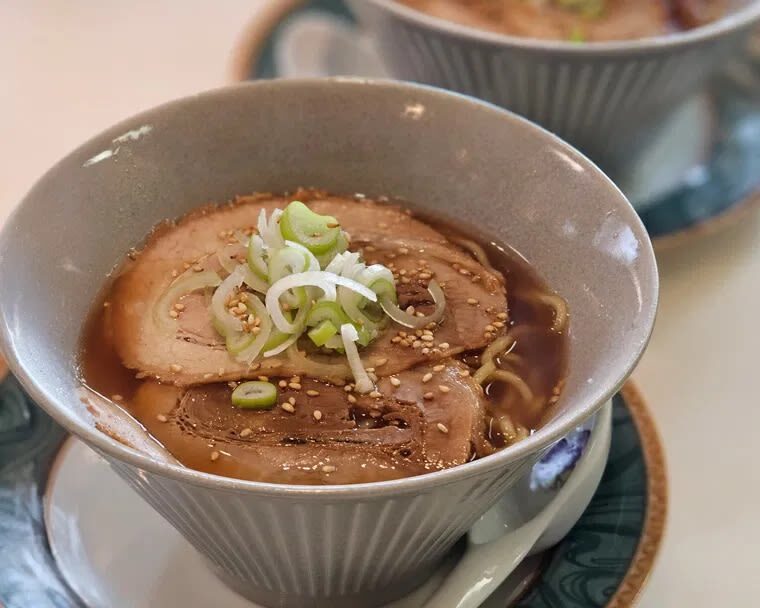
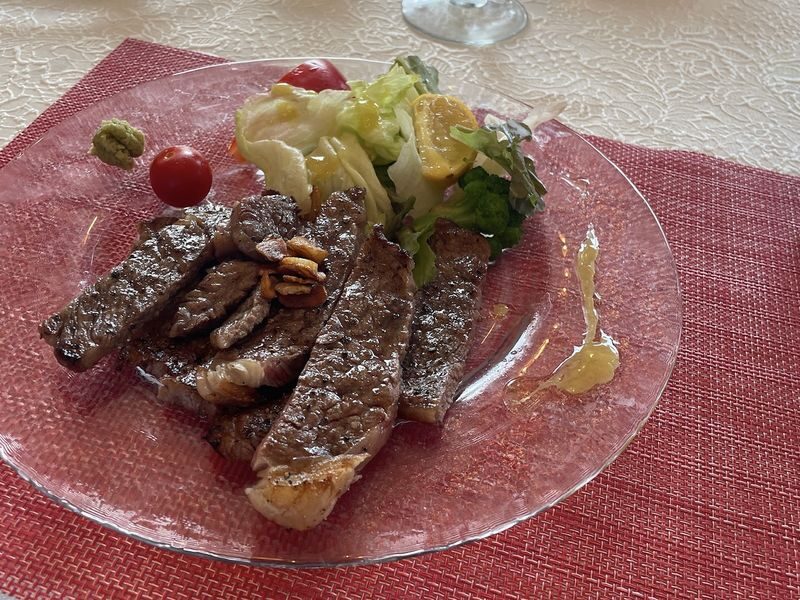
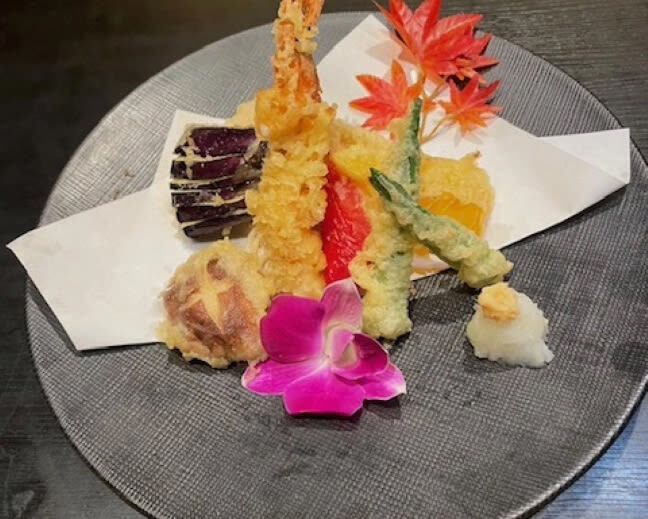
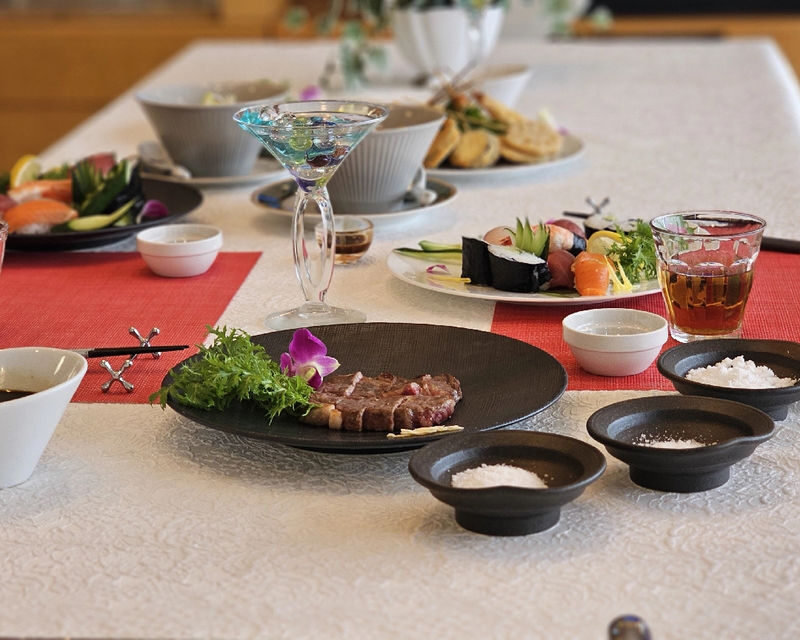
- A real home kitchen: The class takes place in Katsuji and Mayumi’s home in Toyonaka, about a 10-minute walk from Shonai Station.
- Tea comes first: Start in a traditional-style tearoom with a tea ceremony and hand-whisked matcha.
- Pick one shared menu: Choose ramen, kushikatsu, wagyu, tempura, or a colorful sushi bento option, depending on the package. Everyone in your group must select the same main dish.
- Sushi is hands-on: You’ll prepare sushi with ingredients and tools supplied for the class. The experience can include learning to slice fish and shape or arrange sushi.
- A keepsake is included: Katsuji makes calligraphy art to take home, often personalized with names and a message.
- Allow two to two and a half hours: The ramen and colorful sushi bento classes are two hours; the kushikatsu, wagyu, and tempura options are two and a half hours.
A Tea Ceremony in Katsuji’s Home
The class begins in an authentic tearoom in the hosts’ home. Here, Katsuji or a member of the English-speaking team guides you through a Japanese tea ceremony and serves matcha whisked by hand. It is a quieter opening than the cooking portion, and it gives you a chance to slow down before the kitchen gets lively.
The ceremony is part of the value, not just a prelude to lunch. You get a small, guided introduction to a cultural practice that can feel formal from the outside, but is easier to appreciate when you’re shown what to do and invited to take part. If you have never tried matcha, this is a low-pressure way to taste it and see how it is prepared.
The setting also matters. You are in a private home rather than a restaurant or classroom, so the tone is personal. Katsuji and Mayumi are often described as warm and encouraging, and that kind of hospitality can make a real difference if you feel unsure about cooking or unfamiliar customs.
Sushi Skills You Can Use Again
After tea, you move into the kitchen. The class includes ingredients and tools, plus an apron, so you do not need to bring cooking equipment. Katsuji has decades of experience in the food industry, and the lesson puts that experience to work in practical ways.
Sushi preparation is a central part of the session. You may learn how to handle and slice fish, then shape and arrange sushi for serving. The process is more than putting toppings on rice. Careful cutting and presentation are part of what makes sushi appealing, and you get to see those details up close rather than only ordering the finished dish.
The atmosphere is designed for participation, not a test of your cooking ability. If you are new to sushi-making, you can follow the host’s explanations and try each step with guidance. If you already cook at home, you may still pick up useful knife or presentation tips to try again in your own kitchen.
Vegetarian and vegan sushi can be arranged. The hosts also ask you to share allergies or dietary needs in advance, and the class can accommodate halal-certified, kosher, and pescetarian requirements. For mixed vegetarian and non-vegetarian groups, reserve at least a week ahead so the hosts can plan.
Choose Ramen, Wagyu, Tempura, or Kushikatsu
The second dish is where you tailor the class. The two-hour option pairs sushi with ramen. Other packages run two and a half hours and pair sushi with kushikatsu, wagyu, or tempura. There is also a two-hour colorful sushi bento class with tea ceremony.
Ramen is an appealing choice if you want to learn about a familiar Japanese favorite, but keep your expectations clear. The noodles are ready-made, and the class does not make them from scratch. The focus is on preparing and assembling the dish; the ramen portion may feel shorter or less hands-on than the sushi work.
If you want a more substantial cooking focus, consider one of the longer options. Wagyu gives the meal a special-occasion feel, while tempura and kushikatsu offer different ways to enjoy fried foods. The supplied information does not spell out every step in each menu, so choose based on the dish you most want to prepare and eat, rather than assuming every package teaches the same techniques.
There’s one important group rule: everyone in your party must select the same main dish. If one person wants ramen and another wants wagyu, you’ll need to agree on a single package before booking. This is especially worth sorting out with children or a larger group, when appetites and preferences can differ.
Sit Down to Eat What You Make
Once the cooking is done, you eat your own work. That gives the class a satisfying finish: the activity is not just a lesson, and lunch is not a separate stop. Drinks are included, and the ingredients and cooking tools are part of the package.
The food is also a chance to appreciate the work behind dishes that can look simple on a restaurant table. Sushi cutting, shaping, and arranging take care; ramen assembly has its own sequence. Making a meal yourself helps connect those small steps to the finished plate.
Plan to arrive on time so you can take part in the full session. The class lasts two hours for ramen and sushi or colorful sushi bento, and two and a half hours for the kushikatsu, wagyu, and tempura options. That’s enough time for a cultural introduction, cooking, and a shared meal without taking over the whole day.
Calligraphy Makes a Personal Souvenir
Before you leave, Katsuji provides calligraphy art to take home. The souvenir is more personal than a standard shop purchase: it may feature your name and a message, and the hosts have been known to tailor the writing to the people they meet.
This small detail helps the class feel complete. You leave with a tangible reminder of the visit, alongside any recipes or cooking tips shared during the session. It is light to pack, and it carries a memory of the hosts and the time spent in their home.
Getting to the Home in Toyonaka
The meeting point is in Toyonaka, Osaka, at the listed address of 〒561-0854 Osaka, Toyonaka. The private venue is about a 10-minute walk from Shonai Station. Transportation to and from the venue is not included, so factor in the train journey and walk when planning your day.
Use the more detailed directions and Google Maps link supplied with your booking confirmation. The address can be tricky for taxi drivers to locate, so do not rely on simply giving a driver the general area. A mobile voucher is accepted, and the voucher is valid only for the date and time you booked.
The activity is stroller-friendly. Infants and children must be included in the passenger headcount. Children aged 6 to 10 need to attend with a paying adult, and those aged 11 or older pay the adult rate.
Is This Class Worth the Price?
Prices start at $82.49, with the final cost depending on the package. The value comes from combining a guided tea ceremony, cooking instruction, ingredients, tools, apron rental, drinks, a meal, and calligraphy in one visit. You are also spending time with Katsuji, whose food-industry experience spans 38 years, and Mayumi in their own home.
That makes the class a stronger fit for someone who values personal contact and cultural context as much as a recipe. It is less compelling if your only goal is to learn how to make ramen noodles from scratch, since the noodles are ready-made. If you are focused on sushi technique, a home setting, or a family activity that includes both food and tradition, the package offers more than a standard cooking lesson.
The starting price is not a small add-on, especially once you account for getting to Toyonaka. But the duration, meal, instruction, tea ceremony, and souvenir make it a fuller experience than a brief demonstration. For a couple or family looking to set aside part of an Osaka day for cooking and conversation, it can be a good use of the budget.
Who Should Book This Experience?
I’d put this class high on the list for first-time visitors who want to do more than eat at restaurants. It gives you direct contact with Japanese food traditions, practical sushi instruction, and time with local hosts in a home setting. Couples, families, and small groups can all take part, provided everyone agrees on the same main dish.
It also suits cooks who enjoy learning by doing, but you do not need to arrive with kitchen skills. The hosts guide the steps, and the class is built to keep participants involved. Children may particularly enjoy making food, though families should check the age and headcount rules before booking.
If you are short on time, pick the two-hour ramen and sushi or sushi bento class. If you want a longer session and prefer wagyu, tempura, or kushikatsu, book the matching two-and-a-half-hour option. Vegetarian and other dietary needs should be raised in advance; vegetarian or vegan sushi is available, but a vegetarian ramen substitute may be udon or another Japanese dish and may not taste like the regular version.
Should You Book It?
Book this class if you want an intimate food experience with more than one part to it: tea, sushi, a chosen main dish, a meal, and calligraphy. The personal home setting and Katsuji and Mayumi’s hospitality are central to its appeal, not extras around a restaurant-style lesson.
Skip it if your main aim is to learn every step of ramen production, especially making noodles or broth from scratch. For everyone else, this is a thoughtful way to spend a couple of hours in the Osaka area, with useful cooking skills and a personal keepsake to carry home.
Cultural Cooking Class Featuring Ramen Sushi and Tea Ceremony
“What an enjoyable experience! Full of kindness, patience, and warmth. The sushi, tea and ramen were delicious, but the care and compassion of our h…”
FAQ
Where does the cooking class take place?
It takes place in a private home in Toyonaka, Osaka, at the listed address 〒561-0854 Osaka, Toyonaka. The venue is about a 10-minute walk from Shonai Station.
How long does the class last?
The ramen and sushi class and the colorful sushi bento class last two hours. The kushikatsu, wagyu, and tempura classes last two and a half hours.
What food can I choose to make?
Package options include sushi paired with ramen, kushikatsu, wagyu, or tempura, as well as a colorful sushi bento class. The whole group must choose the same main dish.
Are the ramen noodles made from scratch?
No. The ramen uses ready-made noodles. The class focuses on preparing and assembling the dish rather than making noodles from scratch.
Is the tea ceremony included?
Yes. A tea ceremony with hand-whisked matcha is included in each package.
Can the class accommodate vegetarian or vegan diets?
Vegetarian and vegan sushi is available. Vegetarian ramen may be replaced with udon or another Japanese dish, and it may not taste like the regular ramen. Tell the hosts about dietary needs in advance.
Can the class accommodate allergies or other dietary requirements?
The activity can accommodate halal-certified, kosher, and pescetarian diets, as well as vegetarian and vegan diets. Inform the hosts about allergies or dietary restrictions in advance.
Is transportation to the venue included?
No. Transportation to and from the venue is not included. The home is about a 10-minute walk from Shonai Station.
What are the rules for children?
Infants and children must be included in the passenger headcount. Children aged 6 to 10 must attend with a paying adult, and children aged 11 or older are charged the adult rate.