The best part of this Busan food experience happens before you turn on the stove: your host takes you through a local market and shows you how seasonal ingredients fit into everyday Korean cooking. Then you head to Baeromodi for a hands-on class and a meal you have made yourself.
I like two things here: you learn how to recognize and use ingredients, not just follow a recipe, and the meal comes with banchan, drinks, dessert, and recipes to take home. One thing to plan around: the class usually takes about three and a half hours, and can run close to four, so leave breathing room in your day.
- Key points to know
- A market visit that gives the meal context
- From Nampodong to Baeromodi’s kitchen
- Choosing between the three Korean menus
- The meal is part of the lesson
- How much time to set aside
- What the price includes, and how to judge the value
- Who will enjoy this class most
- Should you book the Busan market and cooking class?
- FAQ
- How long does the Busan market tour and cooking class take?
- What time does the activity start?
- Where does the activity meet?
- What dishes can I choose to cook?
- Is cooking experience required?
- Is the class taught in English?
- Are meals and drinks included?
- Can the class accommodate dietary needs?
- What is the minimum age?
- What happens if I arrive late?
- The Best Of Busan!
- More Shopping Tours in Busan
- More Tours in Busan
- More Tour Reviews in Busan
- Not for you? Here's more nearby things to do in Busan we have reviewed
Key points to know
 1 / 9
 2 / 9
 3 / 9
 4 / 9
 5 / 9
 6 / 9
 7 / 9
 8 / 9
 9 / 9
- Start at a local market: See fresh, seasonal ingredients with a host before cooking.
- Choose a menu: Options include seafood pajeon and japchae, bibimbap with hot-pot bulgogi, or gimbap and tteokbokki.
- Cook and eat together: Ingredients, tools, aprons, English instruction, and a full meal are included.
- Expect more than the main dish: Banchan, traditional drinks, dessert, and take-home recipes are part of the experience.
- Tell the host about dietary needs early: Halal-friendly, vegetarian, and vegan options are available, and allergies can be accommodated.
- Allow extra time: Plan for three and a half hours, with the possibility of taking up to four.

👉 See our pick of the 4 Best 3 Day Tours In Busan
A market visit that gives the meal context
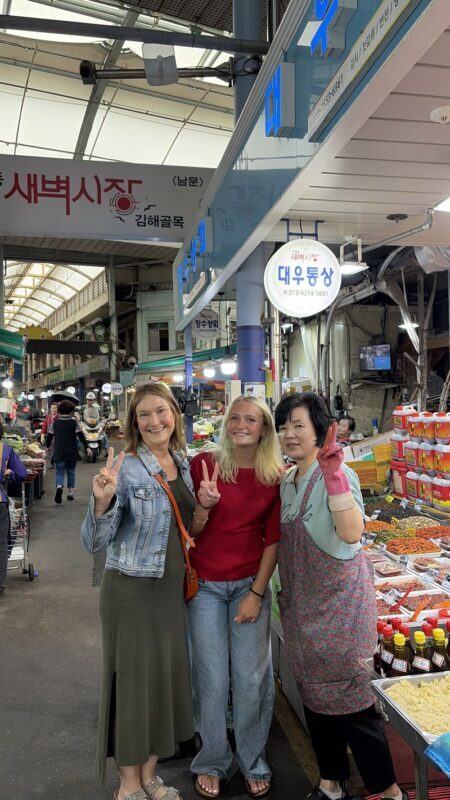
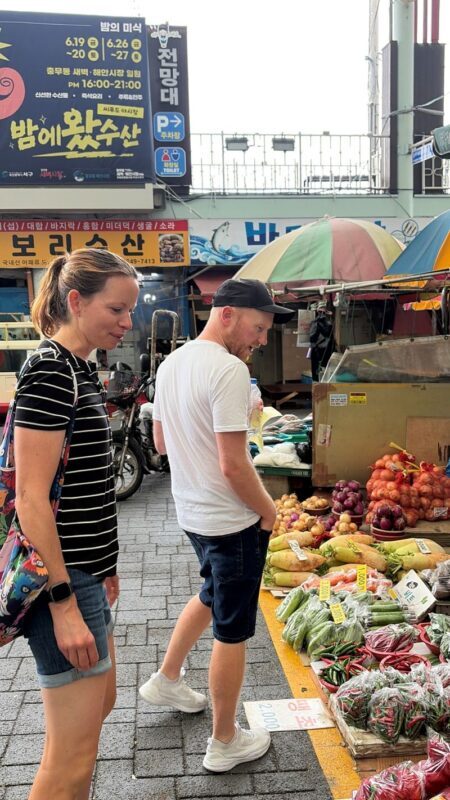
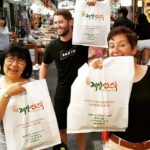
The tour begins with a guided walk through a local market in the Nampodong area. Rather than starting with a recipe card, you first see the ingredients that help make Korean dishes taste and look the way they do. Your host introduces seasonal produce and local foods, and explains how to choose and use the ingredients you will work with later.
That small change in order matters. In a restaurant, a bowl of bibimbap or a plate of japchae arrives ready to eat. At the market, you can start to understand what goes into it and how food shopping fits into daily life. If you are new to Korean cuisine, the market stop gives useful context without requiring you to know ingredient names in advance.
The walk is guided, but the exact route and items you see may depend on the season and what is available. That means the market portion is not a fixed display. It is an introduction to the food on hand, which can make the experience feel more connected to the day and place.
Keep your expectations practical: this is a short visit attached to a cooking class, not a long market expedition. You will have time to look, ask questions, and learn about ingredients, but the main event is still preparing and sharing a meal at the studio.
You can also read our reviews of more shopping tours in Busan


From Nampodong to Baeromodi’s kitchen
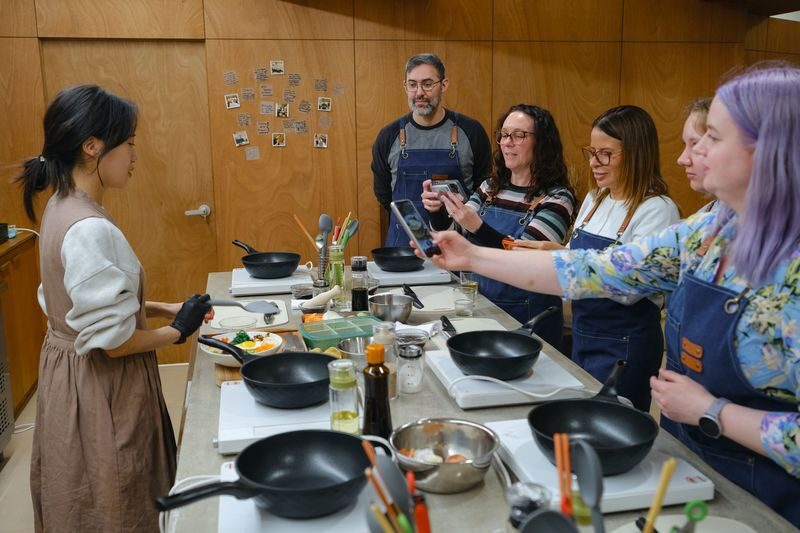
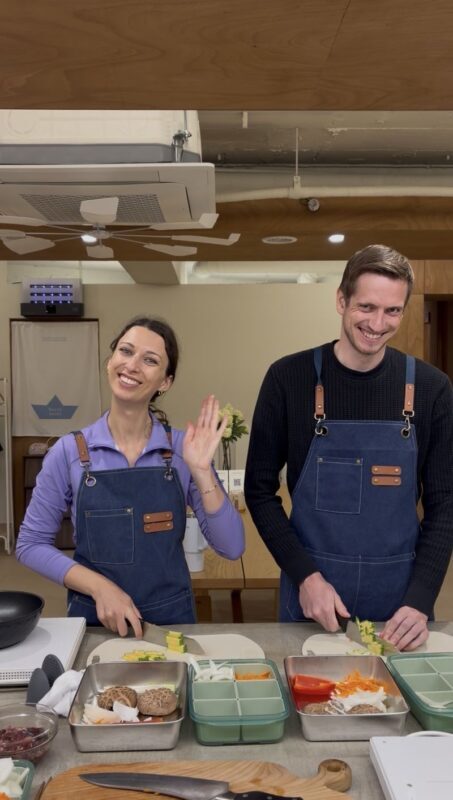
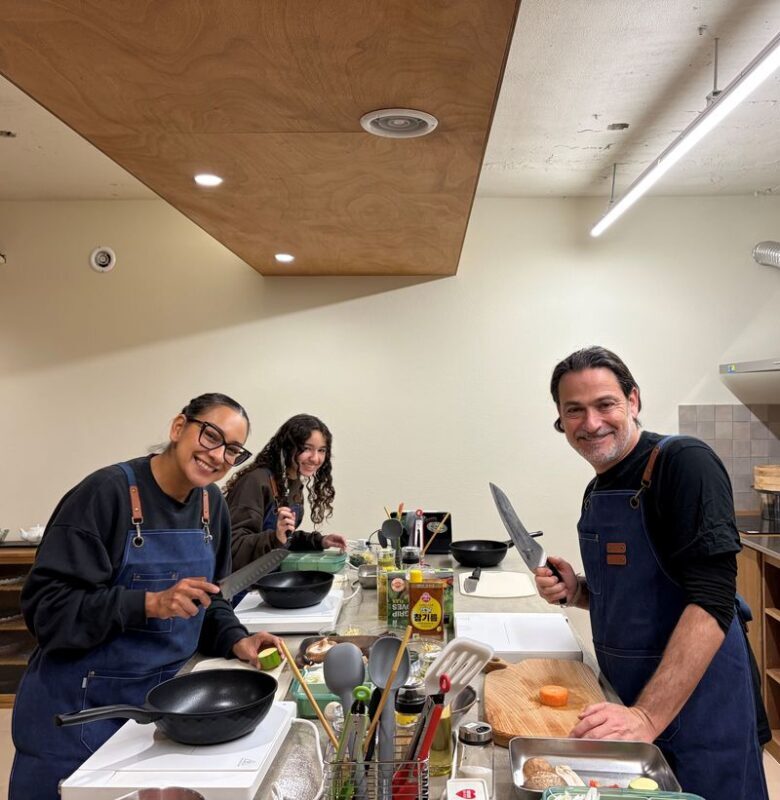
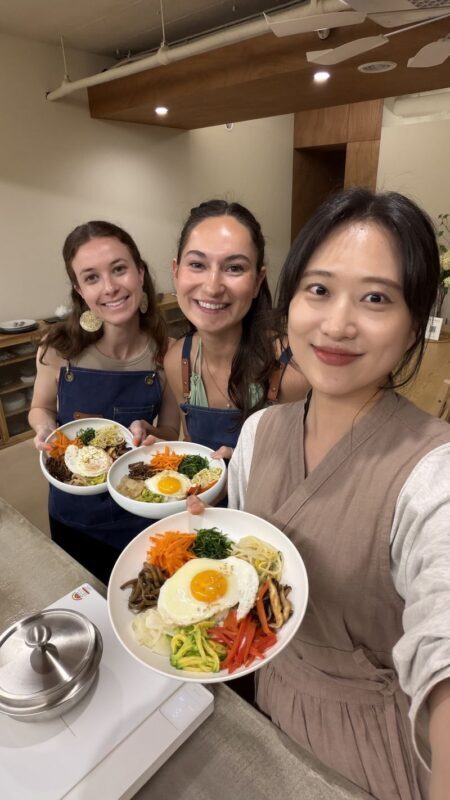
After the market, the group heads to Baeromodi, a cooking studio described as cozy and styled with Korean cultural touches. The class is designed for international visitors, and instruction is in English. You do not need previous cooking experience: the host guides you through the preparation step by step, with the ingredients, tools, and apron provided.
That setup makes the class a good fit if you want to try cooking Korean food but do not want to guess your way through unfamiliar ingredients. You can focus on the task in front of you, ask questions, and learn as you go. A small-group format is intended to keep the mood relaxed and give you more contact with the host than a large demonstration would.
The teaching can also work for people who are not fluent in English or Korean. A participant who spoke neither language described following the instructor through playful demonstrations. That is encouraging if you feel unsure about language, though English is the stated teaching language and no class can promise that every instruction will be understood without it.
The studio also makes room for photos and videos during the market visit and class. If you like documenting a trip, you can capture the process as well as the finished dishes. Just keep your phone out of the way when you are chopping or handling hot cookware.
Choosing between the three Korean menus
The package determines what you cook, so check the menu carefully before booking. The three choices offer different ways into Korean home and street food.
Seafood pajeon and japchae pair a savory seafood pancake with japchae, a noodle dish. The combination gives you two different textures and techniques to learn. This is the menu shown in the package details, but the actual dishes may change with the season and ingredient availability.
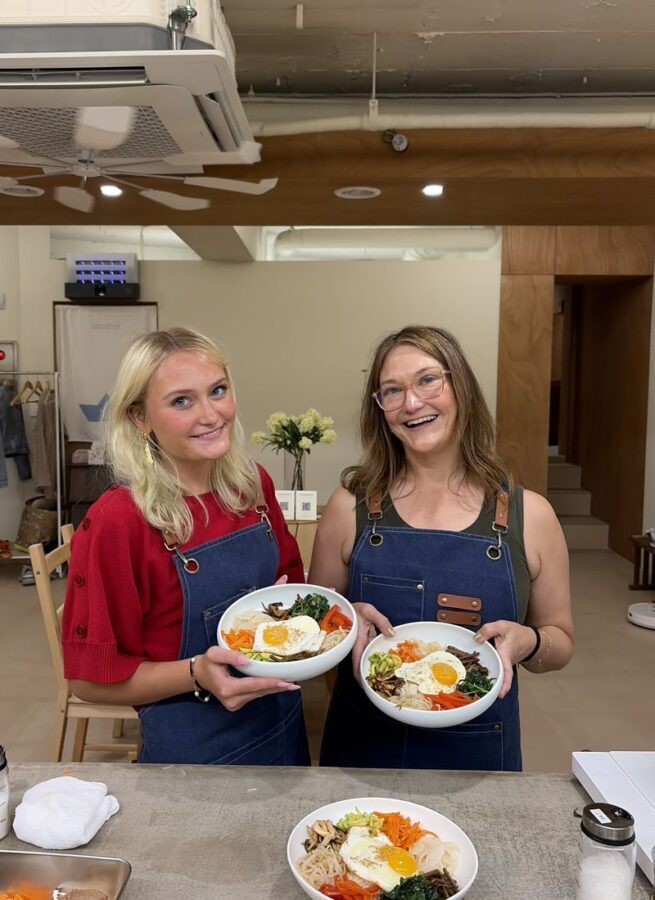
Bibimbap and ttukbaegi bulgogi bring together a mixed rice dish and marinated beef served in a hot pot. It is the option to consider if you want a meal built around rice, vegetables, and a meat dish. The hot-pot presentation adds a different cooking format from a pancake or noodle-focused class.
Gimbap and tteokbokki are presented as a Korean street-food cooking experience. Pick this menu if you are especially curious about familiar market and snack-bar foods, rather than a meal centered on a hot-pot dish.
The menu names are useful guides, but they do not guarantee a completely fixed recipe. Seasonal availability can change what is prepared. If a particular ingredient is important to you, especially for dietary or allergy reasons, tell the host when booking and confirm the details rather than relying on the menu title alone.
The meal is part of the lesson
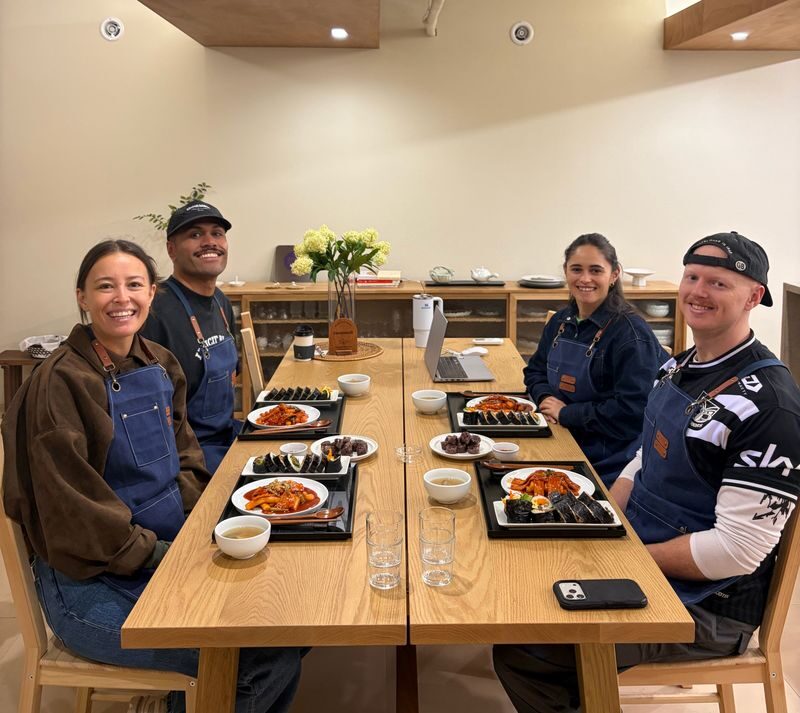
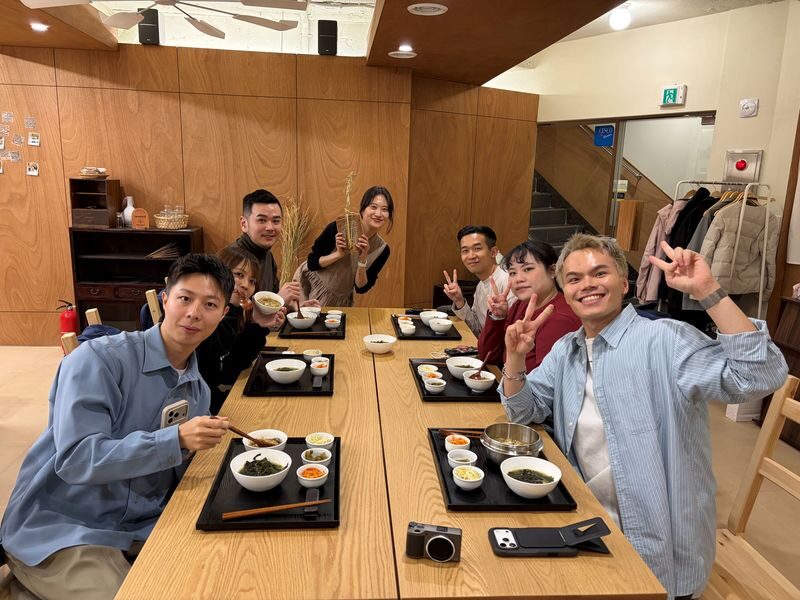
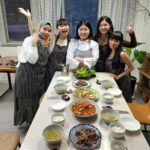
Once the cooking is done, you sit down and eat what you have prepared. That shared meal is more than a convenient finish. It gives you a chance to taste the results while the ingredients and techniques are still fresh in your mind.
Banchan, or Korean side dishes, are included, along with traditional drinks and dessert. These extras help make the meal feel like a broader introduction to Korean food rather than a single recipe served on its own. You also receive recipes to take home, so the experience can continue after your trip.
Food trivia is another welcome part of the class. It can make the lesson more memorable than simply being told which step comes next. The instructor has been praised for a warm manner and playful teaching, and the studio has been described as stylish. Those personal touches matter in a class where you are learning as a group, particularly if you are nervous about making mistakes.
The meal is included in the price, but do not assume it will replace every meal for the day. Appetite varies, and the experience is built around a cooked lunch or meal with sides, drinks, and dessert. If you have strict dietary requirements, make those clear before the class so the host has a chance to plan.
How much time to set aside
The experience is advertised as three hours in the summary, while the detailed schedule says it usually takes about three and a half hours and may take up to four, depending on the group’s pace and interaction. I would plan around the longer estimate. Cooking is social, and questions or a slower group can stretch the timetable.
A 10:30 departure is offered, with a listed return time of 14:00. Treat those times as a guide for the selected session, not a promise that you will be free at exactly 14:00. Traffic and weather can also affect the schedule, so avoid booking a tight onward connection.
The meeting information gives the address as 8, Jungang-daero 29beon-gil, and says the location is a five-minute bus ride from Busan Station toward Nampo-dong, followed by a three-minute walk from Exit 7 of Nampo Station. Check your booking confirmation for the precise meeting details and selected time. Arrive ten minutes early: the class starts promptly, and late arrivals or no-shows are not refunded.
Participants must be at least 13. Infants and children must be included in the passenger headcount, but the activity itself is not open to children under 13. If you are booking for a family, check that every participant meets the age requirement before paying.
You can also read our reviews of more tours and experiences in Busan




What the price includes, and how to judge the value
The tour is advertised from $98.49, while the individual menu packages are shown from $89.55. Those are different starting prices, so check the current amount for your chosen date and menu before booking. The quoted cost includes the Baeromodi cooking class, ingredients, cooking tools, English instruction, the meal, and beverages. The guided market visit and recipes are also included in the experience.
For value, compare it with what you would pay for a meal alone. The point here is not just lunch: you get a market introduction, guided cooking, a meal with extras, and a recipe to take away. If you are interested in food culture and like learning by doing, that combination can justify more than the cost of an ordinary restaurant meal.
It may be less worthwhile if you mainly want a quick meal or prefer to spend your time sightseeing independently. The activity takes a substantial part of a day, and the schedule can stretch. Other personal expenses are not included, so bring money for anything you choose to buy separately.
Who will enjoy this class most
I would recommend this experience to curious eaters who want a practical introduction to Korean food and do not mind getting involved. It suits first-time cooks as well as people who already enjoy cooking, since no prior skill is required and the host leads each step.
It is also a good choice if you want a shared activity that is more social than a standard meal. The market walk gives you something to talk about before the class, and sitting down to eat together gives the session a natural finish. If you are traveling with someone who has a different level of interest in cooking, the market and meal may still appeal even if one person is more enthusiastic about the hands-on part.
Dietary flexibility is a real advantage, but it depends on advance communication. Halal-friendly, vegetarian, and vegan choices are available, and allergies or other restrictions can be accommodated. Do not leave that conversation until you arrive. Send your requirements when booking and make sure the selected menu works for you.
Should you book the Busan market and cooking class?
Book it if you want to learn how Korean ingredients turn into familiar dishes, enjoy a small-group cooking session, and have time for a leisurely meal afterward. The market stop, English instruction, menu choices, banchan, drinks, dessert, and recipes make this a full food-focused outing rather than a quick lesson.
Skip it if your schedule is packed, you only want to sample restaurant food, or you need a strict end time. The session can take up to four hours, and menu details may change with seasonal ingredients. For the best fit, choose your dish with care, share dietary needs before booking, and leave your afternoon open.
Busan Local Market Tour & Korean Cooking Class
“Even though I can't speak English or Korean, the instructor taught me in various fun ways. I'm glad I got to experience it. The instructor is very…”
FAQ
How long does the Busan market tour and cooking class take?
It usually takes about three and a half hours. Depending on the group’s pace and interaction, it can take up to four hours.
What time does the activity start?
A 10:30 departure is offered. The available time depends on the option you select when booking, so check your confirmation.
Where does the activity meet?
The address provided is 8, Jungang-daero 29beon-gil in Busan. The location is described as a five-minute bus ride from Busan Station toward Nampo-dong and a three-minute walk from Exit 7 of Nampo Station.
What dishes can I choose to cook?
The listed options are seafood pajeon and japchae, bibimbap and ttukbaegi bulgogi, or gimbap and tteokbokki. The menu may change depending on the season and ingredient availability.
Is cooking experience required?
No. The host guides you through the cooking steps, and the ingredients and tools are provided.
Is the class taught in English?
Yes. English instruction is included.
Are meals and drinks included?
Yes. The experience includes the meal you prepare, banchan, traditional drinks, and dessert.
Can the class accommodate dietary needs?
Halal-friendly, vegetarian, and vegan options are available. Allergies and other dietary restrictions can be accommodated, but you should tell the host in advance when booking.
What is the minimum age?
Participants must be at least 13 years old. Infants and children must be included in the passenger headcount, but children under 13 cannot participate.
What happens if I arrive late?
The class starts promptly. Late arrivals and no-shows cannot be refunded, so arrive at the meeting point ten minutes before your selected departure time.