A painted tile and a shophouse facade give you two ways into Peranakan culture: one through a decorative art form, the other through the buildings that shape old Singapore streets. At this four-hour workshop, you learn about Chinese and Malay influences while making both pieces, then see the Peranakan Mansion where the session takes place.
I like that the workshop pairs hands-on painting with cultural context, rather than treating the art as a craft project on its own. I also like the chance to wear a Nyonya sarong kebaya and explore the mansion’s ornate interiors. The main consideration is time: four hours is a substantial afternoon, and the minimum group size is four.
- Key points to know
- A four-hour introduction to Peranakan art
- Starting with Peranakan culture and architecture
- Painting a Majolica-inspired tile
- Painting the shophouse facade
- Trying on a Nyonya sarong kebaya
- Finishing with a tour of the mansion
- Who will get the most from this afternoon
- Is the price fair for what you get?
- Practical details before you book
- Should you book the Peranakan painting workshop?
- FAQ
- How long is the workshop?
- Where does the workshop take place?
- What will I paint?
- Are painting materials included?
- Is a guide included?
- Are snacks included?
- Can I wear a Nyonya sarong kebaya?
- Can I take photographs?
- What is the minimum age?
- Can I cancel my booking for a refund?
- The Best Of Singapore!
- More Historical Tours in Singapore
- More Tours in Singapore
- More Tour Reviews in Singapore
- Not for you? Here's more nearby things to do in Singapore we have reviewed
Key points to know
 1 / 4
 2 / 4
 3 / 4
 4 / 4
- Two projects, one session: Paint a Majolica-inspired tile and an image of a Singapore shophouse facade.
- Culture comes before and between the crafts: The afternoon includes a presentation about Peranakan people, culture and architecture.
- Baba Clarence leads the session: He is both the guide and owner of the privately owned mansion.
- Dress-up is part of the visit: You can put on a Nyonya sarong kebaya and take personal photos.
- Plan for a full afternoon: The workshop runs four hours from 1pm and includes snacks, materials and museum admission.
- Check the final price before booking: The supplied prices show different starting amounts, and cancellations and refunds are not allowed.
👉 See our pick of the 25 Best Guided Tours In Singapore
A four-hour introduction to Peranakan art
This is more than a painting class, but it is still a practical workshop. You spend part of the afternoon learning how Peranakan motifs, colors and architecture connect, then put that context to work on your own tile and shophouse painting.
The focus is the Peranakan community’s blend of Chinese and Malay cultures. That mixture is visible in its distinctive art and architecture, and the workshop uses those subjects to make a broad cultural story easier to grasp. Instead of simply looking at decorative objects, you get to study their patterns and colors as you make your own.
The session takes place at Singapore Peranakan Mansion, also described as the Peranakan Museum at Joo Chiat. It is a privately owned museum with artefacts from Baba Clarence’s personal collection as well as items donated by others. That setting adds a useful layer to the afternoon: the building and its objects are not just a backdrop for painting, but part of the subject you are there to understand.
The four-hour format gives the programme room to move beyond a quick demonstration. You can expect a history presentation, two painting activities, the kebaya option and a museum tour. The exact time spent on each part is not specified, so it is best to arrive ready for an afternoon that balances listening, making and looking.
You can also read our reviews of more historical tours in Singapore


Starting with Peranakan culture and architecture
The session begins with a short presentation on Peranakan people, culture and architecture, with a focus on Chinese Peranakans. This introduction matters because motifs and building styles can look like attractive decoration when you meet them without context. A little background helps you notice how the workshop’s tile and shophouse subjects relate to a distinct community and its cultural influences.
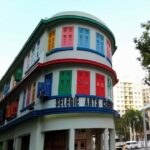
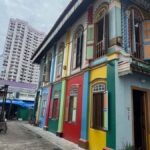
The presentation also sets up the architectural side of the workshop. Shophouses are an iconic part of Singapore’s built environment, and the activity explores why their facades matter within the city’s cultural story. You are not just copying a row of windows or a painted surface; you are learning to pay attention to the visual features that make this style recognizable.
The information provided does not set out a lecture syllabus or promise a particular level of historical detail. If you are hoping for a long academic talk, this may not be that. The session is designed to pair a concise introduction with practical work and a museum visit, which is likely a better fit if you learn by seeing and doing.
Painting a Majolica-inspired tile
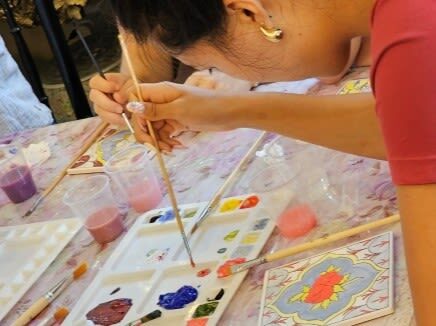
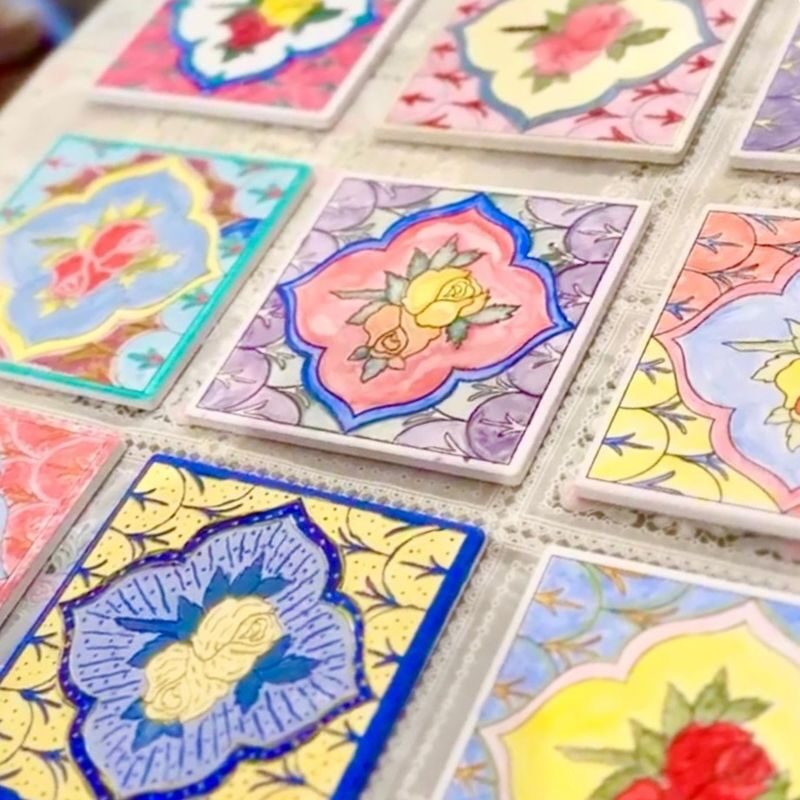
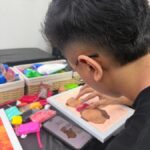
The first hands-on project is a tile inspired by Majolica designs. You learn about painting techniques, color palettes and design elements associated with Peranakan art, then use the supplied tools and materials to make your own piece.
That practical step is the workshop’s strongest idea. A pattern becomes easier to understand when you have to think about how its shapes and colors fit together. You can take your time with the choices in front of you, and the guide’s context can help you connect the design to the culture behind it.
The tile is one of two separate projects, so it is worth thinking of the afternoon as a creative class rather than a quick souvenir stop. The information provided does not specify whether the finished tile is fired, how long it takes to dry or how you take it home. If those details matter to you, ask the provider before booking rather than assuming the piece will be ready for travel that day.
All necessary tools and materials are included, so you do not need to bring painting supplies. Snacks are included too, a practical touch during a four-hour activity. Outside food and drinks are not allowed.
Painting the shophouse facade
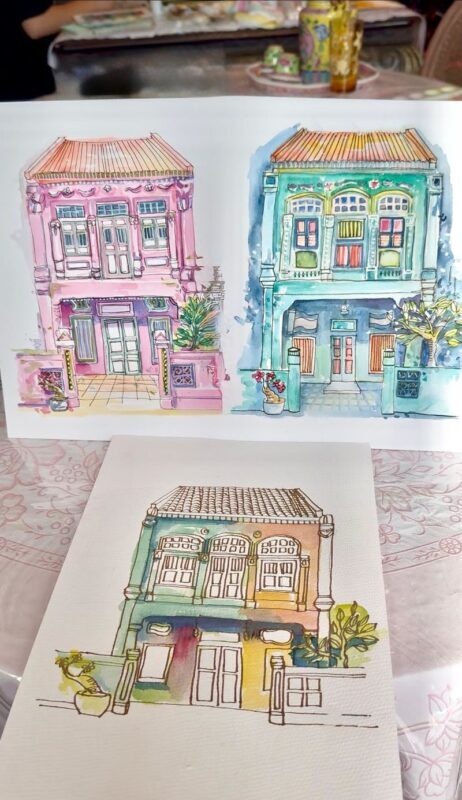
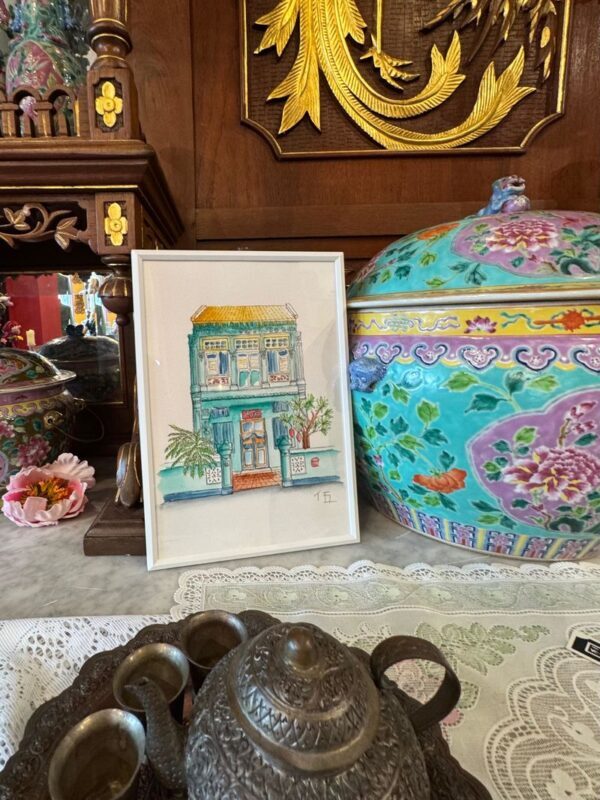
The second project turns from a single decorative tile to a familiar architectural subject: the Singapore shophouse. You paint an iconic facade while exploring the design elements and colors connected with Peranakan architecture.
This change of scale is useful. The tile lets you focus on a contained pattern, while the facade asks you to consider a building as a composition. Together, the projects give you two different ways to notice cultural design, one small and ornamental, the other tied to the streetscape.
You do not need to arrive with painting experience listed as a requirement. The workshop is guided, and all materials are supplied. Still, the activity is about making your own work, not simply watching an artist demonstrate, so expect to spend time concentrating on the paintings.
The workshop description does not promise a specific finished style or level of instruction. Go in with curiosity rather than a fixed idea of what your painting should look like. The value is in learning the visual language and trying it yourself, not in producing a perfect piece.
Trying on a Nyonya sarong kebaya
There is an option to dress in a Nyonya sarong kebaya and take photos or videos inside the mansion’s ornate interiors. It adds a personal, visual element to an afternoon that might otherwise be all history and paint.
The clothing is also a way to connect the visit to Peranakan identity, rather than treating the mansion as a series of objects to inspect. If you like travel photos with a sense of place, this could be one of the most memorable parts of the session. The details provided do not say whether the outfit is available to every participant or how much time is set aside, so treat it as an option rather than the central activity.
Personal photography on a handheld mobile phone is allowed without flash. DSLRs and larger handheld cameras are permitted subject to a camera fee. Commercial filming and large-scale shoots require prior permission, and commercial reproduction of museum or exhibit images is not allowed without explicit approval.
You can also read our reviews of more tours and experiences in Singapore



Finishing with a tour of the mansion
The afternoon includes a tour of the museum, which brings the painting subjects back into the setting where they belong. The mansion holds artefacts from Baba Clarence’s personal collection and objects donated by others, giving you a chance to see material culture alongside the ideas discussed earlier.
This is a valuable final step because the workshop does not end at the worktable. You have first heard about Peranakan culture, then tried its visual forms, and finally get to look around a collection linked to the same community. The order creates a natural progression from explanation to making to observation.
The museum is privately owned, so it may feel different from a large public institution. The tour takes place among artefacts, and the rules are strict for good reason: do not run, lean on display cases or touch exhibits. You may be liable for damage costs if an artefact is broken.
Who will get the most from this afternoon
This workshop suits you if you enjoy making things and want more cultural context than a standard craft class provides. It also works well for someone who is curious about Singapore’s Peranakan heritage, especially the links between Chinese and Malay influences, decorative art and shophouse architecture.
It could be a good choice for a local using the SG Culture Pass, as the activity is eligible. It also offers an approachable way to introduce a visiting friend or family member to a distinctive part of Singapore’s culture without relying only on a museum display. The age minimum is three, though younger participants may find a four-hour programme long; the provided information does not describe special arrangements for children.
If you are mainly seeking a short activity, this is not the best fit. Four hours is a meaningful commitment, and the programme includes both painting and a cultural visit. If your interest is only in taking photos in the kebaya, check how the dress-up option is handled before booking, since the available details do not specify its timing.
Is the price fair for what you get?
The supplied price information gives two different starting amounts: US$86.15 in the experience summary and US$78.35 for the named package. Prices may depend on the booking details, so confirm the amount shown for your date before paying.
For the cost, you are getting a four-hour guided activity, admission to the workshop and mansion, two painting projects, materials, snacks and an English-speaking guide. That is a fuller outing than a basic class where you only paint one object and leave. The cultural introduction and museum tour add value if you want to understand what you are making, not just take home a craft.
The price may feel less compelling if you are not interested in the history, architecture or museum component. In that case, you may be paying for parts of the programme you do not care about. There is also a no-cancellation, no-refund policy, so book only when your plans are firm.
Practical details before you book
The workshop begins at 1pm and lasts four hours. The meeting point is Peranakan Mansion, at 283A Joo Chiat Road, Singapore 427537. The voucher is valid only on the date and time specified, and you can present it on your phone.
At least four participants are needed for the activity to run. If the minimum is not met, you can book an alternative date or request a full refund. Confirmation should arrive within minutes; if it does not, contact customer support.
Participants must be aged three or older. Anyone who appears intoxicated may be refused service, with no refund in that case. Keep your phone handy for personal photos, but switch off flash around the collection and follow the museum’s rules.
Should you book the Peranakan painting workshop?
Book it if you want an afternoon that joins making, cultural context and a museum visit. The combination of tile painting, shophouse art, a kebaya option and a tour of Baba Clarence’s privately owned mansion gives you more than a stand-alone craft class.
Skip it if you want a brief activity, dislike structured group sessions or mainly want to browse a museum at your own pace. For everyone else, the strongest reason to go is the balance: you learn a little, make two things and leave with a clearer eye for Peranakan design in Singapore.
Brushes of Heritage: Peranakan Tile & Shophouse Painting Workshop
“I signed up for the 'Peranakan Tile & Shophouse Painting Workshop' using my SG Culture Pass. I was expecting just a painting workshop but was treat…”
FAQ
How long is the workshop?
It lasts four hours and begins at 1pm.
Where does the workshop take place?
It takes place at Singapore Peranakan Mansion, also described as the Peranakan Museum at Joo Chiat, at 283A Joo Chiat Road, Singapore 427537.
What will I paint?
You will paint a Majolica-inspired tile and an image of a shophouse facade.
Are painting materials included?
Yes. All necessary tools and materials are included.
Is a guide included?
Yes. The workshop includes an English-speaking guide. Baba Clarence, the mansion’s owner, leads the session.
Are snacks included?
Yes, snacks are included. Outside food and drinks are not allowed.
Can I wear a Nyonya sarong kebaya?
The workshop offers the option to wear one and take personal photos and videos in the mansion’s interiors.
Can I take photographs?
Handheld mobile phones may be used for personal, non-commercial photography without flash. DSLRs and larger handheld cameras are permitted subject to a camera fee.
What is the minimum age?
Participants must be at least three years old.
Can I cancel my booking for a refund?
No. Cancellations and refunds are not permitted.