Chongqing’s signature trick is a train that seems to pass straight through an apartment block. This tour pairs that Liziba spectacle with two other memorable ways to read the city: a ride above the Yangtze and a wander through Ciqikou’s old lanes. I like the contrast, and I like that one day links major sights without asking you to plan every transfer yourself.
The trade-off is pace. Chongqing sprawls across steep terrain, so fitting several landmarks into a day means walking, moving on, and sometimes spending little time at each stop. Check the route and guide language before you book, especially if you want a slower visit or historical-site stops.
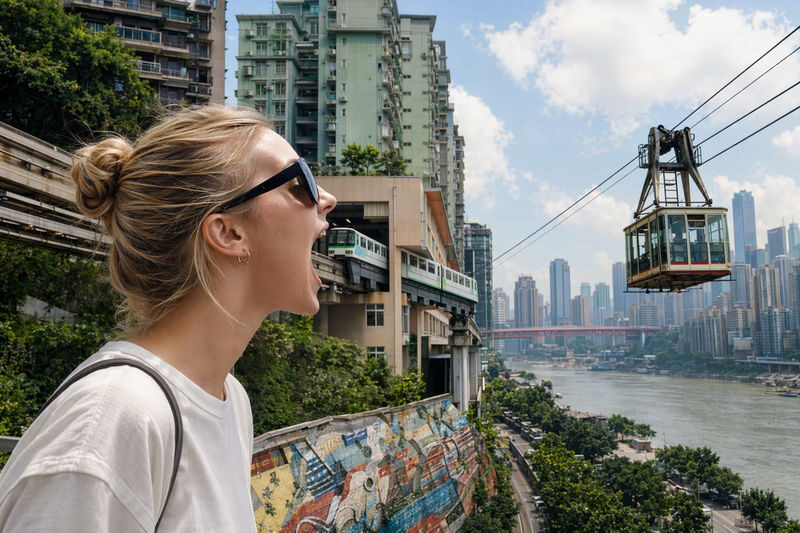
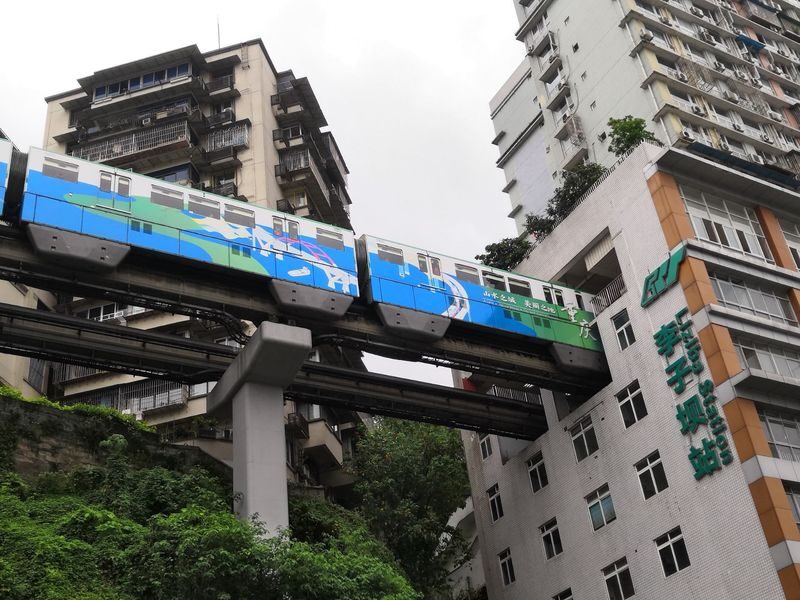
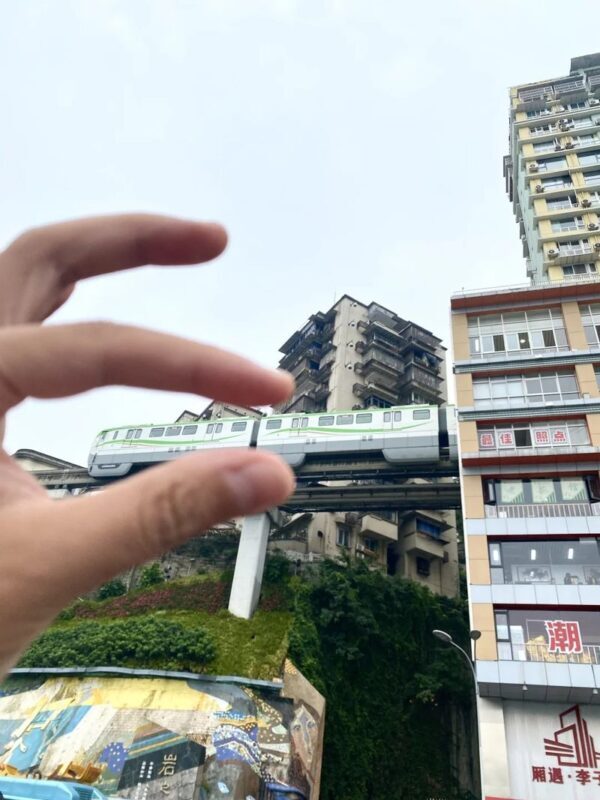
- Liziba’s passing train: Watch the light rail enter the building from a dedicated viewing area.
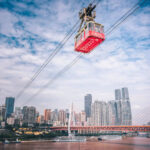
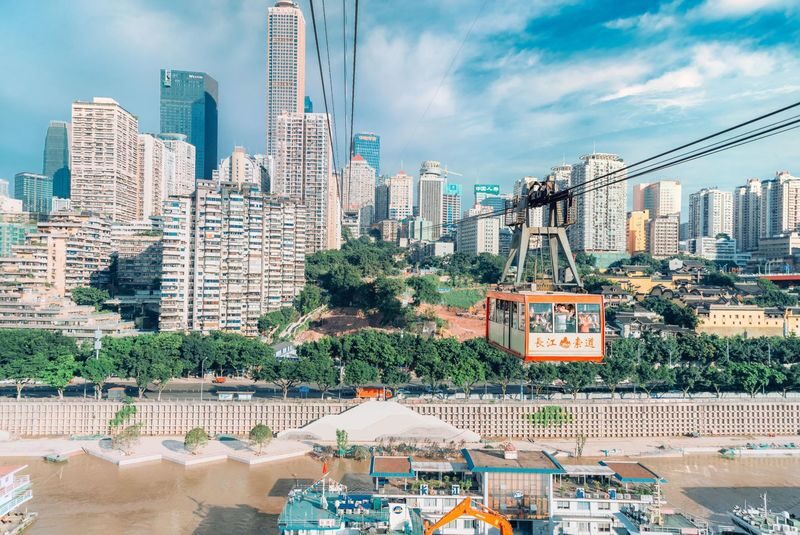
- Yangtze River Cableway: Cross the river in a cabin, with a broad view of Chongqing’s layered city.
- Ciqikou’s food and lanes: Make time for local snacks such as Chen Mahua fried dough twists.
- A landmark-heavy route: The People’s Auditorium, Liziba, Ciqikou and the cableway are the core named stops.
- Possible extra history stops: Huayan Temple, Bai Mansion and Zhazidong appear on some versions of the day tour, so confirm what is scheduled for your date.
- A full day on foot: Bring comfortable shoes, and be ready for a compact schedule.
- Chongqing’s 8D character in one day
- The People’s Auditorium sets a grand opening
- Liziba makes the city’s transport feel theatrical
- Huayan Temple offers a quieter counterpoint
- Bai Mansion and Zhazidong bring a sobering history
- Ciqikou is the place to pause for snacks
- The Yangtze cableway is the day’s big view
- A full schedule means sensible shoes
- What the .35 starting price is worth
- Who should book this Chongqing day tour
- FAQ
- What are the main stops on the tour?
- How much does the tour cost?
- Is the Yangtze River Cableway part of the tour?
- What language does the guide speak?
- Is there a lot of walking?
- Can I book for tomorrow, and what are the cancellation terms?
- The Best Of Chongqing!
- More City Tours in Chongqing
- More Tours in Chongqing
- More Tour Reviews in Chongqing
- Not for you? Here's more nearby things to do in Chongqing we have reviewed
Chongqing’s 8D character in one day
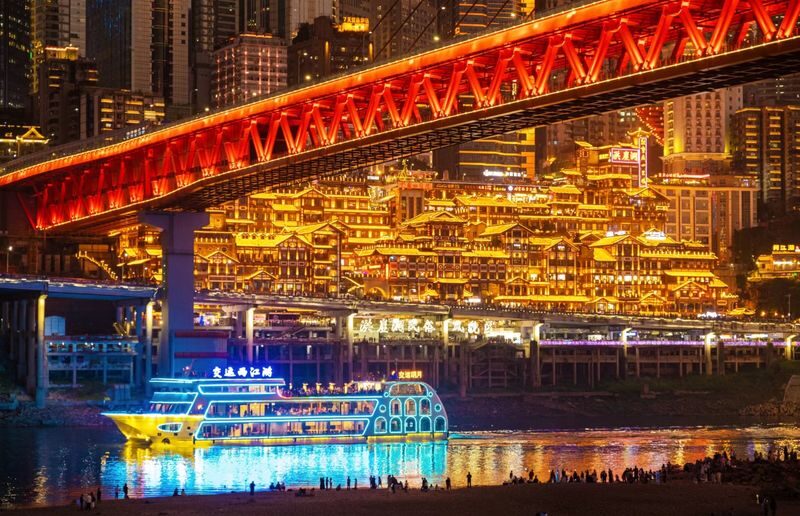
Chongqing is famous for its steep streets, stacked levels and transport that seems to defy a simple map. This tour is built around that sense of vertical city life. You move from formal civic architecture to a train line woven into the urban fabric, then from old-town lanes to a cable car crossing the Yangtze.
The core itinerary names the People’s Auditorium, Liziba Light Rail, Ciqikou Ancient Town and the Yangtze River Cableway. That is a strong first-day sampler: grand public space, an unusual piece of infrastructure, a traditional commercial district and a river crossing that doubles as a city viewpoint.
Some versions of Chongqing’s one-day route also include Huayan Temple, Bai Mansion or Zhazidong. Those stops add quiet religious spaces and sobering modern history, but they can change the day’s rhythm. Before booking, check which places are actually included on your selected date rather than assuming every stop mentioned in tour descriptions will fit into one itinerary.
The starting price is $12.35, which makes the tour appealing if you want a low-cost way to get oriented. But price alone does not tell you which admission fees or transport fares are included. Check the package details, especially for the cableway and any optional or additional attractions, so you can compare the total cost with planning the same route independently.

👉 See our pick of the 3 Best 3 Day Tours In Chongqing
The People’s Auditorium sets a grand opening
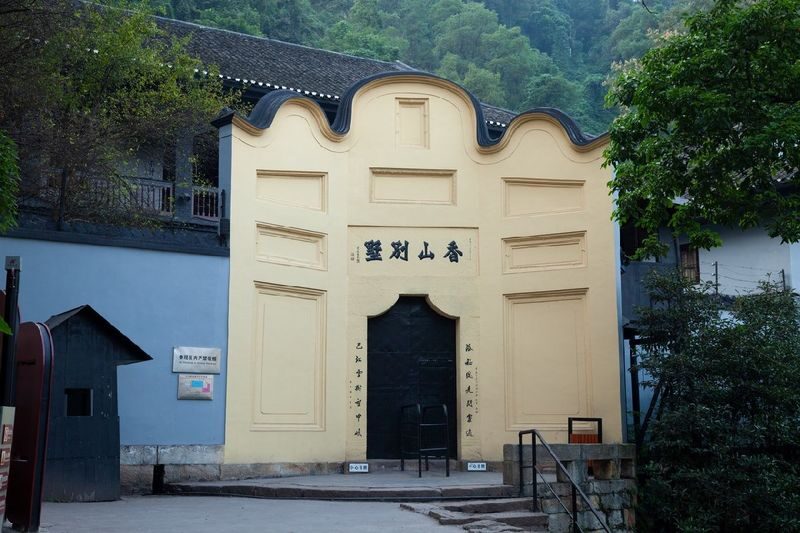
The People’s Auditorium gives the day a formal start. Its scale and ceremonial feel make a useful contrast with Chongqing’s crowded streets and everyday transport. If you enjoy architecture, take a moment to look beyond the first photo and notice how the building changes the mood of the surrounding area.
This stop is also a chance to begin understanding Chongqing as more than a collection of viral images. The city has civic landmarks, busy neighborhoods and layers of history alongside its dramatic terrain. A guide can help connect those pieces, but the available information does not specify a guide’s language for every departure, so confirm that detail if explanations matter to you.
The main limitation is time. The tour covers multiple parts of a large city, and a stop that looks roomy on a map may be brief in practice. If the auditorium is one of your priorities, ask how long the group spends there and whether the visit is mainly for viewing and photos.
You can also read our reviews of more city tours in Chongqing


Liziba makes the city’s transport feel theatrical
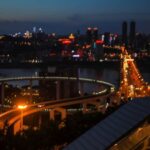
At Liziba, the light rail passes through a building, a sight that earns its reputation without needing much explanation. The viewing platform is the place to wait for the train to arrive. Be patient: the memorable moment is the train entering the structure, so a quick glance from the bus or street will not do it justice.
I like this stop because it shows how Chongqing’s transport is shaped by the city rather than neatly separated from it. The railway and building share the same vertical space, and that one practical design choice has become one of the city’s defining images. It is a quick lesson in why people call Chongqing an 8D city.
The viewpoint can draw a crowd, particularly when a train is due, and the photo moment depends on timing. Keep your camera ready, but don’t spend the whole stop looking at a screen. If you get a clear view, watch the train pass once, then take your picture.
Huayan Temple offers a quieter counterpoint
Huayan Temple is not listed among the four core stops in the tour’s main route description, but it appears in versions of the day that include additional sites. If it is on your departure’s schedule, expect a change of pace from the city’s transport spectacle. The temple grounds are described as extensive, with a Golden Buddha and an outdoor Great Buddha among the features that make the visit memorable.
This is a useful addition for anyone who wants more than architecture and photo stops. A temple visit gives the day a calmer pause, and the contrast with Liziba can make both places feel more distinctive. Lotus flowers have also been noted around the grounds, though their presence and appearance will depend on the season.
The catch is that extra stops do not create extra hours. A temple with broad grounds rewards a slower visit, but the group still has other places to reach. Confirm that Huayan Temple is included, and consider whether you would rather spend longer there or keep the shorter, more direct route.
Bai Mansion and Zhazidong bring a sobering history
Bai Mansion and Zhazidong are historical sites that may be included on some versions of the tour. They introduce a serious chapter of Chongqing’s past, and their atmosphere differs sharply from the cheerful snack stalls and river views elsewhere in the day. If these sites are important to you, make sure they are part of the itinerary you are booking.
A guide’s explanation can add context to places that might otherwise be difficult to interpret on a fast visit. Past guides have included Xiaoli and Jiang Dao, who were praised for explaining local culture and history, but guide assignments can change. Names and language are not guaranteed for a future departure, so treat those as examples, not promises.
Expect the mood to be more reflective here. These are not simply scenic stops to tick off before the next photo. The value comes from understanding what happened and making space for that history, even if the schedule does not allow a long visit.
Ciqikou is the place to pause for snacks
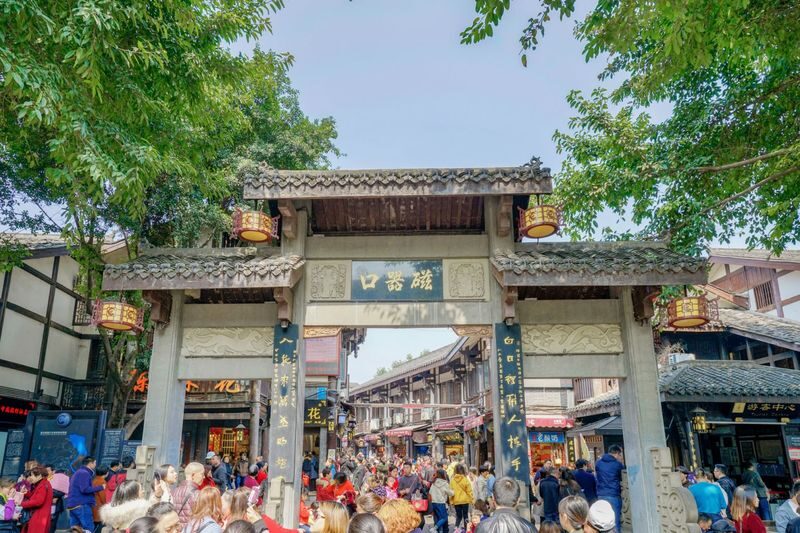
Ciqikou Ancient Town is the day’s chance to trade rapid sightseeing for old lanes, shops and local food. It is a good place to browse at your own speed, within the time allowed, and to sample something rather than treating the town as a photo backdrop. Chen Mahua, a local fried dough twist, is a popular snack to look for.
Maoxuewang, a spicy dish made with blood curd, is another local specialty mentioned as a must-try. It may not suit every palate, so check what is in it before ordering if you are unsure about strong spice or unfamiliar ingredients. If you prefer something simple, the fried twists are an easier snack to take along.
Ciqikou can feel busy, and its food stalls and shops are part of the appeal as well as a reason to keep an eye on the clock. A tight tour schedule may not leave room for a leisurely meal and extensive browsing. Decide whether you want to eat, shop or explore the lanes first, then use your free time deliberately.
You can also read our reviews of more tours and experiences in Chongqing


The Yangtze cableway is the day’s big view
The Yangtze River Cableway is the tour’s most distinctive moving viewpoint. The cabin crosses the river, offering a broad look at the water and the dense city rising around it. It is more than a way to get from one side to another: the aerial perspective helps you grasp Chongqing’s scale and layered geography.
The cableway is also the most likely place for a queue. Waiting can take a meaningful bite out of a packed day, but the river view is a strong payoff if you have the patience for it. Keep expectations practical: this is a popular attraction, so the experience may be less peaceful than a private scenic ride.
If the cableway is your top priority, ask how the tour handles the queue and whether the ride is included in the price. The package’s starting fare is low, but the information provided does not spell out every ticket inclusion. Knowing the total cost in advance makes it easier to judge whether the convenience is worth it.
A full schedule means sensible shoes
This is a day for walking shoes, not a fashion experiment. Chongqing’s steep, uneven city layout can make short distances feel longer, and the itinerary links several kinds of stops. People who are comfortable walking and moving on will get more from the day than anyone hoping to sit back between every sight.
The schedule has been described as compact, and some versions allow only a short visit at certain attractions. That is the bargain: you see a wide range of places, but you may not have the freedom to linger. If you prefer to explore one neighborhood slowly, a self-guided day may suit you better.
Organized transport can still be a real help. Chongqing’s complicated geography makes route planning a task of its own, and a group itinerary can spare you the work of connecting distant highlights. Some departures have arranged bus pickup near hotels, but do not assume that applies to every booking. Check your meeting or pickup details directly.
A Chinese-speaking guide has been specified for some versions of the tour, and English ability should not be assumed. A past guide, Xiaoli, was praised for explaining the culture and history, while another guide, Jiang Dao, was described as responsible and helpful. Those names give you a sense of the guide-led format, not a guarantee about who will lead your date.
What the $12.35 starting price is worth
At $12.35, the tour’s starting price is attractive for a day that joins several headline sights. The strongest value is not simply the number of stops. It is the chance to cover a sprawling city with less independent route planning, while getting a mix of architecture, transport, food and history in one go.
Still, treat the advertised price as a starting point, not a complete budget. The available details do not clearly itemize admissions, cableway fares, meals or other costs. Confirm what is included before paying, and compare the final figure with the cost of arranging your own transport and tickets.
The itinerary is best value for a first visit, when you want an overview and a guide’s help keeping the day moving. It is less compelling if you already know Chongqing well, want long visits at each site, or would rather choose your own meal and departure times. One past participant found that independent travel could work better for fit visitors comfortable using local trains, which is a fair point if you enjoy navigating on your own.
Booking is available as soon as tomorrow, with instant confirmation stated for the activity. Cancellation terms are shown with more than one deadline, including different rules for ordinary dates and major holidays. Read the terms shown at checkout carefully before committing, rather than relying on a short summary.
Who should book this Chongqing day tour
I would choose this tour if it is your first time in Chongqing, you have one day to spare and you want the city’s most recognizable sights without building the route yourself. It is especially suited to people who enjoy transport oddities, city views and trying local snacks, and who can handle a steady day on foot.
Families may find the mix of trains, cableway and food stops engaging, but the walking and compact pace still matter. If anyone in your group needs more rest or a slower schedule, check the route in advance and consider skipping a full-day group outing.
Book it only after confirming three details: which stops are included on your date, what the guide language will be, and which fares or admissions are covered. If the answers fit your plans, the tour offers an efficient first look at a city that can be tricky to understand from a map alone.
Chongqing Magical 8D City Full-Day Exploration Tour
“The cable car queue is long, but the aerial river view makes it worthwhile.And the food in Ciqikou is delicious.”
FAQ
What are the main stops on the tour?
The named core stops are the People’s Auditorium, Liziba Light Rail, Ciqikou Ancient Town and the Yangtze River Cableway. Some versions also include Huayan Temple, Bai Mansion or Zhazidong, so confirm the exact route for your date.
How much does the tour cost?
The price starts at $12.35. The available details do not itemize every ticket or other possible cost, so check what is included before booking.
Is the Yangtze River Cableway part of the tour?
The cableway is included in the tour’s named route. The package information does not specify whether its fare is covered by the starting price, so confirm that detail before you pay.
What language does the guide speak?
A Chinese-speaking guide is specified for some versions of the one-day tour. The guide language for every departure is not confirmed, so ask before booking if you need explanations in a particular language.
Is there a lot of walking?
Yes. The day covers several stops across Chongqing, and past participants have described it as involving plenty of walking. Comfortable walking shoes are a sensible choice.
Can I book for tomorrow, and what are the cancellation terms?
Booking for tomorrow and instant confirmation are stated as available. The cancellation information includes different deadlines and special rules for major holidays, so check the terms shown for your selected date before booking.