Rome’s Bioparco is a zoo with a setting that feels distinctly Roman: it occupies part of Villa Borghese, where landscaped grounds and a long history meet the everyday pleasures of a green city park. Founded in 1911, it now keeps more than 1,200 animals from about 200 species, with conservation and education part of its purpose.
I like two things about the plan here: you can pair wildlife with a walk through Villa Borghese, and the animal collection ranges across mammals, birds, reptiles and amphibians from five continents. One consideration is scale. This is a manageable zoo rather than a vast wildlife park, and the visit usually takes two to three hours.
- Key points before you go
- A zoological garden inside Villa Borghese
- What to expect from the animal collection
- How to make the most of a two-to-three-hour visit
- Is admission worth the starting price?
- Opening times and the best time to arrive
- Finding the entrance and getting around
- A few rules that protect the animals
- Who should book Bioparco?
- FAQ
- How long should I plan to spend at Bioparco?
- Where is Bioparco di Roma?
- What are the opening hours?
- When is the last admission?
- Is the zoo open on December 25?
- How long is the ticket valid?
- Can I bring a stroller or wheelchair?
- Are pets allowed?
- The Best Of Rome!
- More Tickets in Rome
- More Tours in Rome
- More Tour Reviews in Rome
- Not for you? Here's more nearby things to do in Rome we have reviewed
Key points before you go
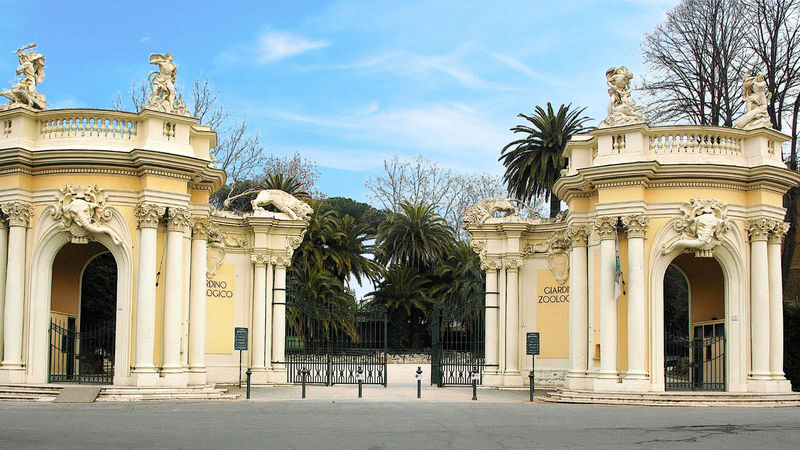


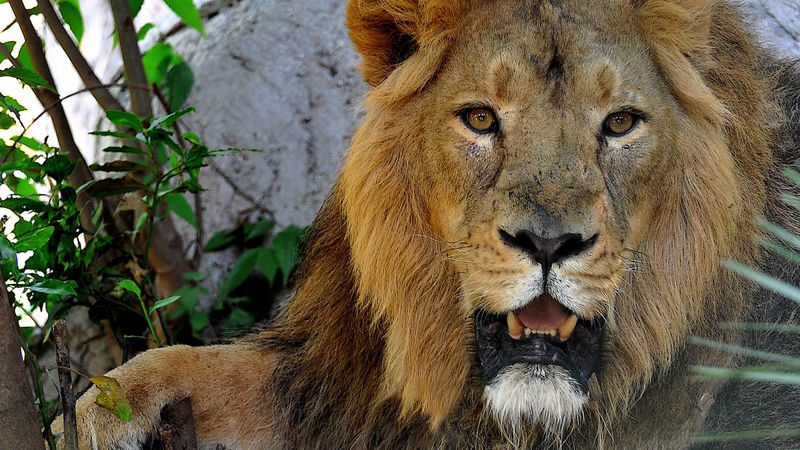
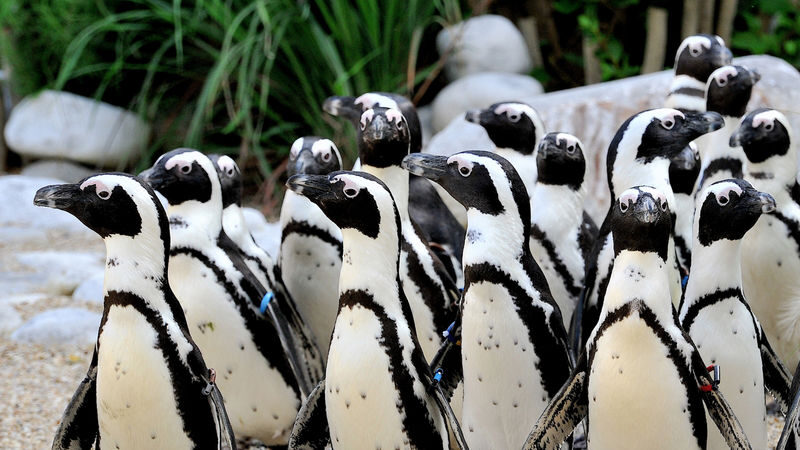
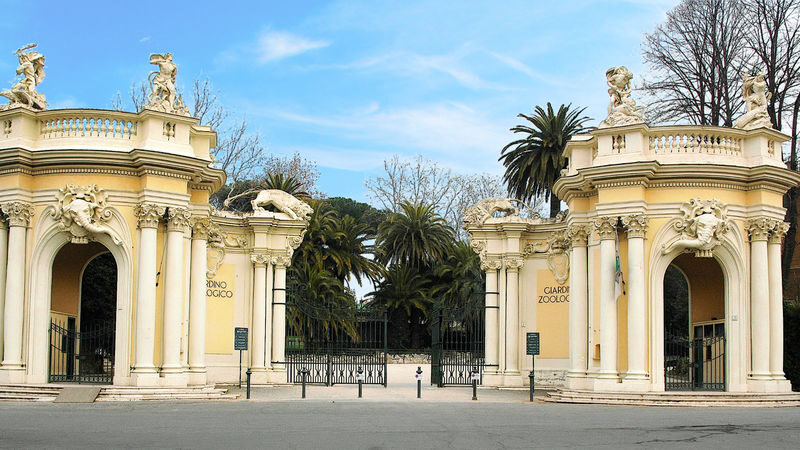
- A historic setting: Bioparco opened in 1911 and sits within Villa Borghese, one of Rome’s best-known parks.
- A broad animal collection: Expect more than 1,200 animals representing about 200 species.
- A compact visit: Set aside two to three hours, with less time if you make only a quick circuit.
- A conservation focus: The zoo presents its work in wildlife protection, environmental education and scientific research.
- Flexible ticket dates: The voucher is valid for six months from purchase, and the selected date is not binding.
- Closing time matters: The last entry is one hour before closing, and some animals move to night quarters earlier.

👉 See our pick of the 25 Best Guided Tours In Rome
A zoological garden inside Villa Borghese
Bioparco is more than a stand-alone stop to check off between Rome’s major monuments. It is part of a large park known for art and nature, so you can make the zoo one piece of a day outdoors rather than treating it as a full-day destination on its own.
The garden opened in 1911 as Rome’s Zoological Garden. Today, it presents itself as a center for conservation, environmental education and scientific research, not only a place to look at animals. That shift matters: the visit can give you some context about endangered species and biodiversity alongside the simple pleasure of seeing wildlife.
The grounds are described as lush, with garden paths shaped by the park’s cultural and natural setting. You will be walking between animal areas, not following a timed tour with a guide. No guide is included or named, so plan to explore at your own pace and use the exhibits to make sense of what you see.
You can also read our reviews of more tours and experiences in Rome



What to expect from the animal collection
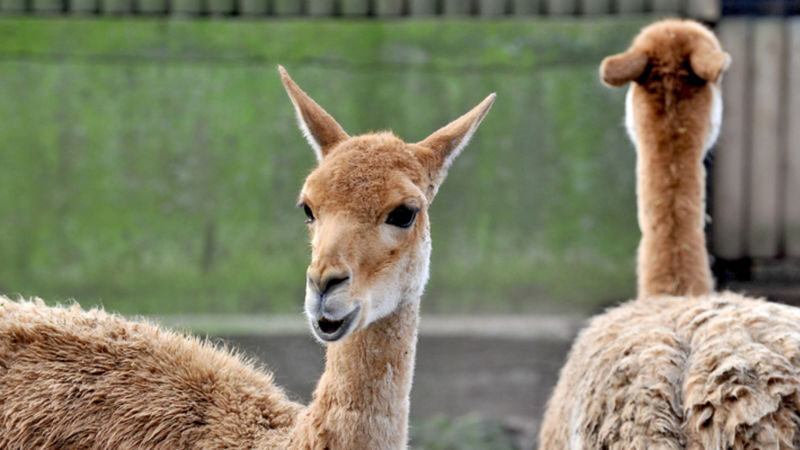
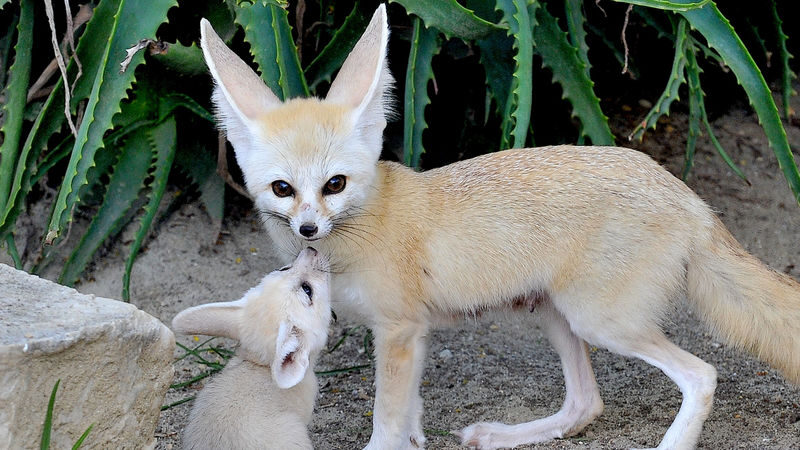
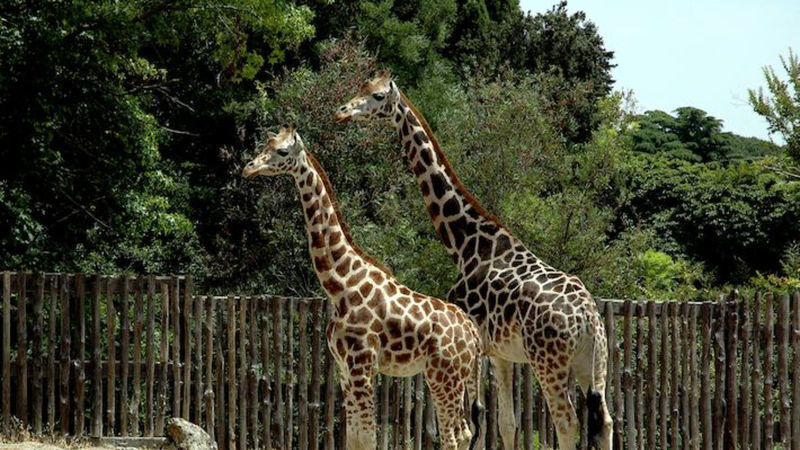
The zoo is home to more than 1,200 animals from about 200 species. The collection includes mammals, birds, reptiles and amphibians from five continents, giving you a useful range without requiring a full day to cover the grounds.
The exact animals you see, and how active they are, can vary. The practical point is to allow time to pause at habitats that interest you rather than racing around to see everything. This is a place for a relaxed circuit, not a checklist with a guaranteed viewing of every animal.
Bioparco describes its habitats as spacious and designed to support education and preservation efforts. It also works on conservation programs intended to protect endangered animals and promote biodiversity in Italy. Those aims give the visit more substance than animal spotting alone, though you should not expect a behind-the-scenes conservation tour with this admission ticket.
There is also a practical limit to the day: animals begin heading to their night quarters before the zoo closes. Reptiles move an hour before closing, chimpanzees 45 minutes before, and rhinos, giraffes, bears and elephants 30 minutes before. Big cats move 60 minutes before closing from November through March. If seeing a particular animal is high on your list, arrive early enough that you are not relying on the final hour.
How to make the most of a two-to-three-hour visit
There is no fixed itinerary or set route included with your ticket. I would treat the first few minutes as time to get oriented, then choose a steady pace that leaves room for the animal areas you care about most. The grounds offer a change of scene from Rome’s crowded streets, but trying to rush through every enclosure can make the visit feel like an errand.
Two to three hours is a sensible planning window. It gives you time for a good walk through the zoo without making the assumption that you will spend the entire day there. If you are visiting with children, build in pauses and avoid arriving close to closing, when some animals are already being moved indoors or to night quarters.
You can also make the park setting part of the plan. Since Bioparco is in Villa Borghese, it fits naturally into a day built around outdoor space. The ticket itself includes admission to the zoo only; it does not include other activities, transport or personal expenses.
The single written assessment available for this experience gives a useful expectation: the zoo is not especially large, but the variety is decent and the visit can be good. That is a fair way to frame it. Come for a pleasant, relatively contained wildlife visit, not for the scale of a sprawling safari park.
Is admission worth the starting price?
The listed starting price is $32.05 for general admission. That is best judged against what the ticket offers: entry to the zoo, a two-to-three-hour outing and access to a collection of about 200 species in a historic park setting. There is no included guide, transport or meal, so the value comes down to how much you want a break from Rome’s monuments and museums.
For a family or anyone who enjoys wildlife, the ticket can make a worthwhile half-day activity. The six-month validity is a helpful advantage: you do not have to commit to the selected date, and you can visit on another preferred day within the validity period. That flexibility is useful when Rome’s weather or your sightseeing schedule changes.
The value is less compelling if you want a large, full-day zoo or expect a guided conservation experience. The zoo’s modest scale is part of its convenience, but it also sets a limit on how much time you may want to spend there. Compare the price with your interest in animals, your available time and the other things you want to do in Rome.
Admission is the only stated inclusion. Tips and gratuities, along with personal spending, are not included. The ticket cannot be cancelled or refunded, so the flexible visit date should not be mistaken for a flexible refund policy.
Opening times and the best time to arrive
Opening hours change by season. From January 1 to March 29 and from October 26 to December 31, the zoo is open daily from 9:30 a.m. to 5 p.m. From March 30 to October 25, it is generally open daily from 9:30 a.m. to 6 p.m.
On Saturdays, Sundays and holidays from March 30 to October 5, closing time is 7 p.m. The last admission is one hour before closing, and the zoo is closed on December 25. Hours and closure dates can change, so check the latest information before setting out.
An earlier arrival gives you more time to see the grounds before animals start moving to their night quarters. It also leaves room for a slower walk, which suits a zoo better than a last-minute dash. In winter, remember that big cats move to their night quarters an hour before closing, while reptiles do so an hour before closing year-round.





Finding the entrance and getting around
The address is Bioparco di Roma, Piazzale del Viale del Giardino Zoologico 1, 00197 Roma. The meeting point is the zoo itself, and you redeem your ticket by showing your mobile voucher.
The provided directions suggest taking Rome’s red metro line to Flaminio or Spagna. If driving, take the GRA ring road, exit at Salaria centro-Parioli, then follow signs toward central Rome. The ticket does not include transport, so account for your journey separately.
The zoo is wheelchair- and stroller-accessible, but access has a few limits. Strollers are not allowed inside the Reptile House or certain other areas, and they cannot go on the Bioparco Express. There is an unsupervised stroller parking area, so keep that in mind if you would rather not leave a stroller unattended.
There is no luggage storage facility. Travel light, especially if Bioparco is one stop in a day that involves other sightseeing. Infants must be included in the passenger headcount, and infant seats are available; infants are not to sit on laps.
A few rules that protect the animals
You may not feed animals without staff permission. Avoid tapping on glass or fences, throwing objects, making loud noises or climbing over barriers. These rules are easy to follow, and they help keep the animals and people safe.
Pets are not allowed, except service animals with valid identification. Balloons, balls, skateboards, bicycles, scooters, roller skates and wheeled shoes are prohibited. If you are visiting with children, it is worth explaining the no-feeding and no-tapping rules before you reach the animal areas.
Who should book Bioparco?
I would choose Bioparco if you want a manageable wildlife outing in Rome, especially if you are travelling with children or want a calmer change from churches, ruins and galleries. The combination of a historic zoo, varied animal collection and Villa Borghese setting makes it an easy fit for a half-day outdoors.
It is also a good option if your schedule is still in flux. The ticket’s six-month validity lets you select a visit day later, though it cannot be refunded once purchased. If you are drawn to conservation and animal habitats, that purpose adds meaning to the visit, but the general ticket does not include a guided program or special access.
I would skip it if you expect a huge zoo, need a full day of activities, or are choosing solely for a guided educational tour. For most people who enjoy seeing animals and want a compact outing in a green corner of Rome, Bioparco is a sensible choice. Arrive with a few hours to spare, check the current hours, and do not save your must-see animals for closing time.
Bioparco di Roma Zoological Garden Ticket
“The zoo isn't far, and the variety of animals is decent. It's not particularly large, but the experience is good.”
FAQ
How long should I plan to spend at Bioparco?
Plan for about two to three hours. The zoo is not especially large, but a relaxed visit gives you time to explore the grounds and animal areas.
Where is Bioparco di Roma?
It is at Piazzale del Viale del Giardino Zoologico 1, 00197 Roma, inside Villa Borghese.
What are the opening hours?
From January 1 to March 29 and October 26 to December 31, it is open daily from 9:30 a.m. to 5 p.m. From March 30 to October 25, it is generally open daily from 9:30 a.m. to 6 p.m. On weekends and holidays from March 30 to October 5, it closes at 7 p.m.
When is the last admission?
The last admission is one hour before closing. Some animals move to their night quarters before closing, so arrive earlier if you have particular animals in mind.
Is the zoo open on December 25?
No. Bioparco is closed on December 25.
How long is the ticket valid?
The voucher is valid for 180 days, or six months, from the booking confirmation or purchase date. The selected date is not binding, and you may visit on a preferred date within that validity period.
Can I bring a stroller or wheelchair?
The activity is wheelchair- and stroller-accessible. Strollers are not allowed in the Reptile House or certain areas, or on the Bioparco Express; an unsupervised stroller parking area is available.
Are pets allowed?
Pets are not allowed inside the zoo, except service animals with valid identification.