Ostia Antica lets you walk through an ancient Roman port city at street level, past mosaics, public baths, temples, and a theater that still hosts performances. It is a sprawling archaeological site, not a quick stop, and you set your own pace with this admission ticket.
I like the chance to see everyday Roman spaces, not just grand monuments, and the necropolis with its second-century tombs adds a striking look at how people marked the dead. I also like that admission covers the park’s sites and museums, so you can follow your interests instead of being hurried from one stop to another.
The trade-off is that this is not a guided visit: you need to make your own way there, exchange your voucher for a ticket, and plan your route. The grounds are large, and the on-site Wi-Fi may not be available, so save your ticket and any useful information before you arrive.
- At a Glance
- A Roman Port City, Not a Single Monument
- Start With the Streets and Mosaics
- Pause at the Necropolis and Tombs
- Find the Theater and Make Room for a Pause
- Allow Three Hours, Then Add Time if You Like to Wander
- Getting There From Rome
- What the Ticket Costs, and What It Buys
- Seasonal Hours and Small Practical Details
- Who Will Get the Most From Ostia Antica?
- Should You Book This Ticket?
- FAQ
- How much does the Ostia Antica ticket cost?
- What does the general ticket include?
- Is a guide included?
- How long should I allow for the visit?
- How do I exchange my voucher for entry?
- How long is the voucher valid?
- When is the park open?
- How can I get to the archaeological site?
- Is the site wheelchair accessible, and are dogs allowed?
- The Best Of Rome!
- More Tickets in Rome
- More Tours in Rome
- More Tour Reviews in Rome
- Not for you? Here's more nearby things to do in Rome we have reviewed
At a Glance
 1 / 6
 2 / 6
 3 / 6
 4 / 6
 5 / 6
 6 / 6
- Ancient streets: Walk through the remains of a former Roman harbor city, with mosaics and traces of daily life.
- A full archaeological park: Admission includes access to the park’s sites and museums.
- Key stops: Look for the necropolis and second-century tombs, public baths, temples, marketplaces, and Roman theater.
- Time to allow: Plan around three hours to see the grounds, though your pace and interests will shape the visit.
- Independent visit: There is no guide or transport included. You exchange your voucher for a physical ticket at the ticket office.
- A practical tip: Save a photo of your voucher before leaving, since Wi-Fi may not be available on-site.

👉 See our pick of the 25 Best Guided Tours In Rome
A Roman Port City, Not a Single Monument
Ostia Antica was founded in 620 B.C., according to the site information, and served as a Roman port city central to trade and commerce. Its appeal today is the chance to move through the remains of a whole settlement rather than stand in front of one famous building and move on.
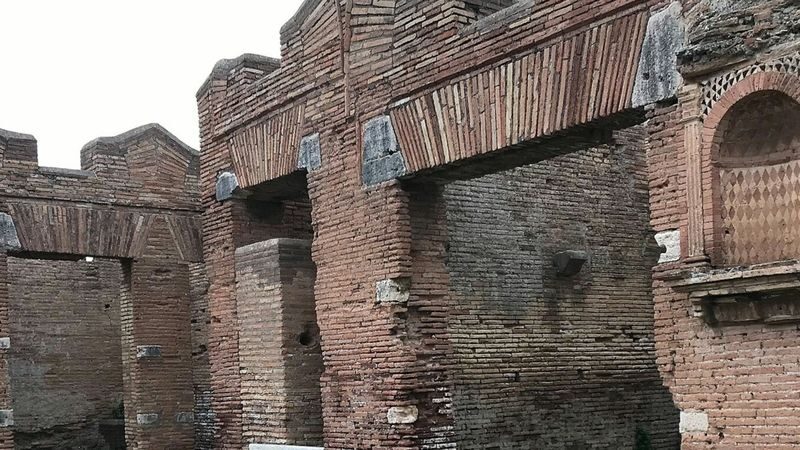
That scale changes how you should approach the visit. You can follow a street, notice how different buildings meet it, then pause at a mosaic or enter a public space. The ruins do not provide a complete picture of ancient life, but the layout gives you useful clues about how people gathered, traded, worshipped, bathed, and buried their dead.
The ticket is for independent access, not a guided tour. If you like to read the site at your own speed, that freedom is a real plus. If you want someone to explain the buildings and set a route, this ticket alone will not do that. A separate guided half-day option is available, but it is not part of this admission.
You can also read our reviews of more tours and experiences in Rome



Start With the Streets and Mosaics
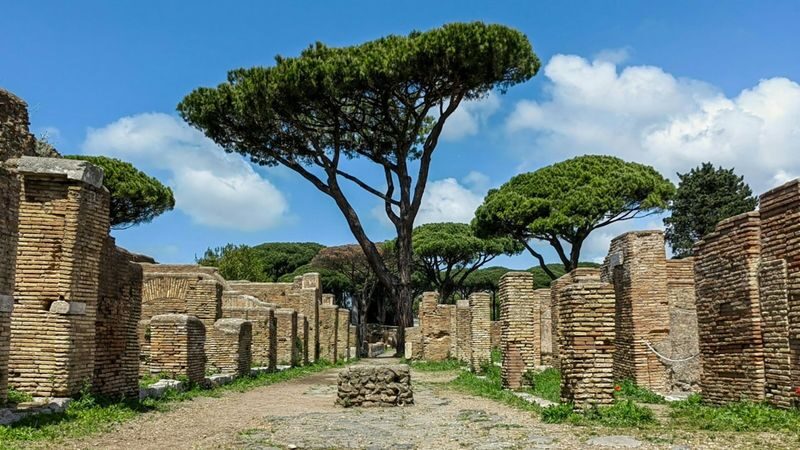
As you enter the archaeological park, think of the streets as more than a route between attractions. They are the structure that makes Ostia legible. Follow them at a comfortable pace and look for the remains of buildings on either side, including marketplaces, temples, and public baths.
Mosaics are among the clearest details to look for. Even when walls and roofs have disappeared, a patterned floor can suggest how a room was used and how much care went into it. Give yourself time to stop and look closely instead of trying to tick off every ruin. The grounds are large, and a rushed circuit can turn a memorable site into a blur of stone.
There is no fixed itinerary with this general ticket. That is useful if you want to linger, but it means you should arrive with a rough plan. You can choose to focus on the main streets and major buildings, or build in more time for the quieter corners. The park’s broad range of remains is part of its value, but it also makes a map or advance planning helpful.
Pause at the Necropolis and Tombs
The necropolis and its second-century tombs offer a different kind of stop from the public buildings. Here, the focus shifts from how a city worked to how people remembered the dead. Tombs make the past feel more personal: they point to families and individuals rather than trade routes or civic life.
Allow time to look around rather than treating this as a brief detour. The necropolis adds context to the rest of the site, reminding you that Ostia was not simply a place of work and commerce. It was also a home, with ordinary lives and losses behind the surviving stones.
The supplied visit details identify the necropolis as one of the ticket’s highlights, but do not specify a set route or interpretation panels. If you prefer detailed historical explanations, consider preparing beforehand or arranging a guide separately. With the general ticket, the visit remains yours to shape.
Find the Theater and Make Room for a Pause
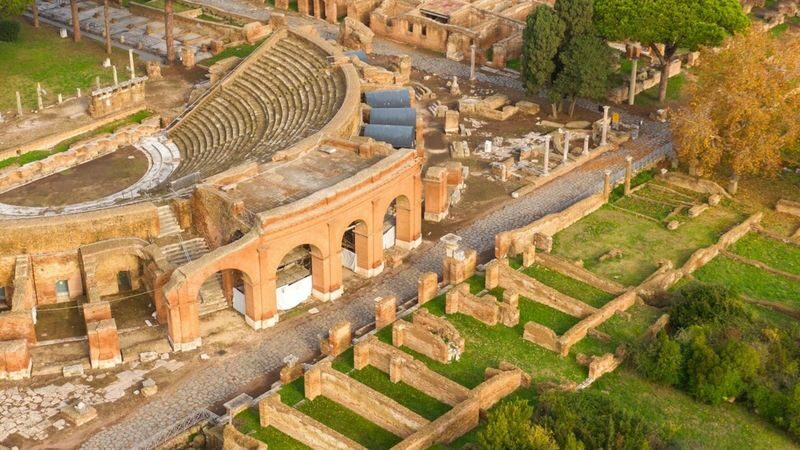
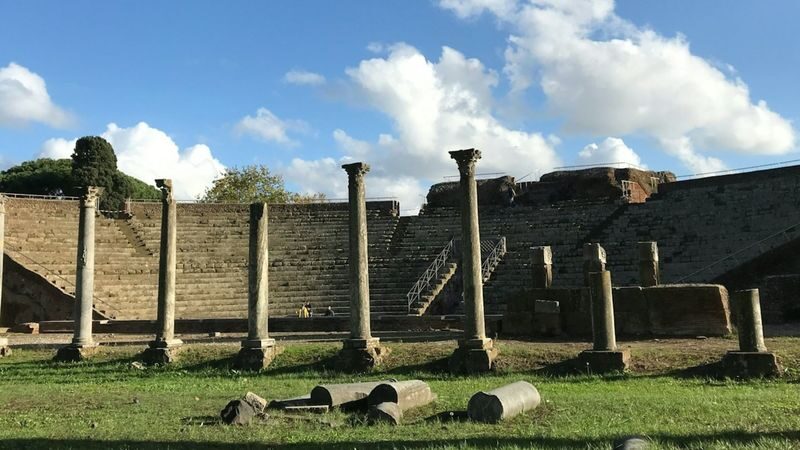
The Roman theater is another natural anchor for your visit. Its surviving structure makes the function of the space easy to picture: this was a place where people came together to watch performances. Performances still take place there, adding a living use to an ancient setting.
Even without attending a show, the theater gives you a good reason to stop and take in the surroundings. It is a contrast to the smaller, more practical spaces elsewhere in the park. I would not plan the whole visit around a performance, since the ticket information does not provide a schedule, but the theater is worth adding to your route.
The park’s greenery and calmer atmosphere also make a pause worthwhile. Ostia Antica is described as less crowded than Pompeii, though crowd levels can change and should not be treated as a guarantee. Its quieter feel is part of the appeal: you can take a breath between the larger sites and give the remains your attention.
Allow Three Hours, Then Add Time if You Like to Wander
A staff estimate puts a full look around at about three hours. Treat that as a sensible starting point, not a strict finish time. You may move faster if you focus on the headline stops, or take longer if you want to examine the mosaics, museums, and streets at an unhurried pace.
The voucher is valid for eight days from the participation date and expires at 23:59 on the last day. That gives you some flexibility around using the voucher, but the admission ticket still needs to be collected at the park’s ticket office. Present your mobile voucher there and exchange it for a physical ticket.
Save a screenshot or photo of the voucher before your visit. Wi-Fi may not be available on-site, so relying on a live connection to retrieve your booking is an avoidable risk. This is a small bit of preparation that can spare you a needless scramble at the entrance.





Getting There From Rome
The address is Viale dei Romagnoli, 717, 00119 Roma. You can take the train to Ostia Antica station, cross the pedestrian bridge, and follow the posted signs to the archaeological site. The location details also note access by bus from Porta San Paolo (Piramide), San Paolo, or EUR Magliana stations.
Transport is not included, so factor your trip to and from the park into both the cost and the day’s schedule. The directions provided are straightforward, but check current service information before setting out, since transport times and operations can change.
What the Ticket Costs, and What It Buys
The general ticket starts at $22.19. For that price, it includes admission to the Archaeological Park of Ostia Antica and access to its sites and museums. The value depends on how much of the park you plan to see: if you spend several hours exploring its streets, tombs, theater, and public buildings, the ticket covers a substantial visit rather than a single short attraction.
You should also weigh what is not included. There is no tour guide, transport, personal spending money, or gratuity in the package. If you want a guided explanation, you will need to arrange that separately. If you are content to wander independently, the ticket keeps the main cost focused on entry.
A note on the nearby castle: the supplied visit information indicates that admission to a nearby castle may also be included. Check at the ticket office before planning around it, as the general ticket details focus on Ostia Antica and do not name the castle or spell out access conditions.
The ticket cannot be cancelled or refunded, so confirm your plans before buying. Reduced or free admission may be available to eligible visitors at the ticket desk, subject to ID checks and entry rules. EU citizens aged 0 to 17 and disabled visitors are listed as eligible for free admission; EU citizens aged 18 to 25 can ask about concession tickets on-site.
Seasonal Hours and Small Practical Details
The park is open Tuesday through Sunday and closed on Mondays. From 25 October through 28 February, hours are 08:30 to 16:30; from 1 March through 31 March, 08:30 to 17:15; and from 1 April through 30 September, 08:30 to 18:30. Last admission is one hour before closing.
Opening hours and closure dates can change, so check the latest details before you go. Arriving well before last admission matters here: a large archaeological park is not a place to squeeze into the final hour and expect to see everything.
Small dogs are permitted, but must stay on a leash. The site is partially wheelchair accessible, which means access is not complete across the park. If you have specific mobility needs, check the official site before your visit so you can judge which parts will work for you.
Who Will Get the Most From Ostia Antica?
This is a good choice if you enjoy archaeology, want to see Roman life beyond the best-known city-center monuments, or prefer exploring at your own pace. The range of remains gives you several ways into the site, from the practical details of baths and marketplaces to the more reflective tombs and the theater.
It is less suited to a very short Rome stop or anyone who expects a guide and transport to be bundled in. You will need to make your own way there, plan a route, and give the visit enough time. Families and independent explorers may appreciate the freedom, while visitors who want firm historical commentary should arrange additional guidance.
Should You Book This Ticket?
Book it if you can set aside about three hours and want a quieter, wide-ranging look at an ancient Roman town. The combination of streets, mosaics, tombs, public buildings, museums, and theater makes the admission worthwhile for anyone keen to explore beyond Rome’s headline monuments.
Skip it if you have little time, do not want to travel outside central Rome, or need a guide included. And before paying, check the current hours, transport, and any reduced-admission eligibility. With a saved voucher and a little advance planning, this ticket gives you a flexible way to explore Ostia Antica on your own terms.
Archaeological Park of Ostia Antica ticket in Rome
“Since Wi-Fi is not available on-site, we recommend taking a photo of your ticket in advance. The grounds are large, and according to the staff, it…”
FAQ
How much does the Ostia Antica ticket cost?
The general ticket starts at $22.19. The price may vary, so check the current amount when booking.
What does the general ticket include?
It includes admission to the Archaeological Park of Ostia Antica and access to all sites and museums.
Is a guide included?
No. A tour guide is not included with the general ticket.
How long should I allow for the visit?
Allow about three hours to see the grounds. You may want more time if you plan to explore slowly.
How do I exchange my voucher for entry?
Present your mobile voucher at the park’s ticket office and exchange it for a physical ticket.
How long is the voucher valid?
It is valid for eight days from the participation date and expires at 23:59 on the last day.
When is the park open?
It is open Tuesday through Sunday and closed on Mondays. Hours vary by season, and last admission is one hour before closing.
How can I get to the archaeological site?
Take the train to Ostia Antica station, cross the pedestrian bridge, and follow the signs. Bus access is also listed from Porta San Paolo (Piramide), San Paolo, or EUR Magliana stations.
Is the site wheelchair accessible, and are dogs allowed?
The site is partially wheelchair accessible. Small dogs are permitted and must be kept on a leash.