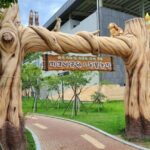
An 8-meter golden Buddha head rises from the mountain setting of Waujeongsa Temple, an arresting stop after a morning among Anseong Farmland’s seasonal flower fields. This day trip trades Seoul’s city streets for wide-open paths, photo spots and a temple unlike the familiar image of a single quiet hall.
I like two things about the plan: you get three and a half hours at the farmland, enough time to walk, take pictures and pause for lunch, and the second stop adds a striking cultural contrast rather than another garden. The practical catch is that the farmland is large, the paths can tire your legs, and flower displays depend on the weather.
- Spring color: Canola, green rye and tulips are listed for April and May.
- Summer fields: Hydrangea, lavender, roses, sunflowers and zinnia appear across the June to August calendar.
- Autumn photos: Yellow cosmos, pink muhly and pampas grass are among the seasonal draws from September into November.
- A temple with a singular focal point: Waujeongsa is known for its 8-meter golden Buddha head and unusual stone towers.
- A full day without self-driving: Round-trip transfers, admission and an English- or Chinese-speaking guide are included.
- Plan for the sun and walking: Comfortable sneakers, a hat and sunglasses make the open farmland and temple slopes easier.
- The day begins with flowers, not city traffic
- Anseong Farmland rewards a slow walk
- Lunch is your own choice and your own expense
- Waujeongsa changes the mood of the afternoon
- What the price includes, and what it does not
- Who should book this Anseong day trip
- FAQ
- How long is the Anseong Farmland visit?
- How long do you spend at Waujeongsa Temple?
- What flowers can I see?
- Is lunch included?
- What is included in the tour price?
- Where does the tour depart from?
- What time does the tour return to Seoul?
- Is the tour suitable for young children?
- The Best Of Seoul!
- More Tours in Seoul
- More Tour Reviews in Seoul
- Not for you? Here's more nearby things to do in Seoul we have reviewed
The day begins with flowers, not city traffic
The tour leaves Seoul in the morning, with pickup at Hongik University Station Exit 8 at 8:00 or Myeongdong Station Exit 1 at 8:30. The Hongik University meeting point is in front of Starbucks, while the Myeongdong pickup is in front of KEPCO. Arrive at least five minutes early, and preferably ten: the bus leaves on time, and late arrivals or no-shows are not refunded.
The drive to Anseong Farmland is expected to take about two hours. That is a useful trade: you avoid arranging a rental car and can spend the day looking out the window instead of navigating. The return to Seoul is scheduled for around 17:00 to 17:30, though traffic can push that later, especially during busy seasons.
The group is required to have at least four participants. If the minimum is not reached, the tour is canceled with a full refund. The guide speaks English or Chinese, which helps with the day’s coordination and context, though the time at each site is self-guided.
👉 See our pick of the 25 Best Guided Tours In Seoul
Anseong Farmland rewards a slow walk
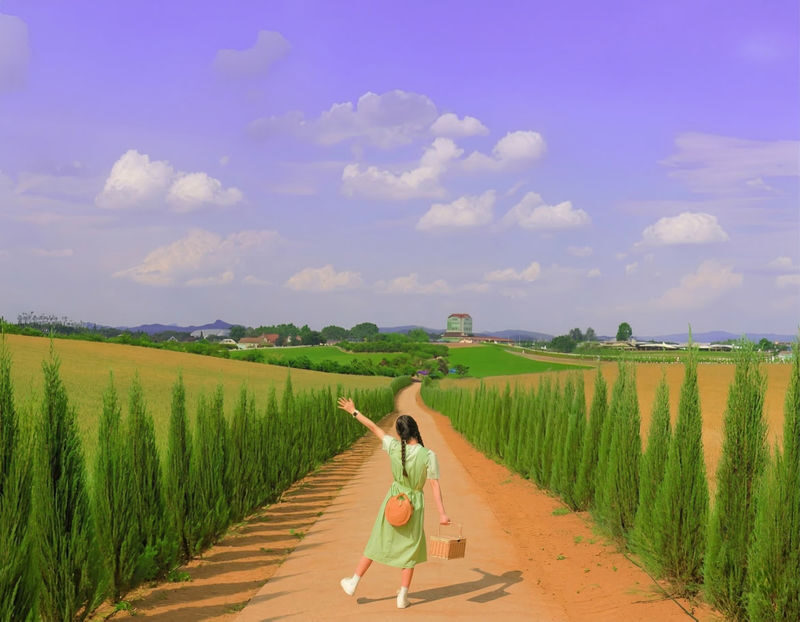
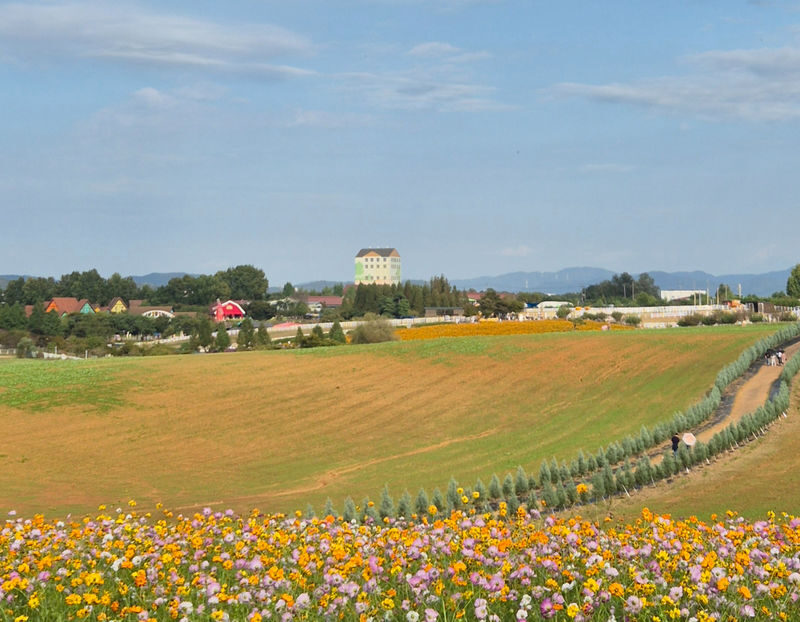
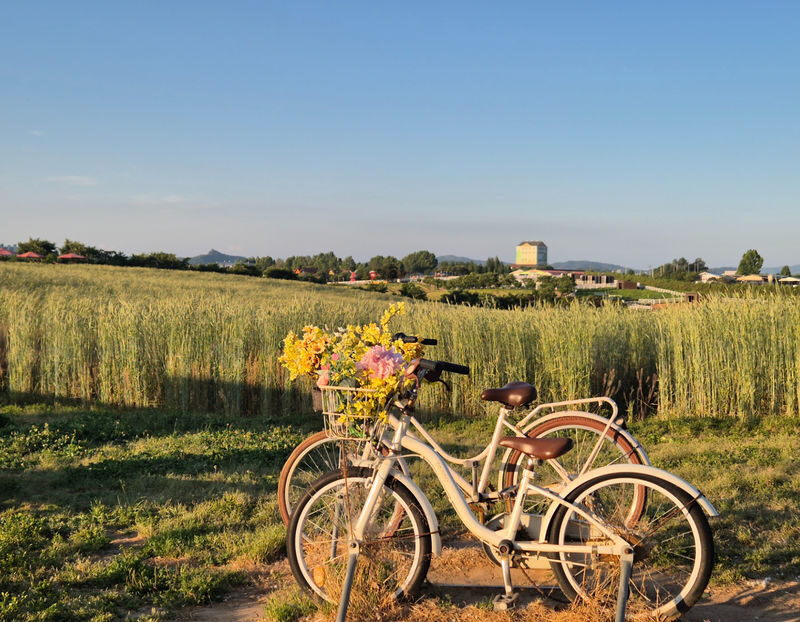
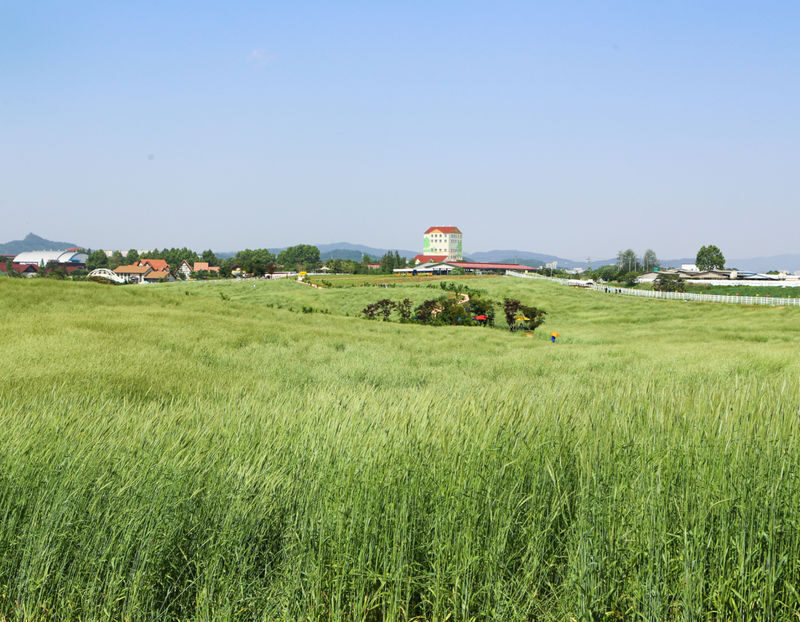
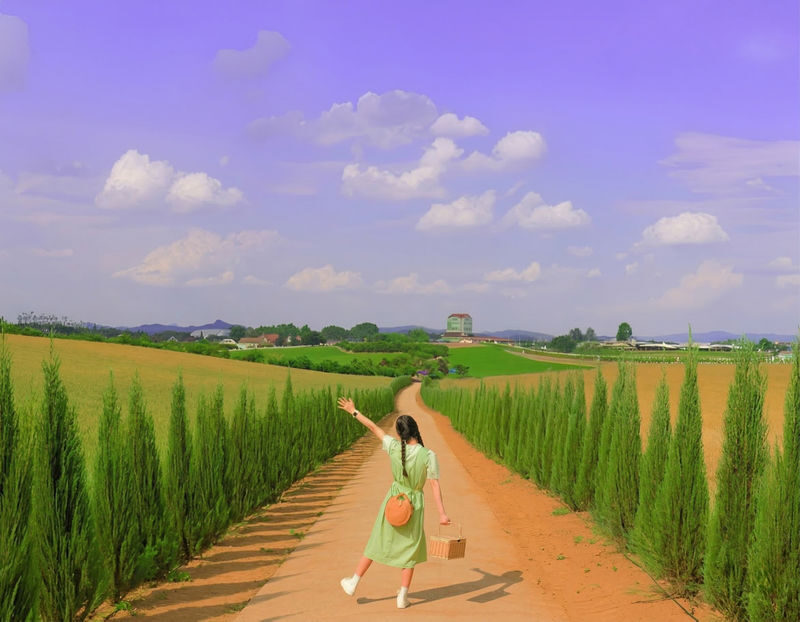
You have about three and a half hours at Anseong Farmland, including time for lunch. The attraction is a broad ranch rather than a compact flower garden, so the experience is about walking through open fields and finding the season’s best views. The scale is part of the appeal: you can move between flower beds, meadows and photo locations instead of seeing everything from one short path.
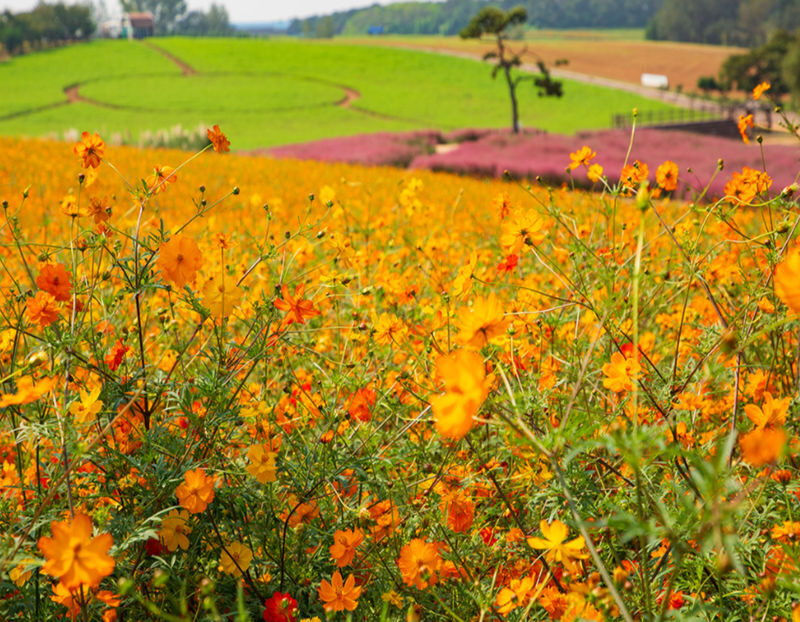
The flowers change over the year. In April and May, the farm lists canola, green rye and tulips. Hydrangeas, lavender and roses are scheduled for June and July, followed by sunflowers and zinnia in July and August. September and October bring yellow cosmos, pink muhly and pampas grass, with cosmos and muhly continuing into November.
Those dates are a guide, not a bloom guarantee. Weather can shift flowering, and the operator does not offer refunds if the flowers are early, late or past their best. If a particular flower is the main reason you are booking, check the likely bloom timing close to your travel date and keep your expectations flexible. The tour still visits the ranch and temple if the flowers are not at full bloom.
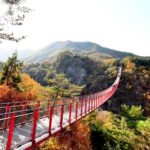
For photos, look for the Blue Arrow Path and Central Meadow. A small wooden house in the flower fields is another pleasing backdrop. If you want more than pictures, there may be chances to get close to animals, ride bikes or use electric bicycles, as well as family-oriented features such as a children’s video room and free media art. These options are part of the farmland experience, but availability and any extra charges are not specified, so do not assume every activity is included in the tour price.
The open setting also means you should prepare for sun and walking. The farm is large, and a long wander can be tiring, especially if you try to cover every path. Wear comfortable sneakers, bring sunglasses and a hat or parasol, and save some energy for the temple visit later.
You can also read our reviews of more tours and experiences in Seoul.
Lunch is your own choice and your own expense
Lunch is not included, and the schedule leaves you free time to eat at the farmland. That gives you flexibility to choose a meal that suits your pace and appetite, but it also means you should budget separately for food and drinks. Personal expenses are not covered by the tour.
A stop for a cool drink or ice cream can be a welcome pause on a warm day. One café, Cafe So Sweet, has been noted for drinks and ice cream, but treat it as an option rather than a guaranteed part of the tour. The main advantage is having enough time to take a break without turning the visit into a rushed photo stop.
Waujeongsa changes the mood of the afternoon
After the farmland, the drive to Waujeongsa takes about an hour. The temple visit lasts around an hour and is self-guided, so you can set your own pace within that window. The surroundings are described as serene and mountain-set, a sharp change from the expansive ranch and its flower fields.
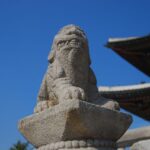
The central sight is the 8-meter-tall golden Buddha head, a dramatic feature that makes this temple unlike the conventional image many people bring to a Korean temple visit. Waujeongsa is also known for its distinctive stone towers and a mix of Buddhist styles. The effect is unusual and memorable, whether you are interested in religious art or simply curious about places that defy easy categorization.
For a photograph that conveys the Buddha’s size, try shooting from a low angle in front. The camera position makes a real difference with a large sculpture: a straight-on snapshot may not capture its scale as well. Take a moment to look around the temple grounds, too. The Buddha head is the main draw, but the mountain setting and stone features give the stop its own atmosphere.
An English- or Chinese-speaking guide accompanies the tour, and guide-led storytelling can add context to what you see. David has led at least one departure, but the guide is not guaranteed to be the same on every date. The temple visit itself is self-guided, so do not expect a full hour of continuous guided explanation.
What the price includes, and what it does not
The general price is listed from $100.75, while the autumn package is listed from $87.60. A private group option starts from $493.39. Actual cost depends on the package and date you select, so compare the price shown for your intended departure rather than assuming one figure applies year-round.
For the standard tour, the value comes from combining two very different sites and avoiding the hassle of arranging transport from Seoul. Farmland admission, Waujeongsa admission, round-trip transfers and an English- or Chinese-speaking guide are included. You still pay for meals, drinks and personal expenses, and insurance is not included.
The private group option may appeal if you want to travel with your own party, but its higher starting price makes it a different kind of purchase. For a solo visitor or a small group comfortable joining others, the shared tour is likely the more economical way to see both places in one day.
Children aged 0 to 3 are free. Families may find plenty to keep children interested at the farm, from animals and bikes to the children’s video room, but remember that the ranch involves walking and the schedule also includes a temple stop. Adults can enjoy the farmland too; it is not just a children’s attraction.
Who should book this Anseong day trip
I would shortlist this tour if you want a full day outside Seoul, enjoy seasonal flowers and like pairing outdoor scenery with an unusual cultural stop. It is especially appealing to photographers, families, and visitors who want to see more than the usual city sights without managing transport themselves.
It is less suitable if you dislike walking, need a guaranteed flower display, or want a leisurely, in-depth temple visit. The farmland gets most of the day, while Waujeongsa has about an hour. This is a sampler of two places, not a slow retreat at either one.
The schedule can change with traffic and weather. Tours run in rain, with cancellation and a full refund reserved for severe conditions such as blizzards or storms. Flower conditions alone do not qualify for a refund. If your Seoul departure matters for an evening plan, leave room for a delayed return.


Anseong Flower Festival & Korea’s Largest Golden Buddha (From Seoul)
“Even as a Christian, that giant Buddha head was absolutely INSANE!!! Loved it.”
FAQ
How long is the Anseong Farmland visit?
You have about three and a half hours at Anseong Farmland, including free time for lunch.
How long do you spend at Waujeongsa Temple?
The temple stop is scheduled for about one hour and is self-guided.
What flowers can I see?
The seasonal guide lists canola, green rye and tulips in April and May; hydrangeas, lavender and roses in June and July; sunflowers and zinnia in July and August; and yellow cosmos, pink muhly and pampas grass in September and October. Blooming depends on the weather.
Is lunch included?
No. Meals and beverages are not included, and you have free time to arrange lunch at Anseong Farmland.
What is included in the tour price?
Admission to Anseong Farmland and Waujeongsa Temple, round-trip transfers from Seoul, and an English- or Chinese-speaking guide are included.
Where does the tour depart from?
Pickups are at Hongik University Station Exit 8 at 8:00, in front of Starbucks, and Myeongdong Station Exit 1 at 8:30, in front of KEPCO.
What time does the tour return to Seoul?
The return is scheduled for 17:00 to 17:30. Traffic and local conditions may cause delays.
Is the tour suitable for young children?
Children aged 0 to 3 are free. Anseong Farmland has family-oriented features, including animals, a children’s video room and media art, but the visit involves walking.