The Royal Flying Doctor Service began as an answer to a hard outback problem: how do you get medical help to people scattered across vast distances? At this Alice Springs museum, you can follow that story through the tools and aircraft that made remote care possible. I like the 1939 operations and communication centre, which gives the history a concrete setting, and the virtual reality flight, which lets you see the patient’s side of an RFDS journey.
The main consideration is scale. This is a small museum, not a full-day attraction, and the exhibits may suit you best if you enjoy history, aviation or practical technology. You can spend about an hour on the highlights, though the suggested visit is two to three hours if you take your time with the displays and interactive features.
- Key points to know before you go
- Start with the service behind the story
- Enter the original 1939 operations centre
- Look closely at the medical tools
- Compare the RFDS aircraft through the decades
- Take a patient’s place in the virtual flight
- Meet Alf Traeger and Nurse Kathy
- How much time should you set aside?
- Who will get the most from this visit?
- Should you book the Alice Springs RFDS facility?
- FAQ
- Where is the Alice Springs Tourist Facility?
- How long does a visit take?
- What are the opening hours?
- When is the last admission?
- What does general entry include?
- Do children aged five and under pay admission?
- Can I cancel for a refund?
- The Best Of Alice Springs!
- More Tours in Alice Springs
- More Tour Reviews in Alice Springs
- Not for you? Here's more nearby things to do in Alice Springs we have reviewed
Key points to know before you go
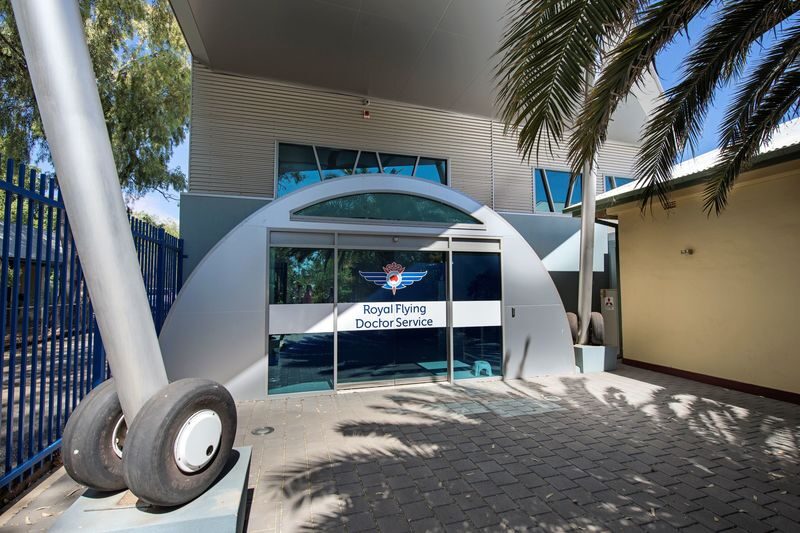
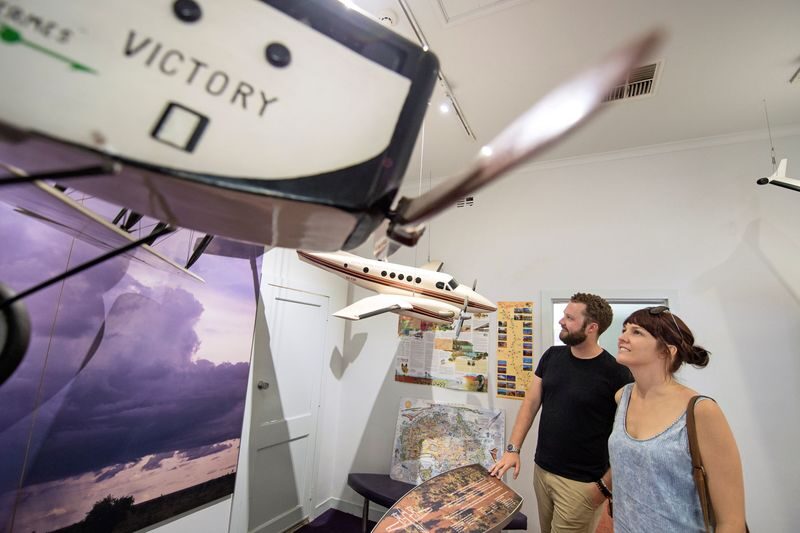
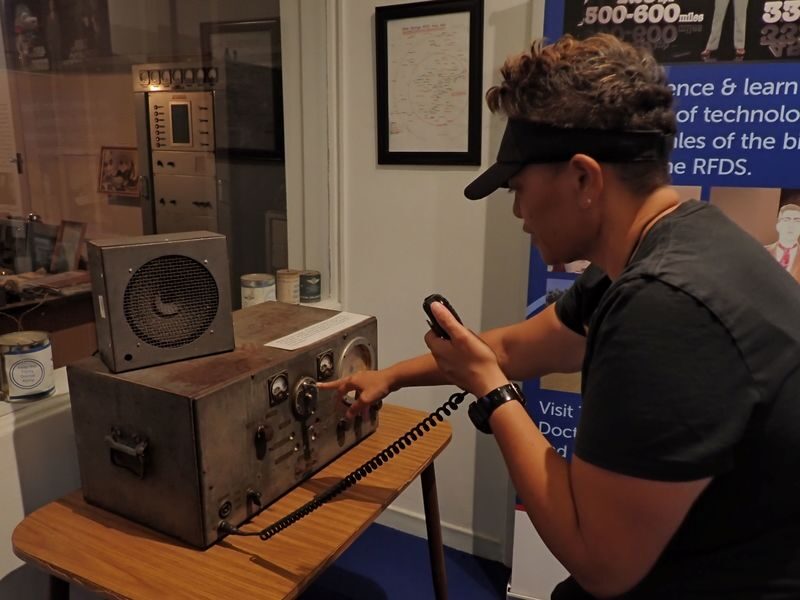
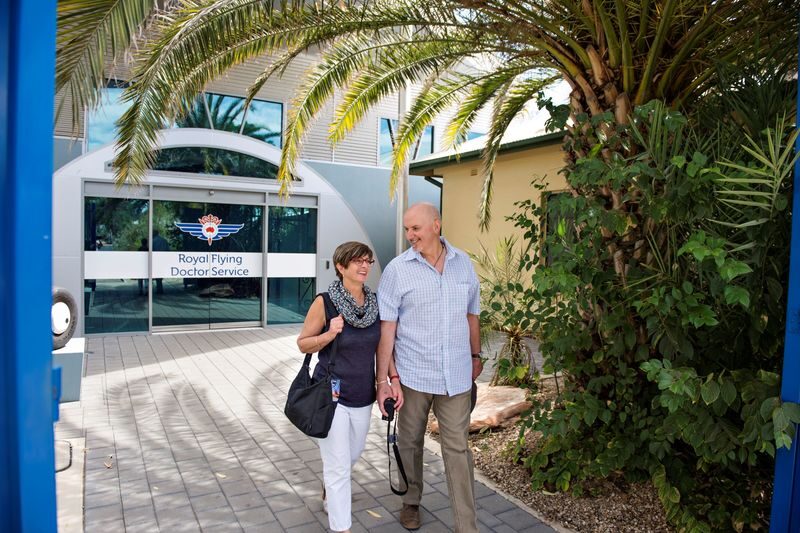
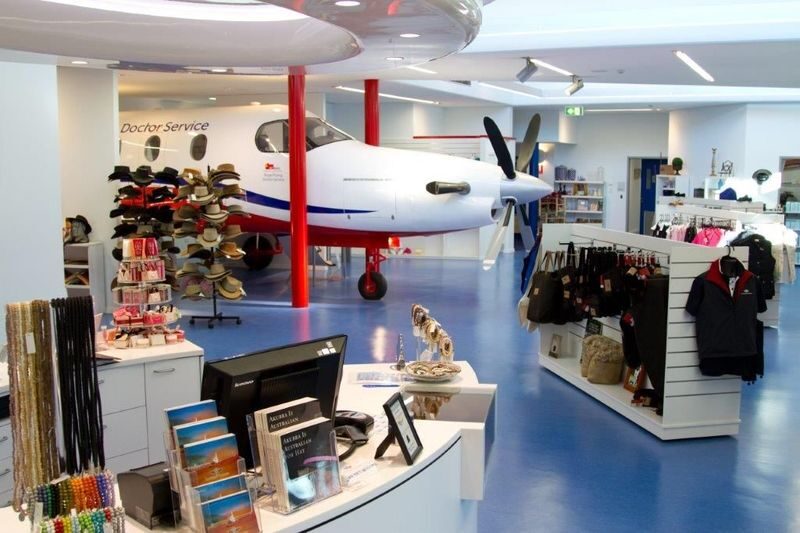
- Step into the 1939 RFDS base: Explore an original operations and communication centre from the service’s early years.
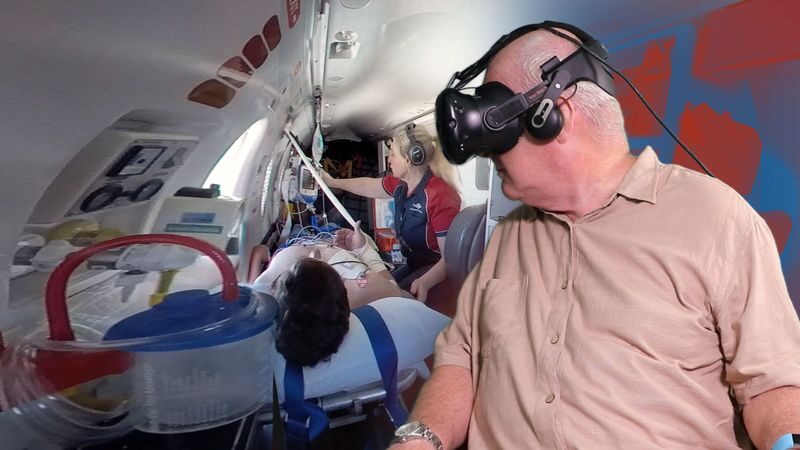
- Try the patient-flight VR: A virtual reality simulation puts you in the position of someone flying with an RFDS pilot.
- See the equipment behind remote care: Historic radios and medical tools show how crews communicated and treated patients before today’s technology.
- Compare aircraft across the decades: Model planes trace the evolution of aircraft used by the RFDS.
- Meet Alf Traeger and Nurse Kathy: Interactive technology brings key figures into the museum experience.
- Plan for a compact visit: Admission starts at $18.45, children aged five and under enter free, and the last admission is one hour before closing.

👉 See our pick of the Best Workshops And Classes In Alice Springs
Start with the service behind the story
The Royal Flying Doctor Service is more than an aviation display. Its story is about the people who made medical care possible across remote parts of Australia: pilots, engineers, doctors and nurses, as well as the patients who needed help. The Alice Springs facility connects those roles through exhibits that show both the machinery and the human work behind each flight.
You begin with Reverend John Flynn, whose story helps explain the purpose and development of the service. Rather than treating the RFDS as a collection of planes, the museum frames it as a practical response to distance and isolation. That context matters: radios, aircraft and medical kits are not just period objects here. They illustrate how a service could reach people far from conventional care.
The displays also make room for the everyday work of the organisation. You can learn about the responsibilities of its crews and medical staff, and the experiences of patients who relied on them. If you have only a passing interest in aviation, that human focus gives you another reason to look closely.
You can also read our reviews of more tours and experiences in Alice Springs.


Enter the original 1939 operations centre
The original RFDS operations and communication centre is one of the most distinctive parts of the visit. Stepping into a space linked to the service’s 1939 operations gives the exhibits a sense of place and purpose. It helps you picture communication as a vital part of care, not merely an administrative task.
The historic radio collection makes that point especially well. You can see a wide range of radios, including the Traeger Pedal Radio, and consider what it meant to communicate before telephones were available. The pedal radio is a memorable example because it links a simple human action with a practical need: sending a message from a remote place.
Take time to compare the different radios rather than treating them as a quick display to pass. Their forms and functions help tell the story of how the RFDS kept in touch with people across the outback. The museum does not need a long lecture to make the point. The equipment itself shows why reliable communication was central to getting help where it was needed.
For visitors who like technology, this room may be a highlight. If you are mainly drawn to aircraft, it is still worth a pause, because the planes could not do their job without the communications that connected patients and crews.
Look closely at the medical tools
The historic medical equipment offers a different view of the RFDS story. A large display brings together tools used on flights in the past, giving you a sense of the medical work that took place alongside the aviation. The collection shifts the focus from getting to a patient to what happened once care began.
This is also where the museum’s practical approach works well. You are not only looking at aircraft models and learning dates; you are seeing the equipment that made treatment possible in the air. The items can prompt useful questions about how medical staff worked with what they could carry, and how much the service depended on the skills of its doctors and nurses.
The exhibits cover a broad story, so give yourself time to notice what is on display instead of racing from one feature to the next. The facility is compact, but a short visit can still leave you with a clearer sense of the people and tools involved in a remote medical flight.
Compare the RFDS aircraft through the decades
A series of model aeroplanes traces the evolution of aircraft used by the RFDS. It is an approachable way to follow changes over time, especially if you are visiting with children or prefer visual displays to long text panels. The models help make the aviation side of the service easy to grasp.
The aircraft story also connects naturally with the medical and radio exhibits. Planes carried staff and patients, while radios helped coordinate the work and medical equipment supported care during flights. Seen together, these displays explain how the service relied on several kinds of expertise, not just pilots in the cockpit.
Later in the visit, you can step inside a life-size RFDS aircraft replica for a closer look. This is a different experience from viewing models behind a display: the full-size replica offers a sense of the space involved and a behind-the-scenes glimpse of the aircraft environment. It is a good stop if you want the museum to feel more hands-on.
The replica is not a flight, of course, and the experience is best understood as a chance to explore an aircraft setting up close. If aviation is your main reason for coming, make sure you leave time for both the model sequence and the full-size replica.
Take a patient’s place in the virtual flight
The virtual reality flight simulation shifts the point of view from the service to the person receiving care. You can experience what it is like to fly as an RFDS patient and see what a flight with an RFDS pilot might involve. It is one of the facility’s most direct ways to connect the aircraft story with the people who depend on it.
That change in perspective is useful. A plane can seem like a technical exhibit until you consider the patient’s experience, and the VR feature is designed to make that part of the story more immediate. It also gives you a break from reading displays and looking at historic objects.
The simulation is one component of the general admission, alongside the museum exhibits. If you are visiting with a group, it may be the feature that gets everyone talking, even if not everyone shares the same interest in old radios or medical equipment. The precise length of the VR experience is not specified, so allow a little flexibility rather than planning your visit around a timed session.


Meet Alf Traeger and Nurse Kathy
Interactive technology introduces Alf Traeger and Nurse Kathy, giving you a personal route into the museum’s history. The displays help bring individual roles into focus: communications innovation on one side, nursing and patient care on the other. Together, they make the broad story of the RFDS easier to follow.
You can use these encounters to connect the exhibits around you. Alf Traeger’s presence pairs naturally with the collection of historic radios and the challenges of communication. Nurse Kathy’s story relates to the medical equipment and the care provided to patients. The named figures help turn a sequence of objects into a story about people doing specific work.
There is no named tour guide included in the admission details, so think of this as a museum visit with interactive interpretation rather than a guided walking tour. You can move at your own pace and spend longer with the parts that interest you most.
How much time should you set aside?
The stated visit duration is two to three hours, while a short visit of about an hour can cover the main points. That difference is useful when planning: you can fit in a focused stop if your Alice Springs schedule is tight, but the extra time gives you room to explore the radio collection, medical display, aircraft models and interactive features without rushing.
Opening hours vary by day. From Monday to Saturday, the facility is open from 9:30 am to 5 pm. On Sunday, it opens from 1 pm to 5 pm. Last admission is one hour before closing, so arrive by 4 pm at the latest if you plan to visit on any day.
The museum is at 8/10 Stuart Terrace, Alice Springs NT 0870. General entry includes admission to the attractions. The price starts at $18.45, with free entry for children aged zero to five. For a compact visit with several distinct elements, the value depends on whether you will take time with the displays and try the interactive features. If you only want a quick look at aircraft, you may find the visit brief; if you like learning how a service works, there is more to engage with.
You cannot bring outside food or drinks into the venue. Pets are not allowed, except service animals with valid identification. Smoking and drinking are prohibited inside, and anyone who appears intoxicated may be refused entry or service without a refund.
Who will get the most from this visit?
I would put this facility high on the list for anyone curious about Australian outback history, aviation, medical care or communication technology. It is also a sensible choice for families with school-age children, since the aircraft models, replica and VR simulation offer variety beyond reading displays. Children aged five and under enter free.
The museum’s small scale is both an advantage and a limit. You can add it to a day in Alice Springs without needing to give up the whole day, and the subject is focused enough to follow in a short visit. On the other hand, if you expect a large aviation museum with extensive collections or a long guided tour, this is not that kind of attraction.
The strongest reason to go is the combination of practical objects and human stories. You can see how radios, medical tools and aircraft fit into one service, then consider the work of pilots, engineers, doctors and nurses. The VR flight and full-size replica add experience to the historical displays, while Reverend John Flynn, Alf Traeger and Nurse Kathy help give the story recognisable faces.
Should you book the Alice Springs RFDS facility?
Book it if you want a focused, informative look at how the Royal Flying Doctor Service has supported remote communities, or if you have an interest in planes, radios or medical history. The experience is compact, but its mix of the 1939 centre, historic equipment, interactive features, aircraft models and patient-flight VR gives you more than a simple display of memorabilia.
Consider skipping it if your schedule is very tight and the subject does not appeal to you. If you do go, give yourself at least an hour for the main exhibits and longer if you want to explore at a slower pace. At a starting price of $18.45, it is a worthwhile stop for curious visitors who want to understand the work behind the RFDS, not just see an aircraft.
Alice Springs Tourist Facility General Entry
“The museum is very informative. It tells the history and contribution of the royal flying doctors. Though it is small, worth visiting and spend an…”
FAQ
Where is the Alice Springs Tourist Facility?
It is at 8/10 Stuart Terrace, Alice Springs NT 0870, Australia.
How long does a visit take?
The suggested duration is two to three hours. You can also cover the main points in about an hour.
What are the opening hours?
From Monday to Saturday, it is open from 9:30 am to 5 pm. On Sunday, it is open from 1 pm to 5 pm.
When is the last admission?
Last admission is one hour before closing.
What does general entry include?
General entry includes admission to the attractions, including the museum displays and interactive experiences.
Do children aged five and under pay admission?
No. Admission is free for children aged zero to five.
Can I cancel for a refund?
Yes. You can receive a full refund if you cancel at least 24 hours before the activity date, using the destination’s local time.


