Ho Chi Minh City’s contrasts come into focus on the back of a motorbike: polished central streets give way to narrow lanes, riverside homes, older apartment blocks, and communities facing redevelopment. This is not a standard landmark tour. It sets out to show how people live beyond the visitor center, with a local guide explaining what you see.
I like two things in particular: the motorbike makes it possible to cover several districts in a few hours, and the guide’s stories help connect each neighborhood to the city’s growth. A coffee stop and a bánh mì add welcome pauses, too.
One consideration: visiting low-income residential areas can feel uncomfortable if you expect a conventional sightseeing stop. Go with respect, follow your guide’s advice about photos, and remember that people’s homes are not attractions.
- What makes this ride different
- From central Saigon to everyday neighborhoods
- Riversides, narrow lanes, and a city in transition
- Riding through Ho Chi Minh City by motorbike
- Coffee and bánh mì make useful pauses
- What the stories can add
- Is US.25 good value?
- Booking and practical details
- Should you book this motorbike tour?
- FAQ
- How long does the tour take?
- What time can I depart?
- Is hotel pickup included?
- What is included in the price?
- Can I take photos in the communities?
- Are there extra holiday charges?
- More Tours in Ho Chi Minh
- More Tour Reviews in Ho Chi Minh
- Not for you? Here's more nearby things to do in Ho Chi Minh we have reviewed
What makes this ride different
- The route crosses three to five districts, from central streets to local neighborhoods, riverside areas, and an older apartment community.
- A guide gives context along the way, discussing how residents make a living, how the city has changed, and how wealth and hardship exist side by side.
- You ride as a passenger, with a local driver handling Ho Chi Minh City traffic. Helmets and ponchos are provided when needed.
- Coffee and bánh mì are included, adding two familiar local tastes to a tour focused on everyday life.
- Morning and afternoon departures are offered, though traffic and weather can change the schedule and route.
From central Saigon to everyday neighborhoods
The tour begins in or near the central districts, where the visitor-facing version of Ho Chi Minh City is easy to find: busy streets, familiar sights, and a steady stream of motorbikes. From there, your guide takes you beyond the usual circuit and into residential areas that most visitors are unlikely to reach on their own.
The operator describes a route through three to five districts, with stops that may include an old mafia area, communities along the river, and neighborhoods inside and outside the center. The exact sequence can change with traffic, weather, or local conditions, and some stops may be skipped. That flexibility matters: this is a working city, not an open-air museum with a fixed timetable.
The main value is the explanation. A lane or cluster of homes can look like just another passing scene until your guide links it to the city’s development, local work, and the pressures on residents. Guides including Bean, Hana, Mallorie, and Vincent are among those named by people who have taken the tour. Their accounts point to a conversational style, with time for questions about history, culture, and daily routines.
You are not simply being driven past poverty for a photo opportunity. The tour is meant to show how the city’s fast growth has produced sharp differences in living conditions, and to put those differences in context. Still, the title can set an awkward expectation. Approach the experience as a chance to listen and learn, not as a spectacle.
You can also read our reviews of more tours and experiences in Ho Chi Minh.


Riversides, narrow lanes, and a city in transition
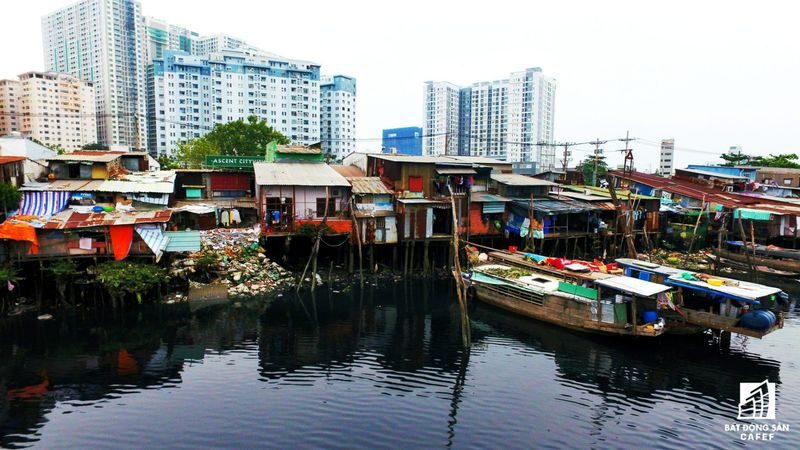
One of the tour’s more striking themes is the range of living conditions within a short ride of central Ho Chi Minh City. You may see riverside homes, older neighborhoods, and areas in the process of demolition or reconstruction. The route is designed to show both communities within the center and those farther out, rather than presenting a single snapshot of local life.
The river adds another dimension. Some communities live close to the water, and the view from a bridge or roadside can reveal how different the river edge is from the city’s more polished streets. The guide can explain what you are looking at and how residents use the space. Stay attentive to that commentary; a quick glance from the bike cannot tell you much on its own.
At other points, the route may pass near an old apartment building described as Saigon’s oldest. Here, the contrast is not just between rich and poor, but between old and new: established residential blocks sit within a city changing at speed. The tour also refers to areas undergoing dismantling and rebuilding. These stops can help you understand that redevelopment is not an abstract policy debate. It changes the places where people live and work.
You may have the chance to meet local residents, but treat any interaction as something to approach with care. Your guide is the best person to judge whether a conversation or photo is welcome. The tour’s own advice is clear: ask before taking pictures, and do not photograph inside homes or peer into private spaces. That courtesy is more than good manners. It helps keep the visit on respectful terms.
Riding through Ho Chi Minh City by motorbike
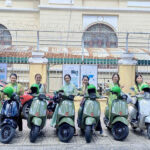
The motorbike is central to the experience, not just a way to get from one stop to another. It lets the group move through several districts in a morning or afternoon, and it gives you a close view of the city’s pace and street life. If you are new to riding in Vietnam, the traffic may feel intense at first. You will ride as a passenger with a local driver, rather than drive yourself.
The guides and drivers are repeatedly praised for looking after passengers and explaining the route. Some people who began the ride nervous about traffic found the team attentive and reassuring. That cannot guarantee you will feel relaxed from the first minute, but it does suggest that this tour is set up for visitors who have not ridden on a motorbike in Ho Chi Minh City before.
A helmet is included, and a poncho is available if needed. Wear clothes you are comfortable riding in, and keep your belongings secure. The schedule can shift with traffic or weather, so leave some breathing room around the tour rather than planning a tight connection immediately afterward.
The experience generally takes about three to four hours, based on the reported tour lengths. A private-feeling ride can move faster than a larger group, but the exact duration depends on the day’s route and conditions. The listed return times are around noon or 5 p.m., depending on your chosen departure and itinerary.
Coffee and bánh mì make useful pauses
The included food and drink are modest, but well chosen. You stop for Vietnamese coffee at a local coffee shop described as one of the city’s oldest, then have a bánh mì, the Vietnamese baguette sandwich. These are not elaborate meals; they are brief breaks that give you a taste of everyday food culture and a chance to talk with your guide away from the motorbike.
The exact snack details can vary. The core offer includes one coffee and one bánh mì, while some accounts describe other local food or drinks along the way. Treat those extras as possible variations, not a promise. If you have dietary needs, check with the operator before booking, since no special meal arrangements are specified.
These stops also help pace a tour that moves through a lot of territory. You get a chance to rest, ask follow-up questions, and absorb what you have seen. In a city where a motorbike ride can feel like a rapid sequence of impressions, that pause is part of the value.
What the stories can add
The most useful part of the tour is often the guide’s interpretation of what you pass. Guides discuss local history, the city’s rapid development, work and income, and the contrasts between districts. Some have been praised for linking neighborhood changes to larger historical events and for answering questions in detail.
English is the stated tour language. A few guides have also used phone translation apps to help people who speak little English, and some have communicated in Mandarin. That depends on the guide assigned to your departure, so do not assume a particular language is available unless you confirm it when booking.
The tour is especially worthwhile if you are curious about how ordinary residents experience a city that is changing quickly. It can also suit solo visitors: the guide-driver setup offers company and local context without requiring you to assemble a group. If you prefer a tour built around famous monuments, formal exhibits, or long stops at named attractions, this one may feel too informal and unpredictable.





Is US$40.25 good value?
The displayed starting price is US$40.25, while the package choices show the standard motorbike tour from US$35 and the option with an Ao Dai rider from US$42.89. Those figures do not line up exactly, so check the price shown for your date and chosen package before paying. Holiday surcharges may also apply on listed dates, at US$25 per person.
For the price, you get a guided ride, motorbike and fuel, helmet, a poncho if required, hotel pickup and drop-off in Districts 1, 3, and 4, plus coffee and bánh mì. That is good value if you want a guided introduction to parts of the city that are difficult to interpret on your own. The cost is less compelling if you mainly want transportation or a quick checklist of famous sights.
The Ao Dai Rider option costs more, but the information provided does not specify extra stops or a different itinerary. Choose it for the rider option itself, not on the assumption that it includes more sightseeing.
Booking and practical details
You can select an 8 a.m. or 1 p.m. departure. Pickup is free at hotels in Districts 1, 3, and 4, with the operator confirming the time in advance. Be ready in the hotel lobby ten minutes before pickup. If you are meeting at the listed central address, arrive ten minutes early; late arrivals and no-shows are not refundable.
The tour is a shared transfer, so pickup may be early or late. Enter your hotel name and address at checkout, and keep an eye out for the operator’s confirmation. The voucher is valid for the booked date and time, and you present it on your phone. Changes are allowed until 24 hours before the activity, subject to the stated exclusions.
Bring a phone or camera only if you are prepared to follow local guidance about when photos are appropriate. The best approach is to ask first and accept a no without fuss. This is a residential visit, and the people you see are going about their lives.
Should you book this motorbike tour?
Book it if you want a more grounded view of Ho Chi Minh City than the central sights can offer, and if you are comfortable riding as a passenger through busy streets. The strongest reasons to go are the guide-led context, the range of neighborhoods, and the chance to ask questions while moving through the city.
Skip it if you are uneasy about motorbike travel, want a fixed itinerary with guaranteed stops, or feel uncomfortable visiting low-income communities. If you do go, bring curiosity and restraint in equal measure. The aim is not to collect dramatic images. It is to leave with a clearer sense of how many different lives share the same fast-growing city.
Slum Tour by Motorbike
“It was my first time taking a motorbike tour, but it was much more comfortable and exciting than I had expected. The guide was also very kind and e…”
FAQ
How long does the tour take?
The tour is generally around three to four hours, though traffic, weather, and route changes can affect the length.
What time can I depart?
You can choose an 8 a.m. or 1 p.m. departure when booking. The available return time depends on your departure and itinerary.
Is hotel pickup included?
Free pickup and drop-off are included for hotels in Districts 1, 3, and 4. The operator reconfirms the pickup time in advance.
What is included in the price?
The tour includes an English-speaking guide, motorbike and fuel, a helmet, a poncho if needed, one coffee, one bánh mì, and free pickup and drop-off in the stated districts.
Can I take photos in the communities?
Ask your guide before taking photos. The tour advises against photographing inside homes or looking into them.
Are there extra holiday charges?
Yes. A US$25 per person surcharge applies on the listed holiday dates. Check the dates and final price for your booking before you pay.