Cotopaxi is the star, but the route there is part of the show. From Quito, you cross the Andean highlands, pause for views of several volcanoes, then reach Cotopaxi National Park for a close look at the snow-capped cone and a walk beside Limpiopungo Lagoon.
I like two things in particular: the small group of no more than four, which leaves room for photo stops and a personal pace, and the combination of alpacas, high-altitude scenery and a lagoon walk in one short outing. Guides including Steven and Andres have been praised for safe driving, clear explanations and help with photos.
The main consideration is the weather. Cotopaxi can hide in cloud, and at about 4,000 meters above sea level, cold, wind or altitude may make the day feel tougher than a five-hour trip from Quito suggests.
- Romerillos viewpoint gives you views of Corazón and the Illinizas, plus a chance to take photos with alpacas.
- Coca tea and local handicrafts offer a brief introduction to Andean customs at the park entrance.
- Cotopaxi National Park brings you close to the volcano without requiring a climb to the refuge.
- Limpiopungo Lagoon is the main walking stop, with birds, flowers and views framed by volcanoes.
- Private transport and a four-person cap make it easier to pause for photos or a snack.
- The $60 price includes pickup, drop-off, a certified guide and park and lagoon entry, but not food or other purchases.
- From Quito Into the Avenue of Volcanoes
- Romerillos: Alpacas and Volcano Views
- Coca Tea, Ponchos and the Park Entrance
- Cotopaxi National Park Without a Summit Climb
- Walking Beside Limpiopungo Lagoon
- What Buys, and What It Does Not
- Weather, Timing and the Right Expectations
- Who Will Get the Most from This Trip
- FAQ
- How long is the Cotopaxi tour?
- How much does the tour cost?
- What is included in the price?
- What languages does the guide speak?
- How many people are in the group?
- Does the tour include a climb to Cotopaxi’s refuge or summit?
- Can I cancel the tour for a refund?
- The Best Of Quito!
- More Tours in Quito
- More Tour Reviews in Quito
- Not for you? Here's more nearby things to do in Quito we have reviewed
From Quito Into the Avenue of Volcanoes
 1 / 8
 2 / 8
 3 / 8
 4 / 8
 5 / 8
 6 / 8
 7 / 8
 8 / 8
The tour begins with pickup at one of many Quito hotels and central locations. Your guide contacts you shortly before the pickup to share instructions, and the agency confirms the assigned guide the day before. With a maximum of four people, this is not a bus excursion where the schedule is ruled by a crowd. The small scale can make it easier to ask questions, adjust a photo stop or take a short break.
Once you leave the city, the road heads south along the Panamericana. The Andes here are not scenery you simply pass through; they are the setting for the day. The route offers views of volcanoes including Cayambe, Antisana and Pasochoa, with more peaks appearing as the road climbs and opens out.
That changing procession helps put Cotopaxi in context. Ecuador’s volcanoes are part of daily geography as well as national identity, and a guide can explain why they matter while you travel. Recent guides named by customers include Steven, Andres, Sebastian and Matheu. Specific guides vary, but the most consistently praised qualities are safe driving, friendly conversation and useful explanations of the region.
The drive is also a reminder that five hours is a compact visit, not a leisurely full-day park expedition. You get transport from Quito, a handful of stops and a lagoon walk, then return to the city. If you want a longer hike or a summit attempt, this is not that trip.
You can check availability for your dates here:
👉 See our pick of the 9 Best Guided Tours In Quito
Romerillos: Alpacas and Volcano Views
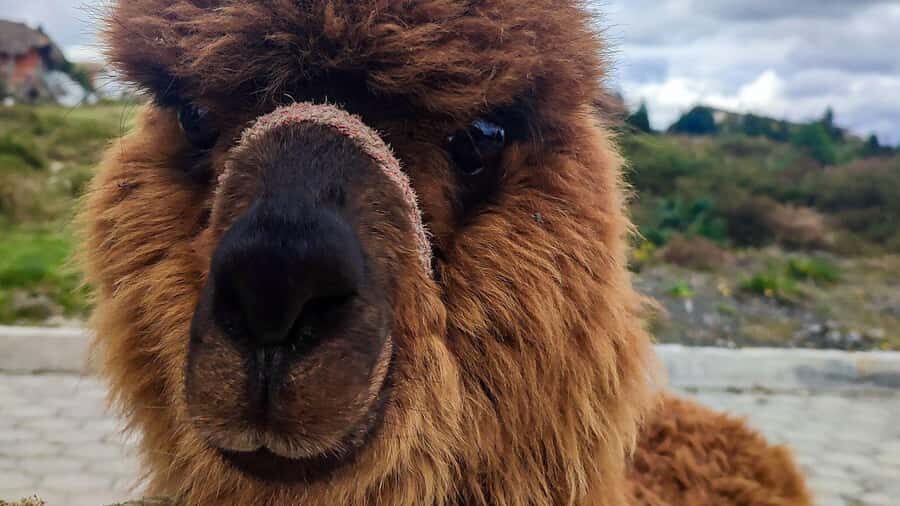
One of the first memorable pauses is at the Romerillos viewpoint. From here, you can see the Corazón and Illinizas volcanoes, weather permitting. The stop is a good chance to take photographs before Cotopaxi becomes the focus, and the alpacas add a distinctly Andean touch.
The alpaca photographs are included, which makes this a simple, lighthearted stop rather than an extra-cost activity. Just remember that the animals are one part of the visit, not a substitute for the mountain scenery. If you are hoping for a quiet wilderness encounter, this is a more accessible photo opportunity.
Clouds may affect the view. Some days offer clear peaks; on others, Cotopaxi and nearby volcanoes can disappear behind weather. A patient guide can wait briefly for a break in the cloud, as guides have done for people eager to get a photograph, but no one can promise a clear view.
For the best chance of enjoying the stop, bring a phone or camera where you can reach it easily and wear layers. One visitor described the temperature as much colder than Quito, a common surprise when you move quickly from city streets to high elevation.
You can also read our reviews of more tours and experiences in Quito.
Coca Tea, Ponchos and the Park Entrance
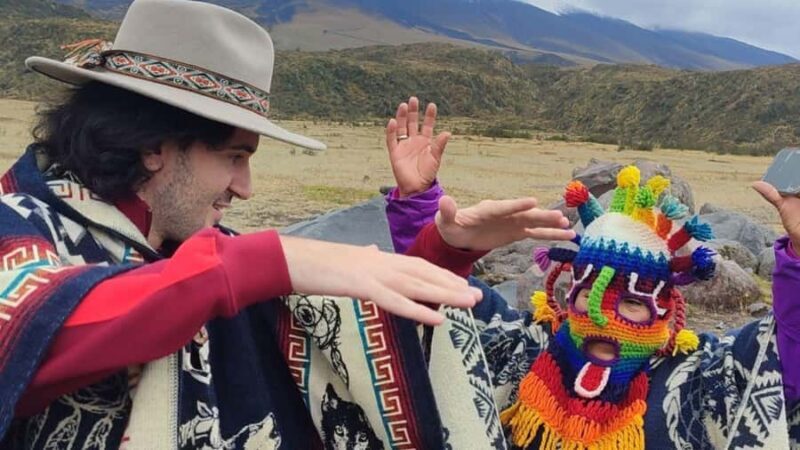
At the entrance to Cotopaxi National Park, the group has an opportunity to drink coca tea and look at local handicrafts and ponchos. The tea is offered as a way to acclimatize, but treat it as a local custom and a warm drink, not a guarantee against altitude discomfort. You are still heading to a high place, so take the day at a comfortable pace.
The handicraft stop adds a human detail to a day otherwise dominated by peaks and open country. You can browse ponchos and other goods, though any purchases are extra. If you prefer to keep the outing focused on nature, this is a brief stop rather than the core of the experience.
The park entrance is also a useful moment to check how you feel. At roughly 4,000 meters, even a modest walk may feel different from walking at Quito’s elevation. Tell your guide if you need to slow down or take a break. The point is to enjoy the park, not to turn a short visit into an endurance test.
Cotopaxi National Park Without a Summit Climb
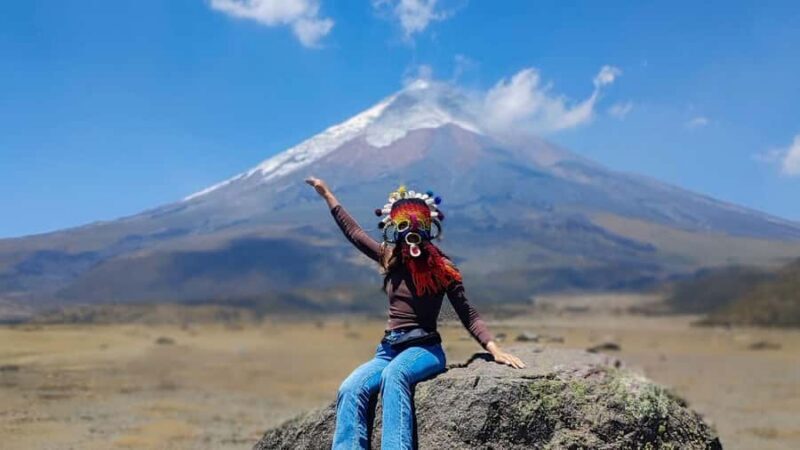
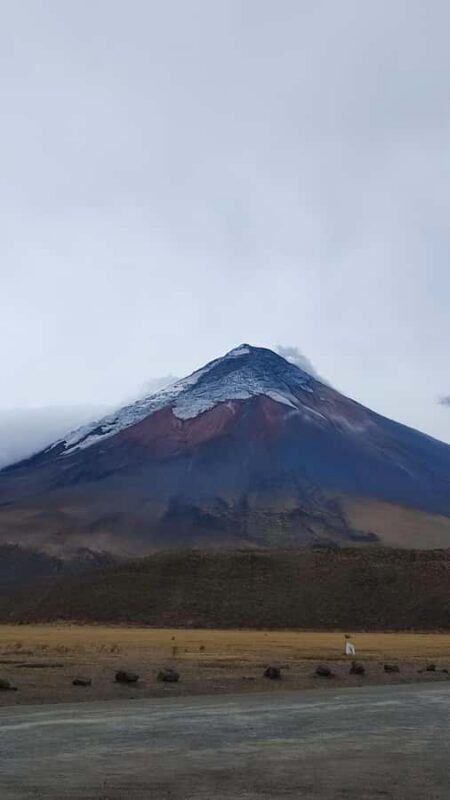
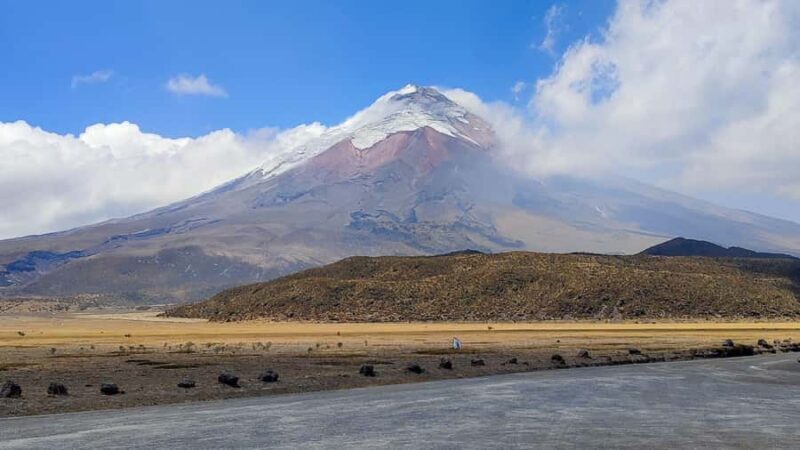
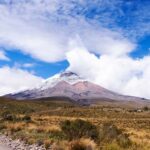
Cotopaxi is among the world’s most active volcanoes and Ecuador’s second-highest, after Chimborazo. Its near-perfect, snow-covered cone is one of the country’s most recognizable natural sights. This tour gives you a chance to see the volcano from within the national park, but it does not take you to the summit or the mountain refuge.
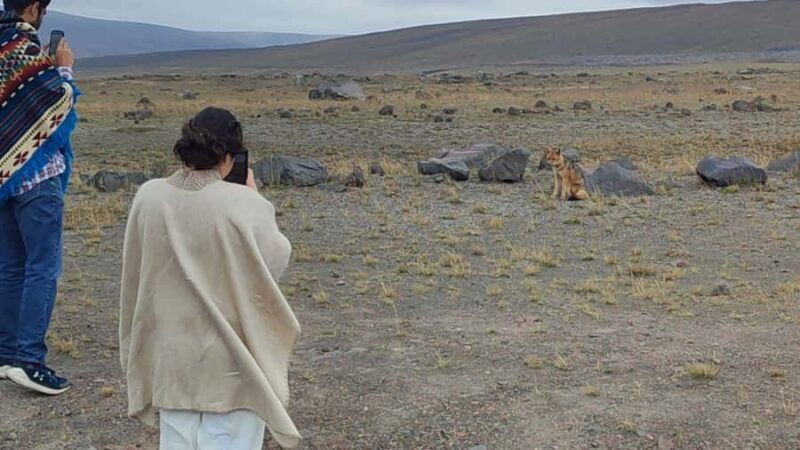
That distinction matters when you book. The outing is designed for a close-up park visit and a lagoon walk, not mountaineering. You will have time for photographs around the park and a chance to look for native wildlife along the way. Possible sightings include spectacled bears, condors, wild horses, deer and native birds, but animals are not guaranteed to appear on any particular visit.
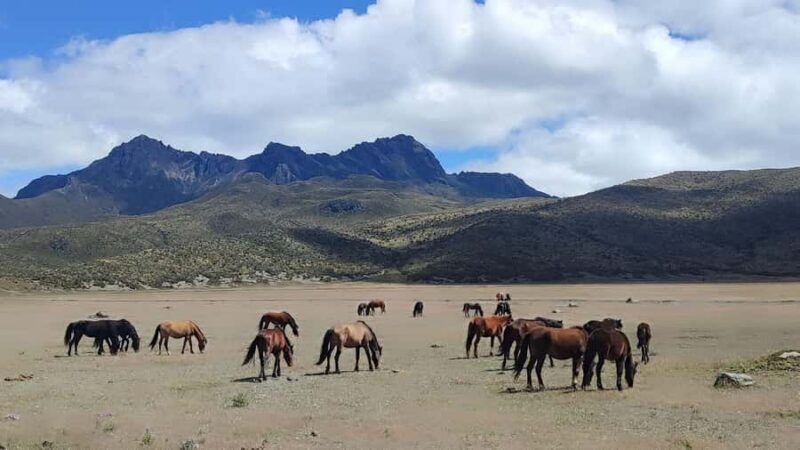
Wild horses are a particularly memorable possibility. One group saw them galloping near Cotopaxi, and another had them cross the trail by the lagoon. Those moments depend on luck and timing, so enjoy them as a bonus rather than the measure of whether the day succeeds.
The guide’s role is valuable here. Several guides have been praised for sharing information about Quito, Ecuador and the volcanoes, as well as driving carefully on the route. Good interpretation helps you understand what you are looking at instead of simply collecting a mountain photo. And when the weather is poor, a guide can still make the day worthwhile with stories, context and flexible stops.
Walking Beside Limpiopungo Lagoon
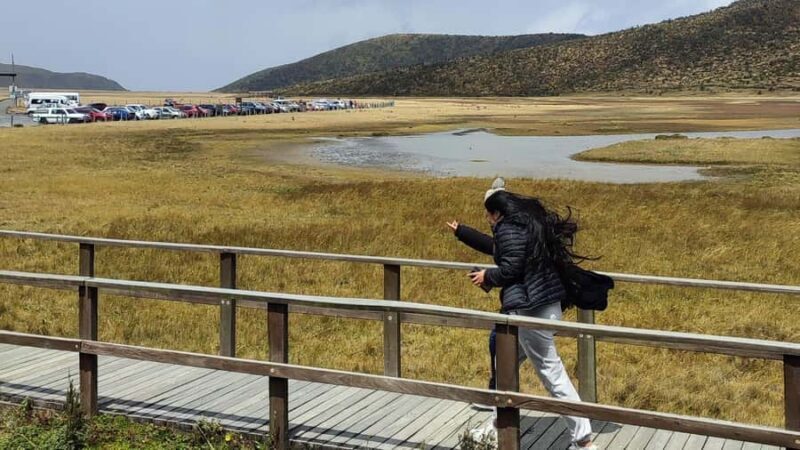
Limpiopungo Lagoon sits amid three volcanoes and is the tour’s main walking stop. The setting is open and atmospheric, with water, high-altitude plants and birds under a wide Andean sky. If the clouds lift, the surrounding peaks make a dramatic frame for photographs. If they do not, the lagoon still offers a quieter nature walk than the roadside viewpoints.
The itinerary allows time to explore, and the walk is often a highlight. One group described a hike of about three kilometers, while another appreciated being offered different options for length and duration. The precise walk may depend on the group and conditions, so ask your guide what is practical on the day.
Bring shoes you can comfortably walk in and clothes suited to wind and changing weather. This is not a technical climb, but the elevation can make a walk feel more demanding than the distance suggests. Pause when you need to, drink water and do not feel obliged to match someone else’s pace.
The activity listing describes the tour as wheelchair accessible, but the lagoon portion includes a hike. If you need specific access arrangements, contact the operator in advance to clarify which parts of the outing can accommodate you. The tour’s accessibility label alone does not explain the walking surface or access at each stop.
The lagoon stop is not a long trek through the park. It is a chance to get out, stretch your legs and spend time with the scenery rather than seeing everything through a vehicle window. That balance suits visitors who want a taste of Cotopaxi’s high country without committing to a demanding hike.
More Great Tours NearbyWhat $60 Buys, and What It Does Not
At $60 per person, the value rests on more than the park entrance. The price includes pickup and drop-off, private transportation, a certified guide, park admission, lagoon entry and the alpaca photo stop. For a five-hour excursion from Quito, having transport and the main admissions covered makes the cost easier to judge.
The small group cap also matters. With four people or fewer, the vehicle is not filled with a large tour party, and the guide has more room to respond to the group. In practice, that can mean a more personal conversation and flexibility for a photo or comfort stop. Some outings may have fewer than four people, but do not assume a private tour unless the operator confirms it.
Food and other additional expenses are not included. A guide may stop for snacks, a bathroom break or a meal on the way back, but those purchases are yours to pay for. Pack a snack if you know you will want one, and bring money for any food or handicrafts you choose to buy.
The tour’s strongest value is convenience. You do not need to arrange your own transport to the park or manage the admissions, and you get a guide to put the region into context. If you already have a car and want to spend a full day hiking, a shorter guided outing may not be the best fit. If you are based in Quito and want a manageable introduction to Cotopaxi, the inclusions make the price reasonable.

Weather, Timing and the Right Expectations
The advertised duration is five hours, with starting times dependent on availability. The tour is short enough to fit into a Quito stay, but the day’s quality depends partly on conditions. Clear weather can reveal Cotopaxi’s white cone and surrounding volcanoes; rain or cloud can obscure them. A cloudy day can still be enjoyable, as the lagoon, birds and highland setting remain, but the headline view is never guaranteed.
Wear layers, and bring a warm outer layer even if Quito feels mild when you leave. The difference in temperature is a practical concern, not a minor detail. Comfortable walking shoes are sensible for the lagoon, and a camera or phone is worth keeping handy for the viewpoints and possible wildlife.
The guide communicates pickup instructions shortly before collection, and the agency provides the assigned guide the day before. If you book only one day ahead, check availability rather than assuming there will be a place. The tour runs in English and Spanish, and cancellation is free up to 24 hours in advance. You can also reserve now and pay later.
Who Will Get the Most from This Trip
I would recommend this outing if you want to see Cotopaxi without organizing a car, planning a full-day trek or attempting a climb. It works especially well for a short Quito visit, a first look at Ecuador’s volcano country, or anyone who values a small group and a guide who can explain the region along the way.
It is also a good choice if you enjoy a mix of experiences: roadside views, a local tea and craft stop, alpacas, wildlife possibilities and a walk by a lagoon. The variety keeps the trip from becoming a simple drive to one viewpoint.
Think twice if you need guaranteed clear mountain views, want a long hike, or expect to reach the refuge or summit. This is a park visit, not a climbing expedition. And if you are sensitive to altitude, the elevation is worth taking seriously. For a compact, guided introduction to Cotopaxi, though, it offers a thoughtful balance of scenery, walking and local detail.
Cotopaxi Volcano: Visit from Quito, Alpaca, Lagoon and volcanoes
FAQ
How long is the Cotopaxi tour?
The tour lasts five hours, including pickup and drop-off from Quito.
How much does the tour cost?
The stated price is $60 per person. Additional expenses, such as food or purchases at the handicrafts store, are not included.
What is included in the price?
Pickup and drop-off, private transportation, a certified guide, entry to Cotopaxi National Park and Limpiopungo Lagoon, and photographs with alpacas are included.
What languages does the guide speak?
The tour is offered with a live guide in English or Spanish.
How many people are in the group?
The small group is limited to four participants.
Does the tour include a climb to Cotopaxi’s refuge or summit?
No. It visits Cotopaxi National Park and includes time for photographs and a walk at Limpiopungo Lagoon, but it is not a summit climb or refuge visit.
Can I cancel the tour for a refund?
Yes. You can cancel up to 24 hours in advance for a full refund.
You can check availability for your dates here: