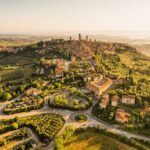
Siena’s character lives in its lanes as much as in its famous squares. This two-hour walk pairs landmarks such as the cathedral and Piazza del Campo with quieter streets and the city’s historic contrade, giving you a taste of Siena beyond its best-known sights.
I like two things in particular: the small group, limited to six, leaves room for questions, and the route brings local life into the story, including the traditions of the contrade and the Palio. Guides such as Tommaso and Eva have led walks that mix Siena’s past with its present.
One point to weigh: this tour focuses on outdoor architecture and local context, not museum or church interiors. Admission tickets are not included, and the alternative route may give less attention to the standard history of the city’s most famous monuments.
- A small group: No more than six participants, so you can ask questions and keep close to the guide.
- A local angle: The walk can touch on the contrade, Siena’s neighborhood districts, and the Palio.
- Famous sights and side streets: Expect Santa Caterina, Fontebranda, the cathedral area, and Piazza del Campo, along with less familiar lanes.
- A generous Campo pause: The schedule allows 40 minutes for a break, photos, a visit, and free time in the main square.
- Two hours on foot: Wear comfortable shoes and be ready for a relaxed walk rather than a rapid march.
- Outdoor focus: Museum, church, and monument entrance fees, meals, drinks, and transport are not included.
- Siena’s side streets give the walk its character
- Santa Caterina and Fontebranda bring the city closer
- The cathedral is a photo stop, not a ticketed visit
- Piazza del Campo gives you room to pause
- A local guide can make the small details count
- What buys you in Siena
- Practical details before you set out
- Who should book this Siena walk?
- FAQ
- How long is the Siena walking tour?
- Where does the tour start and finish?
- What places are included on the route?
- How much free time is scheduled at Piazza del Campo?
- Are entrance tickets included?
- What languages are offered?
- How many people can join the group?
- Should you book it?
- The Best Of Siena!
- More Walking Tours in Siena
- More Tours in Siena
- More Tour Reviews in Siena
- Not for you? Here's more nearby things to do in Siena we have reviewed
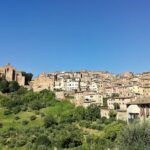
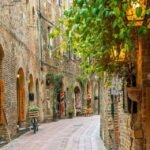
Siena’s side streets give the walk its character
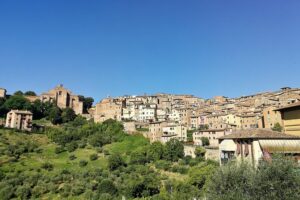
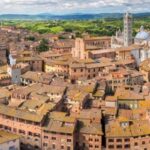
The route begins at Hotel Chiusarelli and heads into the old city. Siena is best understood on foot: its medieval streets and compact squares reveal how the city fits together, while its stone buildings and narrow alleys provide a close-up view that can be missed from a car or bus.
This walk sets out to combine familiar landmarks with corners away from the busiest paths. That balance matters. A first visit to Siena can easily turn into a checklist of the cathedral and Campo; a guide can help you connect those grand sights to the smaller streets and local customs around them.
The pace is described as slow and relaxed, with time for photos and questions. That should suit you if you prefer to notice architectural details and hear local context rather than cover as much ground as possible. The trade-off is simple: this is a short introduction, not an exhaustive account of Siena.
👉 See our pick of the 20 Best Guided Tours In Siena
Santa Caterina and Fontebranda bring the city closer
One of the stops is the Santuario di Santa Caterina, associated with Saint Catherine of Siena. The route then visits Fontebranda, one of the city’s notable historic sites. These stops add a different scale to the walk: instead of seeing Siena only through its grand central buildings, you get places tied to its older streets and local identity.
The tour’s appeal is not just the names on the route. The guide can help you notice how Siena’s historic center is made up of distinct areas, each with its own identity. Some participants have found the discussion of the contrade especially useful for understanding the city’s strong ties to neighborhood, territory, and tradition.
That local perspective can be a good fit if you have already seen the main sights or want more than a quick photo stop. If this is your first time in Siena and you want a full explanation of its standard historical highlights, keep in mind that this route takes an alternative approach. It may give less time to the conventional story of the most famous places.
You can also read our reviews of more walking tours in Siena

The cathedral is a photo stop, not a ticketed visit
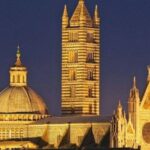
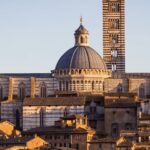
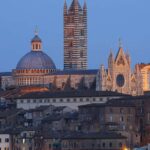
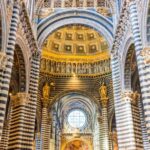
Siena Cathedral is included as a visit and photo stop on the route. Its exterior and setting are a natural focus for a walking tour, but the experience is described as centered on outdoor architecture. Entrance tickets to churches, museums, and monuments are not included, so don’t assume that the tour price covers access to the cathedral’s interior.
If you want to go inside, you can visit independently after the walk. This arrangement gives you flexibility: you can first get your bearings and hear some context, then decide how much time you want to spend at the cathedral and whether to pay for entry.
The difference between seeing a landmark from outside and entering it is worth keeping in mind when comparing tours. This is a guided city walk, not a package that bundles admission to Siena’s major sites.
Piazza del Campo gives you room to pause
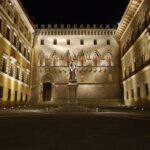
The walk includes Piazza del Campo, Siena’s celebrated central square. The schedule allows 40 minutes here for a break, photos, a visit, and free time. That is a substantial pause within a two-hour experience, and it gives you a chance to look around rather than simply pass through.
The Campo is also a natural place to connect architecture with Siena’s living traditions. The Palio, the city’s famous horse race, is bound up with the contrade. Guides have used the walk to explain how those neighborhood identities still matter to people who live here. If you are in Siena around the time of the Palio, that context can help make the city’s excitement easier to understand.
A 40-minute stop does shape the walk. You get time to enjoy the square at your own pace, but it also means the tour is not two hours of continuous guided commentary. If you prefer a tightly packed route with a guide speaking at every stop, this format may feel leisurely.
A local guide can make the small details count
The tour is led in English or Italian, and the group is capped at six. That intimate size is a real advantage if you like to ask questions or want the guide to respond to your interests. The guide’s role includes coordinating the route and offering practical information and local recommendations, not just leading the group from one stop to another.
Tommaso is a name that comes up in connection with walks that cover the city’s history, less familiar lanes, and local customs. Eva has also led tours, with a focus on Siena’s history and adapting to a multilingual group. Other guides, including Nicola and Cristian, have been named as well. These names are useful context, but you should not assume that a particular guide will lead your departure.
Some of the most memorable moments can be small and specific. One guide made a detour to introduce the group to Emilio, a 92-year-old stonemason. That kind of encounter is not a promised part of the route, but it shows the value of a locally led walk: a guide may be able to connect the city’s built history with the people who keep its crafts and stories alive.
There is a practical caveat on language. The tour is offered in English and Italian, but clear delivery can vary by guide. Some English-speaking participants have found accents difficult to follow, while others have been satisfied with the explanations. If spoken detail is central to your enjoyment, it is reasonable to ask about the language of your departure before booking.
More Great Tours NearbyWhat $43 buys you in Siena
At $43 per person, the main value is a small-group introduction to the city with a local guide. You are paying for two hours of orientation, access to local context, and a route that combines well-known sights with less familiar streets. For a first day in Siena, that can help you decide where to return and how to use the rest of your time.
The price does not include entrance tickets, food, drinks, or private transport. Those exclusions are clear and important. If you want to tour the cathedral or another monument from the inside, budget separately. If you are looking for a guided visit to several interiors, this is not the right product.
The group limit helps the price make sense. A small party can stop for questions without turning the walk into a lecture delivered to a crowd. The value will be strongest if you are curious about Siena’s neighborhoods and traditions, rather than expecting a ticketed tour with access to every major monument.


Practical details before you set out
The walk starts and ends at Hotel Chiusarelli. It lasts two hours, and starting times depend on availability. You should wear comfortable shoes: the experience takes place on foot through medieval streets and squares, and the pace is easygoing rather than rushed.
The tour is intended for people who want to take in the city slowly. That makes it a sensible choice if you enjoy taking photos, asking questions, and noticing details along the way. It is less suited to anyone trying to squeeze a broad list of attractions into a short visit.
You can cancel up to 24 hours in advance for a full refund, and the reserve-now, pay-later option lets you hold a place without paying immediately. Those terms are useful if your plans are still taking shape, but they do not change the main decision: this is an outdoor walking tour, not an admission-inclusive sightseeing package.
Who should book this Siena walk?
I’d consider this tour if you want a gentle introduction to Siena, prefer a small group, or have already seen the main landmarks and want a more local angle. The combination of Santa Caterina, Fontebranda, the cathedral area, side streets, and Piazza del Campo gives you a useful overview without making the walk feel like a race.
It is also a good fit if the contrade and Palio interest you. Those subjects help explain why Siena’s identity is tied to its neighborhoods, not just its grand buildings. The guide’s local recommendations can also help you plan what to explore after the tour.
I’d choose another option if you want guaranteed access to church or museum interiors, a detailed conventional history of every major monument, or a fast-paced route with constant commentary. At $43, this walk offers its best value as a small, personal orientation to Siena’s streets and traditions. If that is what you want, it is a sound way to start getting to know the city.
Siena: Local Walking Tour
FAQ
How long is the Siena walking tour?
The tour lasts two hours.
Where does the tour start and finish?
It starts and ends at Hotel Chiusarelli.
What places are included on the route?
Stops include the Santuario di Santa Caterina, Fontebranda, Siena Cathedral, and Piazza del Campo. The walk also passes through medieval streets and less familiar areas.
How much free time is scheduled at Piazza del Campo?
The schedule includes 40 minutes at Piazza del Campo for a break, photos, a visit, and free time.
Are entrance tickets included?
No. Tickets to museums, churches, and monuments are not included. You can visit those sites independently after the walk.
What languages are offered?
The live tour is offered in English and Italian.
How many people can join the group?
The small group is limited to six participants.
Should you book it?
Book this walk if you want a relaxed, small-group introduction that joins Siena’s headline sights to its neighborhood traditions. Skip it if you need monument admission or a fully conventional history tour. At $43, the choice comes down to what you value more: a local view of the city’s streets and customs, or guided access inside its famous buildings.
You can check availability for your dates here: