The best part of this Tuscan outing is its close-up look at a working family business. At Azienda Agricola Montecucco di Caglieri Sara, you can walk among the olive trees, see the mill, and learn how the family turns its harvest into extra virgin oil.
I like two things in particular: the explanations connect the grove to the finished product, and the tasting takes place in the countryside rather than in a shop. Martina, a member of the family, often leads the tour in English, while other family members may show parts of the mill or share the family story.
One consideration: this is a rural visit, not a city-center tasting room. Plan your route and return transport before you go, wear closed shoes, and remember that rain or intense summer heat can affect the outdoor portion.
- What makes this olive-oil visit worthwhile
- Meet the family behind the oil
- Walk the olive grove before the mill
- Follow the olives through the family mill
- Taste the oils, then pair them with local food
- A relaxed 90 minutes, with room to linger
- Does offer good value?
- Who will enjoy this visit most?
- Should you book the Montecucco olive-oil experience?
- FAQ
- How long does the olive-oil experience last?
- What is included in the price?
- Which languages are available?
- What food is served with the tasting?
- How many olive oils will I taste?
- Can I see olives being pressed?
- What should I wear?
- Is the activity suitable for children?
- The Best Of Siena!
- More Tours in Siena
- More Tour Reviews in Siena
- Not for you? Here's more nearby things to do in Siena we have reviewed
What makes this olive-oil visit worthwhile
- A family business, not a showroom: Learn about a tradition carried through generations, with several women in the family involved in its history and operation.
- Grove and mill in one visit: See where the olives grow, then follow the process that turns them into oil.
- A tasting with useful context: Compare extra virgin and flavored oils, with guidance on recognizing quality.
- Wine and a light board included: Expect estate wine with vegetables and bruschetta, served in a relaxed countryside setting.
- Harvest timing can add a working-mill view: During harvest, you might see fresh olives arrive and a batch being pressed, but this depends on the season and the day.
- A compact 90-minute outing: At $39 per person, it suits a day when you want a focused food experience rather than a full-day excursion.
👉 See our pick of the 20 Best Guided Tours In Siena
Meet the family behind the oil
The visit starts at Azienda Agricola Montecucco di Caglieri Sara, a family-run farm in the Province of Siena. You are welcomed with a glass of rosé, then hear about the people and traditions behind the operation. The business has passed through generations of the family, with its female line playing a central role. Martina is a frequent guide, and other family members, including her father and grandfather, may be part of the visit.
That personal introduction matters. Olive oil is often sold as a simple pantry staple, but making it well depends on many choices: how trees are cared for, when olives are picked, how quickly they are milled, and how the finished oil is stored. Hearing those choices explained by the family gives you a better sense of what is at stake for a small producer.
You may also hear about the family’s effort to reduce waste by finding uses for production leftovers. It is a practical glimpse of how a farm thinks beyond the bottle, and how land care and business decisions connect. The family’s story is part of the experience, but the tour also spends time on the actual production process, so it is not just a sales pitch or a family album in words.
English-language tours are available, and Martina is often praised for making technical details clear and welcoming questions. The guide may vary, so you should not assume one particular family member will lead your session.
You can also read our reviews of more tours and experiences in Siena.

Walk the olive grove before the mill
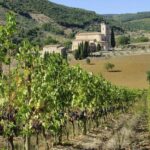
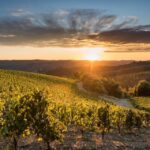
The grove walk is a useful first step because it starts the story at the source. Your guide explains cultivation, harvesting, and the care of olive trees. The setting also gives you time to notice the calm of the countryside, with the olive trees and views forming a welcome change from Siena’s streets and monuments.
This is not a long hike. The guided portion of the visit is listed at about 40 minutes and includes both the grove and the mill. Still, the walk takes place outdoors and on rural ground, so closed, comfortable shoes are a sensible choice. The activity is described as suitable for all ages, and families with young children have taken part, but the countryside setting is worth keeping in mind when deciding what to wear.
Weather can shape this part of the tour. Rain has sometimes shortened the walk, while summer heat can make the timing feel important. If you have a choice of start times in hot weather, morning or evening may be more comfortable. One visitor found a 6 pm visit worked well in summer, though your available times will depend on the schedule.
The grove is more than a scenic backdrop. It lets you connect what you see on the tree with what you taste later. A guide can explain how care and harvest affect the crop, and you can ask questions before moving indoors to see the equipment.
Follow the olives through the family mill
At the mill, the family explains how olives are transformed into extra virgin olive oil. You get a closer look at the equipment and the steps involved, rather than only hearing a general description of oil production. The explanations are intended for curious newcomers, not specialists, and guides have been able to make the process clear while answering detailed questions.
The timing of your visit can make a real difference here. During the harvest period, there is a chance of seeing trucks bring in freshly picked olives or watching a batch being pressed. Some visits have included a look at pressing and a taste of newly made, unfiltered oil alongside filtered oil from an earlier crop. That is a special bonus, not a year-round guarantee: harvest activity depends on the season and what is happening at the mill that day.
The family also bottles its oil on site and focuses on keeping it fresh rather than holding a large stock. You may hear why oil can lose quality after a container is opened and exposed to air. That advice is useful if you are deciding whether to buy a large tin or a smaller amount. Buy only what you can store and use well once home.
A mill visit can be less picturesque than the grove, but it is where the process becomes concrete. You can see how the family’s work moves from tree care to pressing, and why the timing of harvest and milling matters to the oil in your glass.
Taste the oils, then pair them with local food
The tasting is a highlight because it turns the earlier explanations into something you can experience directly. The standard description includes three extra virgin olive oils and flavored oils, with guidance on how to recognize quality. The exact range can vary: some sessions have included several more oils, so think of the listed three as the core offer rather than a promise of a fixed number beyond that.
You are not simply handed bread and left to guess. The family guides you through the differences between oils, including their flavor and intensity, and helps you understand what to notice. That makes this more useful than a quick sample at a shop, especially if you want to choose oil with more confidence after your trip.
The food board typically includes vegetables, bruschetta, and wine made by the family. The wine is part of the tasting, not just a token pour, and some visitors have sampled several wines. The board is described as light, so treat it as a tasting snack rather than a full lunch. Vegetarian options are part of the experience, with vegetable sticks and bruschetta among the items served.
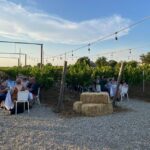
The tasting usually takes place in or beside the olive grove, in a shaded or covered seating area. This is where the pace changes. After the guided explanation, there is time to sit, enjoy the food and wine, and take in the quiet setting. The itinerary includes free time, so the visit need not feel like a race from one station to the next.
More Great Tours NearbyA relaxed 90 minutes, with room to linger
The full experience lasts about an hour and a half. The guided tour takes roughly 40 minutes, followed by a food tasting of about 20 minutes and additional free time. That makes this an easy fit between other plans, but the relaxed finish is part of its appeal. You have a chance to enjoy the setting rather than simply tick off the mill and leave.
The group size is not specified, and it can vary. Some sessions have been intimate, even just a couple or a small family, while others bring people together around the tasting table. The personal, question-friendly approach is a consistent feature, but you should not count on having a private tour.
The countryside location calls for a little planning. The exact travel details are not provided here, and the farm is not presented as a city-center stop. Check how you will get there and back before booking, particularly if you do not have a car. A visitor has noted that the drive felt longer than expected and arranged return transport with help from the host. Another found the farm easy to locate, but rural routes can still take more attention than a central address.
If you are driving, confirm the directions and allow enough time to arrive without rushing. If you are arranging a ride, plan the return as well as the trip out. The family may be able to help, but it is wiser to settle transport before your tasting begins.


Does $39 offer good value?
At $39 per person, the price covers more than a sample of oil. You get the welcome rosé, a guided walk through the grove, a mill visit, an olive-oil tasting, estate wine, a light food board, and time to relax outdoors. For a 90-minute activity, that is a solid package if you are interested in food, farming, or family-run production.
Its value comes less from the number of samples than from the explanation around them. A bottle tasting alone would be easy to find elsewhere. Here, you learn what the family does before and after the olives reach the mill, then taste the result. You also get a close look at a small producer’s approach to freshness and waste.
The $39 price does not include a full meal or transport, and you should keep those costs in mind when comparing it with other activities. Buying oil or wine is optional. The family offers products for sale, but you can enjoy the visit without purchasing anything. If you do want to bring oil home, think about the size of the container, how you will transport it, and how quickly you can use it after opening.
Who will enjoy this visit most?
I would choose this experience if you want an easy, hands-on way to understand Tuscan olive oil beyond the label. It is especially well suited to food-curious visitors, couples, families, and anyone who enjoys meeting the people behind a local product. Children are welcome, and the grove and tasting give the visit variety, though younger children may be more interested in the setting than the production details.
It is also a good fit if you value small-scale farming and want to hear how a family business handles changing harvests, land care, and production. The family’s account of climate-related effects on yields adds context to the oil’s price and availability. Those subjects make the visit more than a pleasant snack stop.
If you are short on time, the 90-minute length is convenient. If you want a long winery lunch, a large estate tour, or a guaranteed live harvest demonstration, this is not the right match. Harvest activity is seasonal, and the food board is light. Weather can also alter the amount of time spent outdoors.
Should you book the Montecucco olive-oil experience?
Book it if you want to connect the Tuscan countryside with what ends up on your table. The combination of grove, mill, tasting, and family story gives you a fuller picture than a tasting alone, and $39 is reasonable for the included food, wine, and guided visit.
Before you reserve, check the available start times, plan your transport, and choose shoes suited to a rural setting. If you are visiting in summer, consider a cooler time of day; if you are there during harvest, the mill may be especially active, but treat that as a possibility rather than a guarantee. You can cancel up to 24 hours in advance for a full refund, and reserve now while paying later if you want to keep plans flexible.
Near Siena: Tuscan Olive Oil Experience at a Family Mill
FAQ
How long does the olive-oil experience last?
The experience lasts about 1.5 hours. The guided tour takes roughly 40 minutes, the tasting about 20 minutes, and the visit also includes free time.
What is included in the $39 price?
The experience includes a welcome rosé, an olive grove walk, a mill visit, a guided olive-oil tasting, wine with a light food board, and time to relax in nature.
Which languages are available?
The live tour guide is available in Italian and English.
What food is served with the tasting?
The light board includes vegetables and bruschetta, served with homemade wine. The tasting is suitable for vegetarians.
How many olive oils will I taste?
The experience includes three extra virgin olive oils and flavored oils. The selection can vary, and some sessions have included a wider range.
Can I see olives being pressed?
You might see pressing during harvest, when fresh olives are arriving at the mill. This depends on the season and the activity taking place on the day of your visit.
What should I wear?
Comfortable, closed shoes are recommended because the experience takes place in a rural setting and includes a walk through the olive grove.
Is the activity suitable for children?
Yes. The activity is suitable for all ages. Children have joined the tour, including young children, though the visit takes place outdoors and includes explanations about cultivation and production.
You can check availability for your dates here: