Tiwanaku is a rewarding day out for anyone curious about the Andean world before the Incas. The site is estimated to be about 2,000 years old, and its ruins hint at a settlement that may have housed as many as 20,000 people.
I like two things about this trip: a guide connects the ruins to the archaeological work that uncovered them, and the route includes both Tiwanaku and Puma Punku rather than just one stop. Hotel pickup from central La Paz also saves you the hassle of arranging a long drive yourself.
The trade-off is time. Allow most of a day, and do not expect a site on the scale of Machu Picchu or Teotihuacan. The drive, several pickups and La Paz traffic can stretch the schedule, while the van may feel cramped when full.
- Two archaeological areas: Explore Kalasasaya at Tiwanaku, then continue to Puma Punku.
- Museum time included: Visit two museums as well as the ruins, with a guide to help put the objects and stonework in context.
- A long drive, handled for you: The round trip covers about 140 kilometers, with transport from central La Paz.
- Budget for extras: The $35 tour price does not include the $15 entrance fee or roughly $6 for lunch.
- Plan for a full day: The tour is listed as eight hours, but pickups and traffic can affect your return time.
- Why Tiwanaku deserves a day from La Paz
- The drive out from central La Paz
- Kalasasaya and the Tiwanaku museums
- Lunch in town, then on to Puma Punku
- What covers, and what it does not
- Practical details before you go
- Should you book the Tiwanaku day trip?
- FAQ
- How long is the tour?
- How far is Tiwanaku from La Paz?
- What is included in the price?
- How much should I budget for admission and lunch?
- Which places are visited?
- Is hotel drop-off included?
- What should I bring?
- The Best Of La Paz!
- More Guided Tours in La Paz
- More Tours in La Paz
- More Tour Reviews in La Paz
- Not for you? Here's more nearby things to do in La Paz we have reviewed
Why Tiwanaku deserves a day from La Paz
 1 / 5
 2 / 5
 3 / 5
 4 / 5
 5 / 5
Tiwanaku offers a chance to look beyond the better-known Inca sites and consider an earlier Andean civilization. The ruins are estimated to be around 2,000 years old, and the settlement is thought to have been large enough for up to 20,000 people. Those figures give you a useful sense of the site’s scale, even when the surviving structures do not form a single, dramatic panorama.
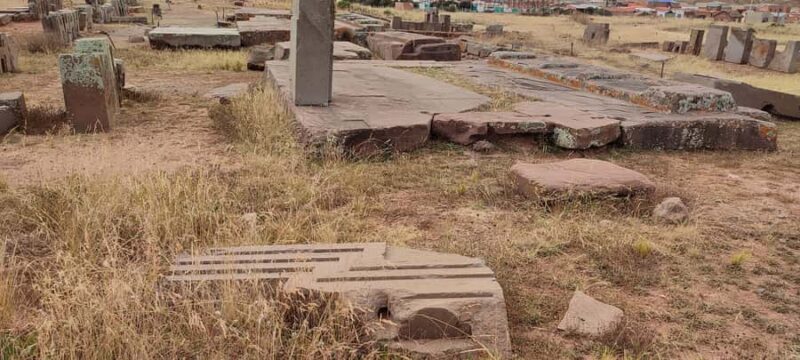
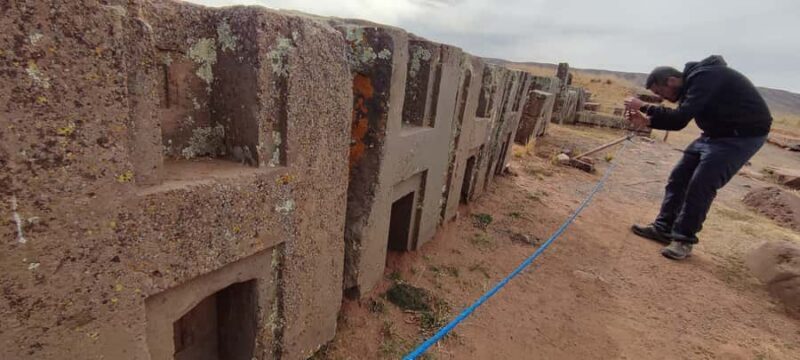
The appeal here is in the details: the layout of the archaeological area, the objects in the museums and the precision of the stonework. Puma Punku, in particular, is noted for its carefully worked stones. A guide can help explain what has been excavated and what remains uncertain, which makes the visit more meaningful than simply walking past the ruins with no context.
Keep your expectations measured. Tiwanaku is fascinating, but it is not an enormous, fully intact city. If your idea of an archaeological visit is a monumental complex such as Machu Picchu, this may feel modest by comparison. Its value is different: you get an accessible introduction to a significant pre-Columbian culture, with two sites and museum visits in one outing.

👉 See our pick of the 14 Best Whale Watching Experiences In La Paz
The drive out from central La Paz
The tour begins with pickup at your accommodation, provided it is in downtown La Paz. If you are staying outside the central area, you need to arrange a nearby pickup point or go to the tour office. The pickup time can vary with your location and traffic, and collecting people from several hotels adds time before the road trip properly gets underway.
Tiwanaku is about 70 kilometers from La Paz. The drive is listed as roughly two hours each way, so the vehicle portion is a substantial part of the day. Having round-trip transport included is a real convenience: you do not need to arrange a separate trip to the archaeological area or manage the return journey yourself.
Expect a shared van rather than a private car. A 13-seat HiAce has been used, and it can feel tight when every seat is occupied. If you are tall or simply value extra room, that is worth factoring in. A vehicle problem has also occurred on a trip, with a replacement arranged, so allow some flexibility rather than building a tight connection or evening plan around the advertised return.
La Paz traffic and multiple pickups can make the start feel slow. The stated schedule gives an approximate return to the city at 16:30, but a full-day outing can run later. One account of the trip describes getting back around 18:00. I would keep the evening open, especially if you have a flight, bus or dinner reservation to make.
You can also read our reviews of more guided tours in La Paz
Kalasasaya and the Tiwanaku museums
The main visit combines the museums with the Kalasasaya archaeological site. This order is useful: the museum displays can give you a first look at material from the culture before you step among the remains themselves. Your bilingual guide speaks English and Spanish, and guides including Juan, Guillermo and Theo have been praised for explaining the archaeology clearly and with real enthusiasm.
The guide matters here. Tiwanaku is not a site where every part of the story is obvious from the stones alone. An explanation of excavations and the civilization that once lived here helps you understand why a structure or object matters, and gives you a chance to ask questions as you go. If you want the tour in English, make that clear and check that the guide can provide the explanation in your language. One account describes a tour conducted mostly in Spanish, with English answers to questions, so the balance of languages may be worth confirming.
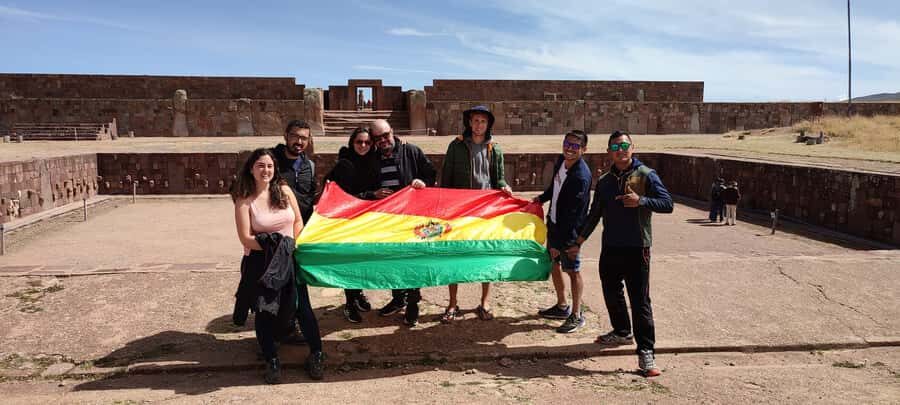
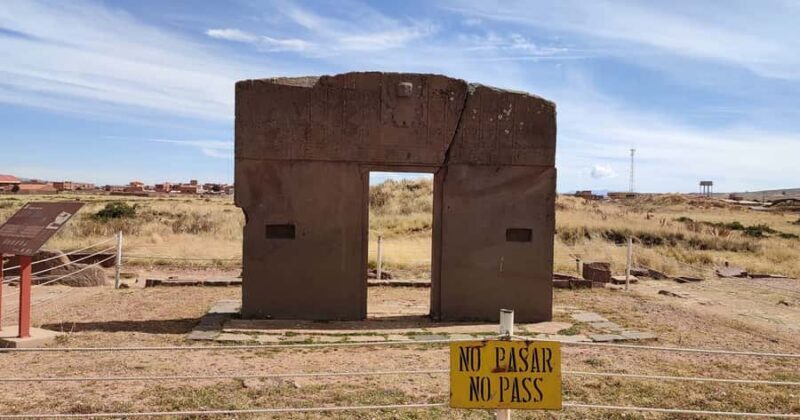
Kalasasaya gives you time to walk through the archaeological area and take in the remains at a human pace. It is a place for looking closely and listening, not a quick photo stop. The guide-led format is particularly helpful if you are interested in the site’s history and the archaeological digs rather than only its most recognizable features.
Both museums are part of the visit, which adds useful context to the outdoor stops. Photography is not allowed inside, so bring a camera for the outdoor areas but be ready to put it away in the museum. Sunglasses, a hat and sunscreen are sensible for the open-air portions; take a jacket too, since the day includes time outdoors and the weather can change.
Lunch in town, then on to Puma Punku
About halfway through the day, the group stops for lunch at a restaurant selected by the guide. The meal is not included in the tour price, and the expected cost is about $6. It is a practical pause in a long excursion, with time to eat, rest and ask the guide more questions before heading back to the archaeological sites.
The lunch stop is also a chance to try regional food and local snacks. One vegetarian meal has been accommodated, but if you have dietary needs, tell the operator or guide rather than assuming every option will suit you. The restaurant is guide-selected, which keeps the day moving, though you will have less choice than you would at a restaurant you picked yourself. Bring cash for lunch and admission; card payment may be possible at the ticket office, but it is not something to rely on.
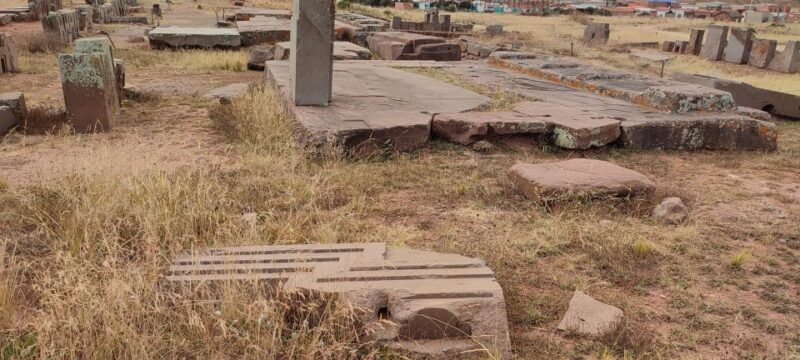
After lunch, the tour continues to Puma Punku. This second site gives the day a different focus, with its strikingly precise stonework. It is a strong reason to choose this outing over a visit to Tiwanaku alone, especially if you are interested in construction techniques and the skill visible in the surviving stones.
There is a timing oddity to check before booking: the itinerary gives Puma Punku a duration of 30 hours, which cannot fit an eight-hour tour. The overall schedule describes a morning departure and a return to La Paz around 16:30, so that duration appears inconsistent. Ask Buhos Tours to confirm how long you will spend at Puma Punku rather than planning around that figure.
What $35 covers, and what it does not
At $35 per person, the tour includes hotel pickup in central La Paz, round-trip transport and a bilingual English- and Spanish-speaking guide. That is a reasonable package for a full-day trip covering a site about 70 kilometers away, particularly if you value having someone explain the archaeology instead of arranging your own transport and guiding.
The headline price is not the full cost. Add the $15 entrance fee and about $6 for lunch, bringing the expected minimum to roughly $56 per person before any personal spending. The entrance fee is paid separately, and cash is the safest choice for both admission and food. The ticket office may accept cards, but the tour information recommends bringing cash.
The guide is a major part of the value. Names such as Juan and Guillermo are associated with clear, engaging explanations, and Theo has also been praised for his grasp of the subject. Your experience will depend in part on how much of the tour is delivered in your preferred language, so it is sensible to confirm that point when arranging the trip.
The tour is less compelling if you are short on time in La Paz. It takes most of a day, and you may prefer to use limited hours for city sights such as the cable cars or another activity closer to town. If Tiwanaku is a priority, though, the included transport and guiding make this a straightforward way to reach both archaeological areas.
More Great Tours NearbyPractical details before you go
Have breakfast before pickup. The day starts with a long drive, and lunch comes partway through the outing. Bring a passport or a copy, as well as cash for the entrance fee and meal. Pack sunglasses, a sun hat, sunscreen, a camera and a jacket.
Pickup is included only from central La Paz accommodation. If you are staying outside the downtown area, choose a nearby pickup point or go to the tour office. Wait in your accommodation reception, and remember that the pickup time can shift with traffic and the order of hotel stops.
This tour is not suitable for people with mobility impairments. You will walk at the archaeological sites, and the information provided does not promise wheelchair access or other mobility support. If walking is difficult for you, contact the operator before booking to discuss what the visit involves.
The activity allows free cancellation up to 24 hours ahead for a full refund, and you can reserve now and pay later. Those terms help if your schedule is still taking shape, but they do not change the need to budget for admission and lunch separately.

Should you book the Tiwanaku day trip?
Book this tour if you want a guided introduction to Tiwanaku and Puma Punku and can give the outing most of a day. The combination of museums, Kalasasaya, Puma Punku and a guide makes the trip more informative than a simple transfer to the ruins, while central pickup removes a major logistical chore.
Think twice if you have only a short stay in La Paz, dislike long van rides or need a firm return time. The site rewards attention more than spectacle, and traffic can make the day longer than planned. If that sounds acceptable, bring cash, confirm the English-language arrangements and the Puma Punku timing, and leave your evening flexible.
La Paz: Tiwanaku Archeological Ruins Guided Tour
FAQ
How long is the tour?
It is listed as an eight-hour tour. The drive takes about two hours each way, and the stated return time is around 16:30, though traffic and pickups may affect the schedule.
How far is Tiwanaku from La Paz?
The archaeological area is about 70 kilometers from La Paz. The drive is listed as roughly two hours each way.
What is included in the $35 price?
The price includes pickup from central La Paz accommodation, round-trip transport and a bilingual guide in English and Spanish. The entrance fee and lunch are not included.
How much should I budget for admission and lunch?
The entrance fee is $15, and lunch is about $6. Bring cash, since card payment at the ticket office may not be available.
Which places are visited?
The tour includes the Tiwanaku museums, the Kalasasaya archaeological site and Puma Punku.
Is hotel drop-off included?
The tour includes hotel pickup, but hotel drop-off is not listed as included. The stated finish point is the Basilica of Saint Francis in central La Paz.
What should I bring?
Bring sunglasses, a sun hat, sunscreen, a camera, a jacket, cash and your passport or a copy. Have breakfast before the tour, and note that photography is not allowed inside.
You can check availability for your dates here: