Antigua’s old streets make more sense when someone explains what you are looking at. This 2.5-hour walk links landmark buildings with the everyday city around them, from the Central Square and its colonial government palace to a public laundry once used as a place to catch up on local news.
I like two things in particular: the small group, capped at eight, leaves room for questions, and the local advice helps you decide what to see, eat and shop for after the walk. Guides such as Camilo are also praised for adapting the route to people’s interests and sharing useful recommendations.
One consideration: this is a walking tour in a tropical climate, over cobbled streets and under the sun. Bring water, a hat and comfortable shoes, and know that the tour is not suited to people with a low fitness level.
- Central Square: Start by the yellow Palacio de los Capitanes, facing the cathedral.
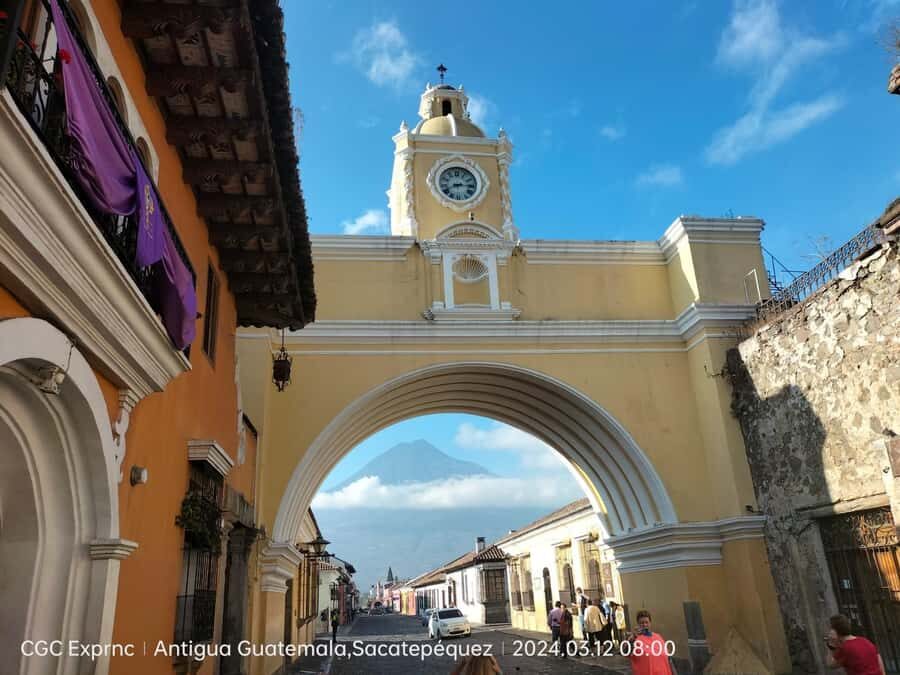
- Colonial landmarks: See La Merced, the Cathedral de San Jose and Santa Catalina Arch.
- Everyday Antigua: Visit Tanque de La Union, a public laundry and traditional meeting place.
- Local orientation: Get practical help with Antigua’s cardinal-point address system.
- Small-group format: Groups are limited to eight, and the walk lasts about 150 minutes.
- Begin at Antigua’s Central Square
- Read the Palacio de los Capitanes in context
- Compare the cathedral and La Merced
- Pause at Tanque de La Union
- Finish the landmark circuit at Santa Catalina Arch
- Get practical advice for the rest of your stay
- Know what the walk asks of you
- Is this Antigua walk worth ?
- FAQ
- How long is the Antigua walking tour?
- What language can the guide speak?
- Where is the meeting point?
- How many people are in the group?
- What should I bring?
- Are museum tickets, drinks or meals included?
- Who is the tour not suitable for?
- The Best Of Antigua Guatemala!
- More Walking Tours in Antigua Guatemala
- More Tours in Antigua Guatemala
- More Tour Reviews in Antigua Guatemala
- Not for you? Here's more nearby things to do in Antigua Guatemala we have reviewed
Begin at Antigua’s Central Square
 1 / 8
 2 / 8
 3 / 8
 4 / 8
 5 / 8
 6 / 8
 7 / 8
 8 / 8
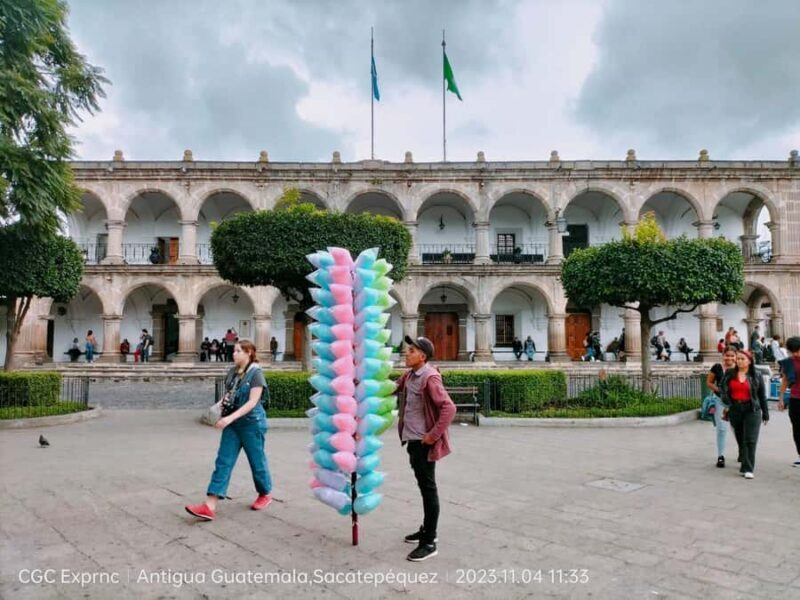
The meeting point is easy to identify once you know where to look. Stand facing the cathedral, then turn right toward the yellow colonial building with arches and the flags of Guatemala and Antigua. That is the Palacio de los Capitanes, where the group meets.
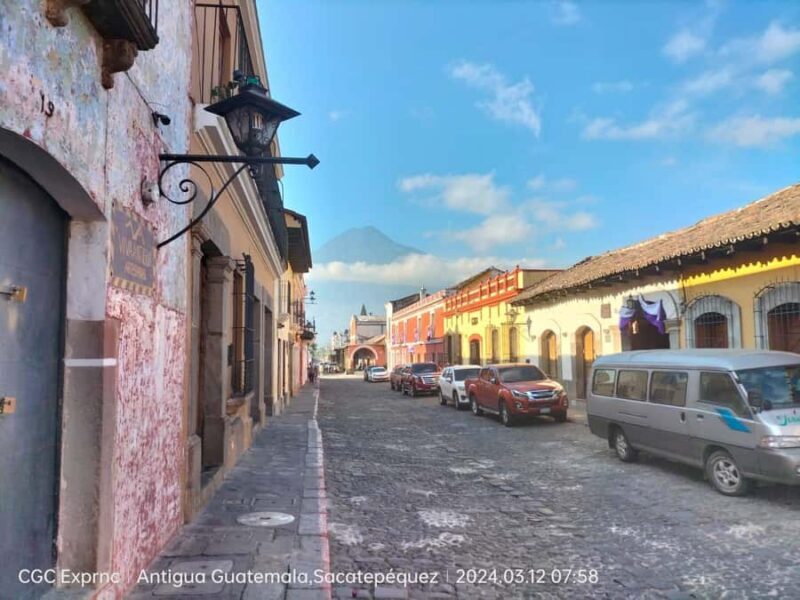
The square is a useful place to begin because it brings several parts of Antigua together: civic buildings, religious architecture and the city’s day-to-day movement. Rather than treating the plaza as a quick photo stop, the guide explains what its buildings represent and how they are used now. That mix of past and present is the thread running through the walk.
The itinerary can vary with the group’s pace, so you should not expect every stop to take the same amount of time. The aim is a broad introduction to the old town, not a long, formal visit inside every building. If a particular site catches your interest, ask about it. Visitors have found the small-group format helpful for questions and detours.
👉 See our pick of the 2 Best Cooking Classes In Antigua Guatemala
Read the Palacio de los Capitanes in context
The Palacio de los Capitanes is one of the most recognizable buildings around the square. Its yellow facade and arches make it a strong visual landmark, but the guide’s explanation gives you more than a good photograph: you learn about the building’s place in Antigua’s colonial civic life and what it means in the city today.
A guided introduction is especially useful here because Antigua can look like a sequence of handsome facades if you do not know what you are seeing. The tour connects buildings to the people and institutions behind them. You will also get a feel for how locals use the center, rather than only seeing it as a historic zone.
This is a good moment to ask about the city’s layout. Antigua uses a cardinal-point-oriented address system, which can be unfamiliar if you are used to street names and house numbers. Your guide offers tips for finding your way, so you can use the rest of your stay more confidently.
You can also read our reviews of more walking tours in Antigua Guatemala

Compare the cathedral and La Merced
The Cathedral de San Jose is presented as Antigua’s largest colonial cathedral, dating to 1545. Its scale and age make it a key stop, and the guide supplies historical context that can be hard to gather from a passing glance. The tour focuses on what the building represents, not simply how old it is.
I like the contrast with Iglesia de la Merced, singled out for its Baroque architecture. Seeing both gives you a chance to notice how different religious buildings shape the old town’s character. The guide can point out the features that make La Merced a strong example of the style, while helping you place it among Antigua’s other colonial landmarks.
The practical limit is time. This is a city walk rather than an extended church or museum visit, and entry tickets for museums are not included. If you want to spend longer inside a particular site, ask the guide for advice on returning independently. Several people have found it useful to treat the tour as an introduction, then revisit selected places at their own pace.
Pause at Tanque de La Union
Tanque de La Union gives the walk a different rhythm. It was a public laundry and a place for conversation and gossip, a reminder that historic sites were not only built for ceremonies or government. They also served the routines of daily life.
That everyday angle helps balance the grand churches and civic buildings. You get a sense of how public spaces brought people together, and why a place like this matters beyond its age or appearance. It is the sort of stop that can make a city feel lived in rather than staged for sightseeing.
Use this pause to ask about the local customs and stories that interest you. The walk is designed to cover notable sites as well as aspects of contemporary Antigua, and the guide’s explanations can give you ideas for what to explore further.
Finish the landmark circuit at Santa Catalina Arch
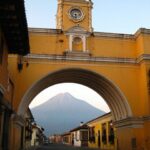
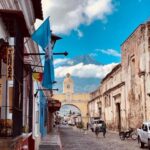
The Arco de Santa Catalina is Antigua’s best-known pedestrian bridge and one of its most familiar sights. It offers a fitting stop on a walk through the old town: a clear example of how the city’s historic structures continue to shape its public image.
The arch is worth seeing with context, not only as a backdrop for a photograph. The guide discusses the site’s history and significance, then you can decide whether to return later for a slower look or pictures. The tour also covers other museums, artisan markets, restaurants and entertainment options, so the arch is part of a broader orientation rather than the whole point of the outing.
Do not expect a fixed, exhaustive checklist of every attraction. The number of monuments and places depends in part on your pace. If you have a particular interest, tell your guide early so the walk can make the most of its time.
Get practical advice for the rest of your stay
A useful city walk should leave you better able to explore without a guide. This one includes advice on museums, souvenirs, artisan markets and restaurants, as well as tips for moving around Antigua. Guides such as Camilo are frequently praised for sharing food and shopping suggestions and for helping people feel more comfortable navigating the streets on their own.
That guidance can be particularly helpful at the start of a visit. Several people have chosen the walk as their first activity, then used the recommendations to plan later days. A guide may also suggest which places to revisit if you want more time than the group schedule allows.
The tour includes one map and guided walking. Museum tickets, water or coffee, meals and tips are not included. Think of the $25 price as paying for a guided overview and a useful orientation, not admission to attractions or a full-day package. If you were already planning to explore the main sights, the added value is the local context and the time saved figuring out where to go next.




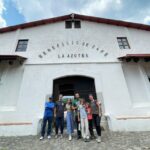
Know what the walk asks of you
The tour lasts about 150 minutes, with most of that time spent walking. Antigua is in a tropical setting, so sun protection and water matter. Bring comfortable shoes, a hat, sunglasses, water and clothes you can walk in. Small shops are available along the way, and the guide may make a brief break for a drink if needed, but refreshments are your own expense.
Cobblestones and a steady walk may be tiring if you have limited mobility or low fitness. The activity is listed as unsuitable for children under five, people with a low fitness level and people over 95. Bare feet are not allowed, and the general advice is to dress comfortably and sensibly for the weather.
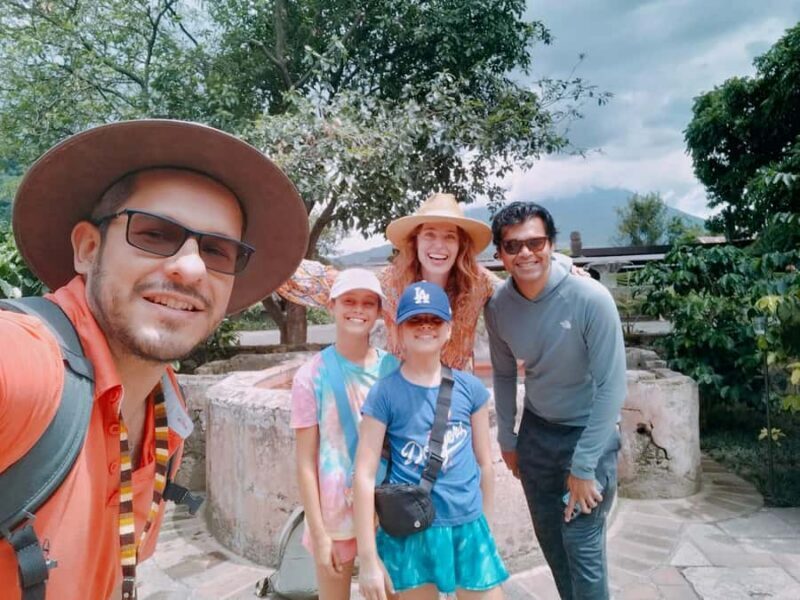
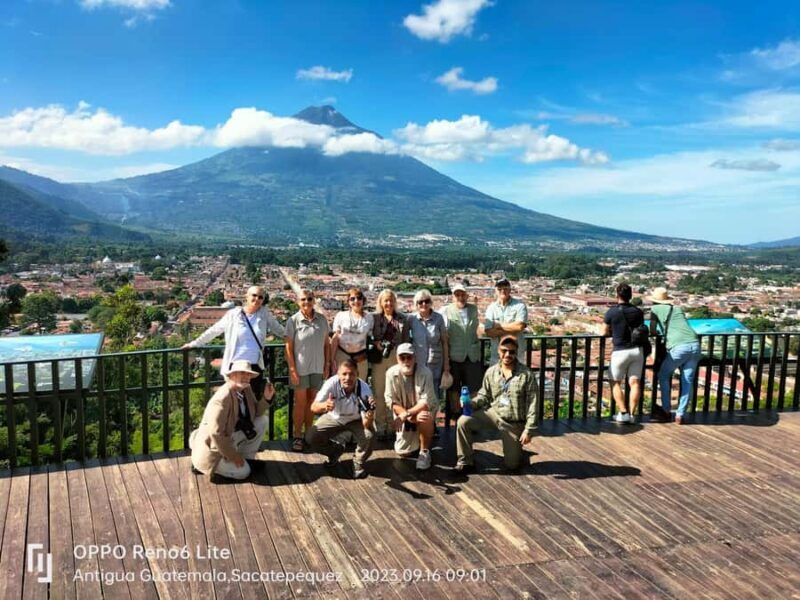
The group limit of eight is a real advantage if you like to ask questions or want a more personal pace. The guide speaks English, French or Spanish, depending on the session. Camilo is named often in connection with the tour, and people appreciate his clear English, personable manner and willingness to adapt the walk to their interests. Guide availability can vary, so check the language and time when choosing a session.
Is this Antigua walk worth $25?
For someone new to Antigua, I think $25 is fair value for a two-and-a-half-hour guided introduction, especially if you plan to use the advice afterward. The main benefit is not merely seeing a handful of famous buildings. It is learning how to read the city, understanding why its public spaces matter and leaving with a better sense of where to spend your own time.
It is also a good fit for a solo visitor or a small party who wants conversation rather than a large group march. The cap of eight supports that feel, and people who booked alone have sometimes received a full tour even when no one else joined. Still, do not book on the assumption that you will get a private outing. The stated format is small group, not private.
If you already know Antigua well and prefer to set your own route, you may get less from the basic landmarks. You can still benefit from a guide’s cultural context and recommendations, but the tour’s greatest value is as a first-day orientation. I would book it early in a stay, bring water and sun protection, and keep the rest of the afternoon open for a museum, market or restaurant the guide points out.
Antigua walking tour: Highlights, history, culture.
FAQ
How long is the Antigua walking tour?
The tour lasts about 150 minutes, or two and a half hours. The number of places covered depends on the group’s pace.
What language can the guide speak?
The live tour is offered in English, French and Spanish. Check the available language when selecting a time.
Where is the meeting point?
Meet in front of the Palacio de los Capitanes at the Central Square. Facing the cathedral, it is the yellow colonial building with arches on your right.
How many people are in the group?
The group is limited to eight participants.
What should I bring?
Wear comfortable shoes and clothes, and bring water, sunglasses and a sun hat. The walk takes place outdoors in a tropical climate.
Are museum tickets, drinks or meals included?
No. Museum tickets, water or coffee, meals and tips are not included. The tour does include a map, guided walking and advice on places to visit, shop and eat.
Who is the tour not suitable for?
It is listed as unsuitable for children under five, people with a low level of fitness and people over 95.
You can check availability for your dates here: