Zanzibar’s spice plants and Stone Town’s slave-trade history make an unusual, useful pairing: one part sensory introduction to the island, one part close look at its difficult past. I especially like that you can handle and taste spices where they grow, then visit places that put Zanzibar’s history in a physical setting. The private format also gives you a chance to ask questions and adjust the pace.
One consideration: five hours is a tight window for both the plantation and Stone Town. The market can be intense, and shopping or extra stops may eat into time at important sites. Tell your guide what matters most before the walk begins.
- Touch and taste plantation spices: See cinnamon, cardamom, black pepper, ginger, vanilla, cloves, and more in their natural form.
- Look for the coconut-tree singer: A performer known as the human butterfly climbs a coconut palm and sings Hakuna Matata.
- Visit Stone Town’s old slave-market site: Learn about Zanzibar’s role in the slave trade during the 17th and 18th centuries.
- See everyday Stone Town: The route includes Darajani Fish Market, as well as landmarks such as Freddy Mercury’s house, the House of Wonders, and the Old Fort.
- Ride with a private group: Hotel pickup and drop-off are included, and guides are available in five languages.
- Spices make a hands-on start
- Stone Town puts history on the street
- Darajani Market is a vivid final stop
- Five hours rewards a clear priority list
- What buys you
- Who will enjoy this combination
- Should you book it?
- FAQ
- How long is the tour?
- What is the price?
- Is hotel pickup included?
- Is this a private tour?
- What languages are available?
- What is included in the price?
- Is food included?
- Which spices might I see at the plantation?
- What Stone Town sights are included?
- Can I cancel or pay later?
- The Best Of Zanzibar City!
- More Walking Tours in Zanzibar City
- More Tours in Zanzibar City
- More Tour Reviews in Zanzibar City
- Not for you? Here's more nearby things to do in Zanzibar City we have reviewed
Spices make a hands-on start
 1 / 7
 2 / 7
 3 / 7
 4 / 7
 5 / 7
 6 / 7
 7 / 7
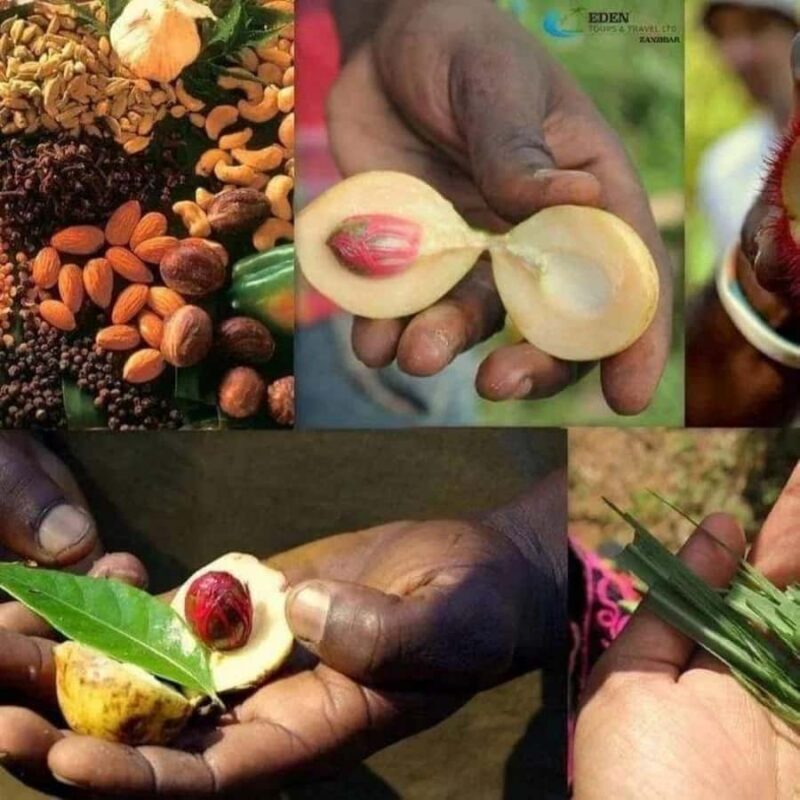
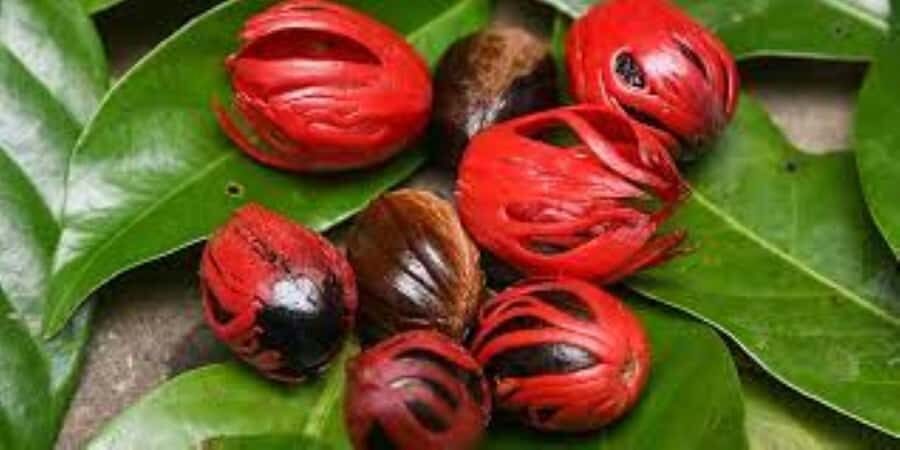
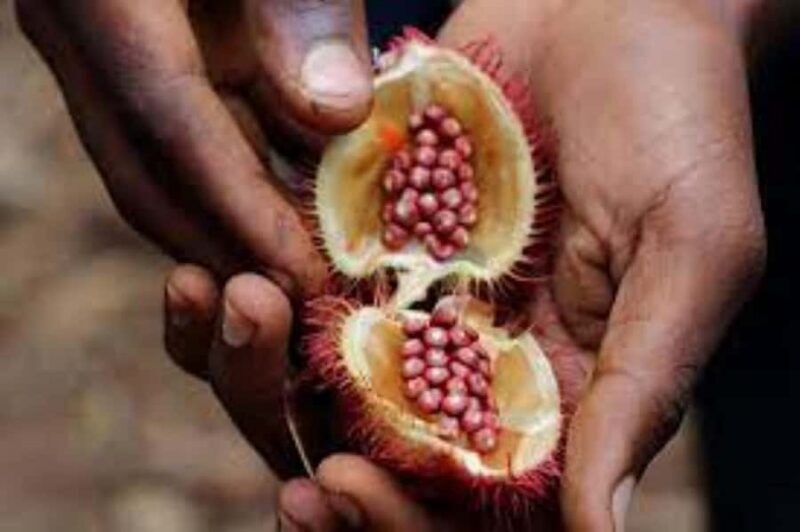
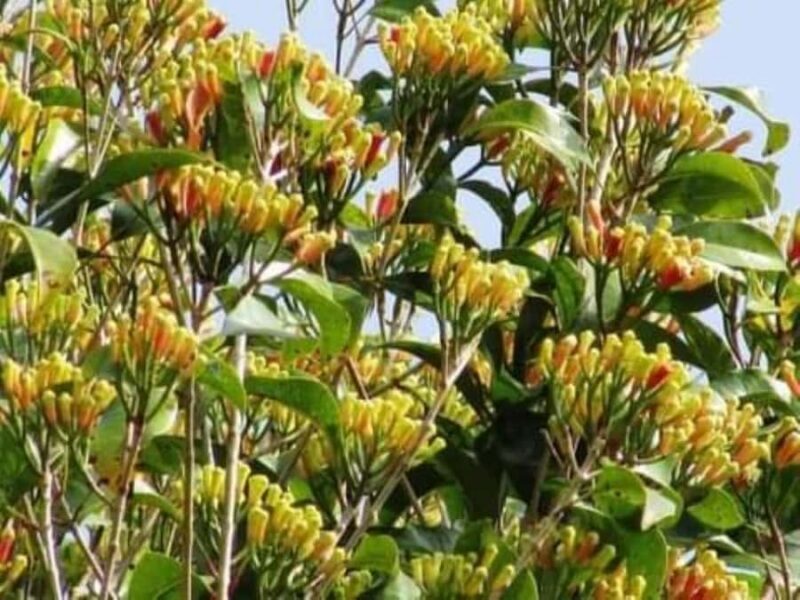
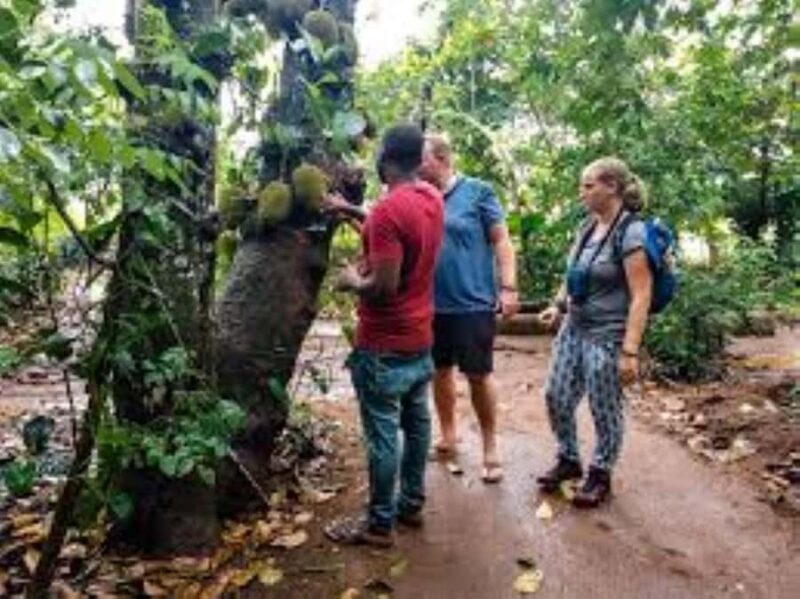
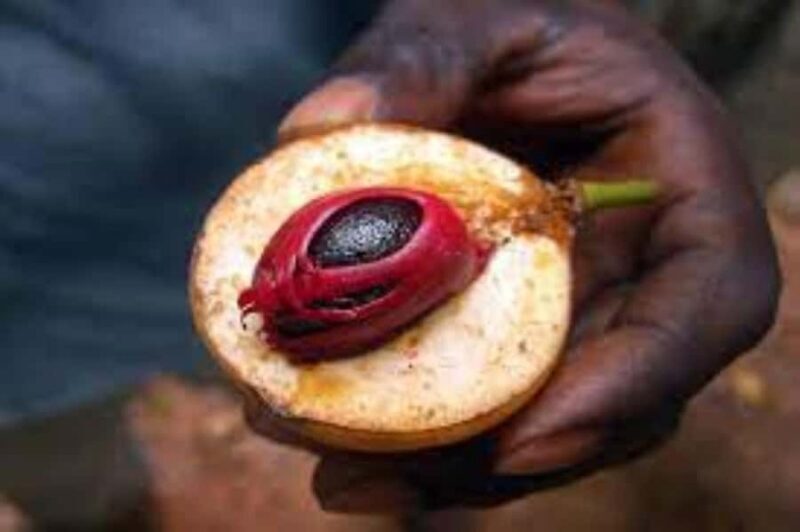
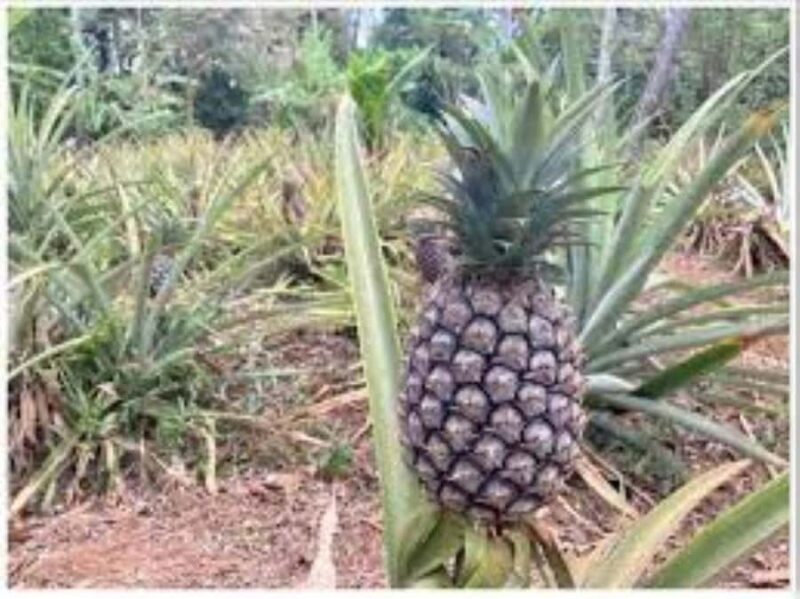
The plantation visit is not just a lesson in names. You can see, smell, touch, and taste a range of tropical spices and fruits, including cinnamon, cardamom, black pepper, chili, ginger, vanilla, lemongrass, lemon mint, turmeric, nutmeg, and cloves. Seeing a spice growing on a plant makes it easier to connect the familiar kitchen ingredient with Zanzibar’s agricultural traditions.
I like the sensory approach because it gives you more than a list of facts to remember. Rub a leaf or smell a freshly handled spice, and the guide’s explanation has something concrete to attach to. You’ll also hear about how spices grow on the island and what different plants look like before they are dried or processed.
The visit includes fruit tasting. If you have a sensitive stomach, take small tastes rather than treating it as a meal. One visitor found the fruit session unsettled both people in their party, so it is sensible to listen to your own appetite.
A playful moment at the plantation is the human butterfly, who climbs a coconut tree and sings the Hakuna Matata song. Palm-leaf crown weaving has also been part of the experience. These lighter touches break up the plant explanations, though the main value is learning to recognize spices in their living form.

👉 See our pick of the 25 Best Tours In Zanzibar City
Stone Town puts history on the street
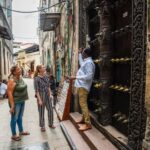
After the plantation, the tour turns to Stone Town on foot. The guide explains the island’s history and cultural influences, with special attention to the slave trade in the 17th and 18th centuries. You’ll visit the old slave-market site, an essential stop for understanding the human cost behind Zanzibar’s past.
The subject is sobering, and the site gives the discussion a more direct setting than a general overview could. A church connected with the former slave market may be included in the explanation. Ask your guide to make this part a priority if you want time for it, since the full tour also covers several other stops.
Stone Town’s lanes and buildings make a natural outdoor classroom. The route may include Freddy Mercury’s house, the House of Wonders, and the Old Fort. The tour description promises that you will see these landmarks, but does not specify interior visits. Think of this as a guided walk through the town, rather than a series of museum admissions.
The guide is a key part of the experience. Past visitors have singled out guides including Ali, also spelled Aly, Mu or Moo, Abdul, Mo, Sahim, and Sirio for clear explanations, friendly hosting, and good handling of the day. Names and guide assignments can vary, of course. What matters is the format: you have a guide to explain the places as you go, not just a driver dropping you at a landmark.
You can also read our reviews of more walking tours in Zanzibar City

Darajani Market is a vivid final stop
Darajani Fish Market offers a glimpse of daily commerce beyond the polished sights. The market can feel intense, especially around fish and meat stalls, but that is part of what makes the stop useful. You see a working market rather than a staged display for visitors.
If you prefer a gentler introduction to local markets, be ready for strong smells, busy scenes, and the ordinary mess of food being sold. You can ask your guide what to expect before entering. Some people find this part one of the most memorable looks at everyday Stone Town; others may want to keep it brief.
There is a practical trade-off here. If you want to shop for masks or browse, that takes time from the historic sites. One visitor wished the guide had offered clearer choices and missed the slave-trade area while making time for shopping. Tell your guide at the start which stops are non-negotiable, and make sure the slave-market site is on your route.
Five hours rewards a clear priority list
The tour lasts five hours, including pickup and return to your hotel in Zanzibar. That is enough time to sample two very different parts of the island, but not enough to linger everywhere. The plantation visit, Stone Town walk, market, and transfers all compete for the same half-day.
Before you set off, say whether you most want the spice explanations, the slave-trade history, the landmarks, or time at the market. This is especially useful if you have limited mobility or would rather walk slowly. A private group makes it easier to discuss the pace, but it does not make the distance between stops disappear.
The day’s logistics have earned praise for being punctual and smooth, with drivers such as Aly and Abdul mentioned for friendly, efficient transfers. In some cases, the driver and Stone Town guide are different people. That can work well, but it is worth confirming who will meet you for each part so the handoff feels clear.
Hotel pickup and drop-off are included. The guide or driver meets you in the hotel lobby with a paper showing your name. The experience is offered in English, French, Italian, Spanish, and German, which makes it easier to follow the historical explanations in a language you are comfortable with.
What $95 buys you
At $95 per person, this is more than a quick plantation visit. The price includes a private-group tour, hotel transport, entrance to the spice plantation, entrance to the slave-market site, and a guide. You are paying for a guided half-day that links nature, history, and daily life, with the convenience of transfers built in.
The value is strongest if you want context, not just a ride to a farm and a stroll through Stone Town. A good guide can connect the plants to Zanzibar’s spice-growing traditions and explain why the old slave-market site matters. The private format also makes questions and pace adjustments easier than they would be on a large group outing.
Food and personal expenses are not included. The fruit tasting is part of the plantation experience, but do not count on a full meal. Spice purchases are optional. Some visitors have encountered sales pressure or tipping requests at the farm, and prices may not be displayed clearly. Ask the price before agreeing to buy anything, and feel free to decline politely.
The experience has a 4.8 rating from 115 reviews, with particularly strong praise for organized pickup, engaging guides, and the chance to learn through touch and smell. That does not mean every guide or farm visit will feel identical. The most useful way to get what you want is to communicate your priorities and spending comfort plainly.
More Great Tours NearbyWho will enjoy this combination
This tour suits first-time visitors who want a broad introduction to Zanzibar in a single half-day. It is especially worthwhile if you are curious about both plant life and history, and prefer a guide who can explain what you are seeing rather than leaving you to piece it together alone.
It also works well for couples, families, or small private groups who want hotel transfers and some flexibility. The spice visit has a playful, sensory side, while Stone Town brings more serious subject matter. Together, they give the day a varied rhythm.
It may be less satisfying if you want a long, unhurried exploration of Stone Town, or if you would rather avoid markets and sales-oriented stops. The tour covers many places in five hours, so it is a sampler rather than a deep study of either the plantation or the town. If you want to shop, take photographs, or linger over the slave-trade history, make that clear early.






Should you book it?
Book this tour if you want a practical introduction to Zanzibar that balances spice-growing traditions with Stone Town’s history. The strongest reasons to go are the hands-on plantation visit, the serious historical stop, and the private guide-and-transfer setup.
Skip it if you would rather spend a full day on one subject or dislike the possibility of market intensity and optional sales at the farm. If you book, ask at the beginning to prioritize the slave-market site, confirm how much time is planned for Darajani Market, and check prices before buying spices. That small bit of planning can help turn a busy half-day into a more personal one.
Zanzibar: Spice Tour & Stone Town Walking Tour
FAQ
How long is the tour?
The tour lasts five hours, including hotel pickup and return to Zanzibar.
What is the price?
The listed price is $95 per person.
Is hotel pickup included?
Yes. Hotel pickup and drop-off are included. The guide or driver meets you in the lobby with your name on a piece of paper.
Is this a private tour?
Yes. The tour is for a private group.
What languages are available?
A live guide is available in English, French, Italian, Spanish, and German.
What is included in the price?
The price includes hotel pickup and drop-off, entrance to the spice plantation, entrance to the slave-market site, and a tour guide.
Is food included?
No. Food and personal needs are not included.
Which spices might I see at the plantation?
The plantation visit may include cinnamon, cardamom, black pepper, chili, ginger, vanilla, lemongrass, lemon mint, turmeric, nutmeg, and cloves.
What Stone Town sights are included?
The tour includes the old slave-market site and Darajani Fish Market, and the route features Freddy Mercury’s house, the House of Wonders, and the Old Fort.
Can I cancel or pay later?
You can cancel up to 24 hours in advance for a full refund. Reserve-now, pay-later booking is also available.
You can check availability for your dates here: