Stone Town’s tight lanes make more sense when you have someone to explain the carved doors, the market stalls and the painful history behind the old slave market. This private three-hour walk links the city’s best-known sights with everyday corners, so you get more than a photo stop at each landmark.
I like two things in particular: the guides can adjust the pace and route to your interests, and the walk joins major sights to local life at Darajani Market and Jaws Corner. Guides including Khameez, Mau and Kassim have led visitors through the town in several languages, with time for questions, photos and the occasional ice cream stop.
The main consideration is that three hours can feel tight for a city with so much to see. Admission to the Freddie Mercury Museum and former slave market is extra, and the route may change if a site is closed or your group wants to linger.
- Stone Town’s lanes are the point: A guide helps you read the architecture and get your bearings in the narrow streets.
- The former slave market adds essential context: This stop is sobering, but it gives the city’s history an important human dimension.
- Darajani Market brings the present into view: Expect produce, spices, fish and meat, with a chance to shop and take photographs.
- Private means flexible: You can ask questions, adjust the pace and focus on places that interest you.
- Three hours covers a lot, not everything: The advertised route includes major landmarks, but your timing and priorities can shape the walk.
- Budget for admission fees: The Freddie Mercury Museum is about $8 per person, and the former slave market is about $10.
- Reading Stone Town one lane at a time
- The former slave market and Anglican Cathedral
- Darajani Market, where the city does its daily shopping
- Doors, balconies and the appeal of getting lost
- Sultan Palace and the sultanate’s story
- Forodhani Garden and the Old Fort
- Freddie Mercury’s birthplace and the optional museum
- Coffee, shopping and the small pauses
- Is a fair price for three hours?
- Who should take this walk?
- FAQ
- How long is the Stone Town walking tour?
- Is the tour private?
- What is included in the price?
- Are museum and former slave market tickets included?
- Which languages are available?
- Can I be picked up outside Stone Town?
- Is the tour suitable for someone with back problems?
- Can I cancel for a refund?
- The Best Of Zanzibar City!
- More Walking Tours in Zanzibar City
- More Tours in Zanzibar City
- More Tour Reviews in Zanzibar City
- Not for you? Here's more nearby things to do in Zanzibar City we have reviewed
Reading Stone Town one lane at a time
 1 / 10
 2 / 10
 3 / 10
 4 / 10
 5 / 10
 6 / 10
 7 / 10
 8 / 10
 9 / 10
 10 / 10
Stone Town is best understood on foot. The old center is a maze of narrow streets, where a turn can bring you from a carved doorway to a market, a palace or a shaded square. A private guide helps connect those details to Zanzibar’s history and to the Swahili culture shaped by Arab, Indian, European and Portuguese influences.
That context is useful because the buildings do not tell one simple story. The tour covers architecture, the sultanate, trade and the slave trade, while also showing you how people use the city today. Stone Town was declared a UNESCO World Heritage Site in 2000, and the walk gives you a practical introduction before you explore on your own.
Guides such as Khameez, Mau, Kassim and Kasim have led this route. The most useful quality to look for is not a memorized list of dates, but someone who can explain a place clearly, answer questions and adapt the walk. Past visitors describe guides who slowed down when asked, took family groups’ needs into account and changed the route to fit a tight schedule.

👉 See our pick of the 25 Best Tours In Zanzibar City
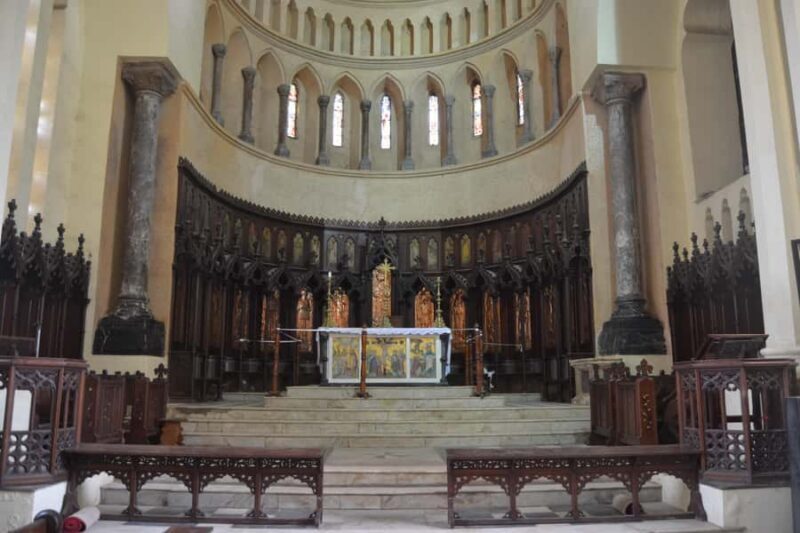
The former slave market and Anglican Cathedral
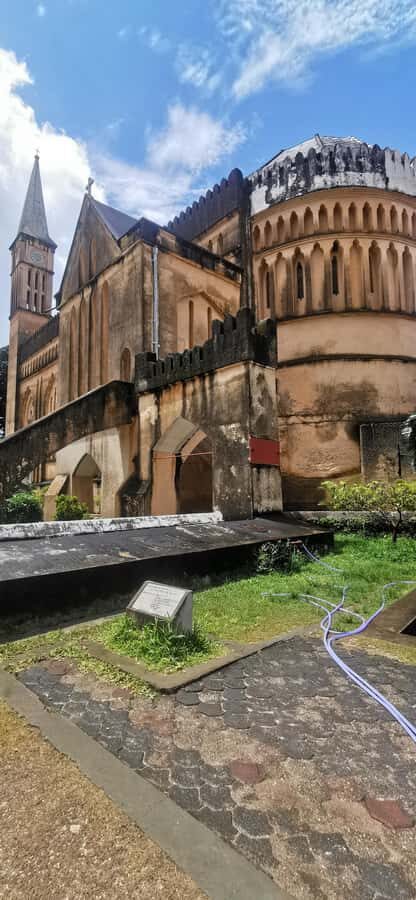
The former slave market, now the site of the Anglican Cathedral, is one of the tour’s most important stops. Here, you can learn about the East African slave trade and the people and missionaries connected to its history, including the explorer David Livingstone. The subject is difficult, but seeing the site gives the broader story a specific place and helps explain why this history remains central to understanding Zanzibar.
Admission is not included and costs about $10 per person. Allow time to read and reflect rather than treating the stop as a quick photo opportunity. The site can sometimes be closed, as happened during local election-related disruption, so it is sensible to keep some flexibility in your expectations.
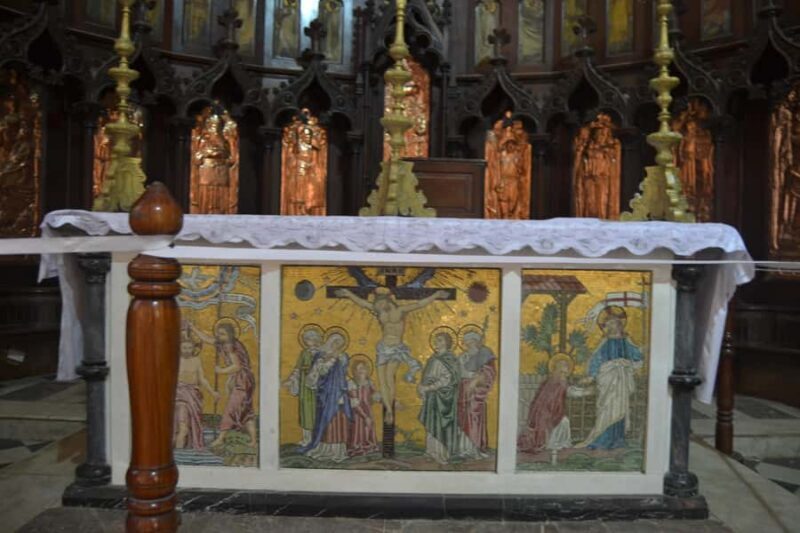
The cathedral and its setting are also part of the town’s layered architecture. Your guide can help explain how buildings associated with different periods and communities sit close together. If you prefer a lighter walk, be aware that this section deals with painful history directly. It is not a decorative landmark stop.
You can also read our reviews of more walking tours in Zanzibar City
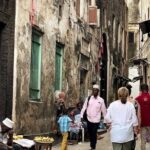

Darajani Market, where the city does its daily shopping
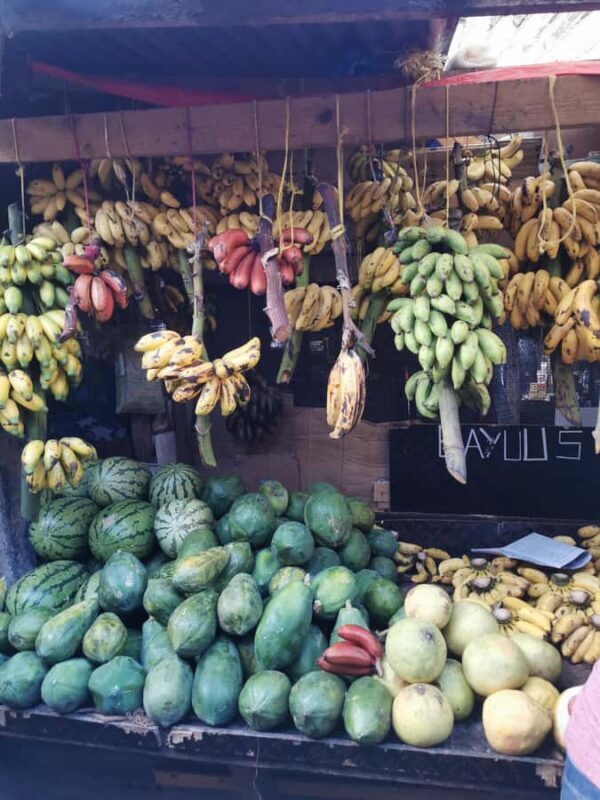
Darajani Market shifts the focus from monuments to daily commerce. The market dates to 1904 and brings together local produce, spices, fish, meat and other goods. The walk may take you through sections with fresh catches from the Indian Ocean and fruits and vegetables grown by local producers.
This is a good place to look, listen and take photographs, and you may have time to buy spices or coffee. It is also a working market, not a staged display. Keep your camera considerate, follow your guide’s lead and remember that a busy stall is someone’s workplace.
The market can be one of the more sensory parts of the walk, but it may not suit everyone equally. The sights and smells of meat and fish sections can be intense. If you have a specific shopping goal, tell your guide early. Guides have been willing to help visitors find particular items, but time is limited.
Doors, balconies and the appeal of getting lost
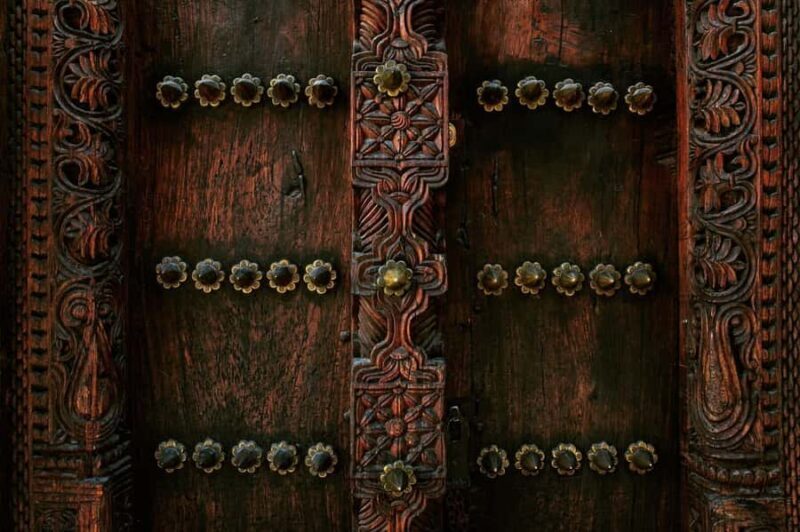
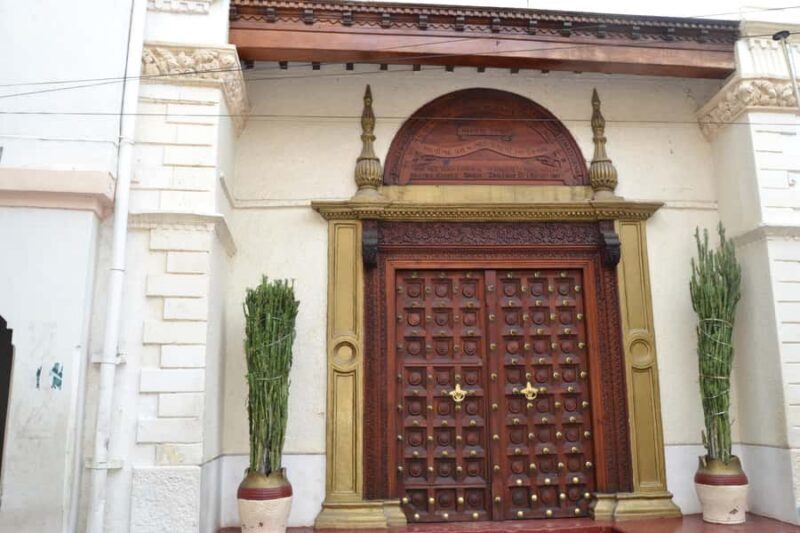
Stone Town’s architecture is not only found at the grand landmarks. The narrow streets themselves are part of the experience, with carved doors, balconies and close-set buildings that reflect the town’s varied influences. A guide can point out details you might pass without noticing and explain how local building practices and styles relate to the city’s history.
The lanes can be confusing, which is one reason a guided first walk is useful. You get an orientation to the center and can return later to places that caught your eye. One visitor described using the tour as a way to find their bearings before exploring independently, a sensible plan in a town where streets can seem to loop and change direction.
Expect a walking tour, not a vehicle-based sightseeing circuit. Wear comfortable shoes and be prepared for uneven or crowded sections. The activity is listed as wheelchair accessible, but it is not suitable for people with back problems. If mobility is a concern, ask about the route and pickup arrangements before booking.
Sultan Palace and the sultanate’s story
The Sultan Palace, also known as the palace museum, offers a chance to learn about Zanzibar’s sultan dynasty and the island’s political past. The palace’s rooms and atmosphere give the history a more intimate setting than a street-side explanation alone. Your guide can supply context about the people who shaped the city and the changes that unfolded from the seventeenth through the twentieth centuries.
A palace visit is not just about grand rooms. It helps connect the sultanate to the architecture and social order you have already seen around town. The tour description includes time to explore inside, though the exact amount of time may depend on the pace and other stops.
The House of Wonders, or Bait el-Ajab, is another landmark on the route. It is described as a ceremonial palace with stories of its own, and its scale makes it easy to spot in the historic center. The building has been described as East Africa’s tallest, but its appeal on this walk is also its place in Stone Town’s public life and architectural story.
Forodhani Garden and the Old Fort
Forodhani Garden is known as an evening gathering place, where food sellers offer seafood, sugarcane juice, Zanzibar pizza and other local fare. On a daytime walk, it gives you a look at a well-known public space, even if the evening food scene is not part of your three-hour tour. If you want to return later, ask your guide about the area and what to expect.
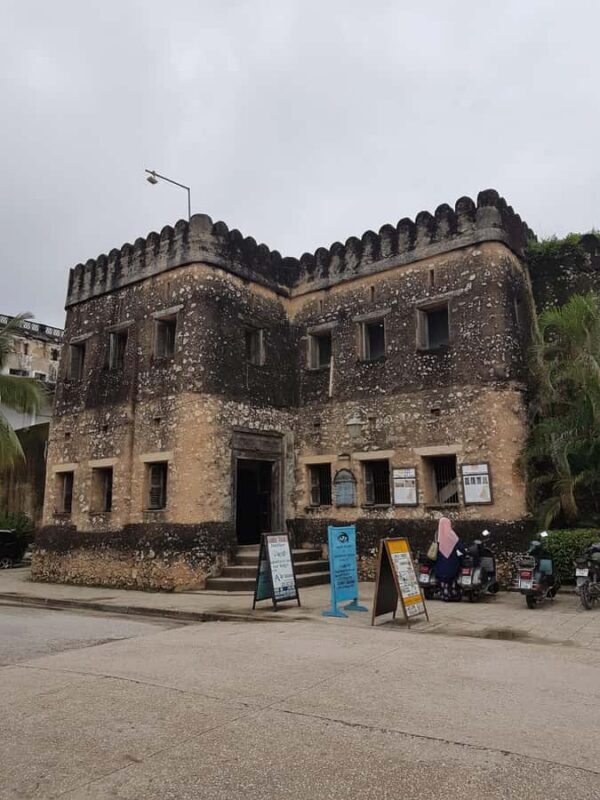
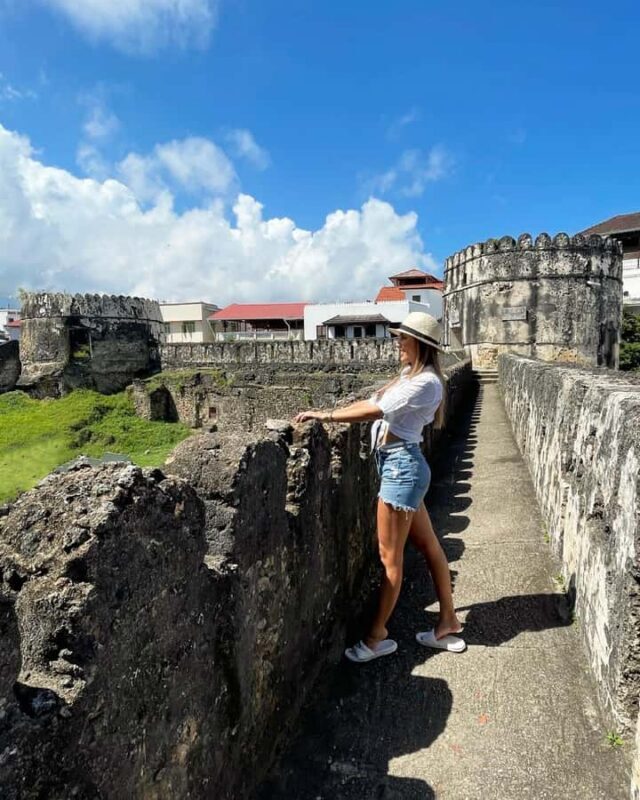
The Old Fort, or Old Arabic Fort, adds another layer to the route. The fort has served different public purposes, including as a battle arena and a site associated with an early railway station. Its thick historic walls contrast with the narrow lanes outside, and it is a useful stop for understanding how Stone Town’s old structures have been used over time.
These landmark stops are close enough to fit into a walking itinerary, but they can compete for time with the market, the palace and the museums. If you have a particular interest in architecture or local history, tell your guide at the start. A private tour is most valuable when you use that flexibility rather than trying to tick off every site at equal speed.
You can also read our reviews of more guided tours in Zanzibar City





Freddie Mercury’s birthplace and the optional museum
The walk passes the home associated with Freddie Mercury, the lead singer and front man of Queen, who was born in Stone Town. You can hear about his connection to Zanzibar and take photographs near the house. The museum is a separate visit, with admission of about $8 per person.
That distinction matters when you are planning your time. A quick stop outside and a museum visit are not the same thing, and the museum fee is not part of the tour price. If you are a Queen fan, ask how much time the guide can allow for the museum before setting off. If you are not, the exterior stop can still add a modern cultural note to a walk otherwise focused on older history.
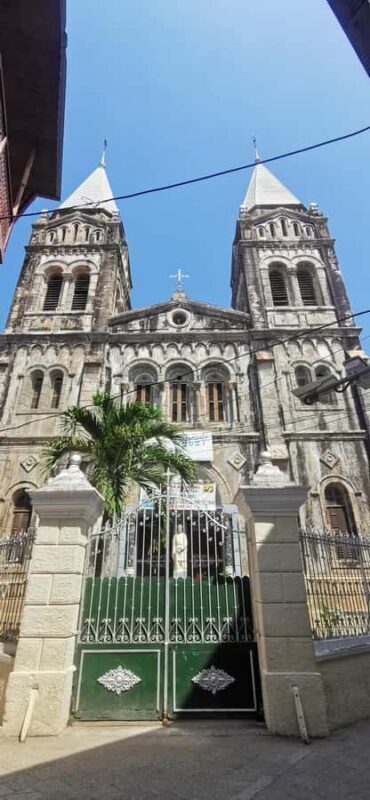
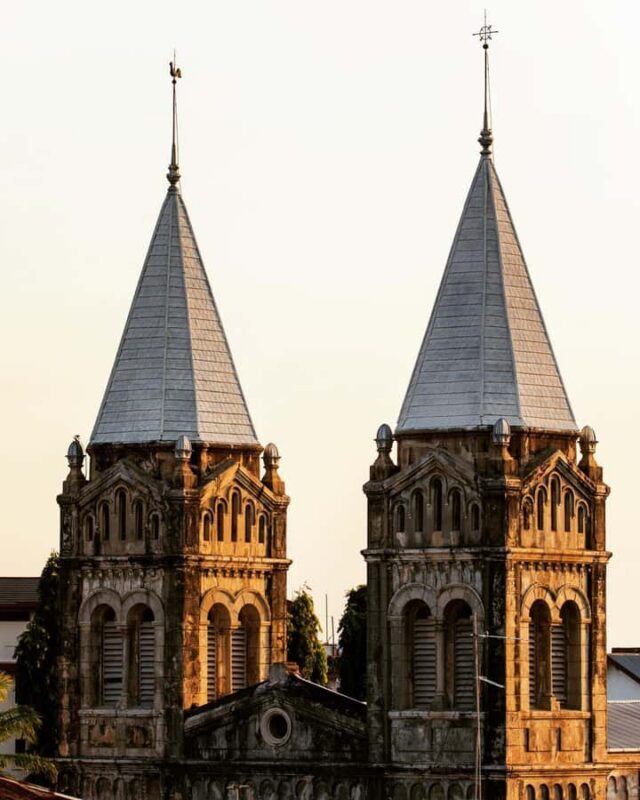
The route also includes the French Catholic Cathedral, Notre Dame of Zanzibar, described for its sculpted interior and central location. As with the other religious sites, dress and behave respectfully, and follow your guide’s instructions about where photography is appropriate.
Coffee, shopping and the small pauses
A stop at Zanzibar Coffee House is part of the stated route, where you can rest and choose an aromatic coffee. The itinerary also mentions Jaws Corner, a place where visitors have had coffee with locals. These pauses can make the tour feel less like a string of monuments and more like an introduction to how the town is lived in.
Souvenir shops and boutiques appear along the lanes, and there may be room to browse. Be clear with your guide if you want to stop and shop, since the tour has several major sites to cover in three hours. Some guides have been flexible about souvenir stops and photo breaks, but a long shopping pause may mean less time elsewhere.
The tour includes a bottle of mineral water for each person. Bring any additional water you usually need, especially if you prefer to drink often while walking. Pickup is included from any area in Stone Town. A pickup outside Stone Town can be requested, but transfer costs or terms are not specified, so confirm them before you book.
Is $24 a fair price for three hours?
At $24 per person, the tour offers a private guide, a three-hour city walk, one bottle of water per person and pickup within Stone Town. That is solid value if you want historical context, help navigating the lanes and the freedom to ask questions as you go. The price is especially useful for a first visit, when a guide can help you decide where to spend more time later.
Keep the extra admissions in mind. Visiting both the Freddie Mercury Museum and the former slave market adds about $18 per person, bringing the known total to roughly $42 before any outside-Stone-Town transfer or purchases. You can still take the walking tour without entering either site, but the former slave market is a key stop for understanding the city’s history.
The experience is offered as a private group, with guides listed in German, English, French, Italian, Spanish, Arabic, Polish, Portuguese and Chinese. Check that your preferred language and start time are available. The booking terms allow free cancellation up to 24 hours in advance, and the reserve-now, pay-later option can help if your plans are not fixed.
Who should take this walk?
I would choose this tour if you have a short stay in Stone Town, want a thoughtful introduction to the city, or prefer asking a local guide questions instead of piecing together the history on your own. It also suits families if you communicate your needs: one guide was happy to stop for ice cream with a young child, and private pacing can be easier than keeping up with a large group.
It is a good fit for people interested in architecture, Swahili culture and the history of the slave trade. The subject matter is serious, and the walking route may be tiring for anyone with back problems. If you mainly want a relaxed café crawl or a long shopping session, you may find the schedule too focused on landmarks.
Book it if you want a compact, personal orientation to Stone Town, and tell your guide what matters most to you. Ask how the route handles the market, the former slave market and the optional museum visits, then leave room for the city’s best moments: an unexpected doorway, a question that leads to a longer story, or a coffee break that turns into a conversation.
Zanzibar: 3 Hours Private Stone Town walking Tour with Guide
FAQ
How long is the Stone Town walking tour?
The tour is scheduled for three hours. Some walks may take longer or move faster depending on the route, stops and your group’s interests.
Is the tour private?
Yes. It is offered for a private group, so you can ask questions and discuss your interests with the guide.
What is included in the price?
Guiding services and one bottle of mineral water for each person are included. Pickup is included from any area in Stone Town.
Are museum and former slave market tickets included?
No. Admission to the Freddie Mercury Museum is about $8 per person, and admission to the former East Africa Slave Market is about $10 per person.
Which languages are available?
Guides are listed in German, English, French, Italian, Spanish, Arabic, Polish, Portuguese and Chinese. Check availability for your preferred language when choosing a time.
Can I be picked up outside Stone Town?
You can request pickup outside Stone Town. Free pickup is specified for areas within Stone Town, so confirm the arrangements for an outside pickup before booking.
Is the tour suitable for someone with back problems?
The tour is listed as not suitable for people with back problems. It is a walking activity, so consider that before booking.
Can I cancel for a refund?
Yes. You can cancel up to 24 hours in advance for a full refund.
You can check availability for your dates here: